The Hope Zones Foundation, led by big-wave surfer João Macedo, is launching Portugal’s first regenerative kelp farm near Nazaré and hosting a sustainability summit on November 14–16. The project will attach kelp lines to a 2010 artificial reef to boost biodiversity, produce bio-fertilizer and sequester carbon. Organizers say the farm will create jobs for fishermen and coastal communities and help diversify Portugal’s economy. Partners include SeaTrees and surfer Nic von Rupp.
Bigger Than AI? How Portugal’s First Regenerative Kelp Farm Near Nazaré Could Transform Coasts and Communities

Hope Zones launches Portugal’s first regenerative kelp farm and hosts a sustainability summit
While headlines obsess over AI, a different kind of innovation is growing in the ocean. From November 14–16, the Hope Zones Foundation—co-founded by big-wave pioneer João Macedo—will host the Nazaré Regenerative Seaweed and Sustainability Summit and formally open Portugal’s first regenerative kelp farm just minutes south of Nazaré’s famous waves.
The three-day summit brings together leading European marine scientists, blue-economy investors, policymakers and coastal communities to explore how to scale regenerative ocean farming along exposed Atlantic coastlines. Organizers say these farms create jobs and new industries while producing food, fuel and fertilizer; they also enhance marine biodiversity, improve ocean health and lock up substantial amounts of carbon.
Why Nazaré?
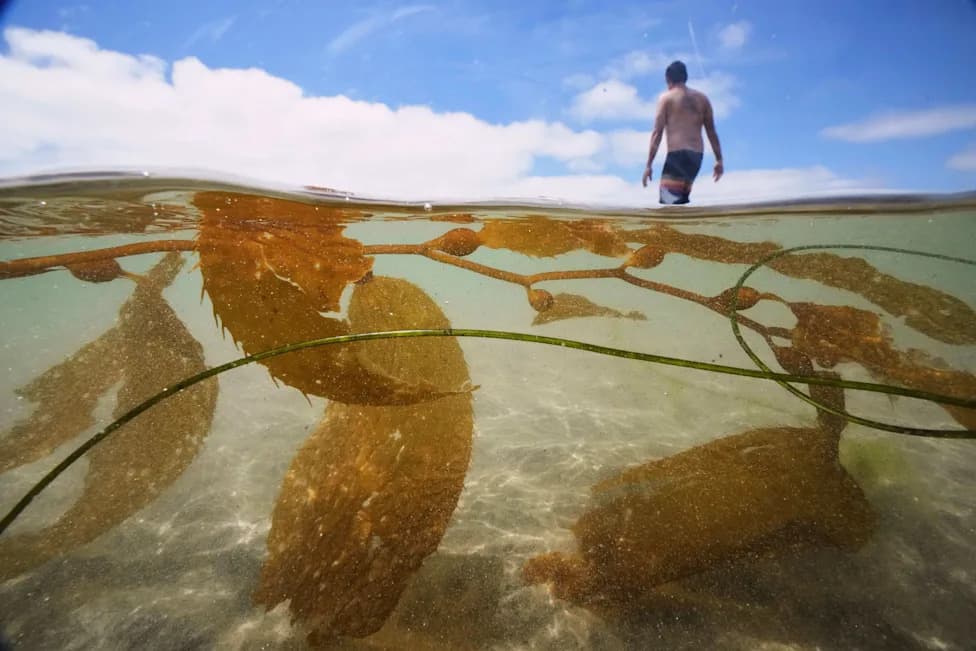
Macedo and his team spent three years securing permits, funding and equipment to attach kelp lines to an artificial reef installed in 2010. The site is well suited to kelp cultivation for several reasons:
- Nutrient-rich waters: The Iberian upwelling system brings cold, nutrient-dense deep water to the surface—ideal for golden kelp growth.
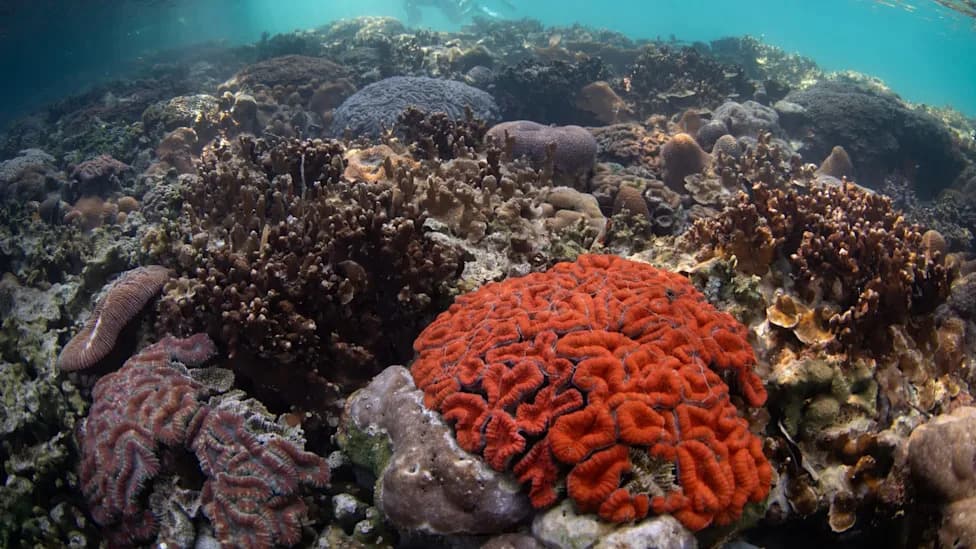
- Habitat enhancement: The area’s relatively low habitat complexity means cultivated kelp can quickly provide food, shelter and breeding habitat for fish and invertebrates.
- Accessible monitoring: Located minutes from Nazaré’s harbor, the farm allows regular monitoring, maintenance and adaptive ecological assessment.
“It was like building a neighborhood without a supermarket; this project takes it to the next level. The kelp lines being installed by Hope Zones will turbocharge marine biodiversity in the area and, once harvested, will provide excellent organic fertilizer to local farmers. It’s a win-win-win.” — Michael Stewart, co-founder of SeaTrees
Immediate and long-term benefits
In the near term, organizers expect measurable gains in local biodiversity and new economic activity. Over the long term, scaled regenerative seaweed farming can diversify regional economies—particularly in places like Portugal that rely heavily on tourism, textiles and conventional agriculture—by offering fishermen and coastal residents alternative, ocean-based livelihoods.
The kelp harvest will be processed into bio-fertilizer for nearby farms, reviving a centuries-old local practice: in 1308 King Dinis regulated the picking of sargaço (seaweed) because of its agricultural value. Although the practice declined with the rise of chemical fertilizers, seaweed-based soil amendments are seeing renewed interest worldwide.
Kelp forests act like the rainforests of the sea: they provide habitat, help regulate coastal climates and sequester carbon—benefits that support both marine ecosystems and the fishing communities that depend on them for generations.
Partners and people: The project brings together Hope Zones, SeaTrees (partner), and supporters from the surf and conservation communities, including João Macedo (Patagonia ambassador) and big-wave surfer Nic von Rupp.
Tickets and donation information for the Nazaré Regenerative Seaweed and Sustainability Summit are available through Hope Zones’ channels.
Help us improve.