Nebraska has seen an unprecedented consecutive monthly drop in SNAP enrollment, with July totals at 116,703 — down about 7,600 from June and nearly 33,000 from July 2025. Advocates say roughly half of the year-over-year decline are people under 19 and 13% are children under five, warning this signals increased food strain rather than reduced hunger. State verification rules and 2025 federal eligibility changes are tied to the decline, while DHHS says stricter checks are needed to keep payment error rates below 6% and is working to streamline determinations.
Nebraska Sees Unprecedented Drop in SNAP Enrollment; Advocates Warn Many Losing Aid Are Children
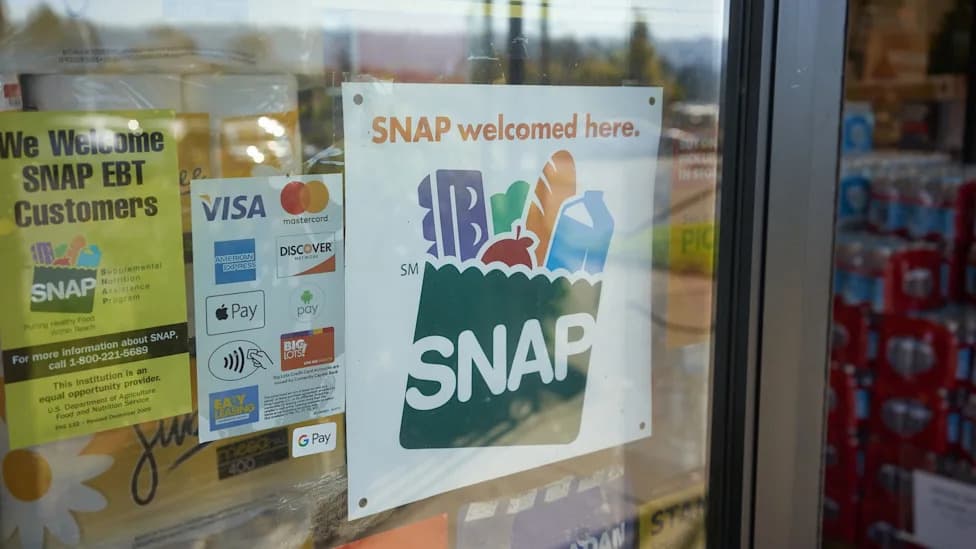
Photo Credit: iStock
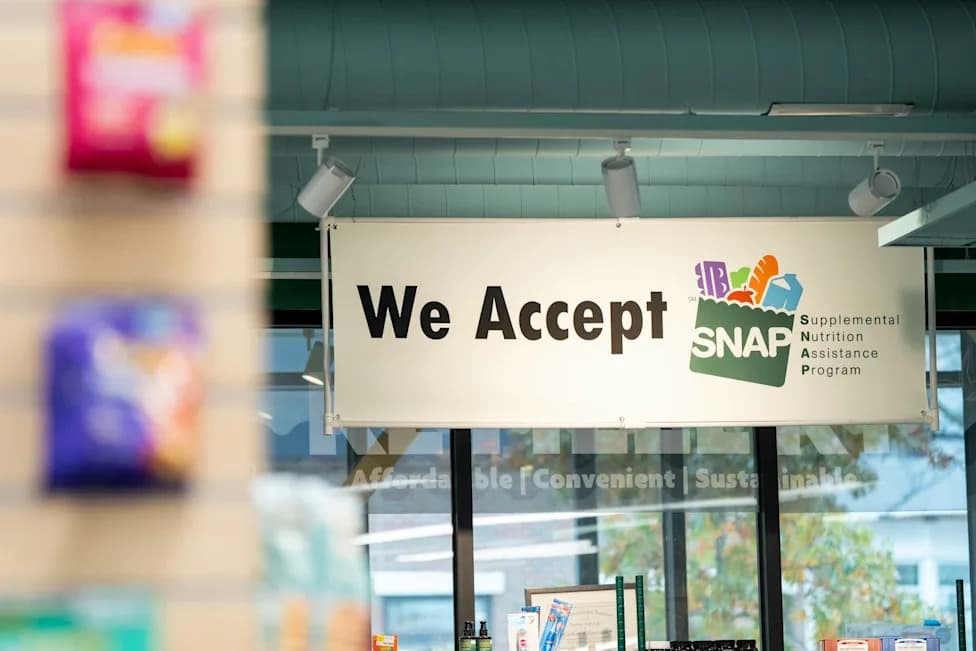
Nebraska has experienced an unprecedented, consecutive monthly decline in Supplemental Nutrition Assistance Program (SNAP) participation, and advocates warn that a large share of those losing benefits are children.
What Happened
Data reported by the Nebraska Examiner show SNAP enrollment in the state fell to 116,703 people in July — roughly 7,600 fewer than in June and nearly 33,000 fewer than in July 2025, a year-over-year drop of almost 22%. Advocates and researchers say these back-to-back declines are unlike anything Nebraska has seen before.
Who Is Most Affected
Eric Savaiano, manager for food and nutrition access at Nebraska Appleseed, told a Sept. 17 legislative hearing that children account for a disproportionate share of the losses: about half of the year-over-year decline were people younger than 19, and roughly 13% were infants and children under five. Savaiano called the pattern "shocking" and warned it does not indicate that hunger has eased.
"Fewer people on SNAP means hungry people, half of which are children, are experiencing more strain and struggle, more trips to limited food pantries and food banks, and more long-term pain for school nutrition programs and educators for the foreseeable future." — Eric Savaiano, Nebraska Appleseed
Why Enrollment Is Falling
Reporting from the Nebraska Examiner links the decline to a combination of federal and state policy changes. The 2025 tax-and-spending package included eligibility changes and tougher work requirements, and Nebraska implemented new verification rules in May that apply to all SNAP applicants. Advocates say the added paperwork and verification steps are burdensome and deter eligible families from applying or continuing benefits.
Savaiano described situations in which recipients are required to prove household composition, sometimes asking a neighbor to sign forms. He recounted a rural resident who, afraid of humiliation, stopped receiving SNAP benefits.
Official Response
Jeff Powell, a spokesperson for the Nebraska Department of Health and Human Services (DHHS), said the state adopted stricter verification after a federal law change required states to keep SNAP payment error rates below 6% or begin paying part of federal benefit costs starting in October 2027. DHHS says the enhanced verification measures are meant to protect program integrity and taxpayer dollars, and the agency is working to streamline procedures to speed benefit determinations.
Why This Matters
Researchers at the hearing — including Abbie Raikes of the University of Nebraska Medical Center — emphasized that adequate nutrition in early childhood is critical for healthy brain development. Experts warned that rising food insecurity can undermine school readiness, academic performance, and behavior, and place lasting strain on schools and community food resources.
Next Steps
The hearing was prompted by an interim study requested by state Sen. Victor Rountree (Bellevue) that focused on pregnant and postpartum women and their children. Lawmakers, advocates, and service providers are weighing policy responses; Appleseed is urging legislation to simplify verification procedures to keep eligible families enrolled.
Related coverage explores federal and state policy changes affecting SNAP access, efforts to reduce household costs, and other programs designed to help struggling families.
Help us improve.