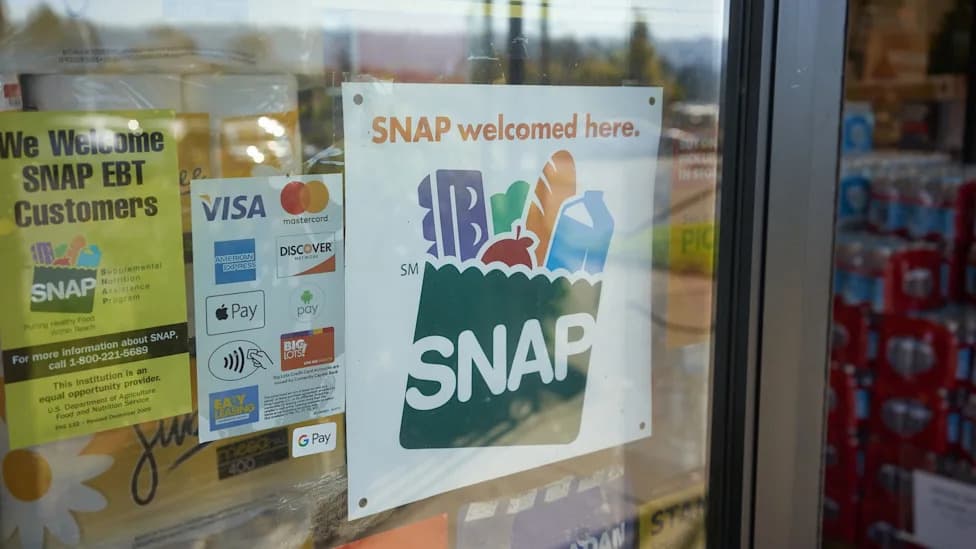
Most SNAP recipients will get a modest cost-of-living increase starting Oct. 1 (for example, +$23 monthly for a family of three). But a recent federal law shifts a larger share of administrative costs to states (75% starting Oct. 1) and could require states to share benefit costs beginning Oct. 1, 2027, based on error rates. Analysts warn the changes could strain state budgets, reduce program access, push more families to food banks, and affect related programs such as free school meals.
SNAP Benefits Get a Small COLA Oct. 1 — But New Federal Rules Could Mean Cuts Ahead
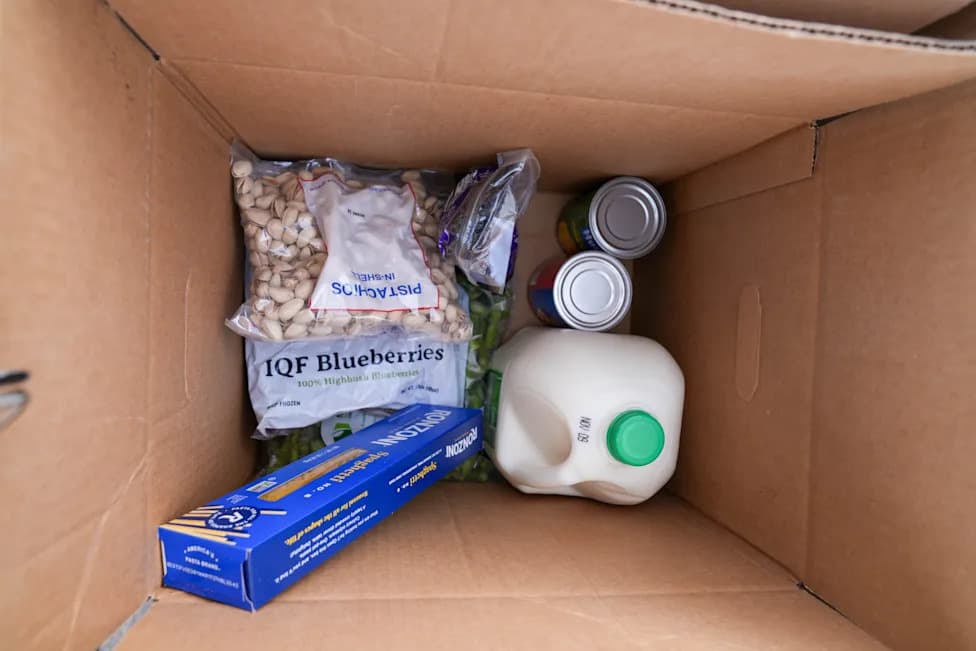
Food items at a Food Bank of the Rockies distribution site in Aurora, Colorado, including milk, pasta and frozen blueberries.(Trevor Hughes/USA TODAY)
October brings two changes to the Supplemental Nutrition Assistance Program (SNAP): a modest, immediate increase in benefit amounts tied to the annual cost-of-living adjustment (COLA), and a new federal-state funding structure that shifts more costs to states and counties — a move analysts warn could squeeze budgets and reduce access over time.
What Changes on Oct. 1
Most SNAP households in the 48 contiguous states and Washington, D.C., will see a small COLA increase starting Oct. 1. Maximum monthly payments will rise by $23 for a family of three, $29 for a family of four, $34 for a family of five, and $8 for single adults. Benefit maximums differ in Alaska, Hawaii, Guam and the U.S. Virgin Islands due to higher grocery prices.
New Cost-Sharing Rules and the Longer-Term Risk
Under a recent tax and spending law, the federal share of SNAP administrative costs has been reduced: beginning Oct. 1, states are responsible for 75% of SNAP administrative costs, up from the previous federal-state split. While recipients may not notice this change immediately, analysts warn it will tighten state budgets at a time when many agencies need to invest in technology and staffing to avoid future problems.
Beginning Oct. 1, 2027, most states could also begin paying a share of benefit costs for the first time. That obligation will be determined by each state's "error rate," a measure that captures both overpayments and underpayments when agencies determine eligibility and benefit amounts.
"Demanding that states do much more on SNAP operations to drive a better result at the same time the federal government is cutting back on its financial responsibilities to states and federal staffing isn't just counterintuitive, it's cynical policy," said Stacy Dean, Executive Director of the Global Food Institute's Carbonell Family at George Washington University.
Budget Pressure On States And Counties
The National Association of Counties warns that counties required to contribute to the higher non-federal share of SNAP administrative costs could see obligations rise by as much as $850 million annually. Most states said they have budgeted for the 75% administrative share, but many have not planned for the later benefit cost-sharing tied to error rates.
Analysts estimate states' potential exposure to the benefit cost-sharing — once it begins — ranges widely, from roughly $15 million to as much as $1.5 billion in some scenarios, according to Farm Aid. Experts say this could force trade-offs such as fewer technology upgrades, longer wait times for call centers, reduced outreach, or cuts to other local services.
Possible Effects on Participation and Other Programs
SNAP enrollment has already fallen by more than 4.7 million people nationwide since July 2025 (data through March from the U.S. Department of Agriculture). Arizona experienced one of the sharpest declines, losing nearly half its participants amid new work requirements, restrictions on immigrant eligibility and shifting costs to the state.
Advocates warn that if states scale back participation or administration, food pantries and nonprofits will need to fill the gap. In Arizona, about 843,000 residents used food pantries in April — an 8% increase year over year and more than the number receiving SNAP that month, according to the Arizona Food Bank Network.
SNAP changes could also ripple into school meal programs. Students in households that participate in SNAP are directly certified for free school meals; if parents lose SNAP eligibility, an estimated 832,000 students could lose direct certification and would need to complete separate paperwork to receive meal benefits, which could raise the cost of providing universal school meals.
Advocacy and Legislative Responses
Advocates are calling for relief short of full repeal. Groups including No Kid Hungry request at least a two-year pause in benefit cost-sharing to allow states to adjust. The Senate Agriculture Committee's draft Farm Bill that passed committee would postpone the start of state benefit cost-sharing by one year to Oct. 1, 2028 (FY2029), but it would also increase penalties for states with the highest error rates.
In the coming weeks and months, states and Congress will decide whether to soften or delay the new funding rules. Meanwhile, low-income households will receive the modest COLA increase beginning Oct. 1, even as uncertainty mounts about SNAP's future funding and structure.
Reporter: Medora Lee, USA TODAY. Contact: [email protected]
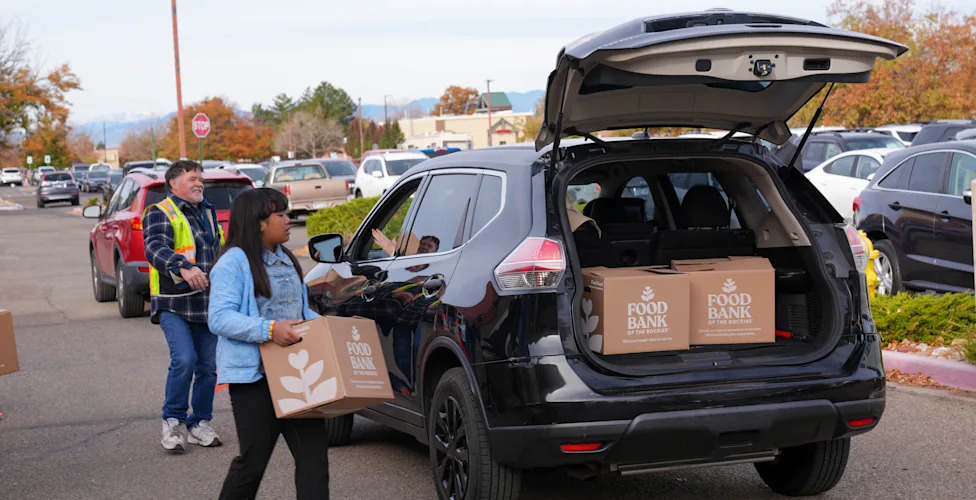
Volunteers at Food Bank of the Rockies distribution site in Aurora, Colorado, load food into a waiting car on Nov. 1, 2025, following the halt of SNAP benefits for 42 million Americans.(Trevor Hughes/USA TODAY)
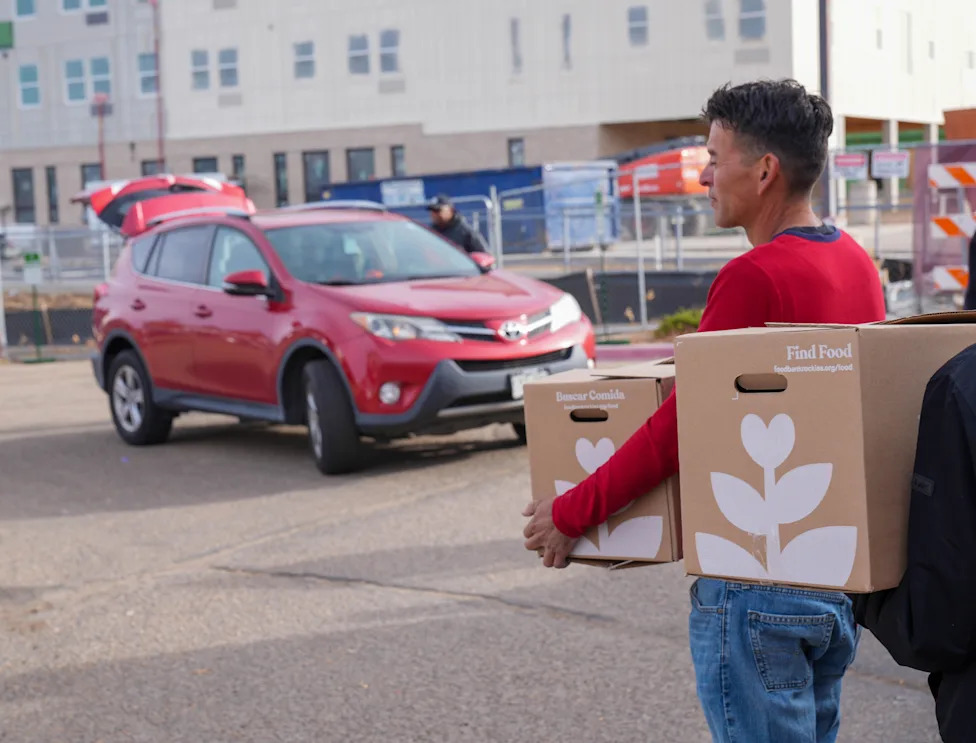
Volunteers at Food Bank of the Rockies distribution site in Aurora, Colorado, load food into a waiting car on Nov. 1, 2025, following the halt of SNAP benefits for 42 million Americans.(Trevor Hughes/USA TODAY)
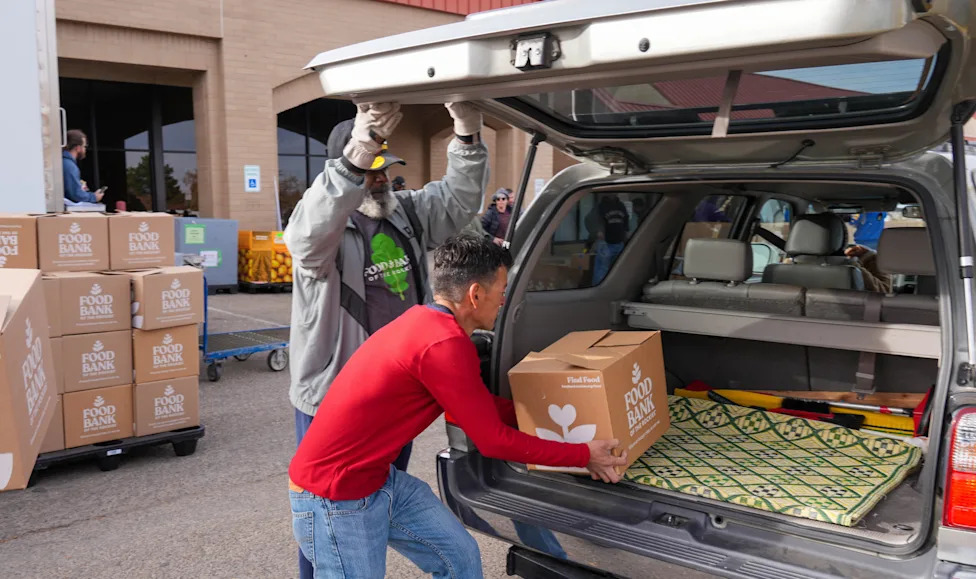
Volunteers at Food Bank of the Rockies distribution site in Aurora, Colorado, load food into a waiting car on Nov. 1, 2025, following the halt of SNAP benefits for 42 million Americans.(Trevor Hughes/USA TODAY)
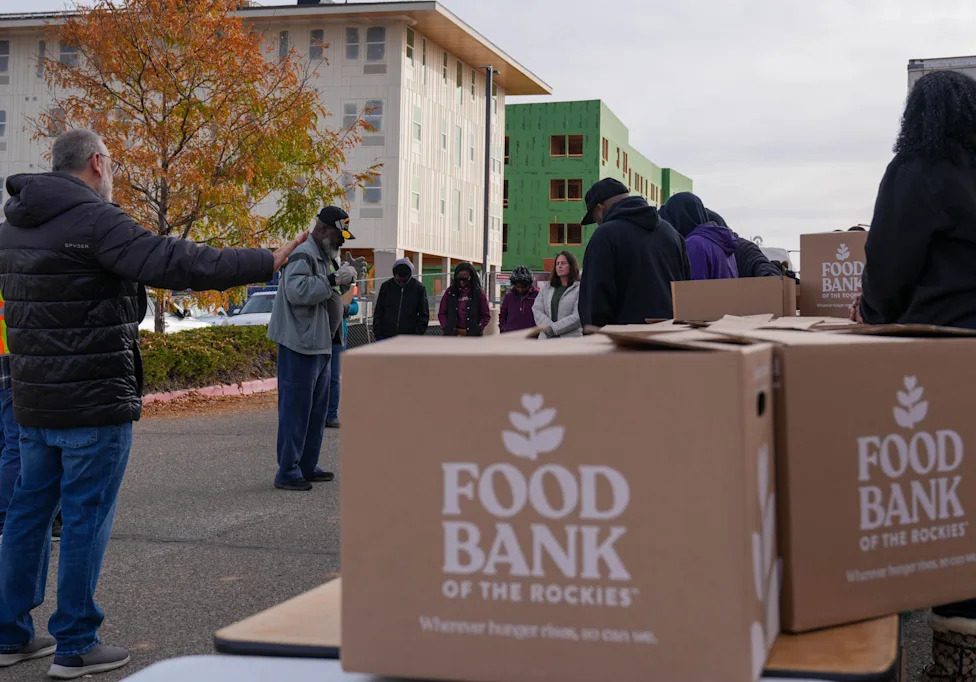
Volunteers at Food Bank of the Rockies distribution site in Aurora, Colorado, pause for prayer before loading food into waiting cars on Nov. 1, 2025, following the halt of SNAP benefits for 42 million Americans.(Trevor Hughes/USA TODAY)
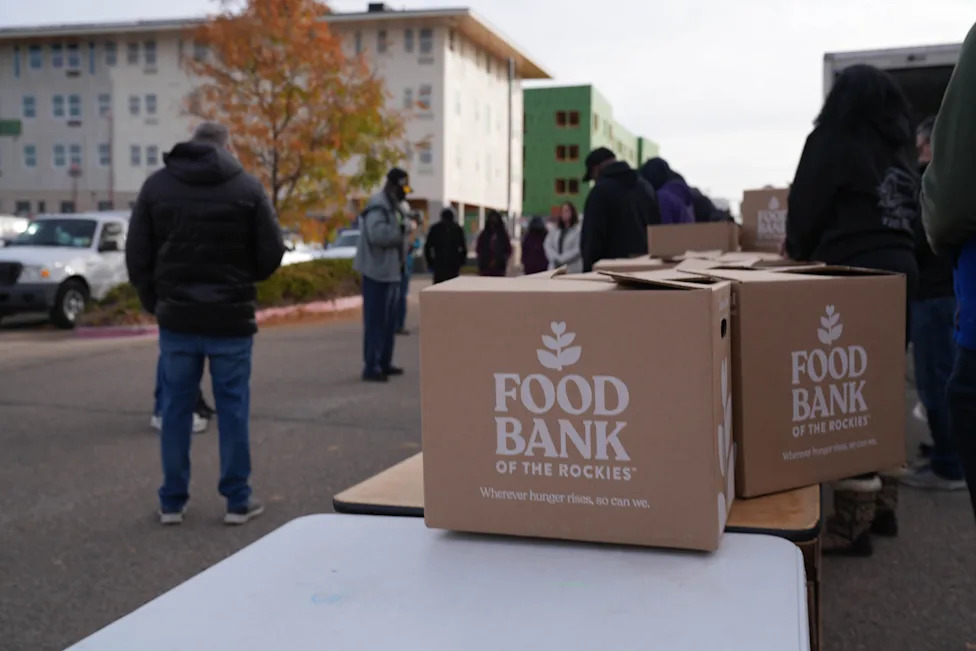
Volunteers at Food Bank of the Rockies distribution site in Aurora, Colorado, pause for prayer before loading food into waiting cars on Nov. 1, 2025, following the halt of SNAP benefits for 42 million Americans.(Trevor Hughes/USA TODAY)
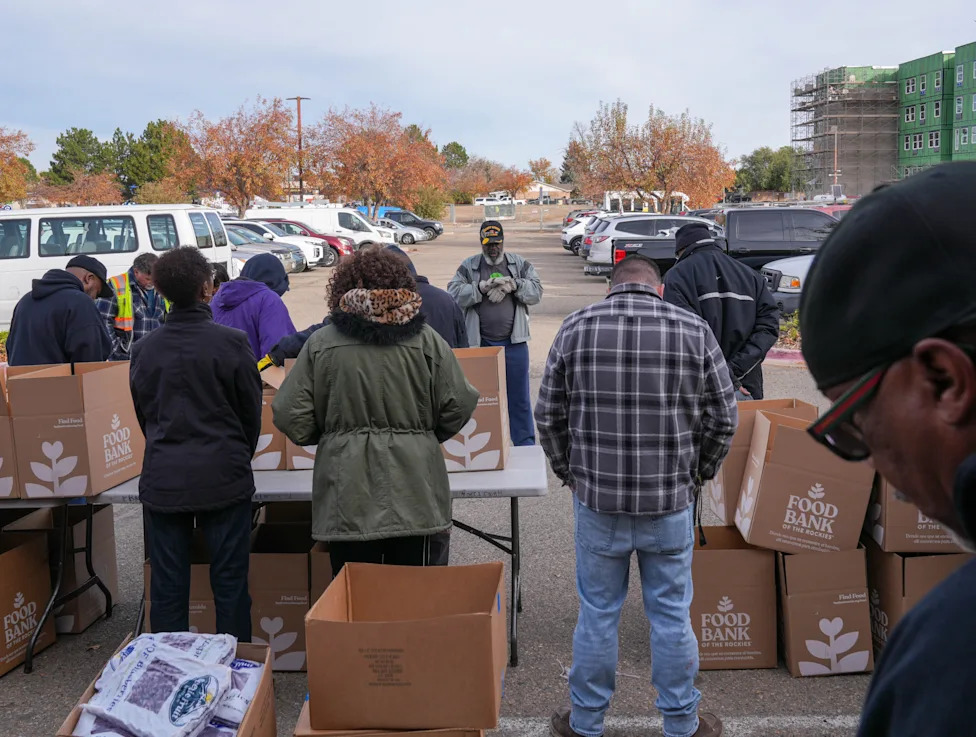
Volunteers at Food Bank of the Rockies distribution site in Aurora, Colorado, pause for prayer before loading food into waiting cars on Nov. 1, 2025, following the halt of SNAP benefits for 42 million Americans.(Trevor Hughes/USA TODAY)

Former trucker Doug Wheeler, 56, waits to collect food at a Food Bank of the Rockies distribution site in Aurora, Colorado, on Nov. 1, 2025, following the halt of SNAP benefits for 42 million Americans. Wheeler is among those whose benefits have been halted.(Trevor Hughes/USA TODAY)
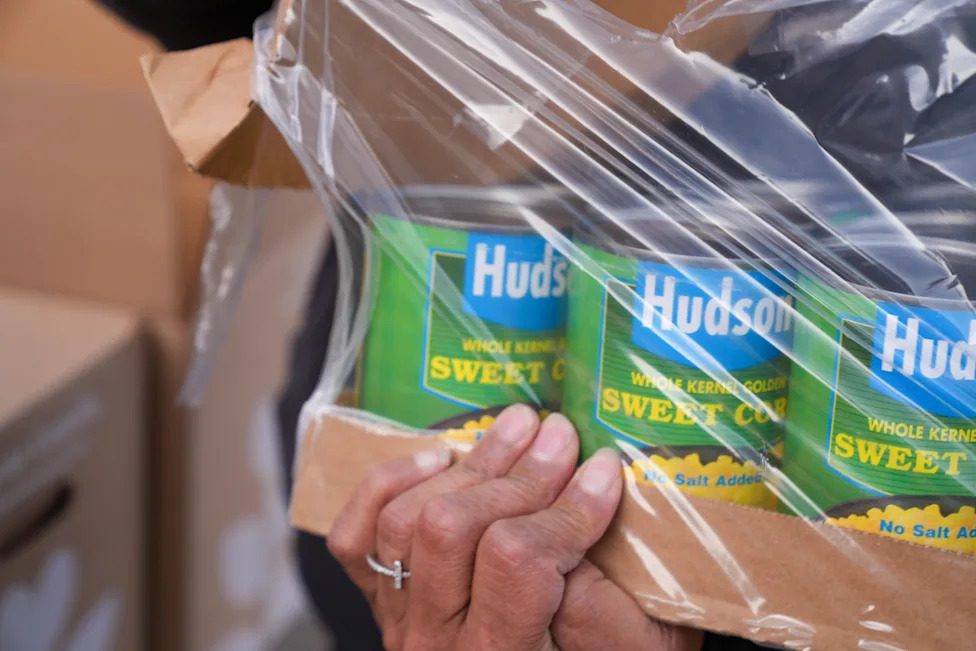
A volunteer distributes food at a Food Bank of the Rockies distribution site in Aurora, Colorado, on Nov. 1, 2025, following the halt of SNAP benefits for 42 million Americans.(Trevor Hughes/USA TODAY)
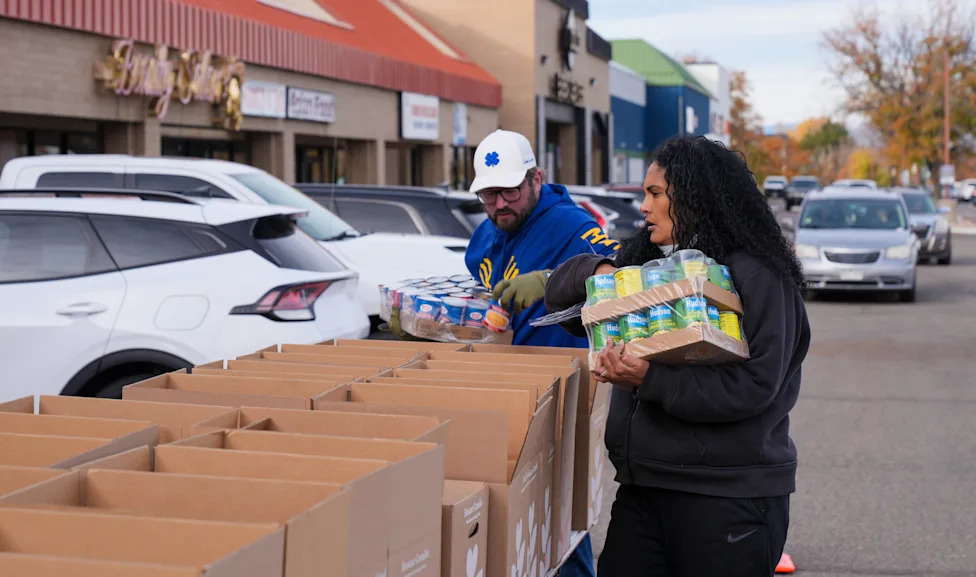
Volunteers distribute food at a Food Bank of the Rockies distribution site in Aurora, Colorado, on Nov. 1, 2025, following the halt of SNAP benefits for 42 million Americans.(Trevor Hughes/USA TODAY)
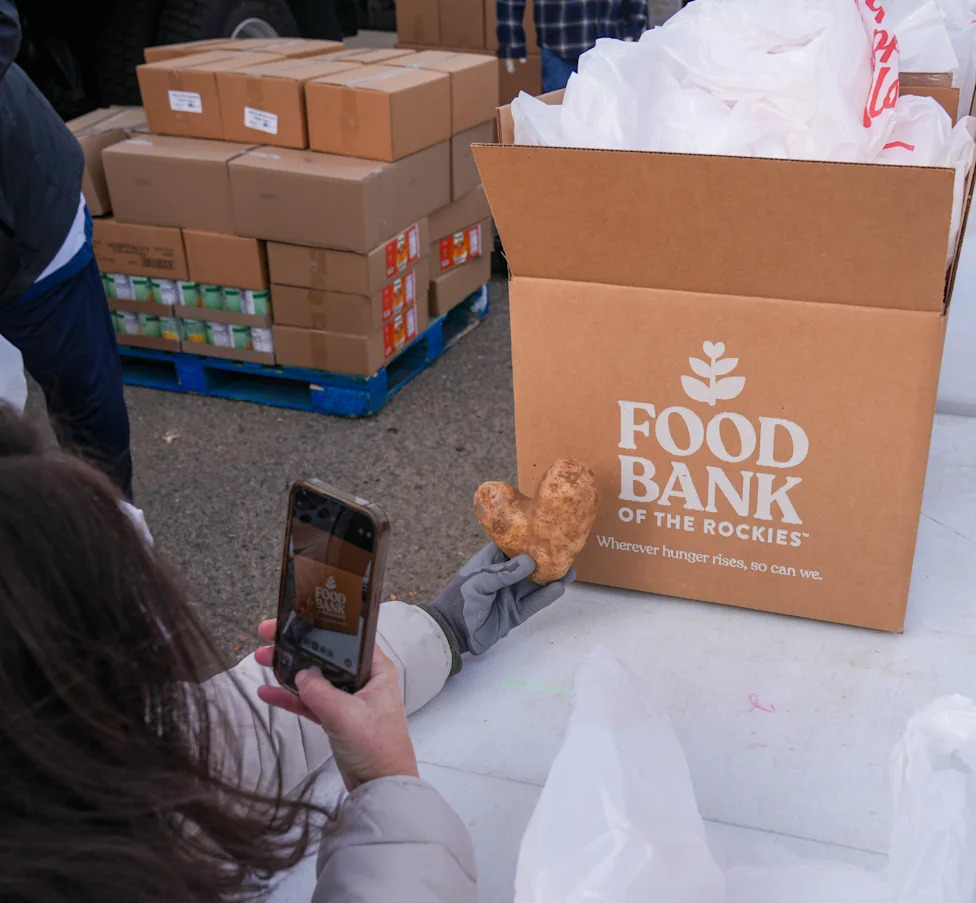
A volunteer at a Food Bank of the Rockies distribution site in Aurora, Colorado, on Nov. 1, 2025, takes a picture of a heart-shaped potato before distributing food to people following the halt of SNAP benefits for 42 million Americans.(Trevor Hughes/USA TODAY)
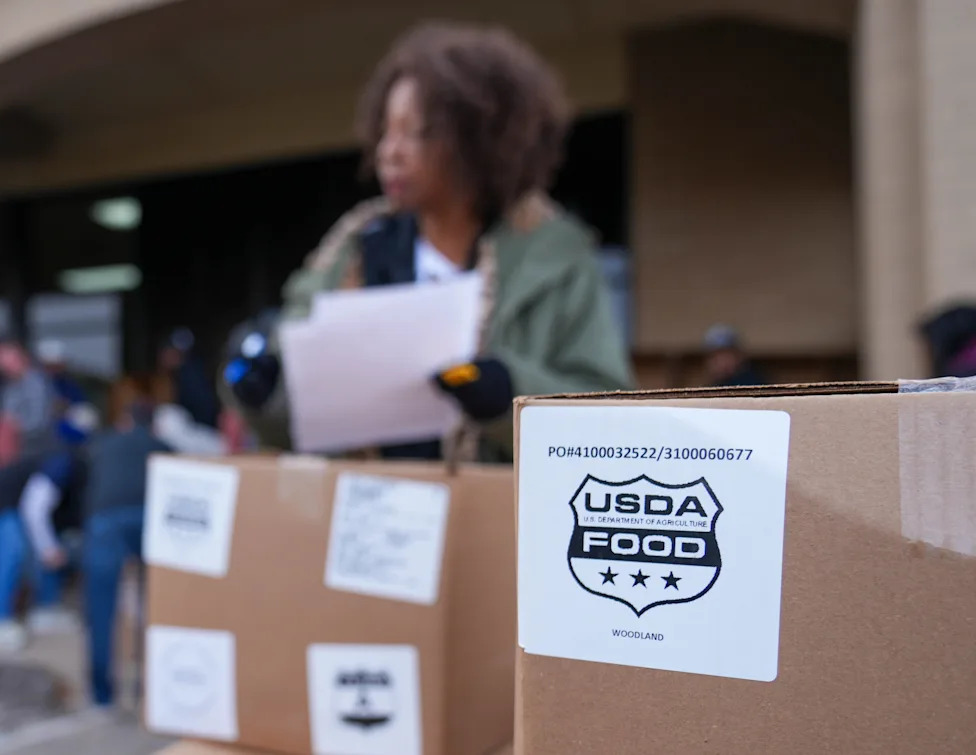
Volunteers distribute food at a Food Bank of the Rockies distribution site in Aurora, Colorado, on Nov. 1, 2025, following the halt of SNAP benefits for 42 million Americans.(Trevor Hughes/USA TODAY)
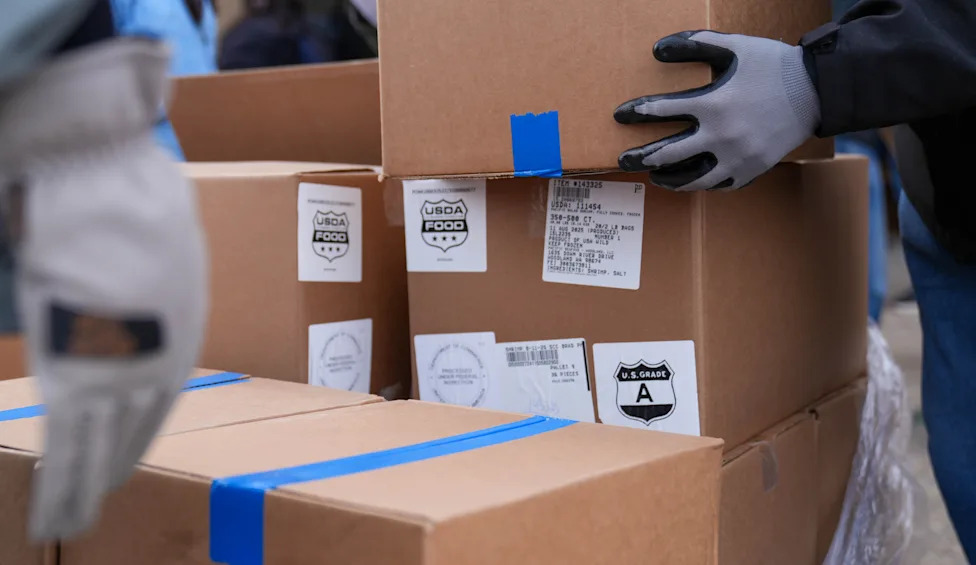
Volunteers distribute food at a Food Bank of the Rockies distribution site in Aurora, Colorado, on Nov. 1, 2025, following the halt of SNAP benefits for 42 million Americans.(Trevor Hughes/USA TODAY)
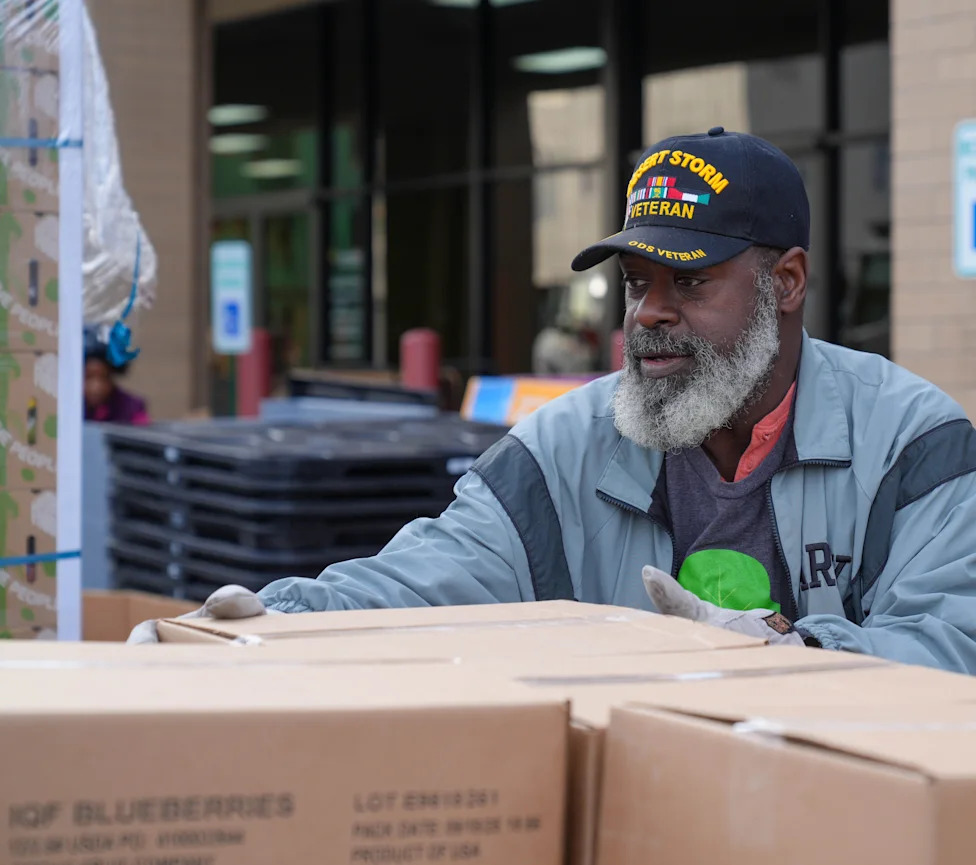
Thomas Booth, the site coordinator for Food Bank of the Rockies distribution site, and an elder with the Restoration Christian Fellowship, which hosts the distribution, helps hand out food to people on Nov. 1, 2025, following the halt of SNAP benefits for 42 million Americans.(Trevor Hughes/USA TODAY)
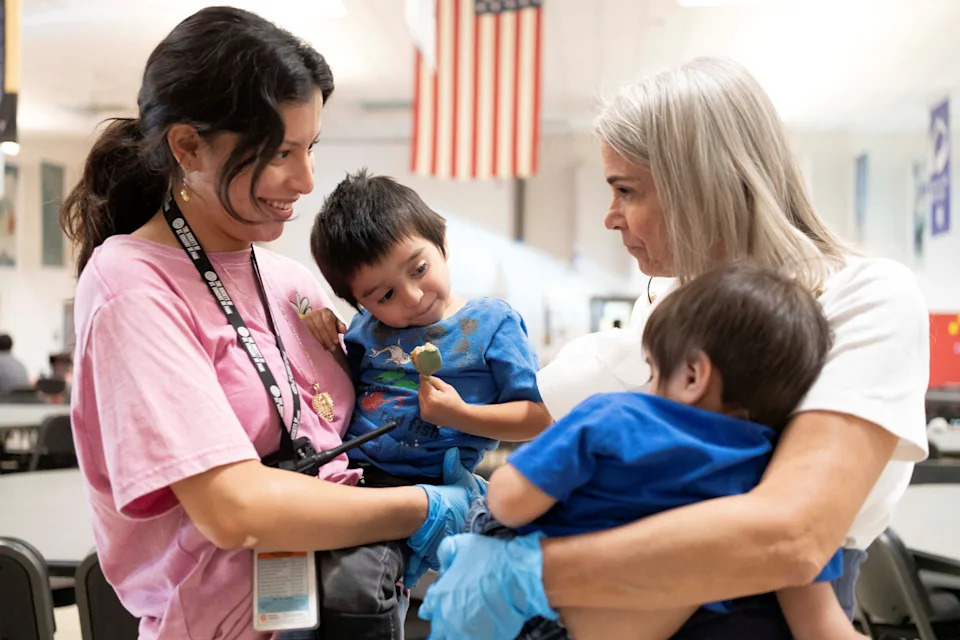
Family Evening Meal Coordinator Brenda Camacho and Family Evening Program Manager Cindy Bernardo smile as they play with Randy and JJ Flores, two of seven of Myriam Flores' children, at Saint Vincent De Paul's NextPhase Family Dining Room in Phoenix, U.S. May 29, 2026. REUTERS/Rebecca Noble
Help us improve.