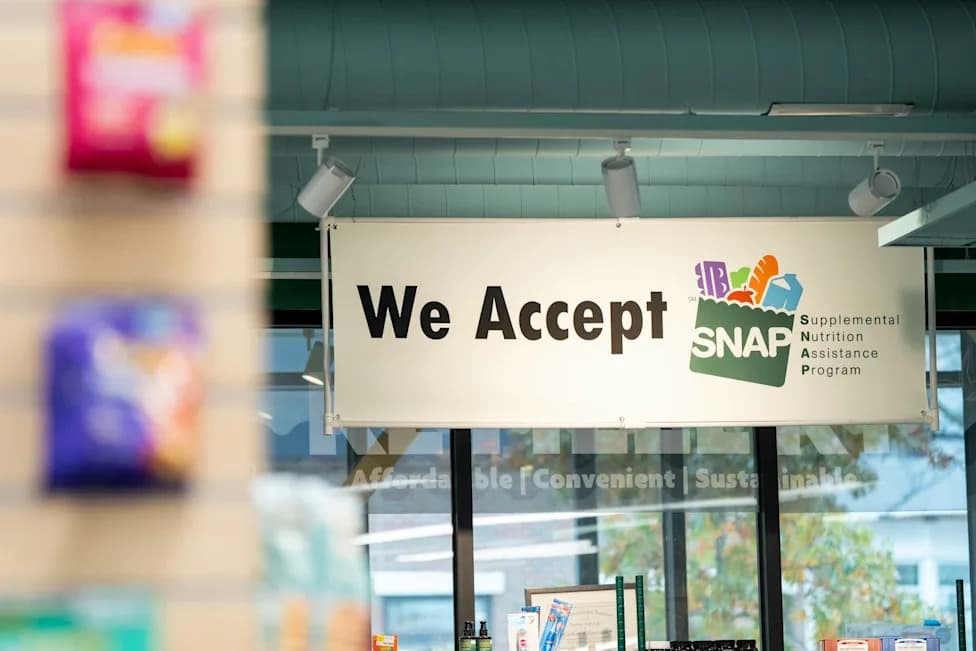
The One Big Beautiful Bill Act will bring major changes to SNAP and Medicaid starting in October. Federal reimbursement for SNAP administrative costs will drop from 50% to 25% beginning fiscal year 2027 (Oct. 1, 2026), shifting most administrative expenses to states and potentially slowing access to benefits. New Medicaid guidance will limit federally funded full-scope coverage for many noncitizen groups, though emergency care and certain coverage for children and pregnant people may continue. Work requirements for some Medicaid recipients are planned to begin in January 2027.
Major SNAP and Medicaid Changes Take Effect in October — What You Need to Know
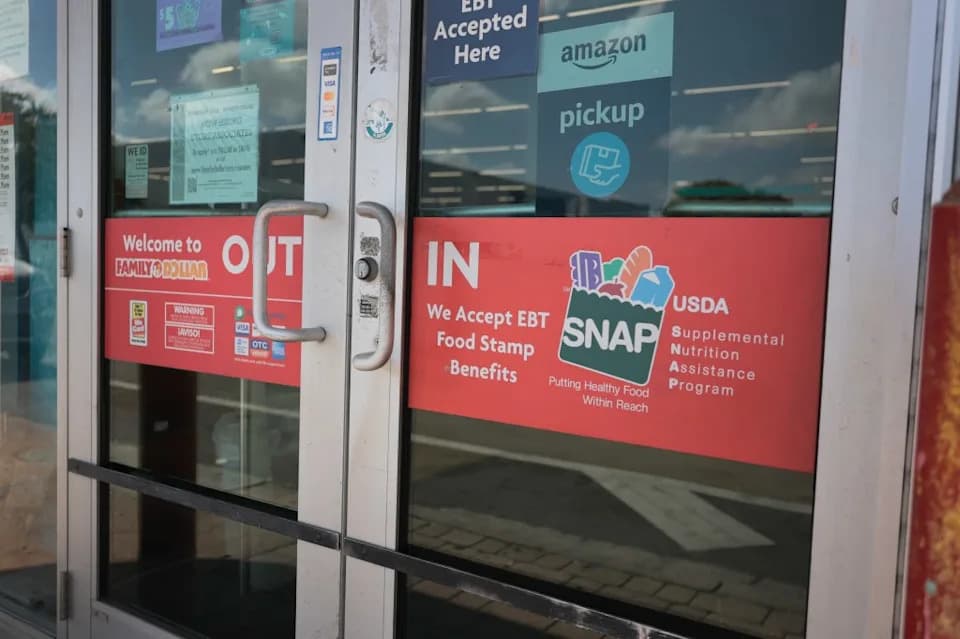
A sign indicating that a store accepts SNAP benefits is pictured on April 21 in Miami, Florida. (Photo by Joe Raedle/Getty Images)
Millions of Americans who depend on federal safety-net programs face major changes beginning this October after Congress passed sweeping budget legislation commonly referred to in coverage as the One Big Beautiful Bill Act. The new rules will alter funding for the Supplemental Nutrition Assistance Program (SNAP) and narrow federal Medicaid eligibility for many noncitizen groups — changes that advocates warn could increase hardship while shifting costs to states.
What’s changing and when
The law includes several provisions with staggered start dates. Key deadlines include October 1, 2026 (the start of fiscal year 2027) for a reduction in SNAP administrative reimbursement and the new Medicaid immigrant-eligibility guidance; some SNAP cost-sharing requirements for states are scheduled to begin in October 2027. Work and activity requirements for certain Medicaid recipients are slated to take effect in January 2027, although timing may vary by state and federal guidance.
SNAP administrative funding
Under the new rule implemented by the U.S. Department of Agriculture, the federal reimbursement rate for SNAP administrative costs will be reduced from 50 percent to 25 percent beginning in fiscal year 2027, which begins October 1, 2026. That change effectively shifts roughly 75 percent of program administrative costs to states. Covered administrative expenses include caseworker salaries, fraud-prevention efforts, call centers and the technology platforms used to process applications and benefits.
State officials warn that the funding cut could force difficult budget choices. Although the law does not directly lower benefit amounts, higher state administrative burdens could lead to staffing cuts, slower application processing and reduced access for eligible people.
Possible state liability for benefit payments
Beginning in October 2027, some states may be required to contribute toward the cost of SNAP benefit payments if their payment error rates exceed federal thresholds. Historically, SNAP benefits themselves have been funded entirely by the federal government; this provision would mark a notable shift in fiscal responsibility.
Medicaid eligibility for noncitizens
New guidance from the Centers for Medicare & Medicaid Services narrows which noncitizen groups are eligible for federally funded full-scope Medicaid. The guidance generally limits federal funding for full services to U.S. citizens and nationals, lawful permanent residents (green card holders), Cuban-Haitian entrants and citizens of Compact of Free Association nations. As a result, groups that have previously received federally funded coverage — including some refugees and survivors of trafficking — could lose that coverage unless their state elects to continue benefits using state funds.
Emergency Medicaid coverage will remain available for urgent care, and states may preserve or extend coverage for eligible children and pregnant people under existing federal options.
Work and activity requirements
Another change in the law requires certain able-bodied adults ages 19 to 64 to complete at least 80 hours per month of approved work or activity — such as employment, job training, education or community service — to retain Medicaid eligibility. These requirements are scheduled to take effect after the October eligibility changes, with implementation currently planned for January 2027. Exact timing will depend on federal guidance and state decisions.
"The changes beginning this fall represent one of the more significant shifts in the financial relationship between Washington, the states, and Americans who rely on safety net programs," said Alex Beene, a financial literacy instructor at the University of Tennessee at Martin.
Concerns and responses
Supporters argue the reforms promote work, improve program integrity and reduce federal spending. "This rule helps Americans build skills and independence through work, education, job training, or community service, creating new opportunities for themselves and their families," CMS Administrator Mehmet Oz said in a statement reported by news outlets.
Critics counter that the changes could have the opposite effect for many vulnerable households: increased administrative barriers, coverage losses and worse health and financial outcomes. National hunger-relief groups such as Feeding America have called the budget act one of the most substantial reductions to SNAP in decades and warned it could worsen food insecurity for millions.
State leaders and program advocates are watching implementation closely as agencies issue detailed rules and states weigh how to respond to reduced federal support.
What to watch next: State budget decisions, USDA and CMS rulemaking details, and whether states opt to use their own funds to maintain benefits for groups affected by the new Medicaid guidance.
Help us improve.