H.R. 1’s new rules have already led to about 5 million people — including more than 1.5 million children — losing SNAP benefits. Beginning Oct. 1, states must cover 75% of SNAP administrative costs, and a later benefit-cost shift tied to state error rates could add further liabilities as soon as 2027. Food banks report surging demand and warn charity cannot replace SNAP at scale. Advocates urge Congress to delay the cost shift to prevent deeper harm to families and state budgets.
Millions Lose SNAP Benefits as New Work Rules and State Cost-Shifts Take Effect
Jessica Dinapoli/Reuters - PHOTO: FILE PHOTO: A general view of the tobacco section of a 7-Eleven store at Manhattan, in New York City
The Supplemental Nutrition Assistance Program (SNAP) faces immediate and far-reaching changes after the passage of H.R. 1, the Republican-backed budget package. As new work requirements, tighter administrative rules and a planned shift of costs to states take effect, food banks and advocates warn the program’s safety net is fraying — and millions of people, including children, are already being cut from benefits.
Key Changes and Timeline
Effective Oct. 1: States must pay 75% of SNAP administrative costs. This change takes effect at the start of the federal fiscal year and will increase state budgets for running the program.
Future cost shift (as early as 2027): States could also be required to pay a portion of benefit costs tied to each state’s SNAP error rate. That additional liability could range roughly from 5% to 15% for many states, creating long-term fiscal pressure.
STOCK IMAGE/Getty Images - PHOTO: In this undated file photo, the US Capitol building is shown in Washington, D.C.
Who Is Affected
The Center on Budget and Policy Priorities (CBPP) reports roughly 5 million Americans have lost access to SNAP since H.R. 1 became law, including more than 1.5 million children. Advocates say the drop stems from sharper work requirements (raising the upper age for able-bodied adults without dependents from 54 to 64), narrowed exemptions for caregivers (lowering the qualifying age from 18 to 14), and heavier documentation and administrative hurdles.
State-Level Responses and Community Impact
Some states have moved quickly to reduce administrative error rates and comply with the new law. Arizona, for example, tightened documentation rules, added preauthorization reviews and implemented continuous income monitoring — changes the CBPP links to more than 400,000 people losing benefits there. Food banks reported immediate, dramatic increases in demand.
"For every one meal that Arizona food banks provide for families, SNAP usually provides about five," said Terri Shoemaker of the Arizona Food Bank Network. "Charity cannot match SNAP at scale."
In New Mexico, The Food Depot distributed more than 8 million meals in 2025 as lines for food distribution stretched for blocks. In Louisiana, 21% of former SNAP recipients per capita are no longer accessing benefits, among the largest statewide declines.
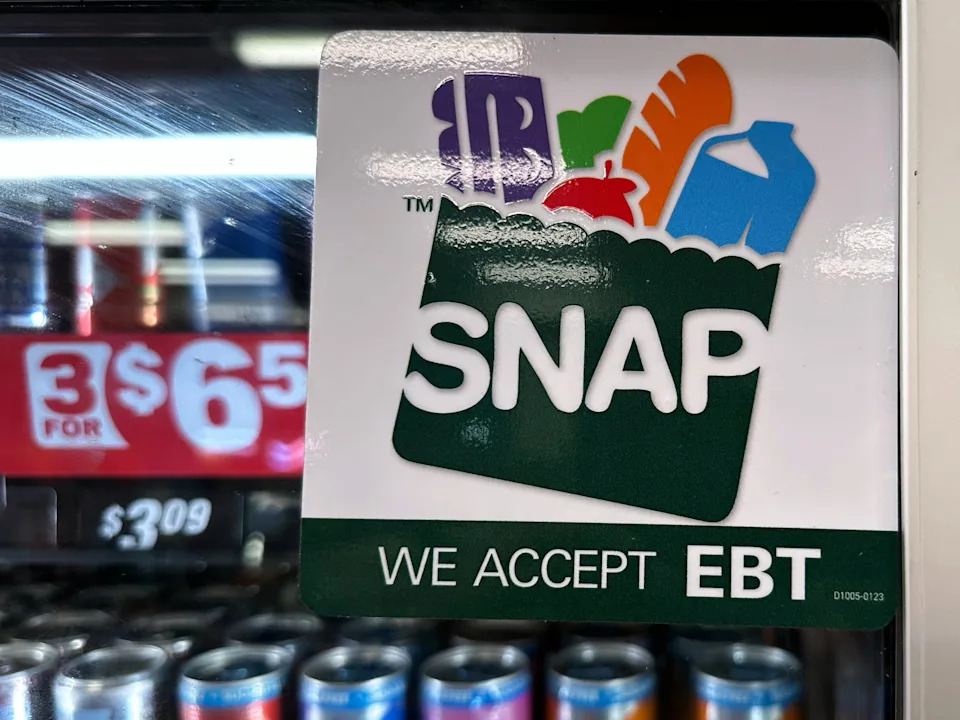
Nam Y. Huh/AP, FILE - PHOTO: In this Nov. 1, 2025, file photo, a SNAP EBT information sign is displayed at a gas station in Riverwoods, Ill.
Food bank leaders warn states like Arkansas could face severe economic fallout if SNAP enrollment continues to fall: one estimate cited a potential $1.2 billion negative economic impact in such a scenario.
Policy Debate and What’s Next
Advocates and food assistance organizations are urging Congress to pass a resolution to delay the cost shift so states can lower error rates without cutting eligible families off aid. Senate Agriculture Committee Chairman John Boozman has proposed a version of the farm bill that would delay the cost shift, but it has not cleared both chambers. Lawmakers return from the August recess on Sept. 14, narrowing the window to act before the Oct. 1 administrative cost change takes effect.
Voices From the Field
Food bank leaders, state officials and anti-hunger advocates emphasize the human toll. "These are people. They're not lines," said Jill Dixon of The Food Depot. Dottie Rosenbaum of CBPP called the speed and depth of the decline "especially alarming," noting rising reports of families forced to choose between rent and groceries.
Bottom line: The combination of new work requirements, stricter administration and an imminent state cost burden has already reduced SNAP participation by millions and shifted pressure onto food banks and state budgets. Without congressional action to delay or modify the cost shifts, advocates warn, the safety net for people facing hunger will remain at risk.
Help us improve.