Prime Minister Benjamin Netanyahu framed the Knesset race as a binary choice between Right and Left and mounted a sustained attack on Yashar leader Gadi Eisenkot, criticizing his military record and warning that an Eisenkot-led coalition would include left-leaning and Arab parties. Eisenkot replied with an edited image referencing the October 7 infiltrations. Netanyahu pledged proposed legislation to punish those who defame the IDF abroad, urged right-wing voters not to back small parties that might miss the electoral threshold, and highlighted recent military actions as central achievements.
Netanyahu Frames Election as Binary Choice, Launches Broad Attack on Gadi Eisenkot and Opponents
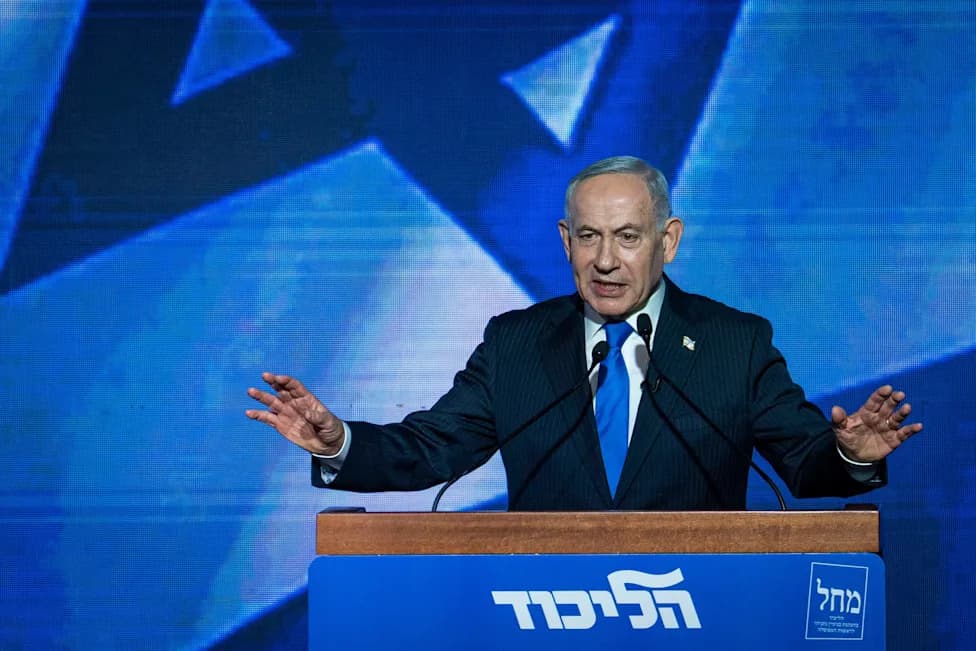
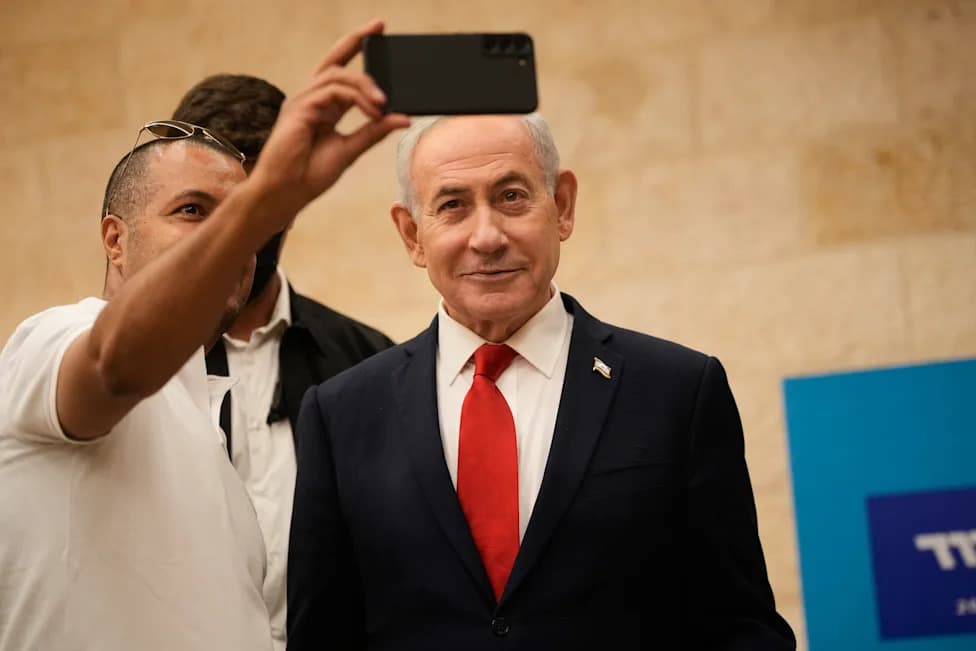
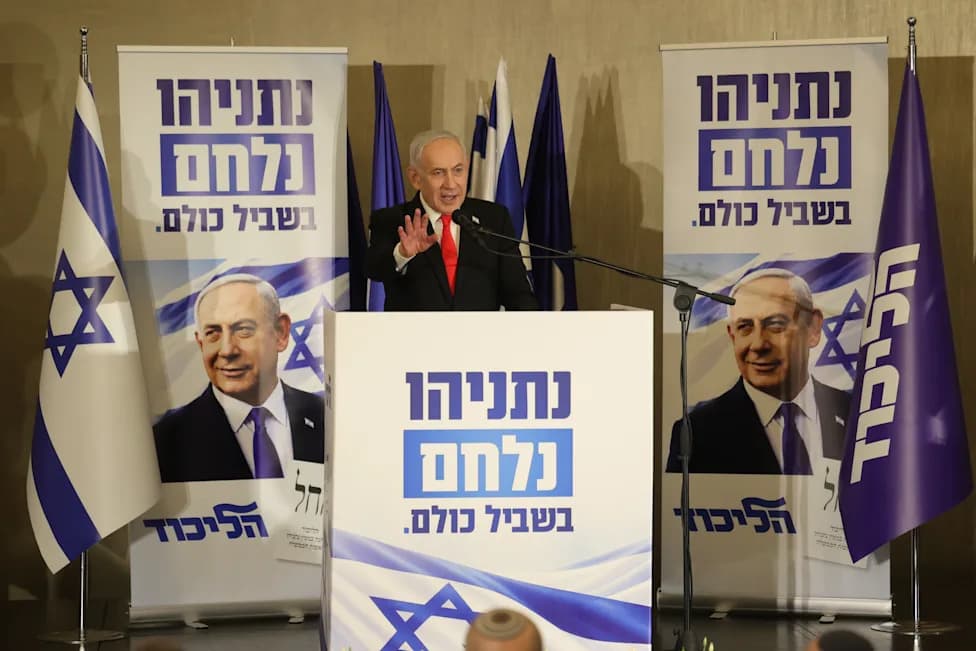
Prime Minister Benjamin Netanyahu attends a Likud election campaign event ahead of the upcoming general elections, in Tel Aviv, September 17, 2026. (photo credit: FLASH90)
Prime Minister Benjamin Netanyahu cast the upcoming Knesset election as a clear-cut choice between the political Right and Left and used a Likud rally in Tel Aviv to sharply criticize rival candidate Gadi Eisenkot and other political figures.
Netanyahu: "Either Left Or Right"
At the rally, Netanyahu framed the contest in binary terms: "I want to tell you what these elections are about. It is either Left or Right. That is the essence of the elections. Either Left or Right. There is no Yashar, it is a bluff." He insisted that he and his supporters represent the Right and rejected suggestions that rivals could convincingly claim that label.
Attack on Eisenkot and Coalition Warnings
A sizable portion of Netanyahu's remarks targeted Yashar party leader and former IDF chief of staff Gadi Eisenkot. Netanyahu criticized decisions Eisenkot made while head of the military and later as a cabinet member during the war, and warned that an Eisenkot-led government would include figures such as Yair Golan, Avigdor Lieberman, Naftali Bennett, Yair Lapid and Arab parties. According to Netanyahu, such a coalition would "cancel all our achievements," open the door to a Palestinian state and require withdrawals from strategic security zones.
Eisenkot's response: Eisenkot shared an edited image on social media showing Netanyahu pointing at a T-junction sign while a backdrop evoked Hamas militants crossing into southern Israel, an apparent reference to the October 7 infiltrations.
Legislative Moves and Citizenship Proposals
Netanyahu said he and Justice Minister Yariv Levin would advance legislation intended, in his words, to financially penalize people or organizations that defame the Israel Defense Forces abroad. He also addressed proposals related to revoking citizenship, without providing detailed legislative language at the rally.
Electoral Strategy and Voter Warnings
Addressing right-wing voters directly, Netanyahu warned against casting ballots for small parties that risk failing to reach the electoral threshold. "It is forbidden to vote for a party that does not pass the electoral threshold," he said, cautioning that transfers of votes could harm the broader right-wing bloc — a message aimed in part at Ofer Winter's People of Israel party.
Foreign Policy and Military Claims
On foreign relations, Netanyahu said an Israeli prime minister must be able to operate on the global stage and "mobilize our friends, first and foremost in the United States," while also knowing "how to say no when necessary." Much of his speech celebrated recent military actions. He said Israel had "changed the Middle East" since the war began and credited the armed forces with key achievements.
Netanyahu named what he described as successful strikes and operations, including actions he said led to the deaths of Hezbollah leader Hassan Nasrallah and Hamas leader Yahya Sinwar. He framed those operations and reported strikes in Iran as pivotal to preventing an existential threat, saying, "We saved the State of Israel from destruction," and asserting that Israel "did what no one dared to do for 47 years." These are the prime minister's claims and have been presented as such.
He also recalled an operation two years earlier against Hezbollah's pager communications and referred to Israeli actions in Lebanon and Syria, including steps he said protected the Druze community in Syria. Netanyahu framed these security actions as proof that a right-wing government better defends Israel's security.
Closing Appeal
Concluding his remarks, Netanyahu urged supporters to continue campaigning and described broader goals—such as weakening Iran's regime and dismantling Hezbollah and Hamas—as tasks Israel must pursue to ensure long-term safety. The rally mixed electoral strategy, legislative promises and a reiteration of national security themes central to Netanyahu's campaign.
Reporting contributed by James Genn. Attribution preserved for original reporting.
Help us improve.