Three years after the Oct. 7, 2023, Hamas-led assault, survivors and relatives reflected on the violence and its lasting impact. Nova festival survivor Ron Segev described fleeing rockets and gunfire, ultimately arriving at Soroka Hospital with 12 people after four hours. British-Israeli Ahal Besorai spoke of losing his sister and the grief of relatives whose children were held hostage for more than 50 days. Both men emphasized life's fragility and the ongoing effort to preserve an accurate international account of the attack.
Three Years After Oct. 7, Nova Festival Survivors Recall Horror: "I Remember This Day Like It Happened Yesterday"
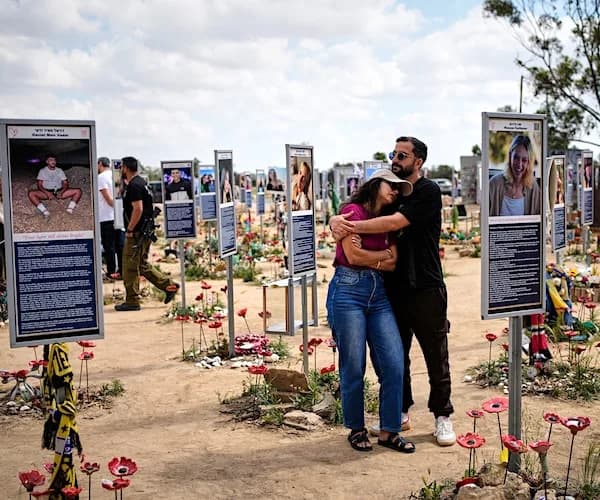
People mark Israel's annual Memorial Day at the site of the Nova music festival, where hundreds of revelers were killed and abducted in the Oct. 7, 2023, Hamas attack, near Kibbutz Reim in southern Israel, April 21. (Ohad Zwigenberg/AP)
Three years after the Oct. 7, 2023, Hamas-led assault, survivors of the Nova music festival massacre and relatives of victims spoke Saturday about the enduring trauma and their efforts to preserve an accurate record of that day.
Survivor Recounts Flight From Gunfire
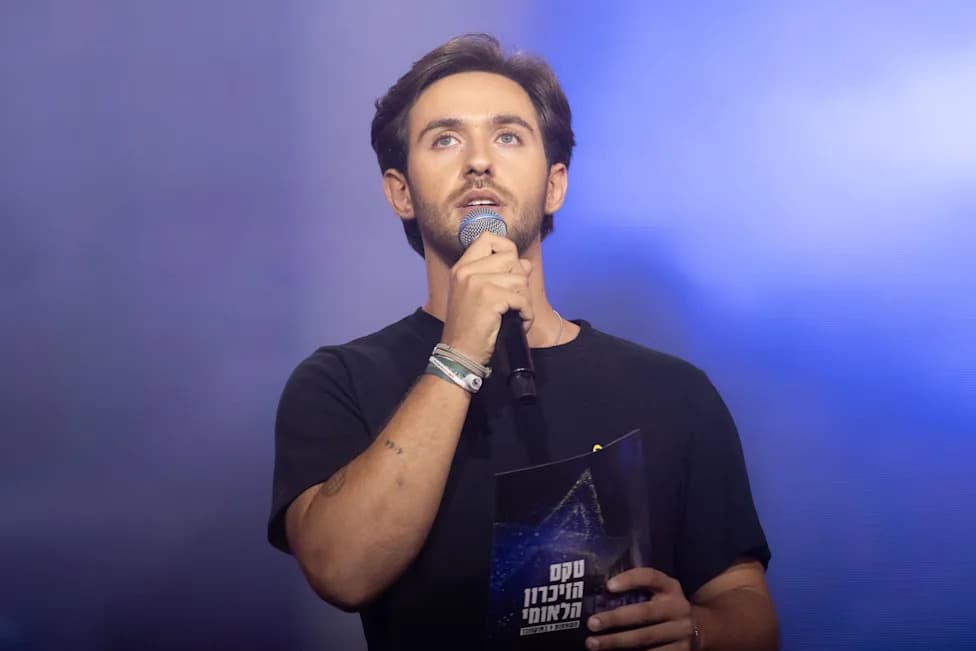
On Newsmax's "America Right Now," Nova festival survivor Ron Segev described being at the event with his brother and friends when the attack began. The Oct. 7 assault killed nearly 1,200 people in Israel and resulted in more than 250 hostages being taken.
"I remember this day like it happened yesterday," Segev said. He recalled that "everything changed in a second," and that the sky "turned from clear blue to gray" as rockets fell.
Segev said his group first sought shelter, then heard gunfire and tried to escape. Trapped in traffic, they abandoned their vehicle and ran on foot. He described more than two hours of running with bullets "flying everywhere" and three close encounters with attackers.
"At this moment, like many other moments, you think you're not going to survive it," he said. "I said to myself, 'I'm not going to wait for them to come and kill me. I'm going to try and get out of it.'"
Segev and his brother later found an idling, abandoned vehicle and began gathering other survivors. "We drove back towards the fire to look for our friends, and eventually, we found them," he said. "After four hours, we arrived at Soroka Hospital with 12 people in the car."
Family Grief and Long-Term Impact
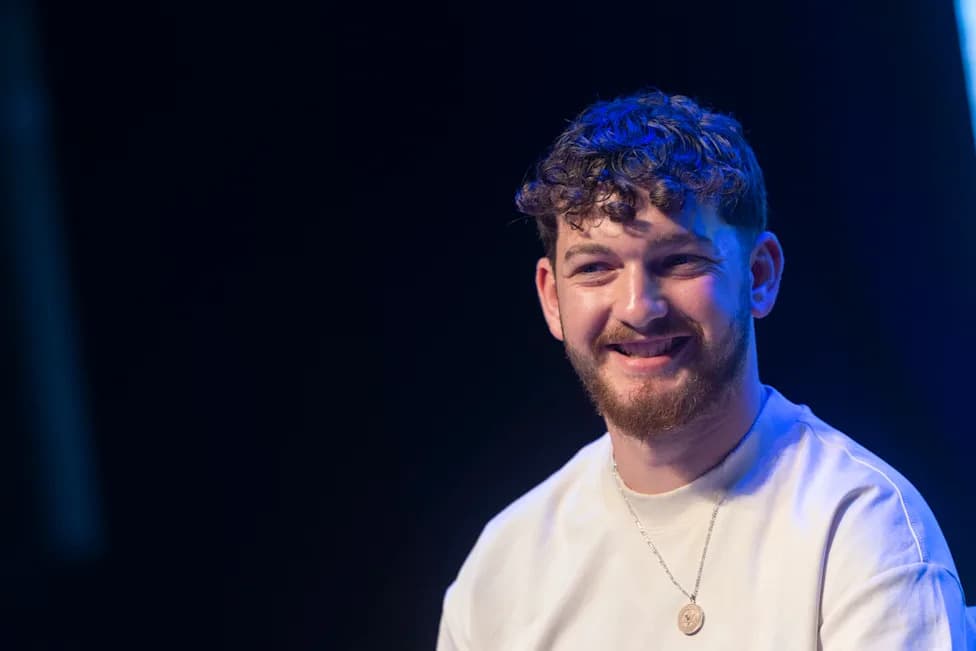
Ahal Besorai, a British-Israeli relative of victims, described the ongoing grief in his family. His sister was killed in the attack; her husband was also killed and his remains were taken to Gaza; their two children were abducted and later released after more than 50 days.
"I perceive grief as an ocean," Besorai said. "Sometimes it is stormy and something triggers me and I can cry; sometimes it is calm and I don't think about it."
Besorai said his deepest sorrow is for the children, who now must grow up without parents, and for his 90-year-old father, who had to bury his younger daughter. He also reflected on how the violence changed his outlook; as a teenager in Kibbutz Be'eri he used to wish on falling stars for peace, but that hope has since shifted toward vigilance and resilience.
Preserving the Record
Both men emphasized the fragility of life and the ongoing struggle to ensure international understanding of what happened. Segev said Israelis are fighting a parallel battle over how the events of Oct. 7 are portrayed abroad: "We know what happened and we are trying to share it with the world... We will never give up." Besorai stressed the need to communicate "the true narrative" that Israel is a country seeking peace and coexistence, even as families continue to grieve and rebuild.
The survivors' accounts underscore the immediate human toll of the attack and the long-term emotional and societal consequences that continue to affect families and communities today.
Help us improve.