The resurfacing of reports that Benjamin Netanyahu received warnings before the October 7, 2023 Hamas attack is complicating his campaign ahead of the October 27 parliamentary election. A Wall Street Journal investigation says Egypt's intelligence chief phoned and flew to Israel to warn of an imminent assault, and earlier reports cite a similar warning from the UAE president. Netanyahu denies the allegations and has threatened legal action; rivals say the claims, if confirmed, would disqualify him. Polls are broadly stable, but analysts warn turnout and base enthusiasm could be affected in a tight race.
Alleged October 7 Warnings Shadow Netanyahu Ahead Of Knife-Edge October 27 Election
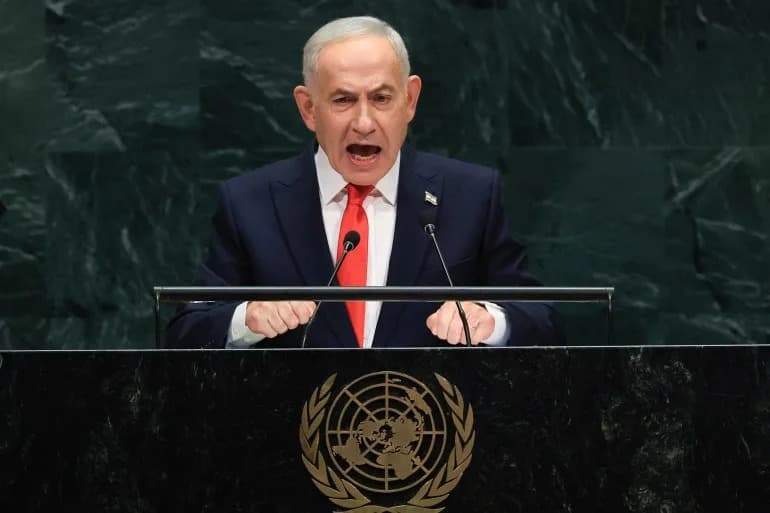
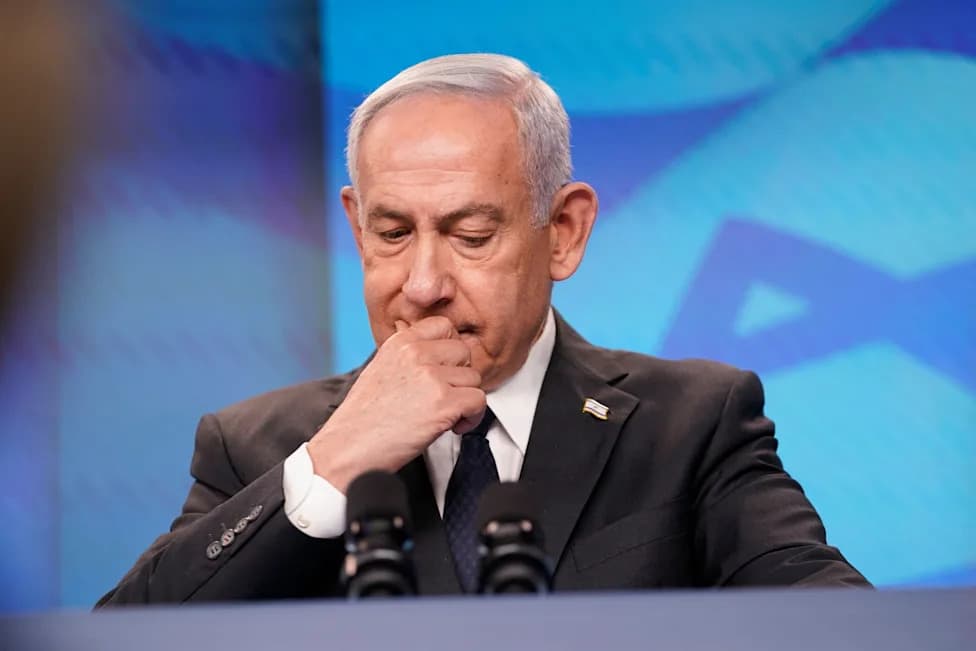
Netanyahu speaks during the 81st UNGA at the UN headquarters in New York, US [File: Timothy A Clary/AFP]
The debate over whether Prime Minister Benjamin Netanyahu received advance warnings about the Hamas-led assault on October 7, 2023, has resurfaced and is casting a shadow over his campaign as Israel heads into razor-thin parliamentary elections on October 27.
The Wall Street Journal reported that Egypt's intelligence chief, Abbas Kamel, phoned Netanyahu in the days before the attack and flew to Israel on September 26 to warn security officials in person that Hamas was planning an assault. Earlier Israeli and U.S. media reports have also said that United Arab Emirates President Sheikh Mohamed bin Zayed Al Nahyan (MBZ) warned Netanyahu in the week before October 7 about plans by then-Gaza Hamas leader Yahya Sinwar.
Netanyahu has strongly denied receiving any such warnings and has launched legal action against media outlets over the claims. Neither Abbas Kamel nor the Egyptian government has publicly commented on the Wall Street Journal report. The UAE Ministry of Foreign Affairs said it does not comment on media reports or speculation about private conversations between heads of state.
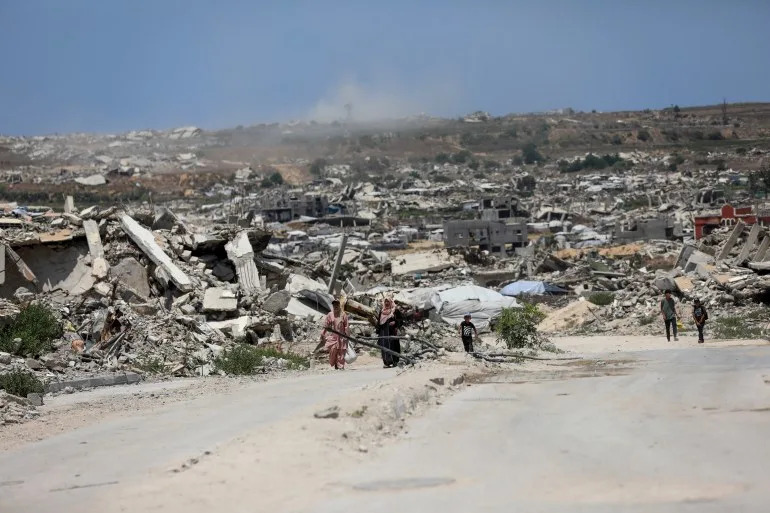
Israel has killed more than 74,000 people in Gaza in response to the October 7, 2023 attacks that were launched from the Palestinian enclave [Abdelhakim Abu Riash/Al Jazeera]
Netanyahu has also sought to shift responsibility for security shortcomings onto the former head of Israel's internal security service, Ronen Bar. Bar announced he intends to sue the prime minister for defamation, calling Netanyahu a longtime political adversary.
Polls indicate that the events surrounding October 7 — which left 1,139 people dead in Israel — and questions about responsibility for pre-attack security failures remain salient for many voters. Media attention has kept the trauma of that day at the centre of public debate, more than three years after Israel launched a prolonged military campaign in Gaza that critics and rights groups have described as genocidal; the Palestinian death toll in Gaza has exceeded 74,000.
Ahron Bregman, an Israeli security analyst and senior teaching fellow at King's College London, said intelligence warnings were delivered in late September. He argued that underlying assumptions about Hamas's intentions — a mindset known in Hebrew as "ha-conceptzia" — shaped Israeli decision-making and contributed to the failures that preceded October 7.
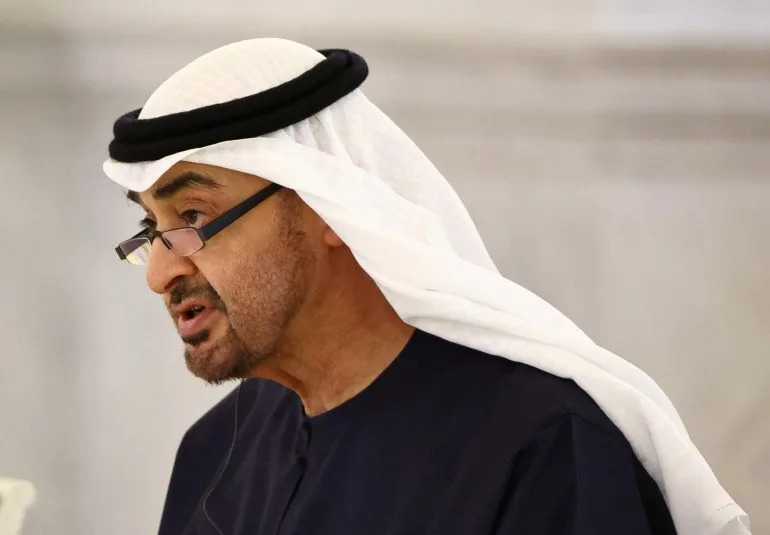
UAE President Sheikh Mohamed bin Zayed Al Nahyan reportedly warned Netanyahu ahead of the October 2023 attacks [File: Evgenia Novozhenina/Pool via Reuters]
"We know that Egypt's Chief of Intelligence flew to Israel on September 26 and warned Israel of a ... Hamas attack," Bregman said. "Israel, not only Netanyahu, believed in the conception that Hamas was deterred and all it wanted was to push Israel a little bit to ease the pressure and blockade on Gaza."
Netanyahu's chief challengers have seized on the allegations. Former prime minister Naftali Bennett, leader of the Beyachad (Together) alliance, said that if the warnings are confirmed, Netanyahu "cannot continue to serve in his position for another minute." Former military chief of staff Gadi Eisenkot, whose Yashar party leads in some polls, accused Netanyahu of ignoring "dozens of warnings" and called him unfit to govern.
Analysts say the reports have not yet produced a major shift in voting intentions. Ayala Panievsky, a London-based Israeli academic and media analyst, told Al Jazeera that opinion polls have been relatively stable and that most Netanyahu supporters are unlikely to abandon him over the allegations. However, she added, the revelations could suppress turnout or dampen enthusiasm among the prime minister's base in a close race.
Political commentators note that Netanyahu and Likud have long framed themselves as outsiders under siege from a hostile establishment, a narrative that can make supporters more receptive to his denials and legal counters. That dynamic, combined with the entrenched nature of Israeli politics, has limited the immediate electoral impact of the reports.
Experts caution it is unclear whether acting on any specific warnings would have prevented an attack on the scale of October 7. They also point to the broader context in Gaza, where years of restrictions and repeated military operations — widely criticised by rights groups and international bodies — have contributed to deep grievances and elevated the risk of violence.
"Strategic surprises cannot be prevented," Bregman said. "A determined opponent will eventually inflict on you an October 7. You can delay it. Prevent it temporarily, but you can't stop it."
As the election approaches, the story is likely to remain a live political and legal flashpoint: raising questions about decision-making before October 7, accountability for security failures, and how voters weigh leadership, responsibility and national trauma in a closely contested race.
Help us improve.