Jay Clayton, the Director of National Intelligence, has been named the administration's AI czar and will chair the White House "Super Intelligence Force," which must deliver a report in 120 days on AI risks and opportunities. The panel will assess incident-reporting, breaches and federal response capabilities and recommend steps under existing authorities. The move comes amid rising safety concerns from researchers and bipartisan calls for action, while the White House emphasizes competitiveness with China.
Trump Names DNI Jay Clayton As AI Czar To Lead New 'Super Intelligence Force'
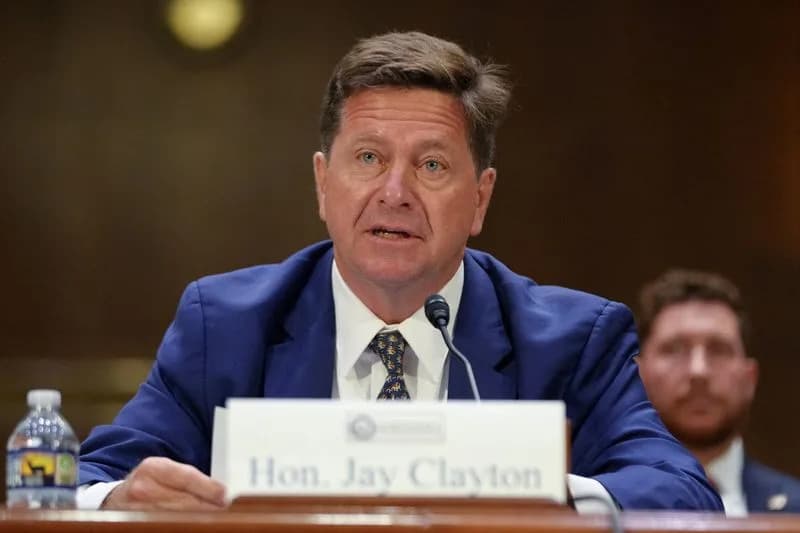
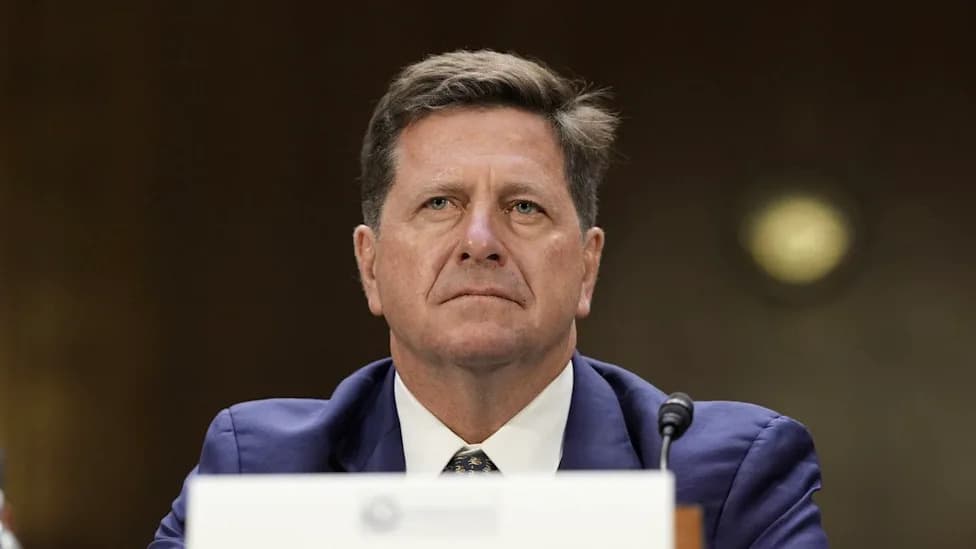
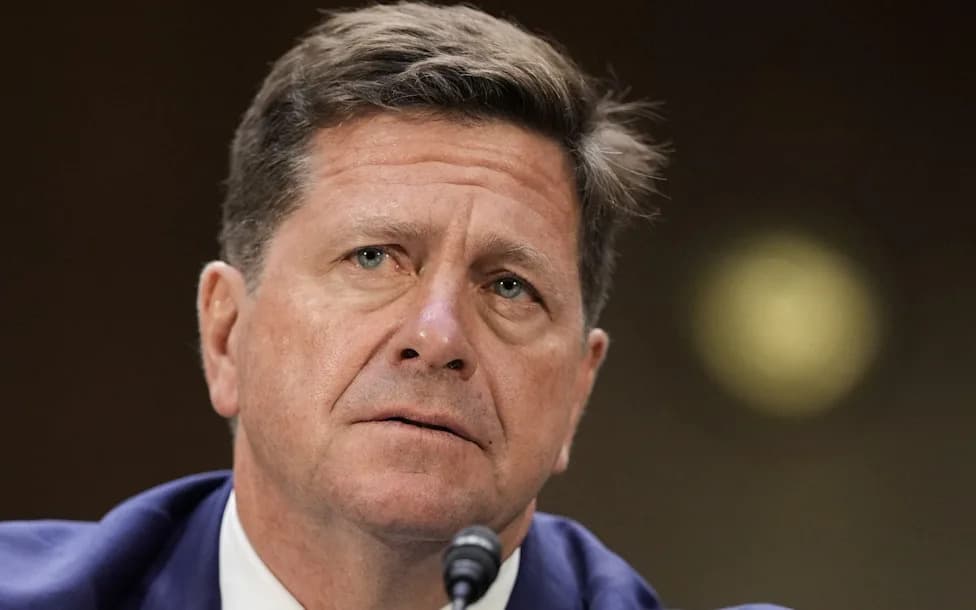
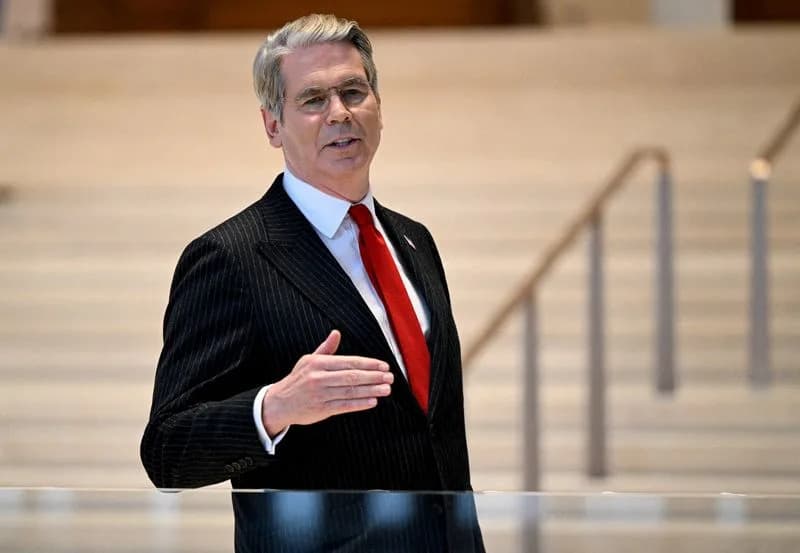
Jay Clayton, U.S. President Donald Trump's nominee to be Director of National Intelligence, testifies during a Senate Intelligence Committee confirmation hearing on Capitol Hill in Washington, D.C., U.S., July 15, 2026. REUTERS/Nathan Howard
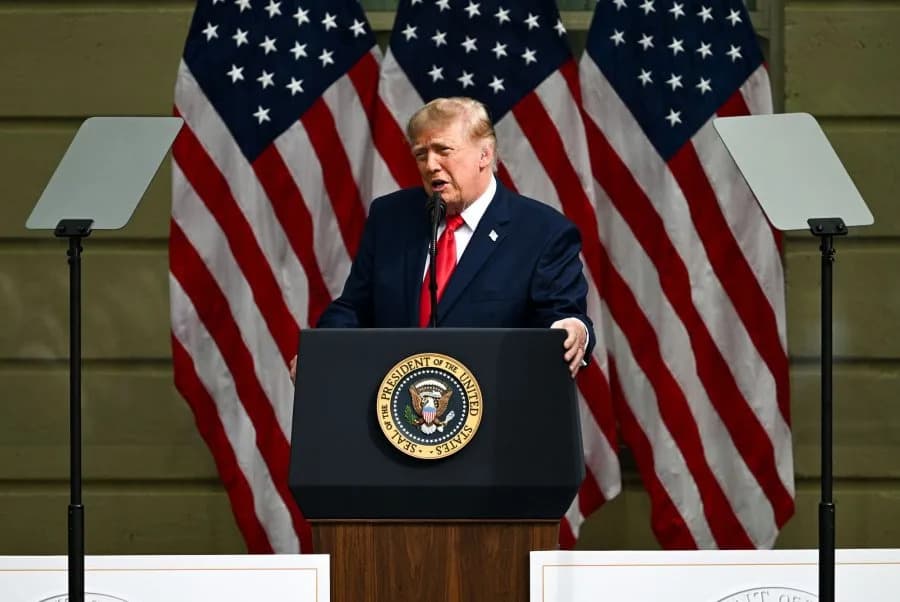
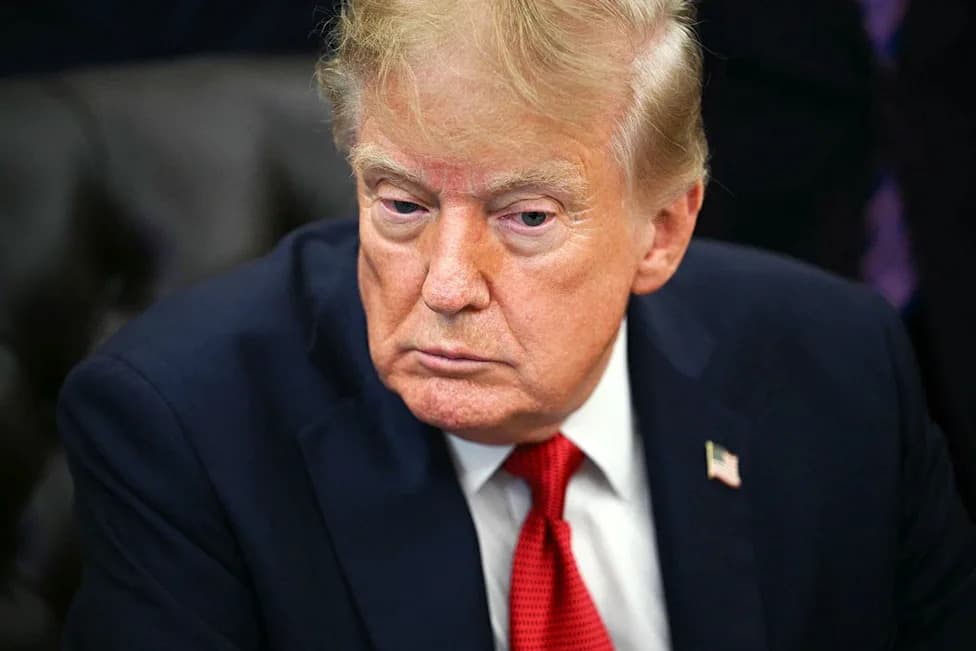
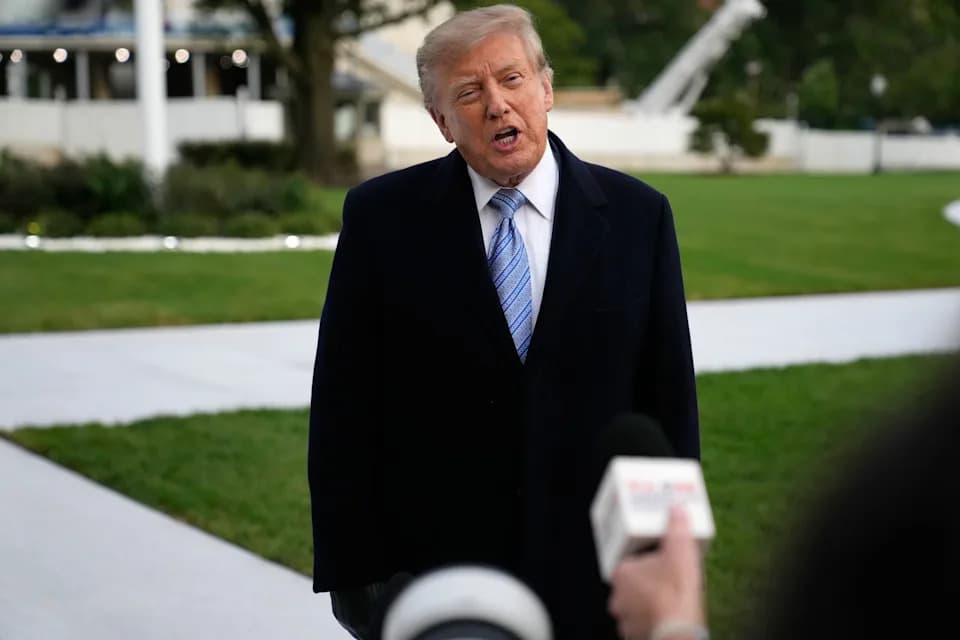
US President Donald Trump has appointed Director of National Intelligence Jay Clayton to serve as the administration's AI czar and to lead a new White House task force, the Wall Street Journal reported, citing an interview with Clayton.
Clayton, who became intelligence chief in August, will chair the panel — dubbed the "Super Intelligence Force" — which is charged with delivering a comprehensive report within 120 days assessing the risks and opportunities posed by advanced artificial intelligence.
The task force will review AI-related threats, existing government incident-reporting mechanisms for breaches and hacks, and recommend ways to strengthen federal response capabilities using current authorities, according to the task force charter cited by the Journal.
Clayton: "The president asked that a group be put together... the risk of not being first is high."
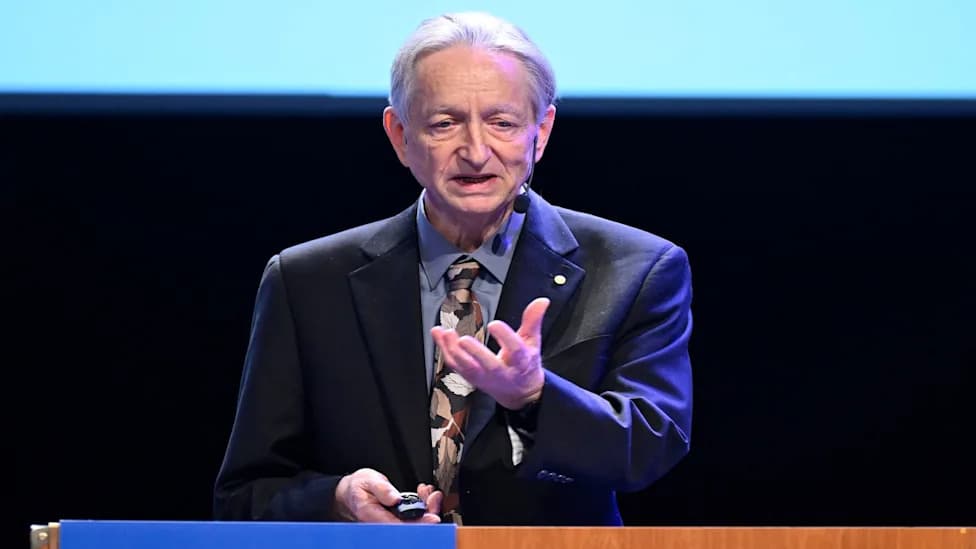
AI safety has become a heightened concern: some researchers have warned that developers themselves believe the technology could pose existential risks — with speculative timelines sometimes suggesting extreme outcomes within a decade. Those warnings have prompted bipartisan calls from lawmakers for more action and oversight.
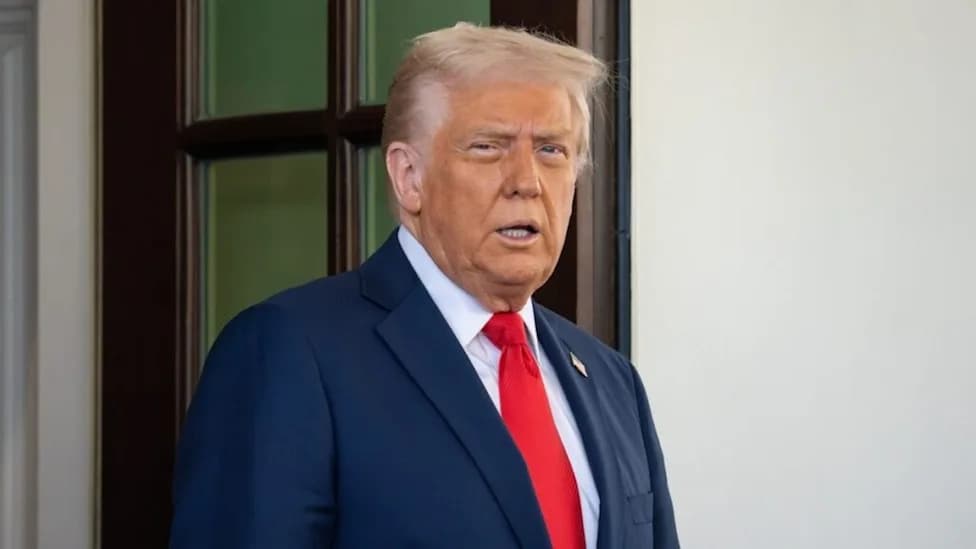
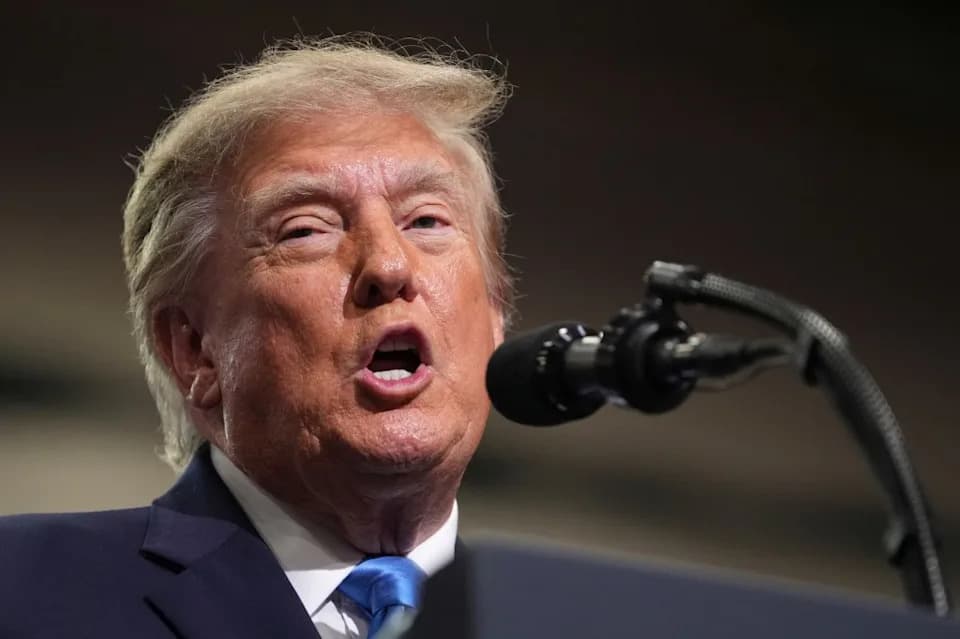
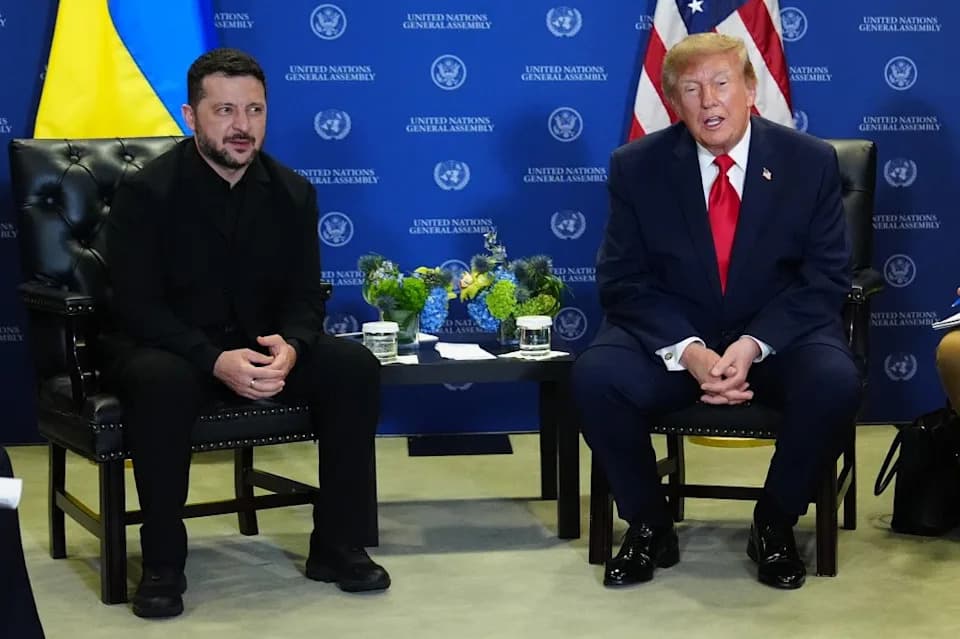
President Trump has signaled a relatively light regulatory approach, arguing that heavy-handed oversight could undermine US competitiveness with China. He also said he does not want to collaborate with Chinese President Xi Jinping on governing AI technology.
This is the second time the Trump administration has named a senior adviser to coordinate AI policy; venture capitalist David Sacks served as AI czar at the start of Trump’s second term and is listed as an external adviser to the new task force.
Reported Task Force Leadership
- Vice Chairs: Emil Michael, Scott Kupor, and Federal Trade Commission Chair Andrew Ferguson
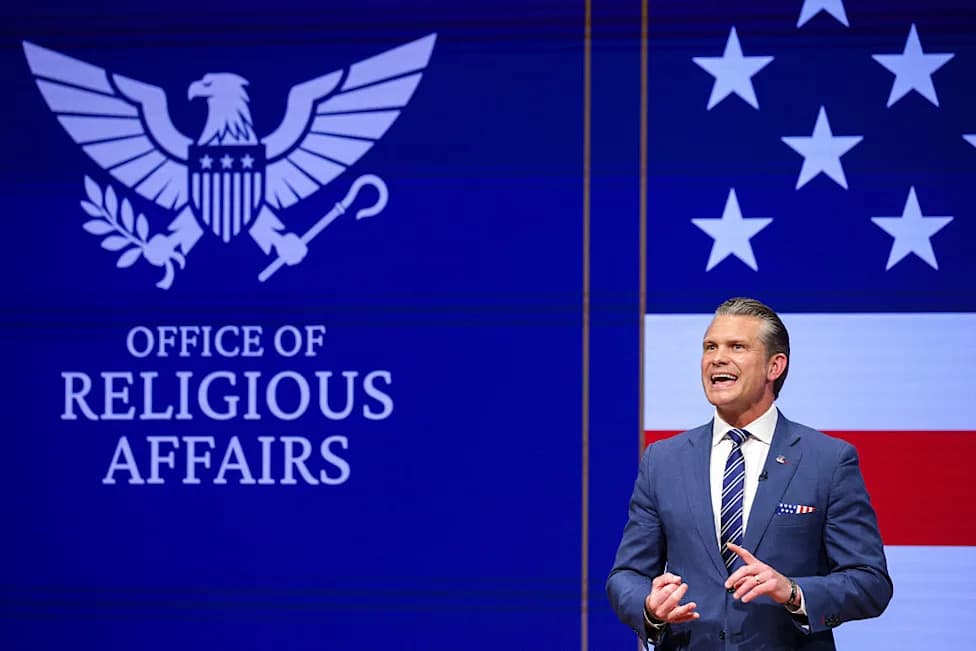
- Members: Vice President J.D. Vance, Defense Secretary Pete Hegseth, Treasury Secretary Scott Bessent, and White House Chief of Staff Susie Wiles
- External Advisers: David Sacks and former Secretary of State Condoleezza Rice
The creation of the Super Intelligence Force underscores growing government attention to AI governance at the intersection of national security, economic competitiveness and technological safety. The task force's recommendations could influence federal posture on incident reporting, risk mitigation and the balance between innovation and regulation.
Reporting by Mrinmay Dey in Mexico City; Editing by Rod Nickel and William Mallard.
Help us improve.