As crime tops Brazil's Oct. 4 election agenda, some voters and candidates are calling for a Bukele-style hardline security approach. Flavio Bolsonaro backs mass arrests, mega-prisons and terror designations for gangs, while President Lula favors targeting criminal finances. Supporters argue harsh measures are needed to curb rampant street and organized crime; critics and rights groups warn of increased impunity, civilian deaths and weakened democratic safeguards.
Brazil Eyes Bukele-Style Crackdown as Crime Tops Election Agenda
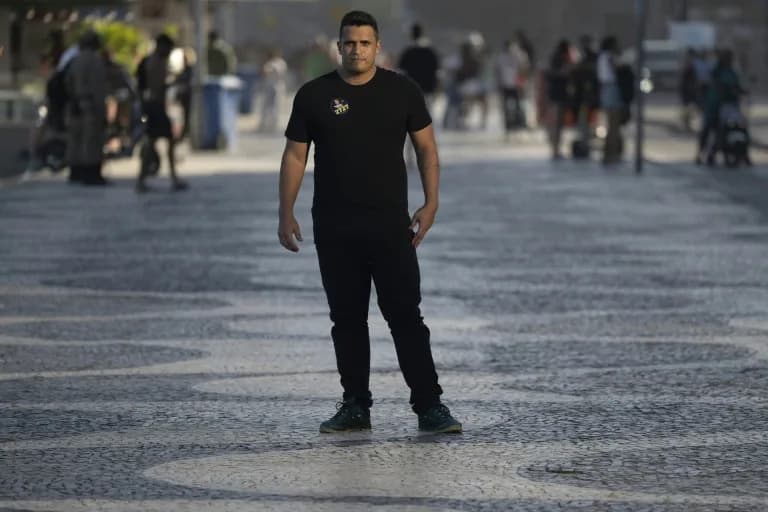
William Correia dreams of Brazil adopting El Salvador President Nayib Bukele's hardline approach to crime (Pablo PORCIUNCULA)
Fed up with repeated muggings in Copacabana, 39-year-old martial arts instructor William Correia founded a volunteer patrol to monitor streets and post robbery reports on social media. He says he wants Brazil to adopt the hardline crime strategy used by El Salvador's President Nayib Bukele.
Crime Dominates Voter Concerns
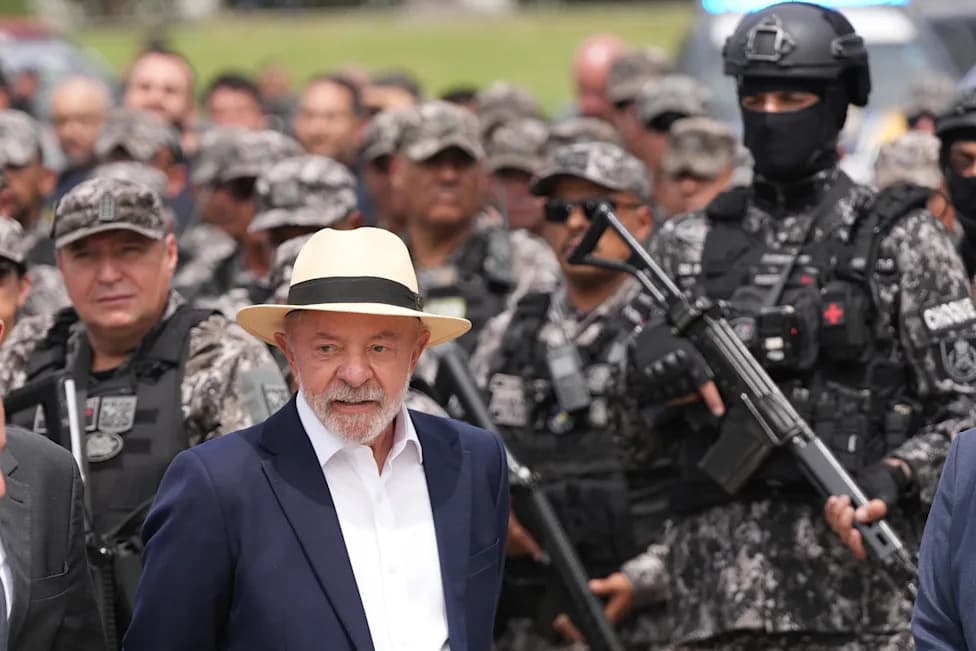
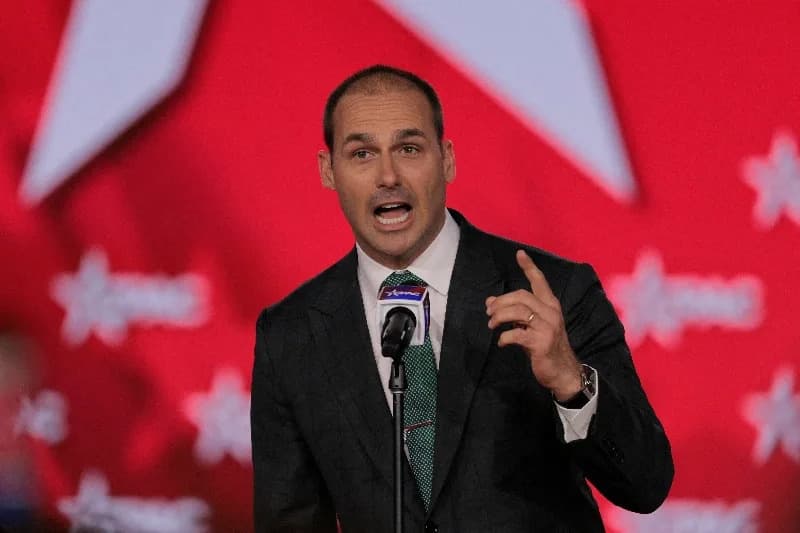
Public anxiety over crime and insecurity has become the defining issue in the run-up to Brazil's Oct. 4 election. Right-wing candidate Flavio Bolsonaro — son of jailed former president Jair Bolsonaro — has embraced the Salvadoran model, promising measures such as mega-prisons and naming major gang factions as terrorist organizations.
What Bukele's Model Entails
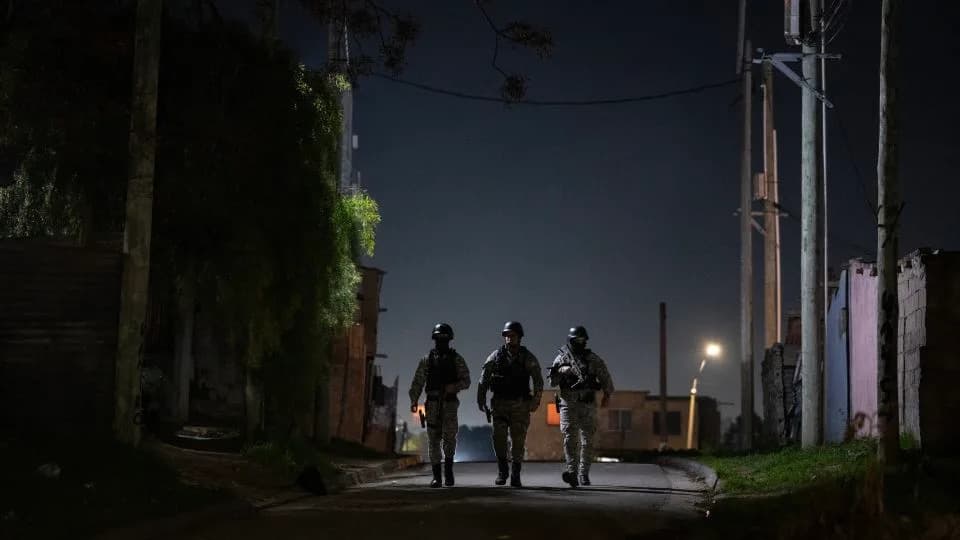
Bukele's approach in El Salvador, implemented under a state of emergency, has coincided with sharp declines in homicides and visible reductions in gang activity. His tactics include mass arrests and large-scale incarceration, measures that supporters credit for restoring order.
Human Rights Concerns
Human rights groups and critics warn that the Bukele model risks arbitrary detentions, torture and deaths in custody. Many Brazilians equally fear that a heavy-handed security strategy could amplify existing police impunity and produce tragic civilian casualties.
"It's like cancer. Chemotherapy is bad for the body, but it works against the disease," Correia said, arguing that severe measures are necessary to stop rampant street crime.
Voices From the Street
Taxi driver Wallace Ferreira, 53, says "Brazilian law protects criminals, not law-abiding citizens," and stopped night shifts after a colleague was ambushed. By contrast, Sonia Bonfim Vicente recounts the cost of aggressive policing: a bullet that wounded her young daughter in 2018 and the deaths of her husband and 17-year-old son in a later operation — incidents she says remain contested in court.
Experts Warn of Mismatch
Robert Muggah of the Igarape Institute cautions that Brazil's criminal ecosystem is more complex than El Salvador's. Salvadoran gangs relied heavily on territorial extortion; Brazil's largest factions, the Comando Vermelho and the Primeiro Comando da Capital (PCC), operate across borders and launder money through legitimate businesses and financial networks — challenges that may limit the effectiveness of a straightforward security crackdown.
Where Candidates Stand
Flavio Bolsonaro has made the Bukele-style turnaround a central campaign theme, while President Luiz Inacio Lula da Silva emphasizes "financial suffocation" — targeting criminal assets and money-laundering networks rather than broad mass-arrest campaigns. Recent polls show strong public support for tougher penalties: 88% favor harsher sentences and 79% support lowering the age of criminal responsibility.
With the election looming and polls showing a tight race between Lula and Bolsonaro, the debate over security strategy — and the balance between public safety and human rights — is likely to remain central to Brazil's political outlook.
Help us improve.