Summary: This article traces how West Point’s Cadet Honor Code—established to instill virtue—sometimes produced the opposite effect: a system that encouraged concealment and tactical honesty to protect institutional image. Michael Rose’s 1973 investigation exposed biased honor boards, abusive interrogations, and vague rules that punished candor. Combined with Vietnam-era leadership failures and repeated academy cheating scandals, these dynamics helped normalize deception. The piece argues reforms should emphasize fair procedures, clearer standards, and ethical education throughout military careers.
How West Point’s Honor Code Helped Institutionalize Deception in the U.S. Military
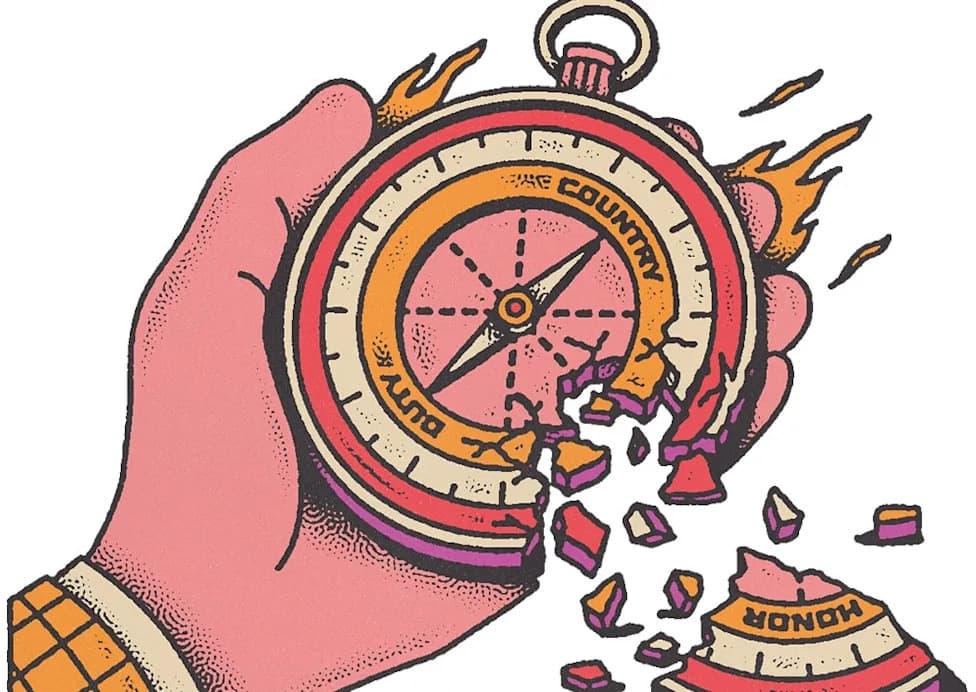
West Point's honor code promised integrity. Jasper Craven traces how it produced secrecy, hazing, and a military culture better at protecting itself than telling the truth. (Rakhmat Jaka Perkasa /Jacobin)
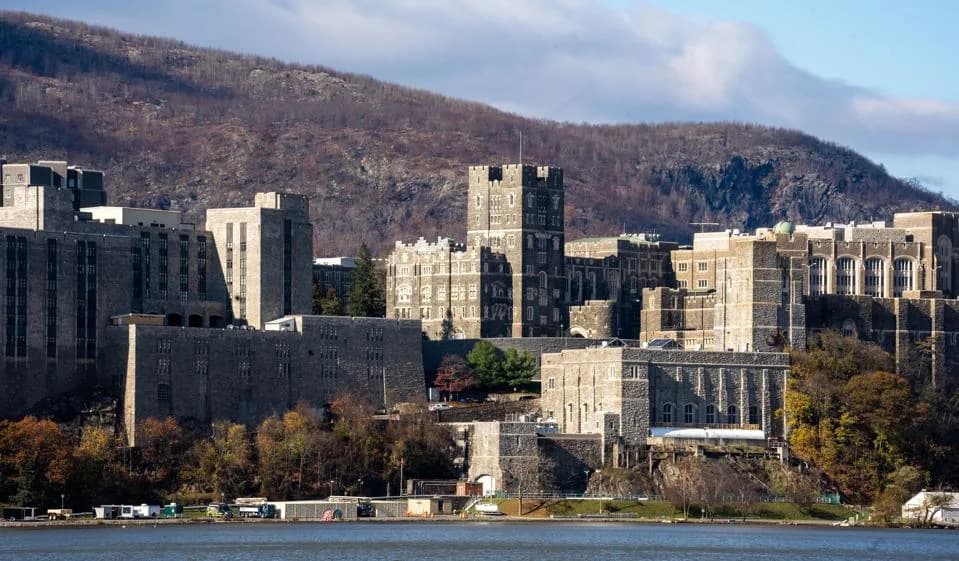
On May 12, 1962, Gen. Douglas MacArthur entered West Point’s mess hall and offered an impassioned farewell to more than two thousand cadets, warning of the corrosion of the soldier’s spirit. The superintendent who had once shaped the academy around the motto "Duty, Honor, Country," MacArthur had introduced an honor code and honor boards intended to deter misconduct and cultivate moral leadership. But over subsequent decades, that ideal often produced unintended and corrosive results.
From High Ideals To Rigid Rules
MacArthur’s reforms—reducing hazing, expanding academic freedom, strengthening the humanities, and even allowing access to daily newspapers—sought to create well-rounded officers. Yet “honor,” strictly construed, came to mean fidelity to institutional norms rather than an open commitment to honesty and accountability. When institutional rules become ends in themselves, compliance can eclipse conscience.
Michael Rose’s Investigation
In 1973 Captain Michael Rose published A Prayer for Relief, a 253-page examination of the Cadet Honor Code and its enforcement across America’s military schools. After months of interviews at all five service academies (and programs such as VMI and The Citadel), Rose concluded that the academy system often incentivized concealment and retaliation rather than candor. He documented deeply troubling practices: biased honor-board hearings, interrogators turning off recorders, sleep deprivation, forced haircuts, and explicit threats—tactics some cadets likened to mock prisoner-of-war interrogations.
"Deceit and deception are 'standard operating procedure' when the image of West Point or the Army is at stake," Rose reported, citing numerous cadet testimonies and in-house psychiatrists.
Vague Rules, Perverse Incentives
Many infractions listed in the cadet manual (the Blue Book) were vague—"general inattention," "carelessness," or "poor judgment"—allowing enforcement to become arbitrary and personal. Cadets could be punished for asking a peer to spell a word, for small miscounts in physical training, or even for admitting their own mistakes. That produced a bitter paradox: honesty could lead to punishment, while silence or evasion sometimes produced better outcomes.
Broader Consequences: Vietnam And Cheating Scandals
These institutional pathologies did not exist in isolation. During the Vietnam era, leaders at the highest levels were implicated in falsified reports and cover-ups—factors that eroded faith in institutional truth-telling. Repeated cheating scandals at the service academies (major outbreaks in 1951, 1967, 1972, and a massive West Point scandal in 1976) underscored how cultural pressures and narrow definitions of honor could warp behavior.
Postwar Denial And Narratives Of Victimhood
After Vietnam, much of the Pentagon resisted public reckoning. Movements such as POW-MIA offered alternative narratives that sometimes reframed the United States as a principal victim of the conflict. Debates about historical memory and symbols—illustrated by controversies over monuments and institutional memory—further complicated efforts to rebuild institutional trust.
Contemporary Echoes
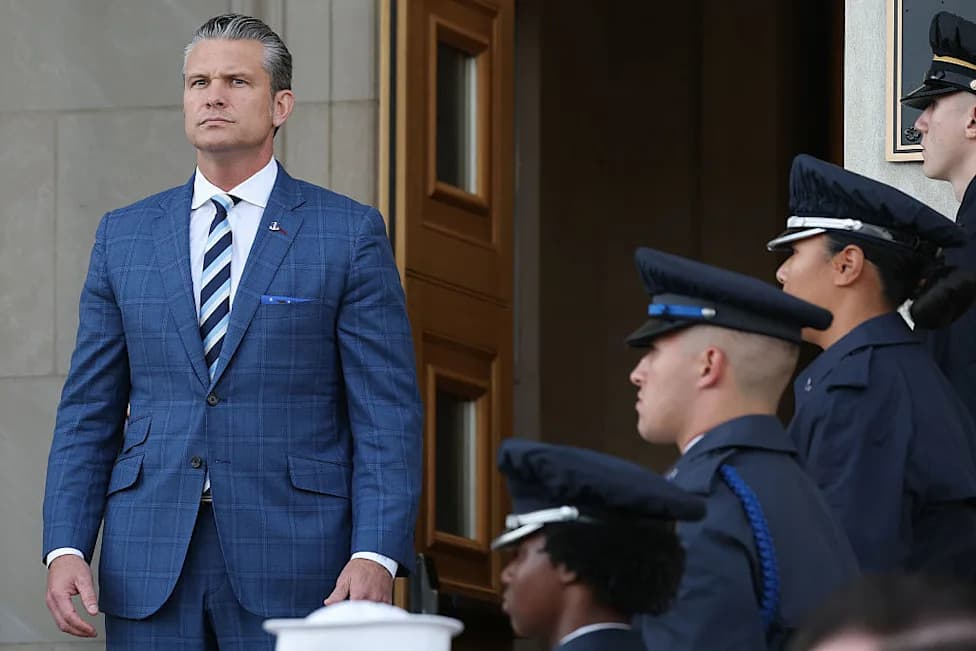
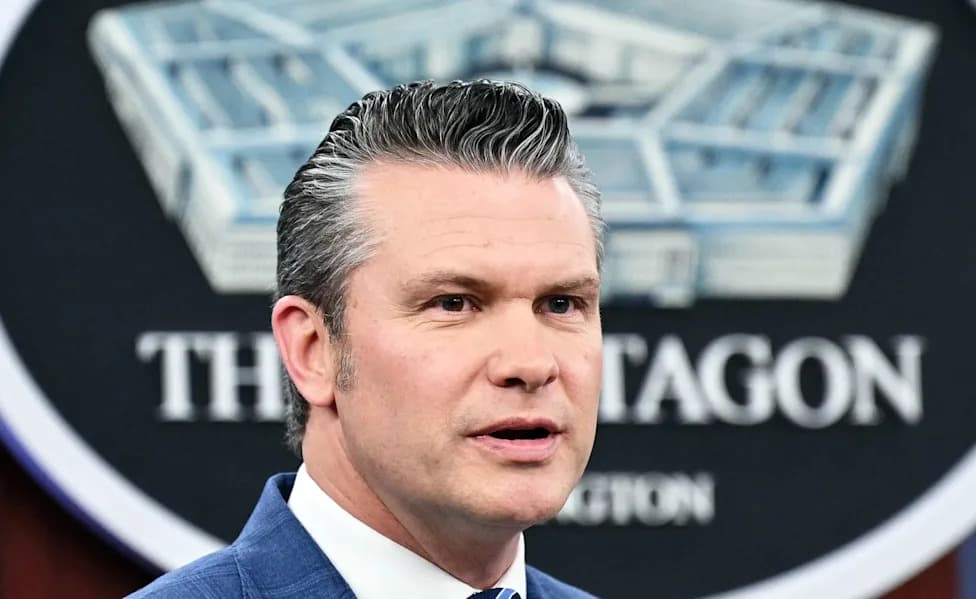
Recent public figures have continued to repurpose rhetoric about honor while also reshaping Pentagon culture. The article describes Defense Secretary Pete Hegseth (and others) using honor as a touchstone while pursuing policies and personnel decisions that critics say have curtailed academic freedom and shifted priorities within the military. Some specific actions attributed to modern leaders are reported in partisan sources and have been contested; where possible, accounts are framed as reported developments or critiques.
What This History Suggests
The story of West Point’s honor code is not simply one of noble ideals corrupted by bad actors. It is a cautionary tale about how institutional definitions of virtue—if excessively rigid, selectively enforced, or subordinated to image protection—can teach people to conceal, evade, and prioritize institutional reputation over truth. The remedy requires more than rhetorical appeals to "honor": clearer rules, fair processes, ethical education integrated across a career, and leaders willing to accept accountability.
Note: This article originally appeared in Jacobin and includes reporting and interpretation from that source. Some contemporary claims about individual officials are reported from partisan or investigative accounts and reflect contested narratives.
Help us improve.