Short Version: In August, the Pentagon administered polygraph tests to scores of military and civilian personnel while probing leaks about falling munitions stocks. Reports say roughly 50 Joint Staff members and several dozen others were tested; CSIS estimated Patriot interceptors under 1,000 and THAAD around 250. The polygraphs aimed to identify leakers and deter future disclosures, but experts warn polygraphs are imperfect and risk chilling frank internal discussion.
What the Pentagon’s Widespread Polygraph Drive Revealed About Munitions Leaks and Internal Trust
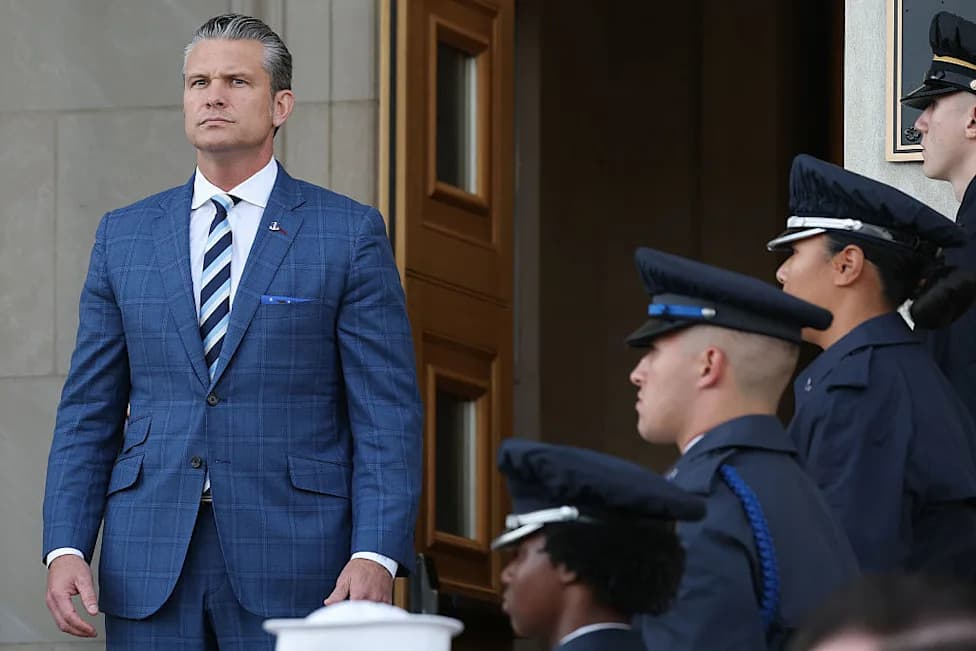
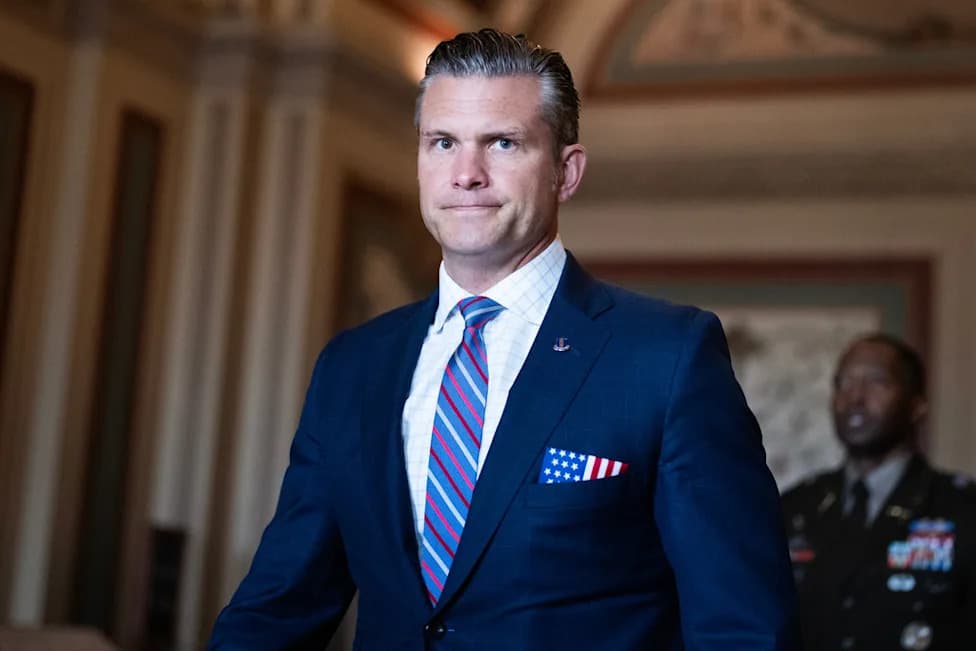
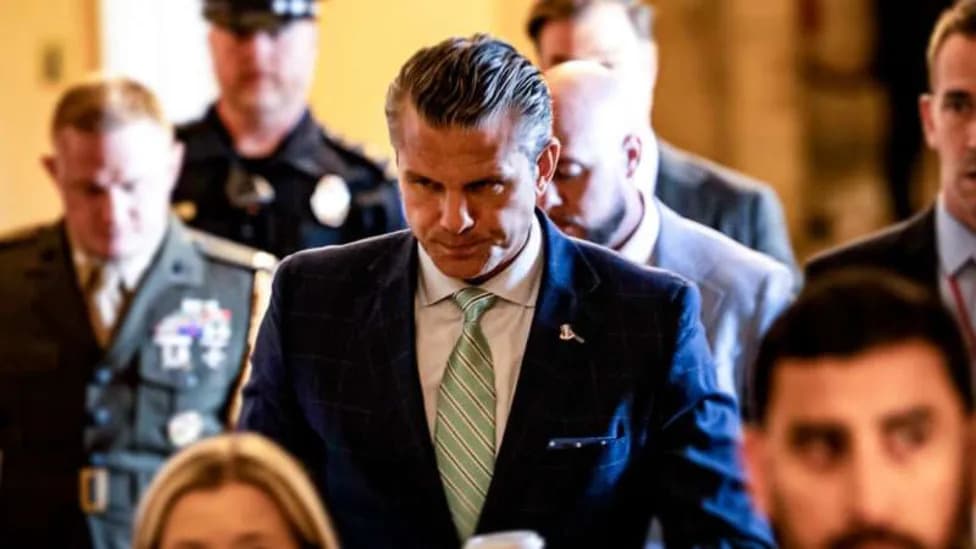
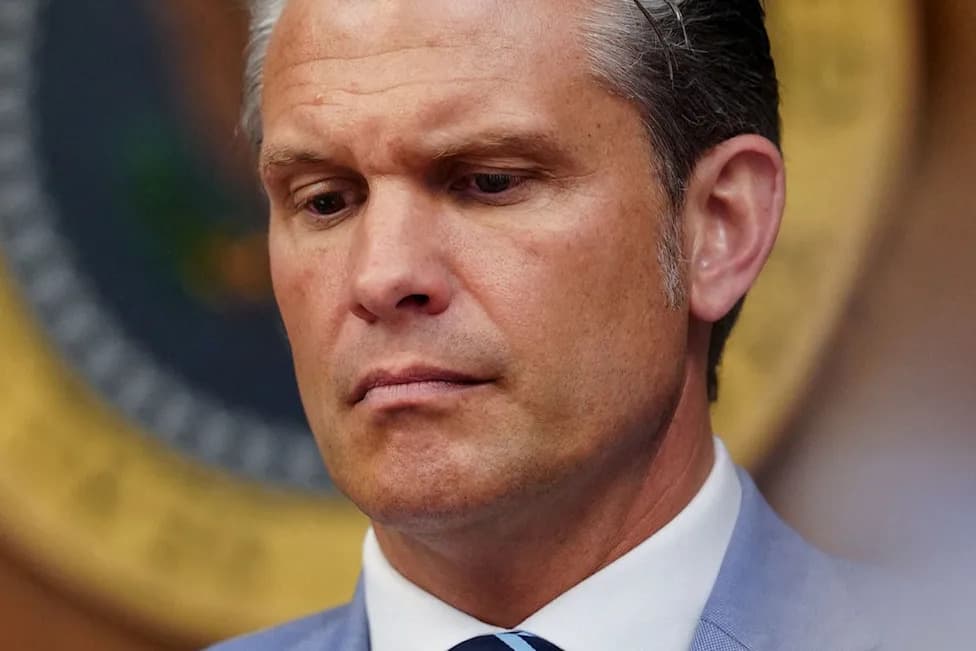
U.S. Secretary of Defense Pete Hegseth waits before welcoming Australian Deputy Prime Minister and Minister of Defense Richard Marles to the Pentagon September 2, 2026 in Arlington, Virginia —Win McNamee—Getty Images
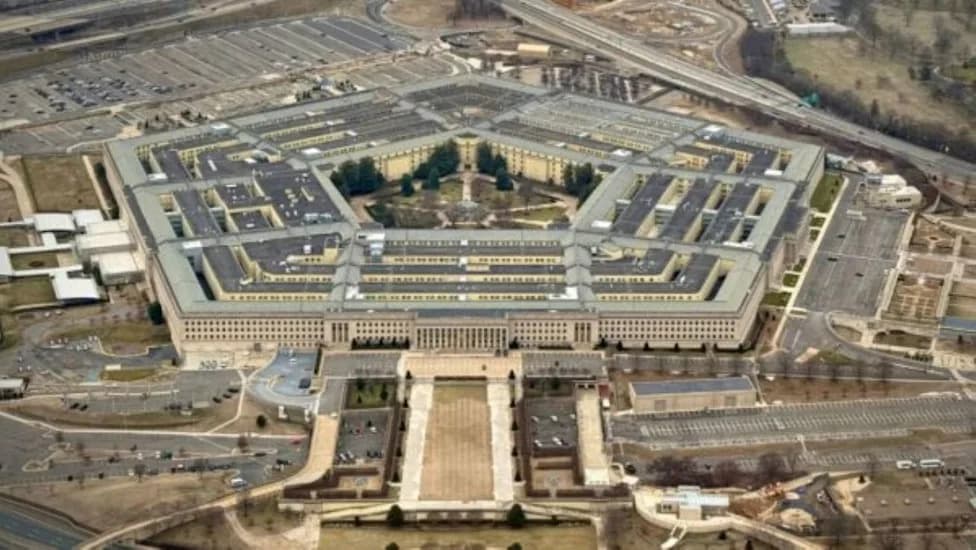
In August, Pentagon investigators administered polygraph examinations to dozens of military officers and civilian employees as part of a probe into unauthorized disclosures about declining U.S. munitions stockpiles. The effort followed Defense Secretary Pete Hegseth’s July announcement that the Pentagon would form a joint task force with the Department of Justice to investigate and pursue leaks of sensitive material to the press.
Scope And Context
According to reports, roughly 50 members of the Joint Staff were polygraphed in August, and several dozen other officials—including personnel tied to U.S. Central Command—were tested earlier in the summer. Multiple news outlets have reported that inventories of certain critical munitions, including long-range precision-guided missiles and air-defense interceptors, have fallen substantially amid ongoing operations related to Iran.
Official Responses And Public Estimates
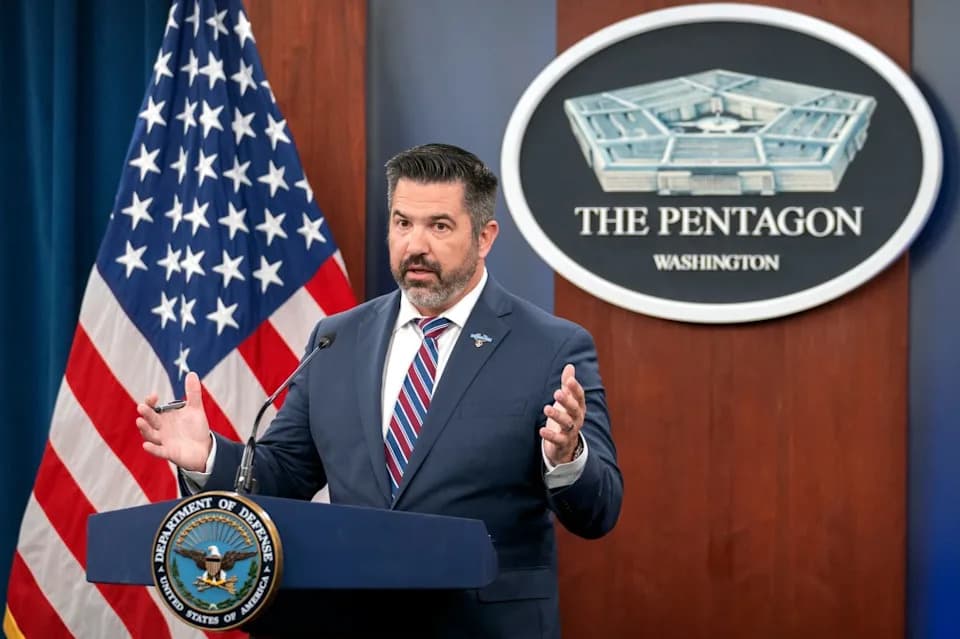
A Pentagon spokesman told TIME the department does not comment on active investigations but that it "takes all leaks of classified national security information extremely seriously and investigates accordingly." The White House publicly denied a broad munitions shortage. At the same time, independent analysts at the Center for Strategic and International Studies (CSIS) estimated in late July that Patriot interceptor stocks were below 1,000 and THAAD interceptors were roughly 250.
Why Stockpile Details Matter
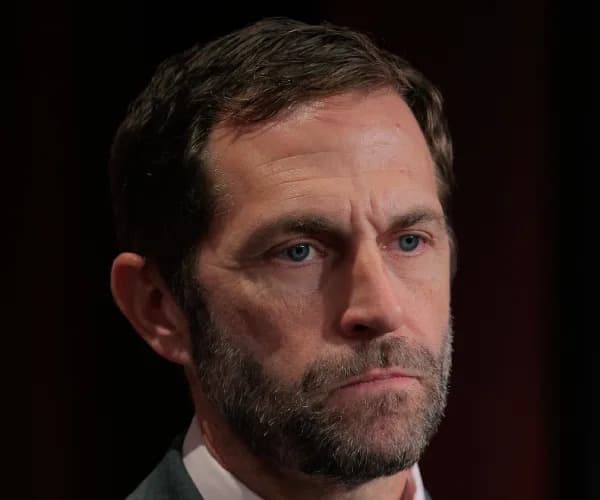
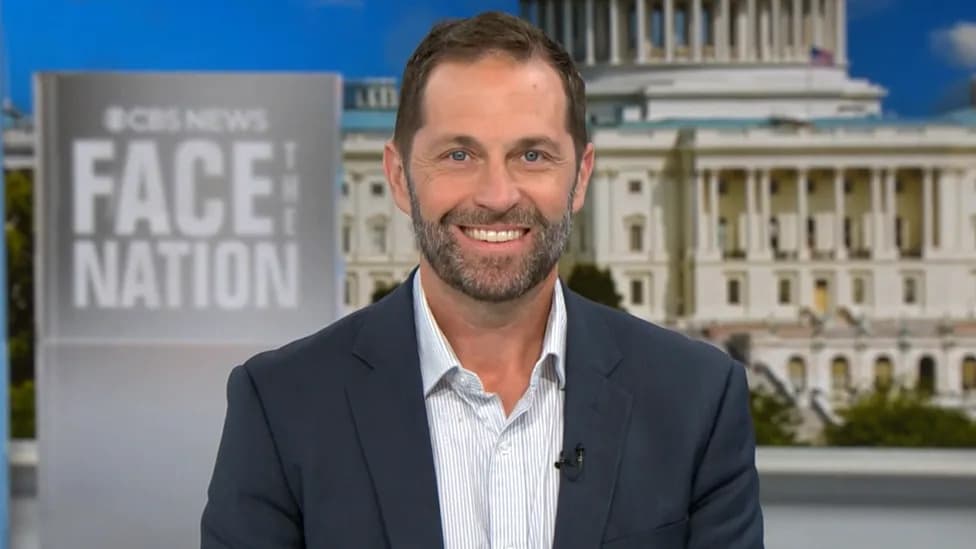
Experts note that detailed stockpile figures are classified for a reason: precise numbers would be valuable intelligence to potential adversaries. Former defense intelligence official Harrison Mann warned that if adversaries knew the U.S. was significantly depleted, their deterrence calculations would change. Still, analysts say outside observers can often infer broad trends from production data and battlefield usage.
Polygraph Use: Procedure, Purpose And Limitations
Pentagon policy requires written consent for polygraphs and allows examinees to stop tests at any time. For issue-specific counterintelligence polygraphs, investigators are expected to interview subjects first, reasonably suspect the person had relevant knowledge or involvement, pursue other investigative avenues as circumstances permit, and determine the polygraph is essential to the probe. The Defense Secretary must also ensure oversight and report polygraph use to congressional defense committees.
The Pentagon has not disclosed whether those procedural safeguards were followed in this investigation, nor has it released the probe’s findings. CBS News reported that no one failed the specific questions aimed at identifying leakers. Sources told The New York Times that the examinations included direct questions about whether officials had disclosed classified information to reporters or shared information about diminished munitions stocks.
Deterrence, Intimidation And The Internal Costs
Officials familiar with the inquiry said the polygraph campaign appeared intended both to identify possible leakers and to deter future disclosures. Some experts, including Mark Cancian of CSIS, described the scale of the operation as unusually large for senior military ranks. Critics warn that polygraphs are an imperfect investigative tool—prone to false positives and easy to "game"—and that broad use can chill candid internal discussion, shrink meeting attendance and discourage written dissent.
"Polygraphs can be effective as a deterrent, but they are inconclusive as evidence," said Harrison Mann, noting that nervousness or other factors can affect results and potentially disrupt careers or clearances.
Political And Institutional Implications
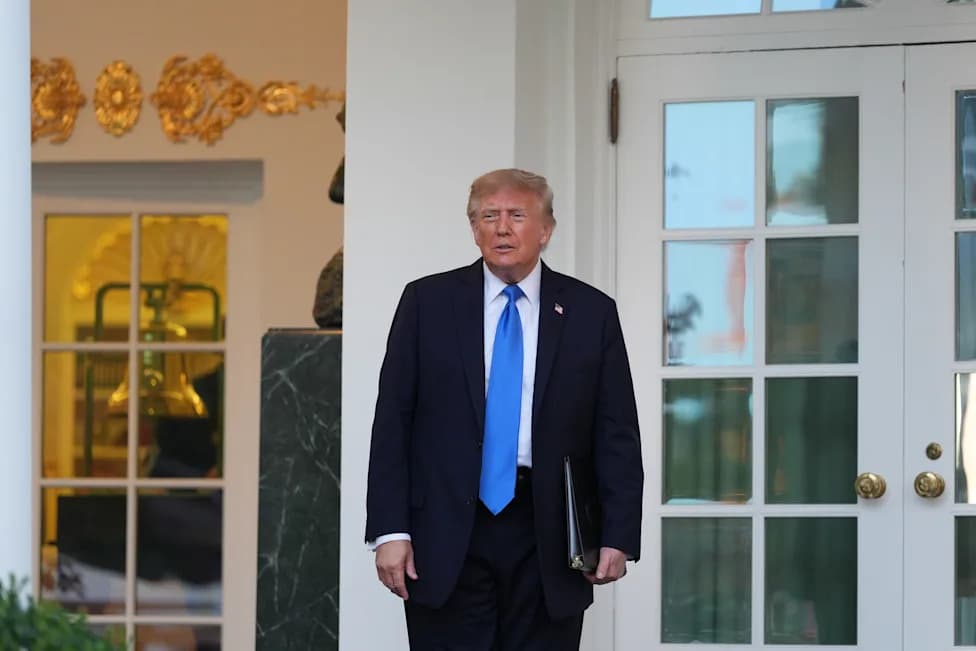
Observers see the campaign as part of a broader push to rein in leaks and tighten internal control, a move critics argue may prioritize loyalty over candid assessment. The polygraph effort unfolded amid public tensions between President Trump and Defense Secretary Hegseth over reporting on munitions shortages, and political pressure has included calls from some lawmakers to change Pentagon leadership.
Whether the polygraph campaign will produce a clear investigative breakthrough remains unclear. Even without public identifications of leakers, the tests may achieve a lasting effect by deterring future disclosures—but also by discouraging open debate and written records that are vital to military readiness and civilian oversight.
Help us improve.