Higher education is a central part of America’s promise to those who serve, yet many colleges fail to accommodate the realities of military life. The author—an Air Force officer who earned a master’s degree while deployed—urges schools to adopt flexible scheduling, expand mental-health and moral-injury support, award credit for military learning, and integrate career services. Strengthening these areas would shorten time-to-degree, ease transitions to civilian employment, and reinforce recruitment by showing the nation keeps its promise.
Colleges Must Do More To Keep America’s Promise To Service Members
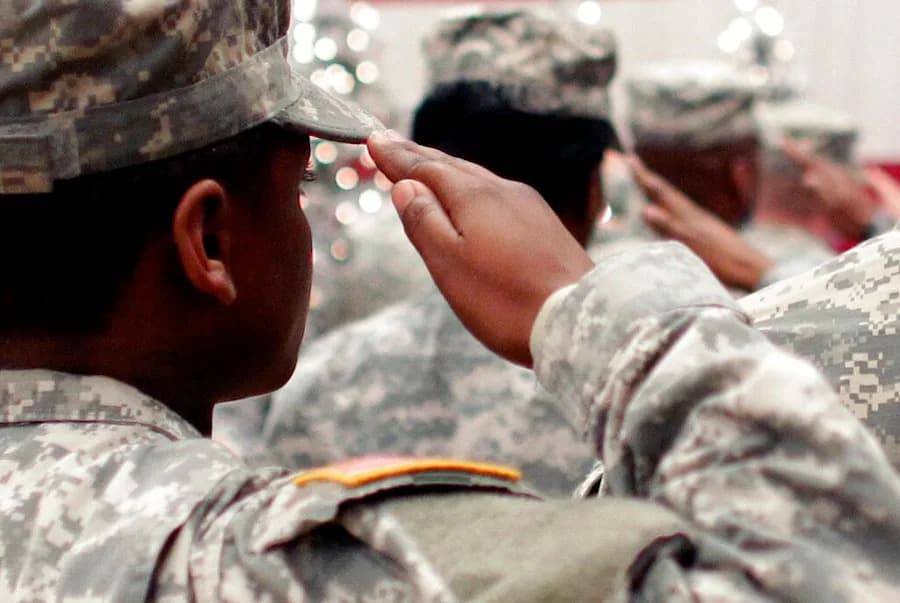
The U.S. military is experiencing its strongest recruiting streak in more than a decade. This summer the Navy signed 45,000 new sailors—hitting its target three months early—while the Army exceeded 61,500 recruits four months ahead of schedule. Congress also authorized roughly 26,100 additional troops for this fiscal year.
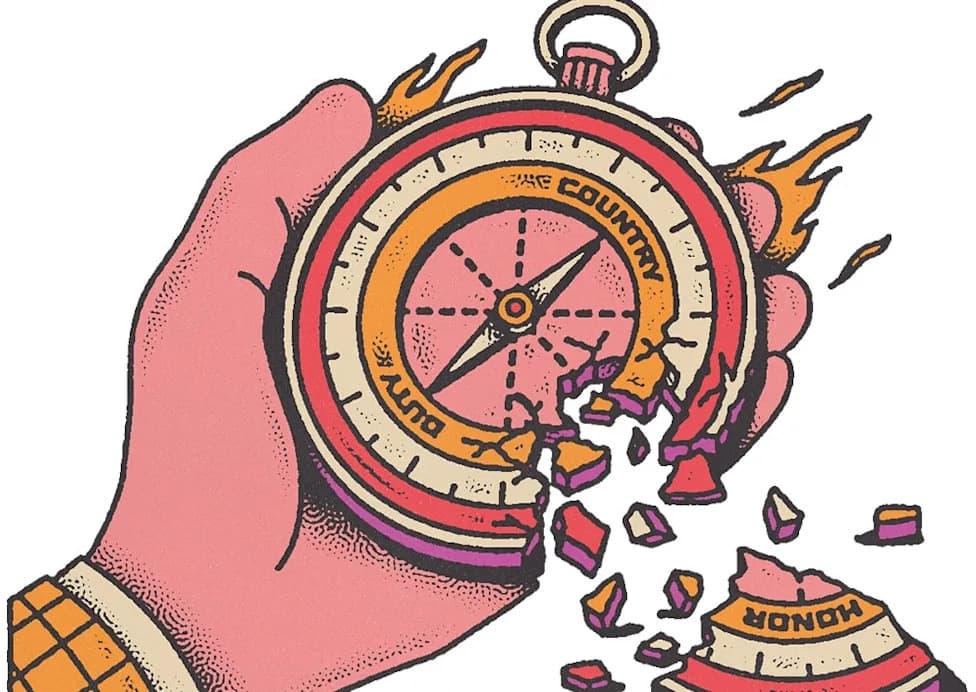
Hundreds of thousands of Americans are volunteering to put their lives on the line, and the nation promises that service will open doors long after the uniform comes off. Higher education is where much of that promise is meant to be fulfilled—but too often colleges and universities fall short.
Why Colleges Matter
More than half of service members cite education benefits as a primary reason they enlist, yet only about three in 10 veterans hold a bachelor’s degree. That gap matters: the military’s ability to recruit and retain talent depends in part on a credible pathway to opportunity after service. Colleges and universities are therefore critical partners in national security and must do more to honor the bargain made with those who serve.
Flexibility That Matches Military Life
Many campuses still follow a traditional academic calendar built for students who can commit to two uninterrupted 16-week semesters per year. That schedule does not align with deployment cycles, reserve duties, the needs of military spouses, or veterans working full time while studying. Schools should offer year-round courses, shorter modules, evening options and consistent online programs so service members can continue their education wherever they are stationed.
Mental Health, Moral Injury, And Campus Support
Service members and veterans often arrive on campus carrying visible and invisible wounds—post-traumatic stress disorder, traumatic injury and service-connected disabilities. Nearly half of student veterans receive mental-health care through the Department of Veterans Affairs, yet the federal program that places VA clinicians on campuses provides on-site services at only 54 institutions nationwide.
Moral injury — the persistent distress that can follow actions or experiences in service that conflict with a person’s moral code — is distinct from PTSD but equally important to address. Colleges should invest in trained clinicians, trauma-informed faculty development and peer-support programs to help veterans succeed academically and personally.
Recognizing Military Learning As Academic Credit
A soldier who sustained logistics for a 700-person battalion or a sailor who helped maintain a shipboard nuclear reactor has developed advanced, job-ready skills. Yet many institutions award little or no academic credit for military training and experience, forcing veterans to pay for and repeat coursework they already mastered. Robust prior-learning assessment, competency-based credit and clear articulation agreements can shorten time-to-degree and validate the value of service.
Career Pathways And The Finish Line
A degree should lead to a career. Colleges must pair education benefits with career advising that understands how to translate military experience into civilian credentials, develop industry partnerships, and map training to high-demand fields. Integrated programs that combine benefits counseling, career services and wellness support treat the transitions from military service to college to the workforce as a single, continuous mission rather than disconnected handoffs.
The Bigger Consequence
Recruiting runs on relationships and word of mouth. When a veteran leaves college without completing a degree, that story can discourage others considering service. If the nation expects people to continue signing up at record levels, higher education must strengthen its role in delivering on the promise made to those who serve.
Philip "Flip" West is an alumnus of National University and UCLA. His views do not necessarily reflect those of the Department of Defense.
Copyright 2026 Nexstar Media, Inc. All rights reserved.
Help us improve.