The Pentagon recently gave polygraph exams to roughly 50 Joint Staff members in a leak investigation tied to reporting about munitions shortages related to the war with Iran. Investigators asked officers and civilian staff whether they disclosed classified information to journalists, an approach observers call unusually broad for senior military ranks. Retired officials described the sweep as "unprecedented," and critics say Defense Secretary Pete Hegseth's leadership has helped foster a growing culture of fear. The episode follows similar polygraph use reported at the FBI and Department of Homeland Security.
Pentagon Polygraphs About 50 Joint Staff Members in Unprecedented Leak Probe — Critics Say Hegseth Fuels a 'Culture of Fear'
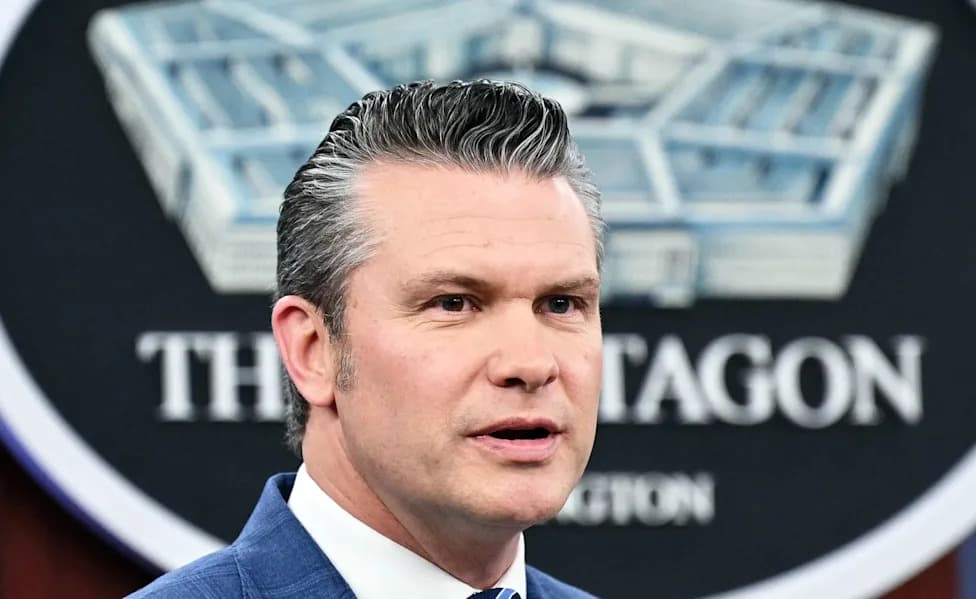
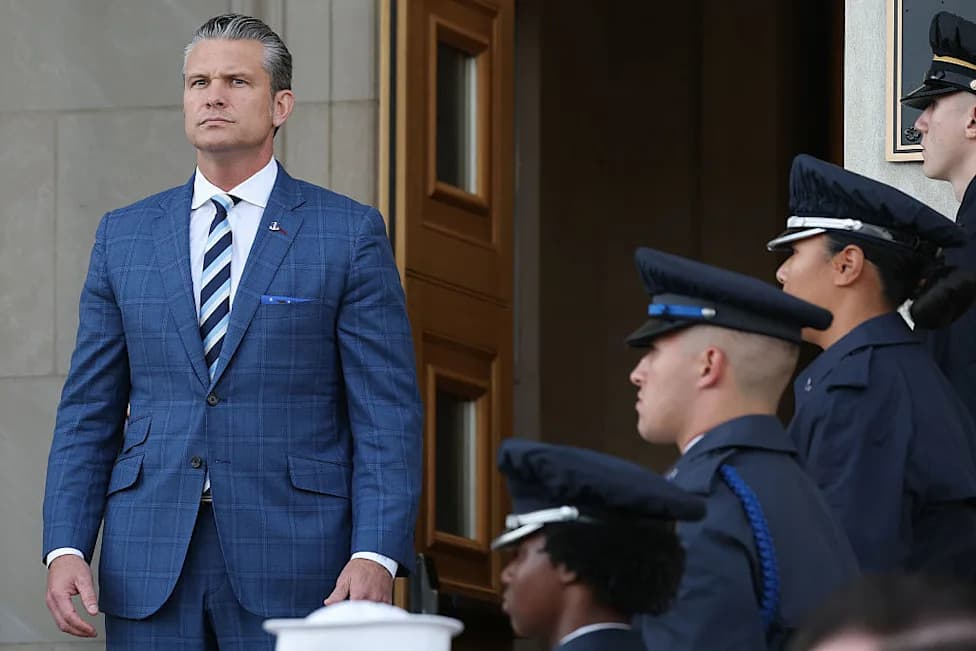
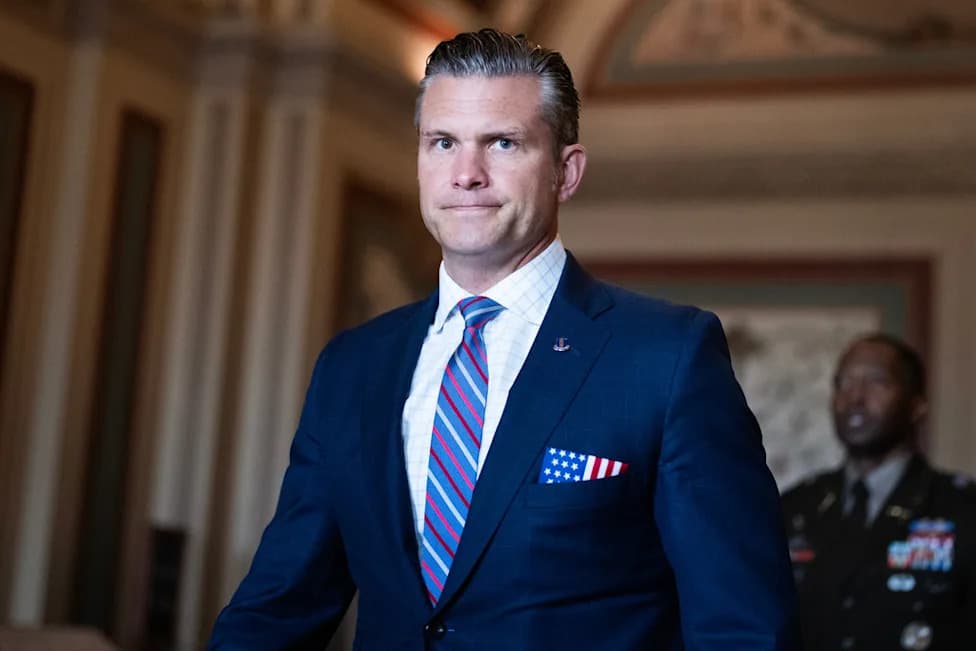
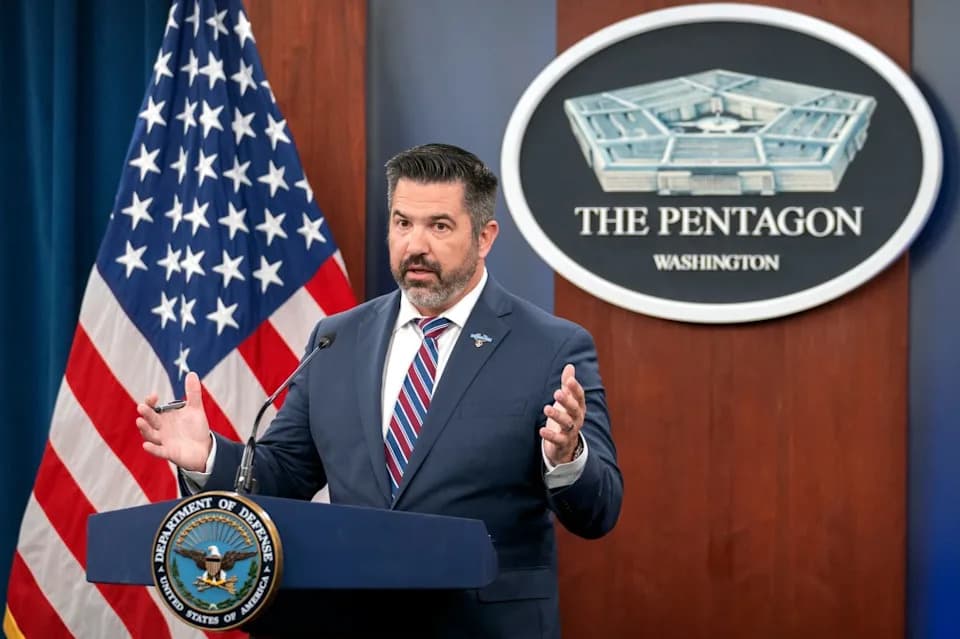
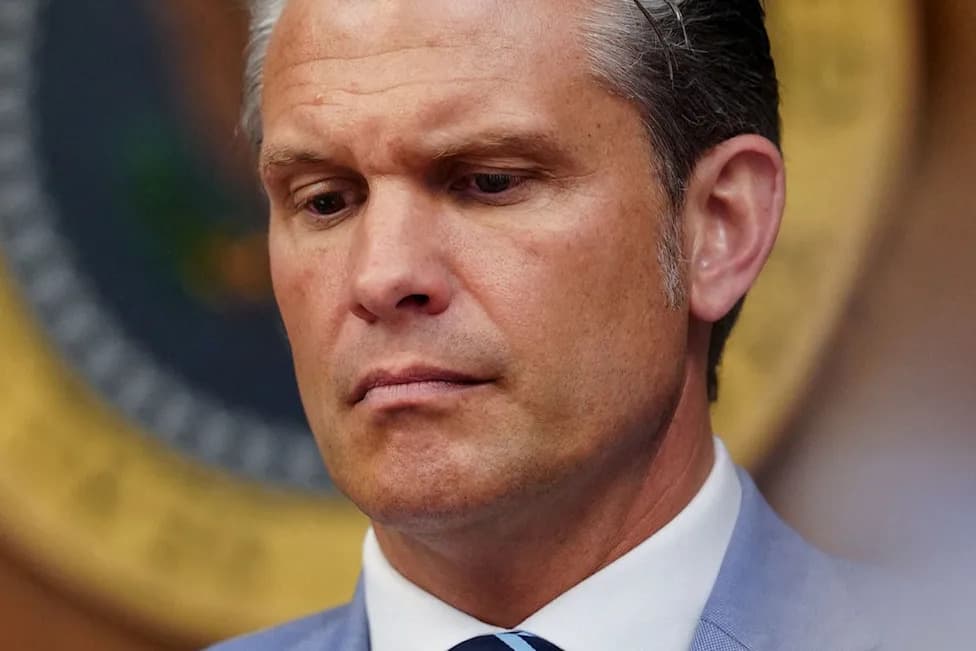
Secretary of Defense Pete Hegseth speaks during a press briefing at the Pentagon on April 8, 2026.
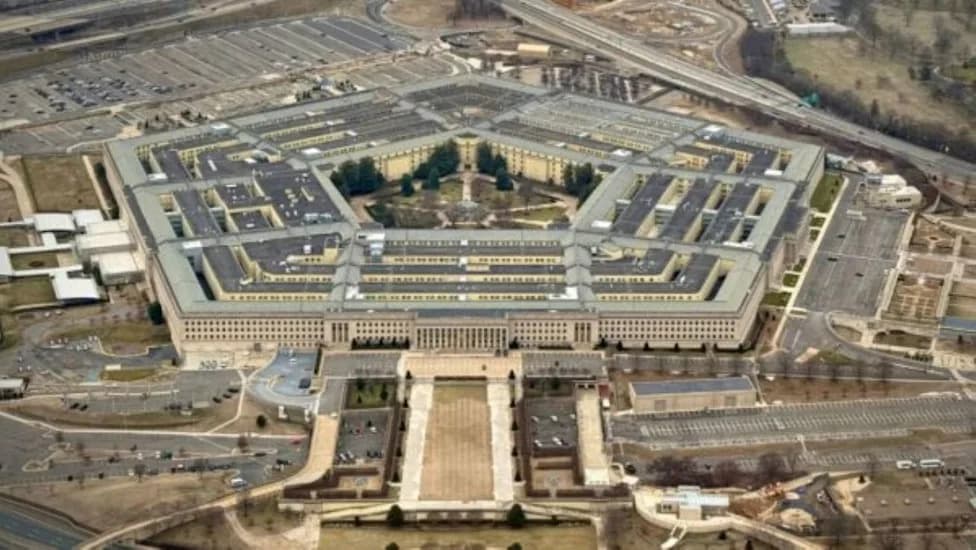
The Pentagon recently subjected roughly 50 members of the U.S. military's Joint Staff to polygraph examinations as part of an investigation into media leaks, including reporting about reduced munitions stocks tied to the war with Iran. The move — described by officials briefed on the matter and reported by The New York Times — represents an unusually broad use of polygraph testing at senior ranks.
What Happened
According to the Times, investigators asked military officers and civilian employees assigned to the Joint Staff whether they had disclosed classified information to journalists and whether they had provided details about diminished U.S. munitions inventories. The tests were reportedly conducted last month after several news reports said munitions stocks were strained by the Iran conflict. The White House has repeatedly challenged those reports; the scope of the leak inquiry, however, suggests at least some officials believed sensitive material had been disclosed.
Earlier this year, MS NOW reported that FBI Director Kash Patel ordered polygraphs for more than two dozen current and former members of his security detail and other staff amid concerns about internal leaks. A similar controversy over polygraph use at the Department of Homeland Security arose late last year. Those episodes provide context for the Defense Department's recent actions.
Unprecedented Scope at Senior Levels
Observers and former officials called the Pentagon sweep exceptionally rare. "The scope of the investigation is without parallel. Mass polygraph tests have never been administered to the top ranks of the U.S. military in modern history," the Times noted. Retired Rear Adm. Donald J. Guter, the former Navy judge advocate general quoted in the report, said,
"I've never seen polygraphs employed this broadly or at this seniority level. In my experience, it's unprecedented."
Why This Matters
Using polygraphs to pursue leaks at senior military levels raises legal, ethical, and operational questions. Polygraph results are disputed in terms of reliability, and broad testing of senior officers can strain trust within the service, risk chilling lawful reporting or whistleblowing, and complicate civil‑military relations. Critics argue that Defense Secretary Pete Hegseth's leadership has contributed to a climate of fear inside the Pentagon by endorsing aggressive internal investigations.
Supporters of leak probes counter that protecting classified information and operational security is essential, especially amid reports of constrained munitions supplies. The debate over appropriate investigative tools and safeguards is likely to continue as more details emerge.
Reporting note: The New York Times story is the principal source cited for the Pentagon polygraph sweep; MS NOW has noted that the Times report has not been independently verified by MS NOW.
Help us improve.