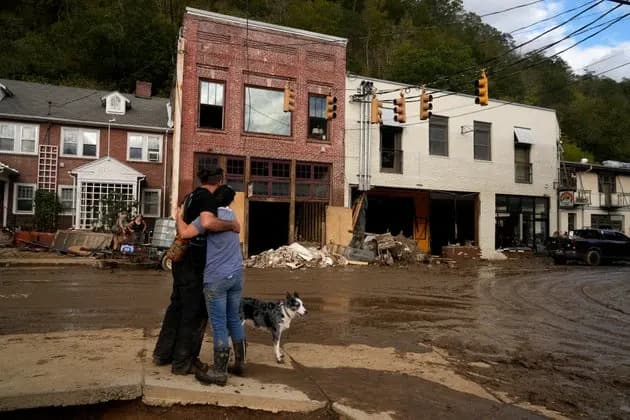
Former North Carolina governor Roy Cooper's Office of Recovery and Resiliency (NCORR) allocated more than $100 million in federal disaster-recovery funds toward affordable housing projects rather than directing those dollars exclusively to immediate relief. NCORR says it coordinated with HUD and solicited local input, arguing housing is essential to long-term recovery after storms such as Hurricane Matthew (2016) and Hurricane Florence (2018). Projects like the $9 million, 278-unit Starway Village have attracted scrutiny as Cooper campaigns for the U.S. Senate in 2026.
Roy Cooper Allocated $100M+ In Disaster Recovery Funds To Affordable Housing, Drawing Scrutiny During Senate Run

ZUMAPRESS.com / MEGA
Former North Carolina governor Roy Cooper's Office of Recovery and Resiliency (NCORR) directed more than $100 million in federal recovery dollars toward building affordable housing rather than routing the funds solely to immediate disaster-relief operations. The allocation choices were highlighted in a report by the John Locke Foundation after Cooper's tenure as governor (2017–2025).
NCORR Response:
"When determining program needs and funding, NCORR worked in collaboration with HUD [Department of Housing & Urban Development] to determine and prioritize needs in storm-impacted areas, while also ensuring full compliance with federal requirements for use of the funds," a NCORR spokesperson told The New York Post. "When making decisions specifically about affordable housing, NCORR also sought and received input from local governments, community organizations, public comment periods and roundtable events."
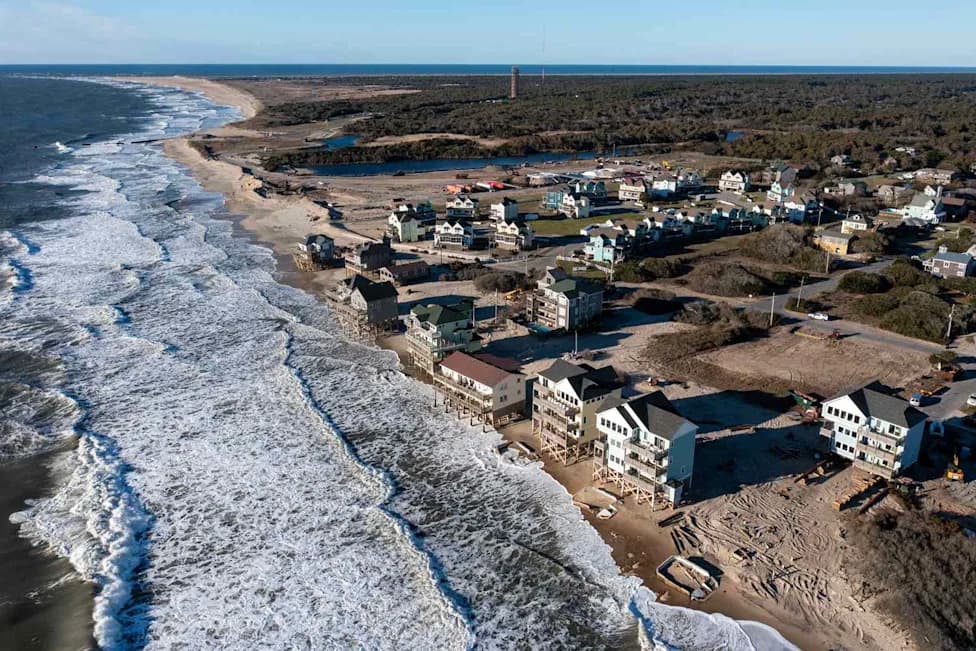
The agency said housing availability — for both renters and homeowners — was a key component of long-term community recovery following major storms.
Storm Impact Context:
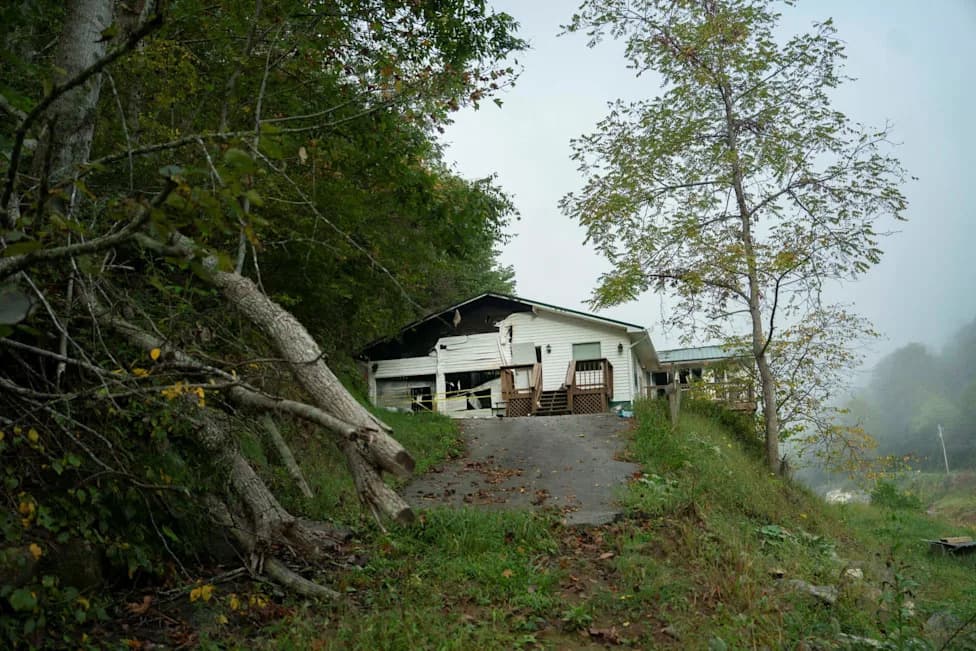
Hurricane Matthew struck North Carolina in 2016, causing 26 deaths and roughly $1.6 billion in property damage, according to North Carolina Public Radio (WUNC). Hurricane Florence in 2018 produced wider destruction: the National Weather Service reported 42 deaths and preliminary damage estimates near $16.7 billion.

Ron Sachs – CNP for NY Post / MEGA
Examples Of Funded Projects:
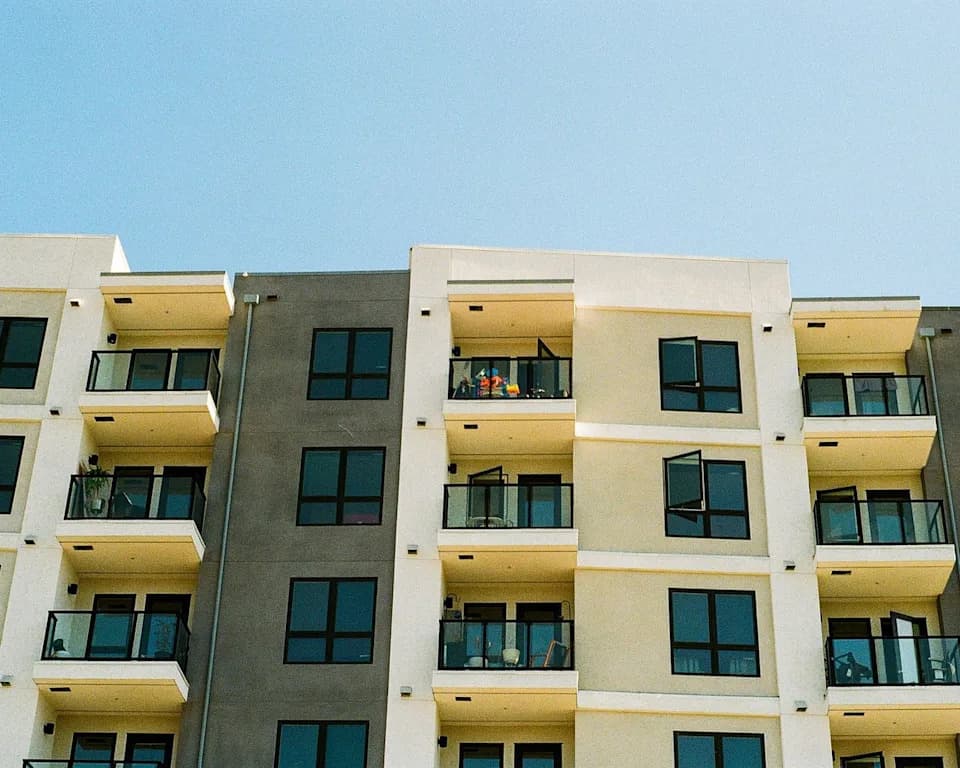
One project cited by The New York Post, Starway Village, reportedly cost about $9 million to develop a 278-unit affordable housing complex. Supporters argue such projects address persistent housing shortages that complicate recovery, while critics say the funds should have prioritized immediate repair and relief needs.
Political Context:
Cooper is now the Democratic nominee for the U.S. Senate in North Carolina's 2026 race and will face Republican Michael Whatley. The timing and emphasis of these recovery fund allocations have drawn media attention and political scrutiny during his campaign.
Reporting Note: The funding totals and project examples referenced here come from media coverage and the John Locke Foundation report; NCORR has defended its decisions as HUD-compliant and locally informed.
Help us improve.