FEMA's flood-insurance rules generally pay homeowners only after a coastal house collapses, creating a financial incentive to delay demolition or relocation. Homeowners face demolition costs of at least about $30,000 or relocation costs that can reach the hundreds of thousands. Officials warn of mounting environmental damage and public cleanup expenses — more than $500,000 spent in North Carolina since 2020 and 480 tons of debris removed from Cape Hatteras in 18 months. A bipartisan bill to change the National Flood Insurance Program is stalled in the House.
FEMA Rules Are Pushing Coastal Homeowners to Let Houses Collapse Into the Sea, Report Finds
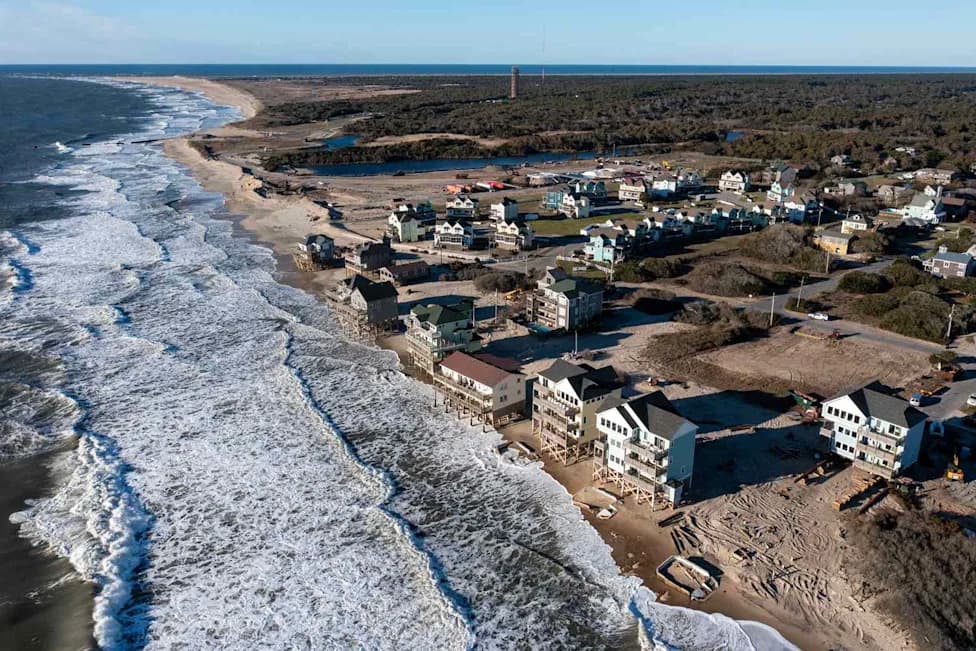
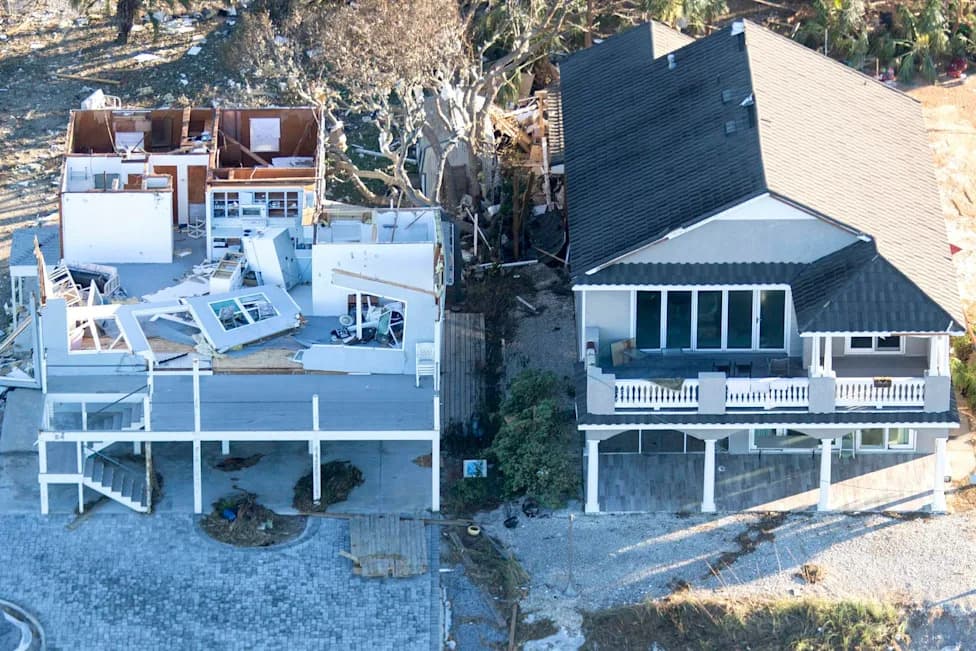
An aerial photos show a Buxton, N.C. home (bottom right) that had to be moved due to erosion and rising sea levels.Credit: Daniel Pullen for The Washington Post/ Getty Images
Federal flood-insurance rules are creating a stark — and costly — dilemma for many U.S. coastal homeowners: pay tens or hundreds of thousands of dollars now to demolish or move a threatened house, or wait for it to collapse and collect FEMA insurance only after the fact, a new NPR report shows.
How the policy works
The U.S. Federal Emergency Management Agency (FEMA), which administers most residential flood insurance nationwide through the National Flood Insurance Program (NFIP), generally pays claims only after a structure has failed or collapsed because of flooding or erosion. That coverage approach leaves property owners with two unappealing choices: fund costly demolition or relocation up front, or keep waiting for the structure to be destroyed and then file an insurance claim.
Real people, real consequences
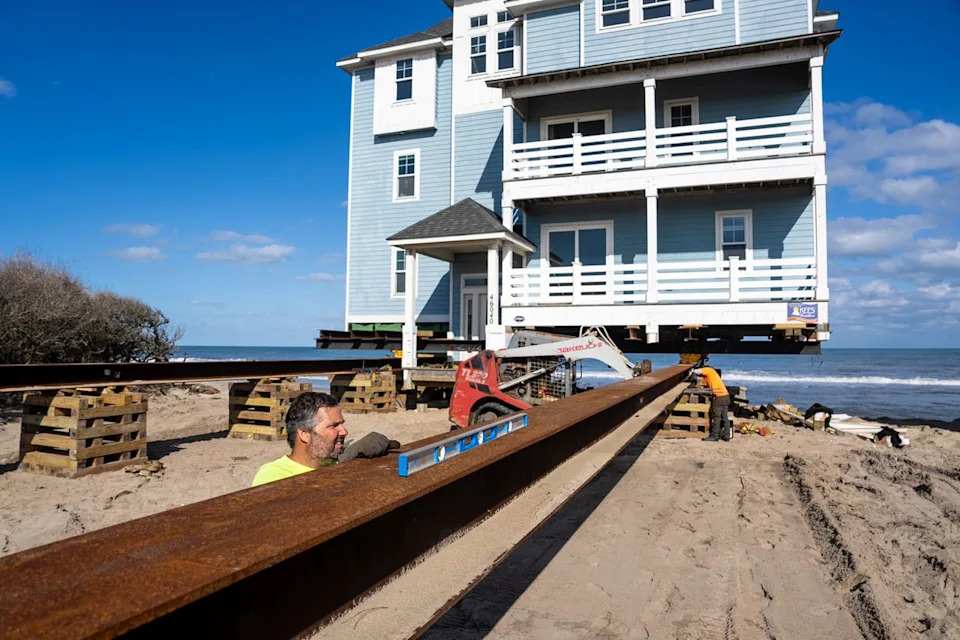
Crews prepare to move a Buxton, N.C. home further away from the shoreline in March 2026.Credit: Daniel Pullen for The Washington Post/ Getty Images
Rodanthe, N.C., resident Richard Foreman says his oceanside house sits on stilts with stairs long since ripped away by waves. The home still contains everyday belongings, but Foreman feels trapped by the system.
“If they would settle with me for the insurance, I would have it torn down tomorrow,” Foreman told NPR. “Which leads you to believe they're really just hoping [the homes] will fall instead… It's nuts. It's absolutely nuts.”
Costs, cleanup and environmental harm
Contractors told NPR that tearing down a threatened house can cost homeowners at least about $30,000, while moving a house inland can run into the hundreds of thousands. Many owners simply cannot afford those options and therefore wait.
When homes collapse during storms, the result is often widespread wreckage and pollution. Federal and county officials in North Carolina estimate they have spent more than $500,000 on debris cleanup since 2020. The National Park Service reports more than 480 tons of home debris were removed from the Cape Hatteras National Seashore in the past 18 months alone.
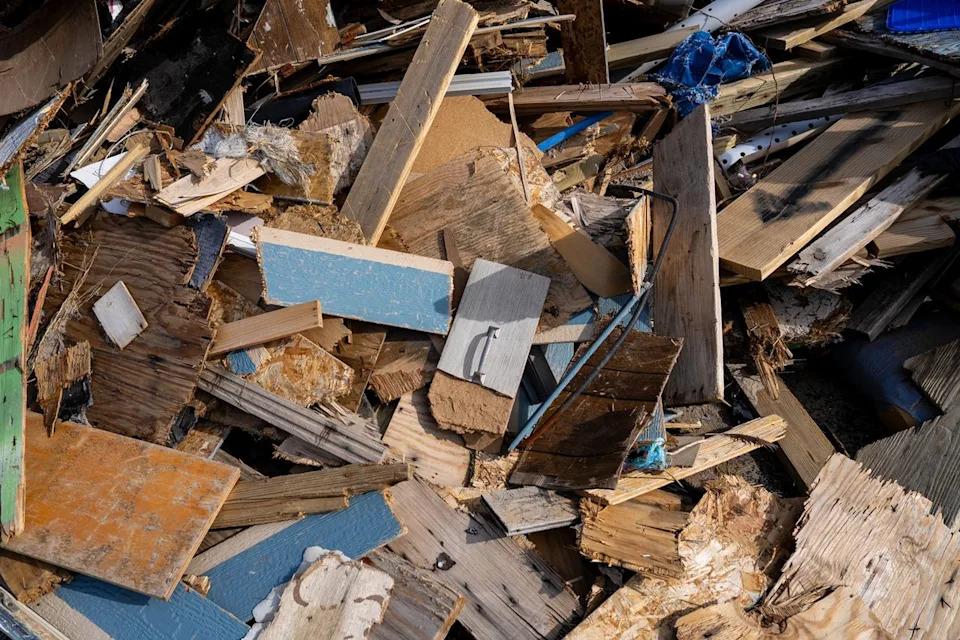
A pile of home debris forms in Buxton, N.C. in March 2026.Credit: Daniel Pullen for The Washington Post/ Getty Images
Scale of the problem and policy prospects
Officials say the problem is mounting: the National Park Service estimates more than 100 homes on North Carolina's barrier islands are at risk of collapse due to erosion and rising seas linked to climate change. Coastal communities from Maine and Massachusetts to Michigan, Illinois, Virginia and California face similar threats.
FEMA's payment rules are set by statute and would require Congress to change the law that governs the NFIP. A bipartisan bill to allow alternative approaches — such as permitting pre-collapse demolition payouts in some cases — was introduced last year but remains stalled in the U.S. House.
Why it matters
The current policy creates a troubling fiscal and environmental ripple effect: homeowners stuck with unaffordable options; federal, state and local taxpayers absorbing cleanup costs; and coastal ecosystems harmed by scattered debris. Advocates and affected residents argue that targeted policy changes could reduce pollution, lower long-term public expenses and give homeowners safer, fairer choices.
Reporting referenced: NPR; additional context drawn from local and federal agency estimates. Photo credits in original reporting: Daniel Pullen for The Washington Post/Getty Images.
Help us improve.