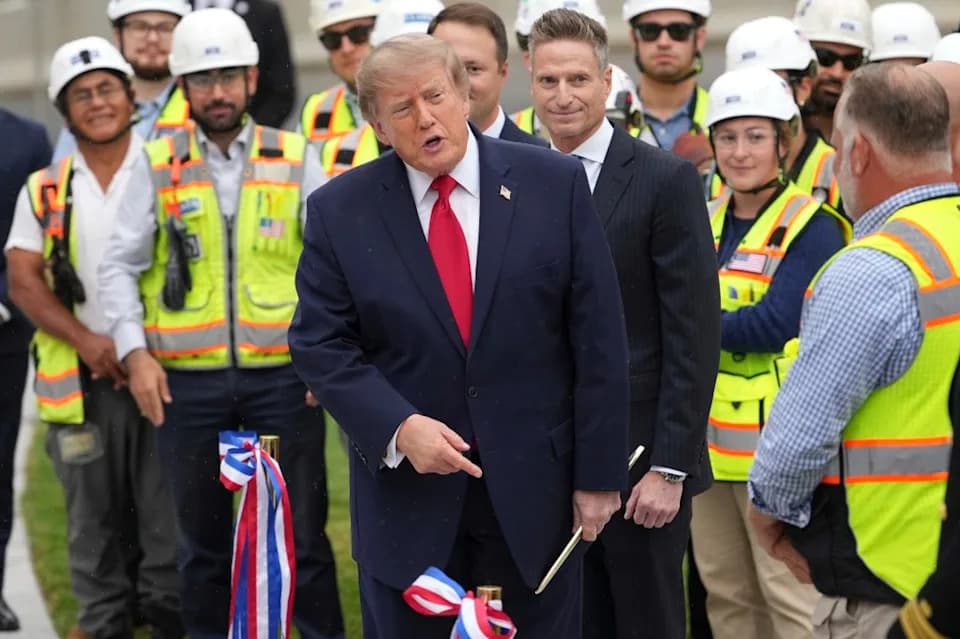
President Trump revived a notorious 1988 campaign line at a Gastonia rally, invoking the Willie Horton case to attack Democrat Roy Cooper while campaigning for GOP Senate candidate Michael Whatley. The original Willie Horton ad—linked to George H.W. Bush's campaign—is widely criticized as a racist dog whistle that exploited fears of Black criminality. Fact-checks show recent claims tying Cooper to prison releases are false. The episode highlights aggressive, race-focused tactics being used in a high-stakes Senate contest.
Trump Revives Racist 'Willie Horton' Attack in North Carolina Senate Push Against Roy Cooper
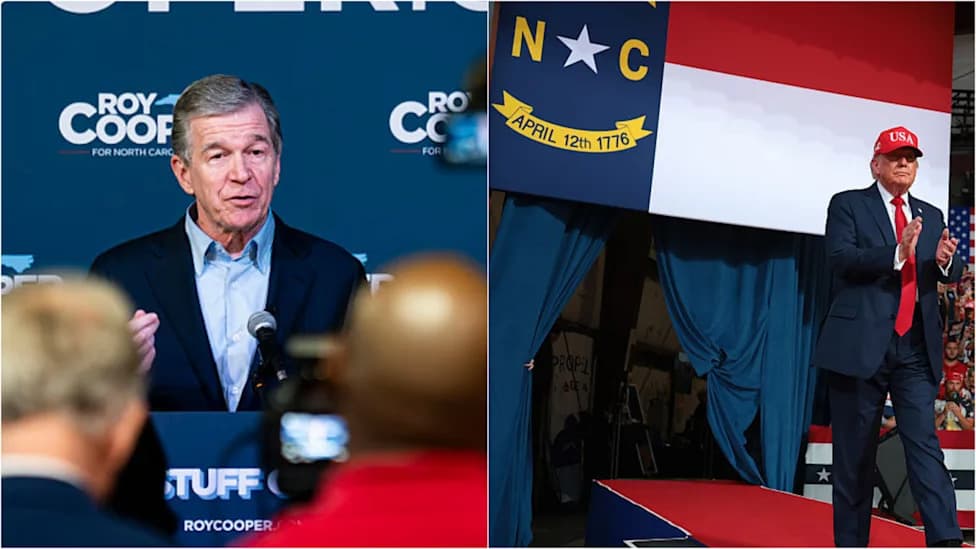
Trump Revives 1988’s Racist ‘Willie Horton’ Attack Against North Carolina’s Roy Cooper
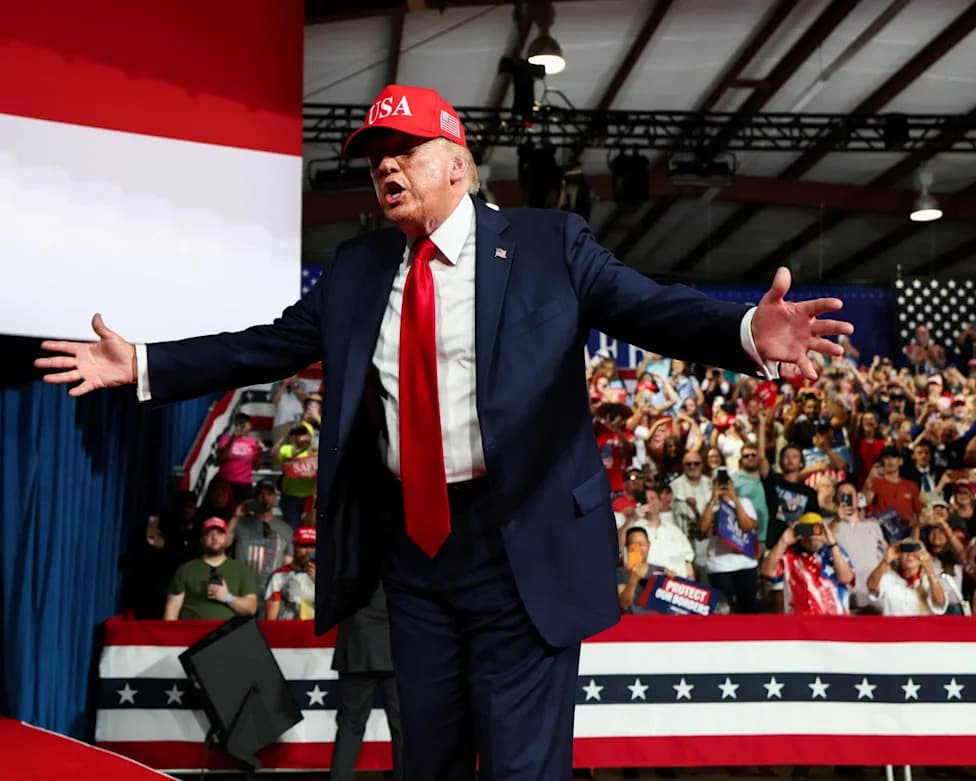
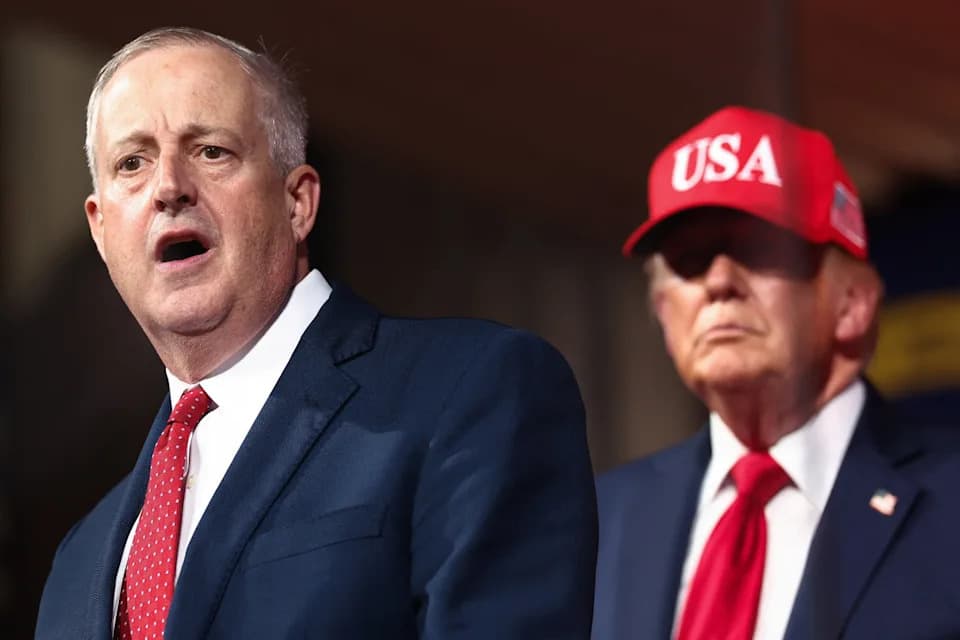
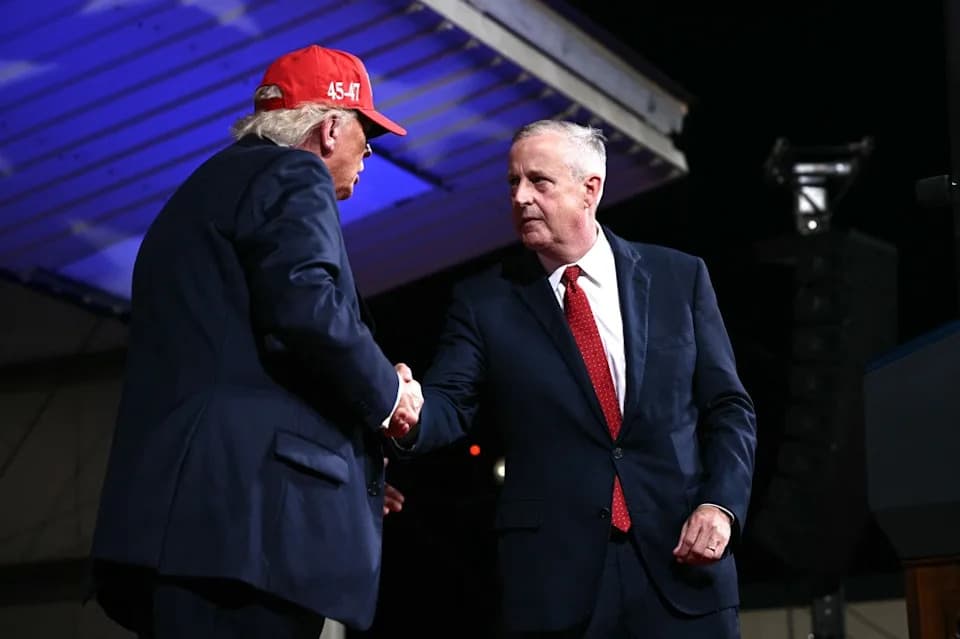
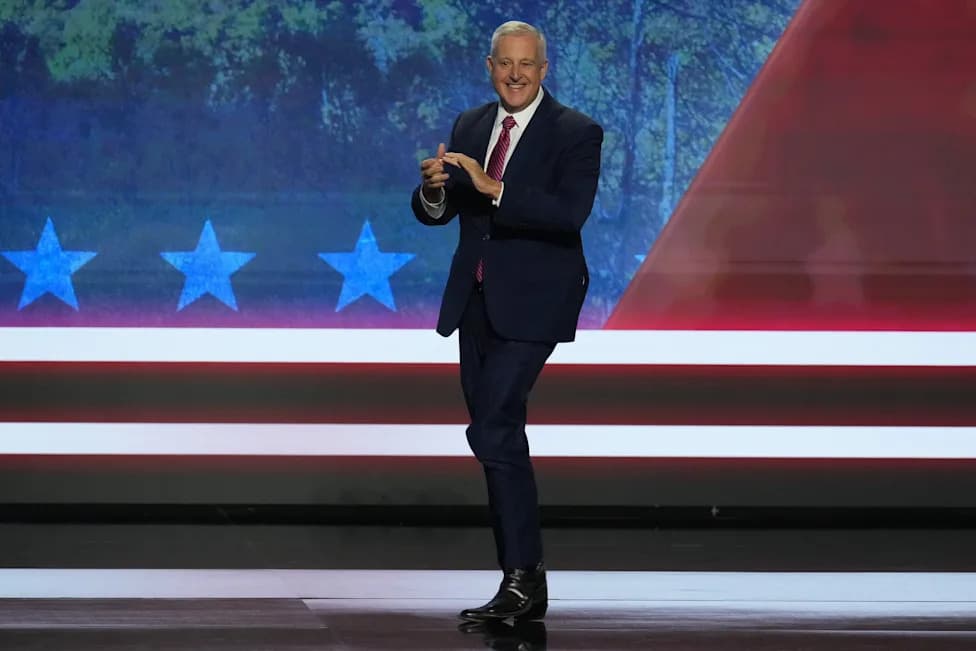
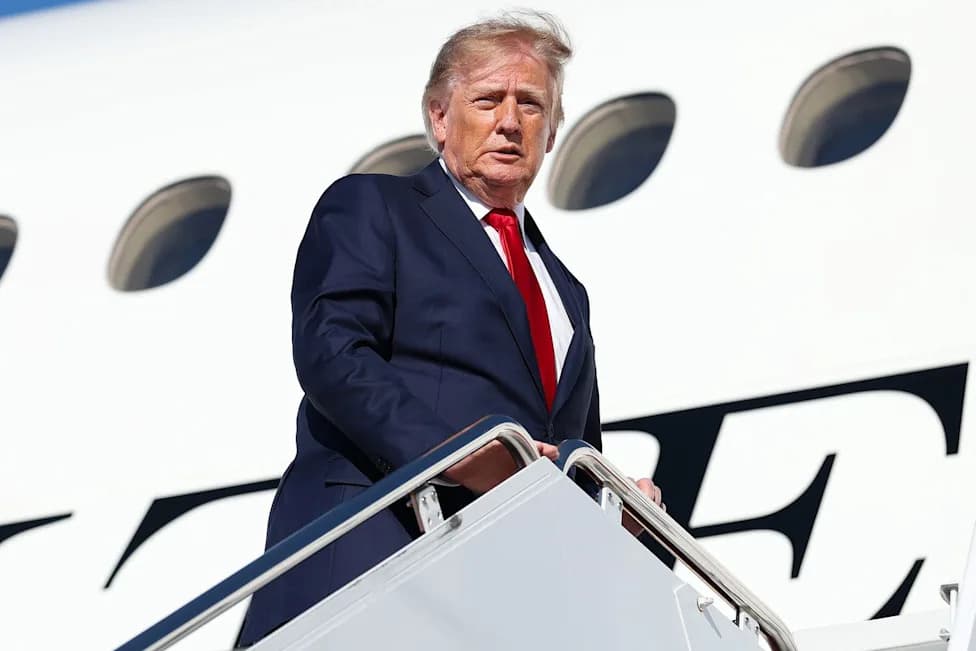
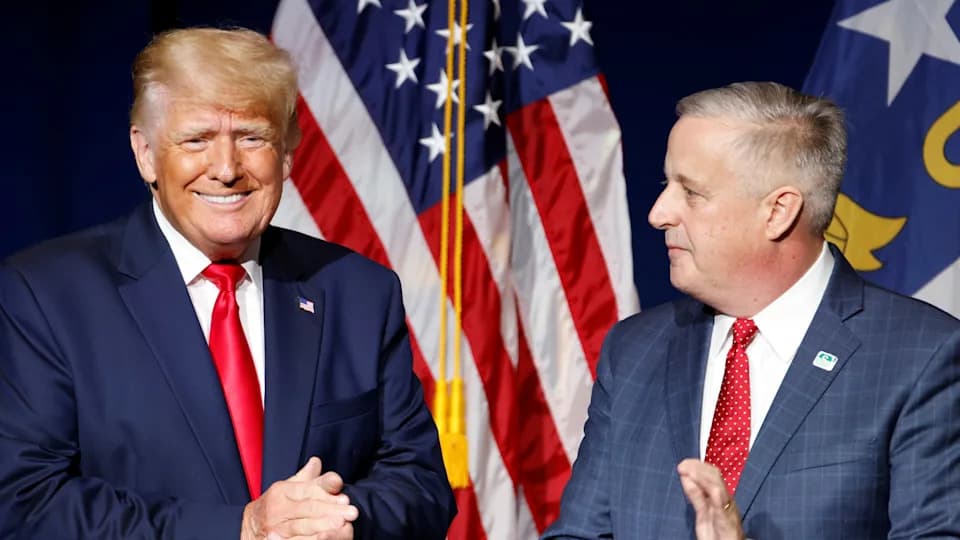
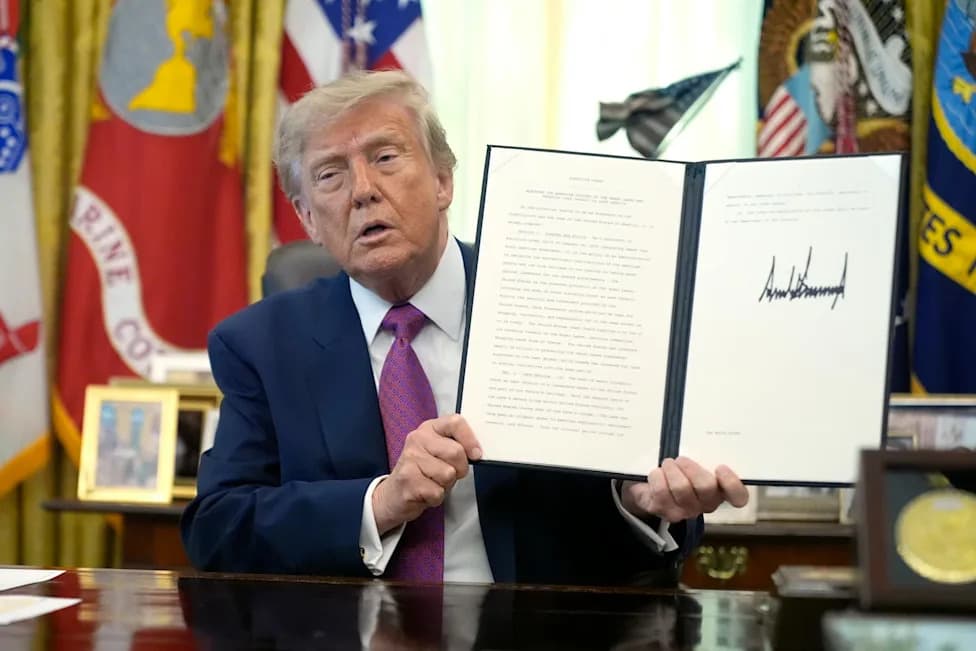
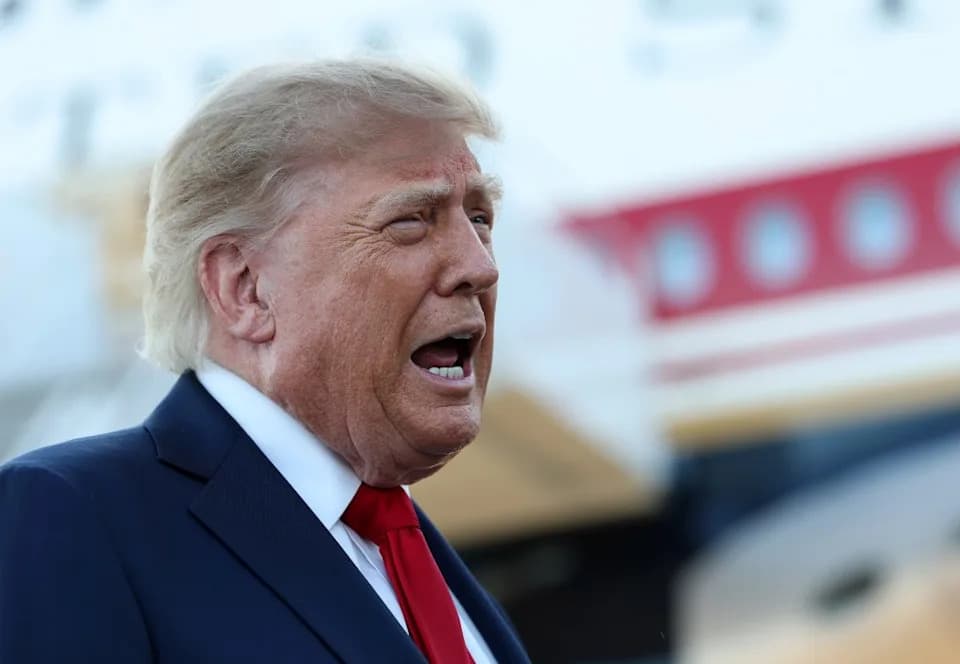
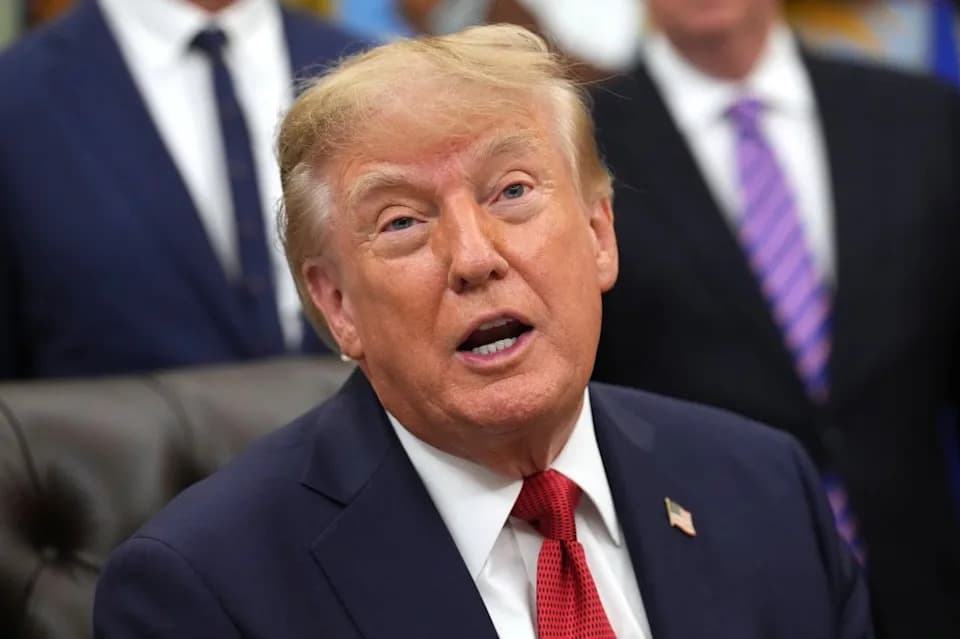
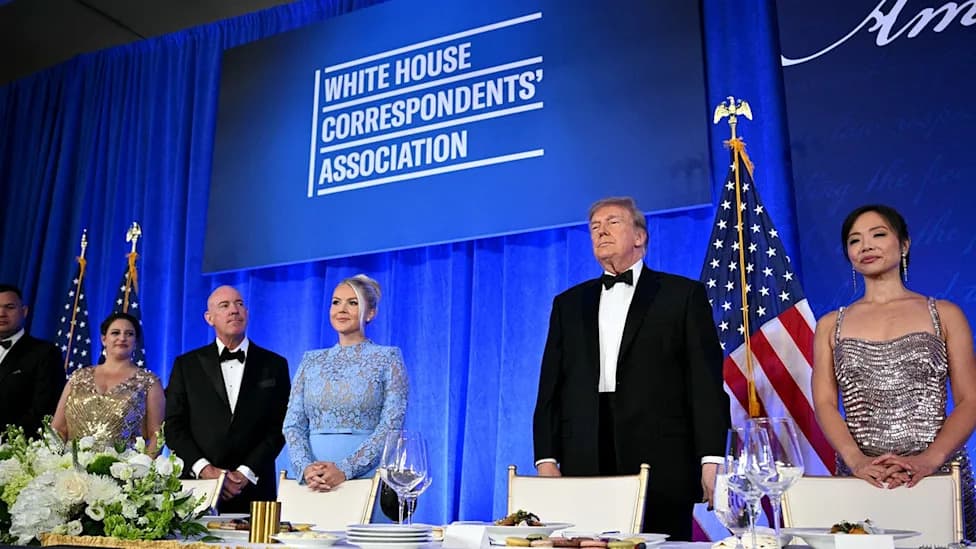
President Donald Trump inserted himself into North Carolina's pivotal U.S. Senate race Wednesday night, reviving a racially charged 1988 attack line to target Democratic former governor Roy Cooper while campaigning for GOP candidate Michael Whatley in Gastonia.
At the rally, Trump invoked the Willie Horton episode from the 1988 presidential campaign to draw a parallel between Cooper and Massachusetts governor Michael Dukakis. Trump said, "Years ago in Massachusetts, there was a governor named Dukakis... He allowed a man named Willie Horton out of jail," and repeated an account of violent crimes allegedly committed after Horton's furlough. Trump suggested the old commercial cost Dukakis his lead and said Republicans are running similar ads now to help Whatley.
"Years ago in Massachusetts, there was a governor named Dukakis, you remember? ... He allowed a man named Willie Horton out of jail. Willie Horton was a bad guy, really bad guy. Same thing as this, same, same exact thing."
Why the Reference Matters
The Willie Horton ad, produced by a pro–George H.W. Bush PAC in 1988, contrasted Bush's support for capital punishment with Dukakis's record and highlighted Horton—a Black man who, after an escape from a furlough program, committed violent crimes including a rape and stabbing. The ad prominently used Horton's mug shot and is widely credited with helping Bush overtake Dukakis. Many observers and scholars have long condemned the spot as a racist dog whistle that played on racial fears about Black criminality.
Context In The Current Race
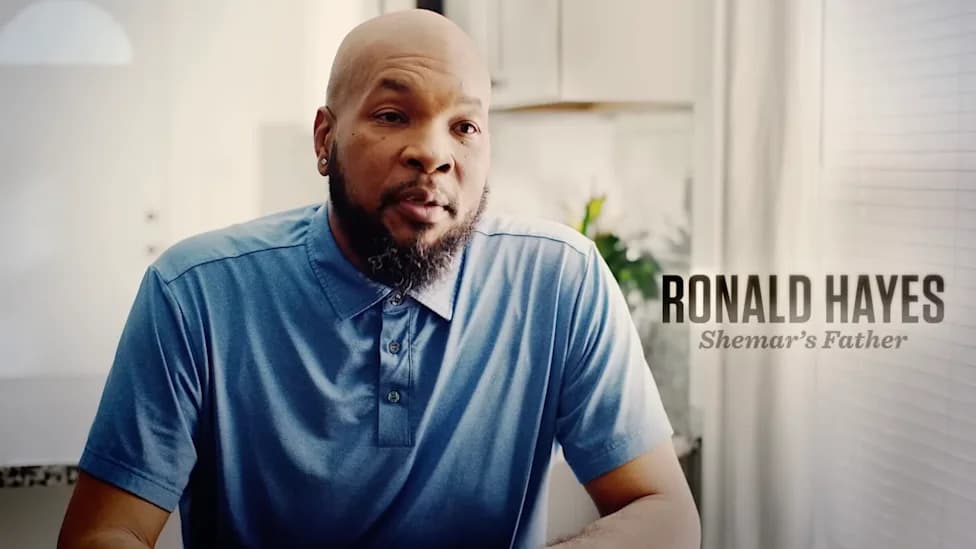
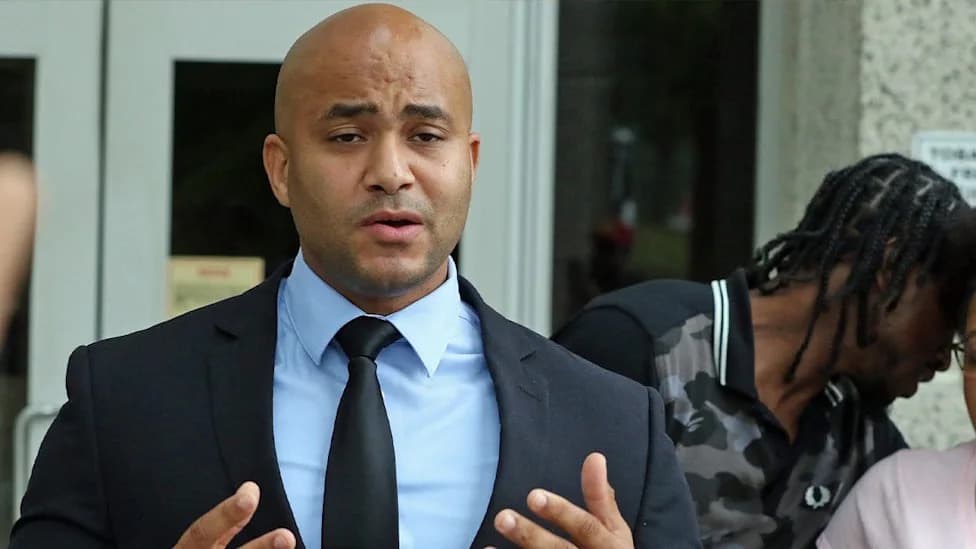
Trump's attempt to link Cooper to violent crime is part of a broader Republican effort to associate the Democrat with public-safety failures. At the same rally, Trump referenced the 2025 killing of Ukrainian refugee Iryna Zarutska; authorities have charged Decarlos Brown Jr., a Black man with a documented history of schizophrenia, in that case. Conservative groups have also circulated the story of Donald Hayes—whose son Shemar was murdered—and falsely suggested Cooper released the perpetrator during the COVID-19 pandemic. Fact-checks show neither Brown nor the person responsible for Shemar Hayes' death was released from prison by Cooper.
Cooper currently holds a substantial lead in the race to replace retiring GOP Sen. Thom Tillis, and North Carolina's open seat is widely viewed as pivotal for Senate control. Given Cooper's standing and the proximity of Election Day, it is unclear whether reviving the "Willie Horton" strategy will have the same effect it had in 1988. Nevertheless, critics say the renewed use of racially coded campaign tactics underscores the high stakes and intensity of this election cycle.
What To Watch
Watch for how both campaigns respond on messaging, whether the GOP continues to emphasize crime-based ads, and how voters in North Carolina react to race-focused appeals as November approaches.
Help us improve.