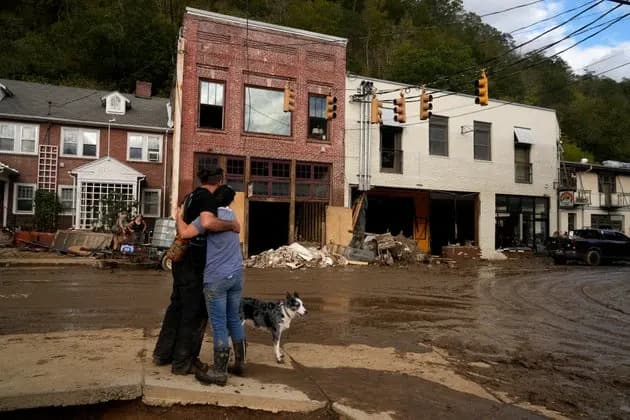
A joint ProPublica and The Assembly investigation finds a federal flood-policy gap pushed mobile-home residents in Haywood County, North Carolina, back onto repeatedly flooded riverfront lots. During Hurricane Helene in September 2024, more than 250 people died nationwide, including 108 in North Carolina, and Asheville went without safe drinking water for 53 days. The report documents outdated flood maps, buyout barriers for mobile-home parks, and campers replacing elevated homes — revealing insurance and policy failures that keep vulnerable families exposed.
Policy Gap Sent North Carolina Mobile-Home Residents Back Onto Flood-Prone Riverfront Lots — And It Turned Deadly
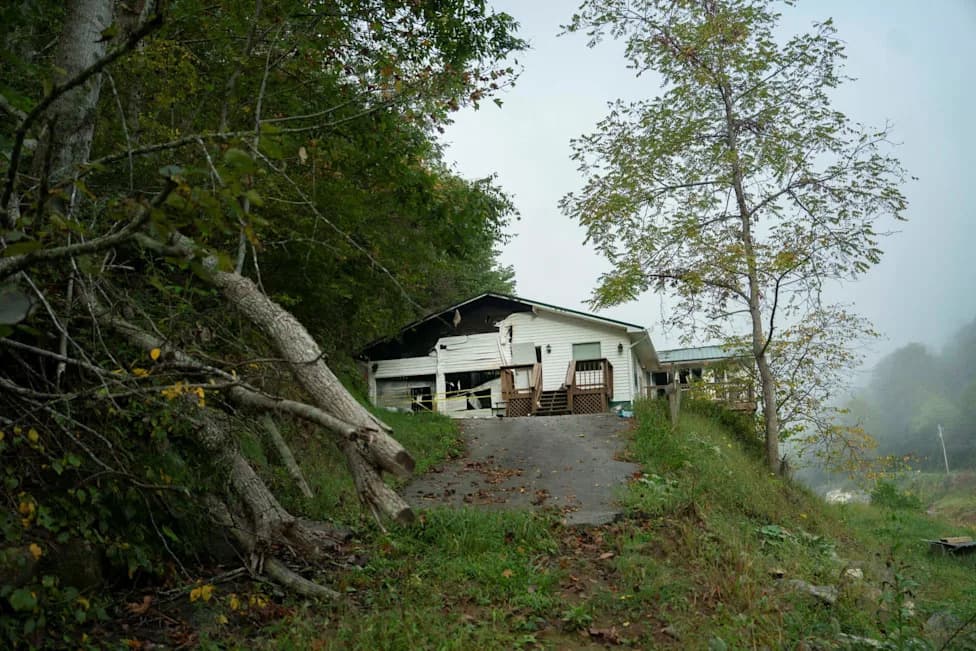
Photo Credit: Getty Images
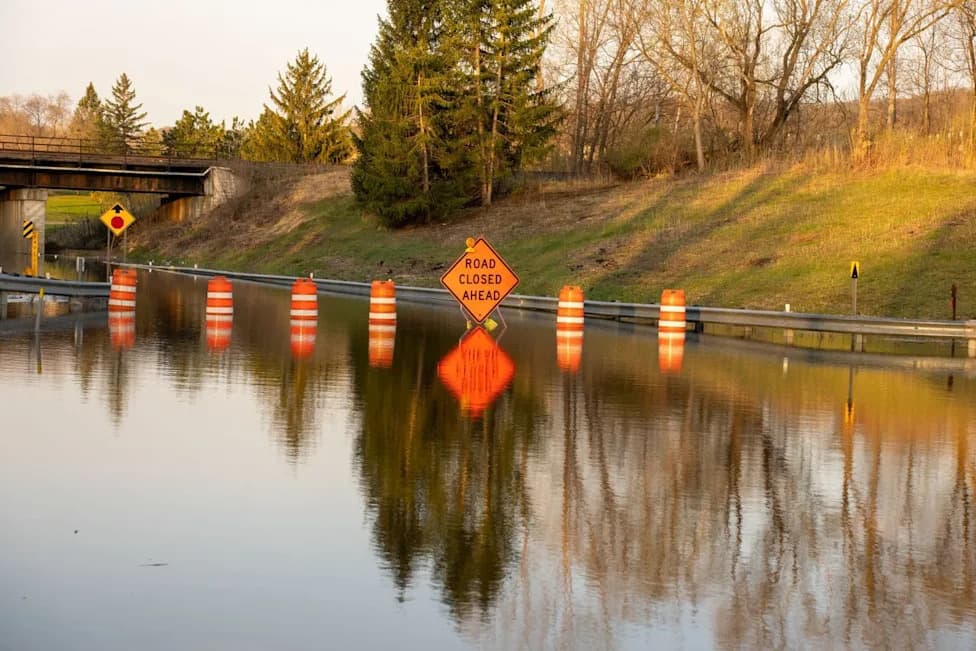
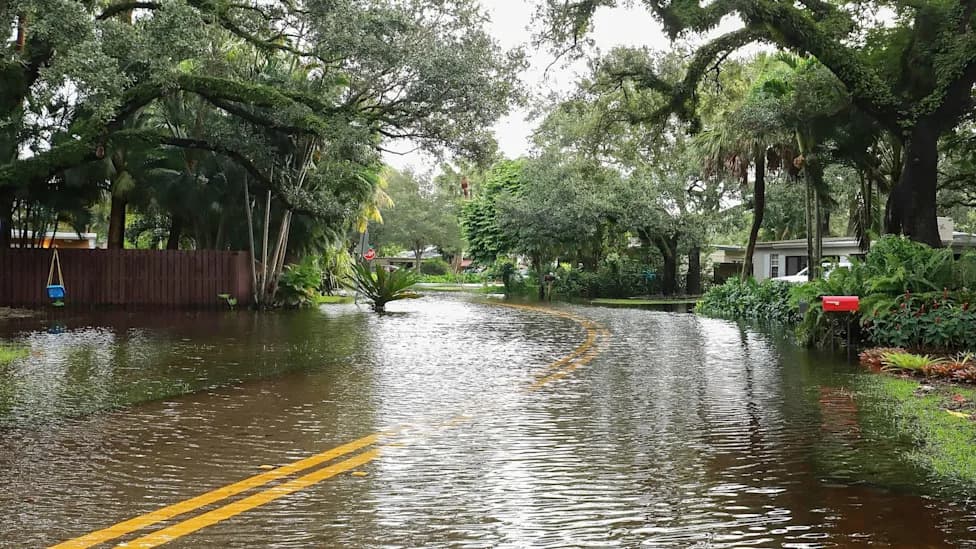
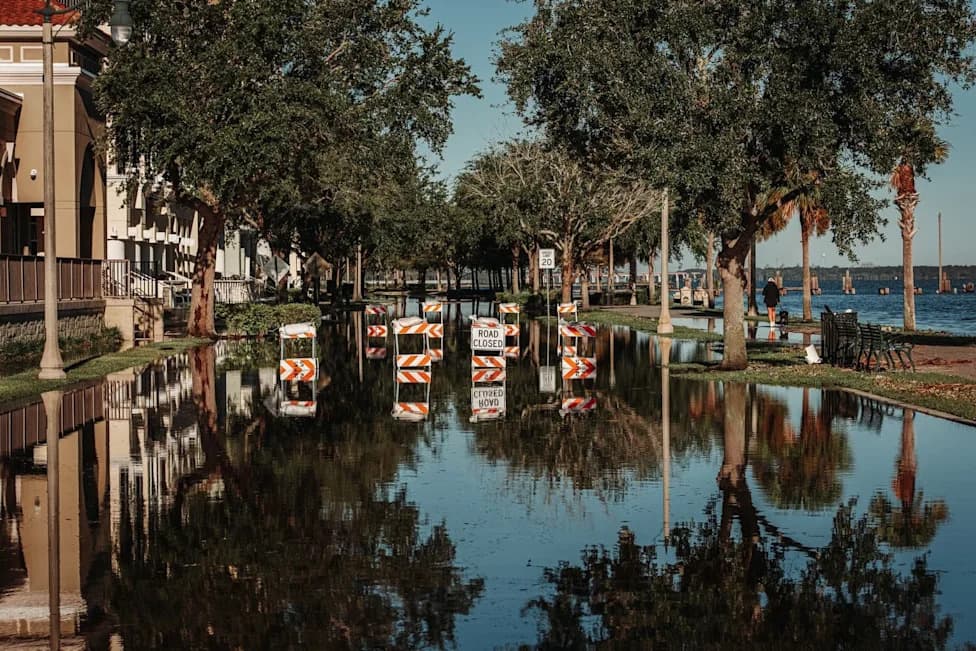
A gap in federal flood policy allowed some North Carolina residents to return to riverfront lots with repeated flood histories, leaving families with limited affordable housing options exposed to renewed danger, according to an investigation co-published by ProPublica and The Assembly.
Deadly Consequences During Hurricane Helene
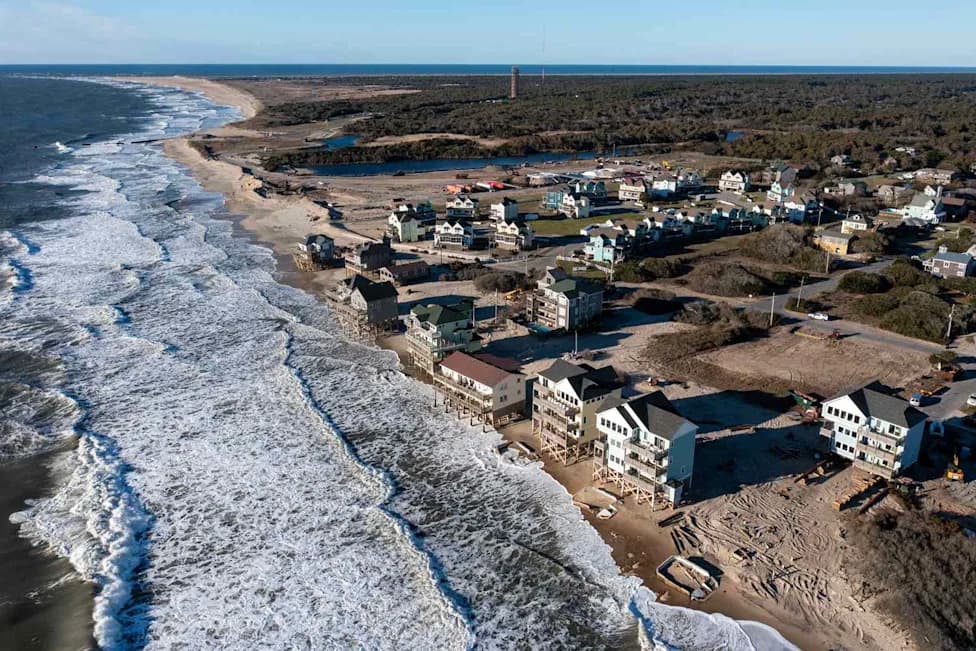
In September 2024, Hurricane Helene killed more than 250 people nationwide, including 108 in North Carolina, and left Asheville without safe drinking water for 53 days. State officials say roughly one in four storm-related deaths in North Carolina were tied to mudslides and landslides.
The investigation highlights a federal policy failure at a Haywood County mobile-home park, where residents were allowed to remain on riverfront lots after earlier storms had already destroyed homes there. Joe Rogers moved into the park in 2006 when flood maps identified risk but not at a level that legally required elevating his home. That technical distinction proved fatal in 2024.
Rogers and his wife, Sandra, had survived a smaller flood in 2021. When Helene arrived, water rose from ankle height to chest height in under an hour. Joe escaped with the help of neighbors; Sandra was swept away after their home broke free from its foundation and drifted downstream.
Flood History and Missed Opportunities
The hazard at the park was visible for years. Residents remember Hurricane Frances in 2004 tearing homes from foundations — one mobile home was carried down the street, struck a telephone pole and lodged beneath a bridge. After those floods, county officials purchased a property across the river to reduce risk, but the mobile-home park itself was not included in buyouts. As a result, more residents continued to move onto the same flood-prone land.
John Dorman, former director of North Carolina’s Floodplain Mapping Program, told reporters that coastal areas have often received more mapping and mitigation attention than inland communities, leaving some inland flood maps dated to the 1970s and 1980s. In some jurisdictions, officials apply only the minimum federal standards — rules that can still permit campers and recreational vehicles in floodplains. At the Haywood County park, five campers now occupy the riverfront lots where mobile homes once stood.
“Ain't that the definition of insanity: keep doing the same thing, hoping for a different result?” Rogers told ProPublica and The Assembly. “They're going to — I hope none of them does, you know — lose a spouse and everything that they own.”
Policy and Recovery Challenges
North Carolina Emergency Management told ProPublica and The Assembly that buyouts for mobile-home parks are handled the same way as those for commercial or residential parcels: park owners and local governments must pursue them. In Haywood County, one recovery officer said he “did not know it was even possible” to buy out entire mobile-home parks, underscoring confusion about available tools and responsibility for mitigation.
Elsewhere, policymakers have moved to tighten rules. After devastating floods in 2025, the Association of State Floodplain Managers in Texas developed model ordinances recommending annual permits for campgrounds in floodplains, stronger emergency plans, and stricter limits on building in floodways.
Broader Fallout
The reporting also documents broader insurance and policy gaps that left residents exposed after Helene: outdated maps and minimal federal standards that allowed risky development, buyout hurdles that shifted responsibility away from public agencies, and shrinking insurance options in some states that increase long-term homeowner vulnerability.
- Haywood County mobile-home park had repeat flood losses dating back to 2004.
- Technical distinctions in flood maps meant some homes were not required to be elevated.
- Buyouts for parks often depend on park owners or local governments to initiate acquisition.
- Campers and RVs are replacing elevated homes on some riverfront lots, maintaining exposure.
- Policy and insurance reforms in other states point to possible solutions, but implementation remains uneven.
The investigation offers a sobering look at how policy gaps, outdated mapping, and limited mitigation options can trap vulnerable families in harm's way — and how corrective actions taken elsewhere could inform reforms in North Carolina.
Help us improve.