Republican leaders at the Dallas convention signaled increasing concern that North Carolina's Senate race is drifting out of reach as Democrat Roy Cooper holds a steady lead over GOP nominee Michael Whatley. Super PACs have pledged major sums — the Senate Leadership Fund committed $71 million (including a $17 million summer ad buy) and MAGA-linked groups have spent millions — but operatives warn money alone may not reverse the trajectory. Key uncertainties include campaign execution, turnout among low-propensity Republican voters and Trump's standing with unaffiliated voters, all of which will shape November's outcome.
Republicans Warn North Carolina Senate Seat Is Slipping as Cooper Maintains Double-Digit Lead
Republicans fear they have a North Carolina problem
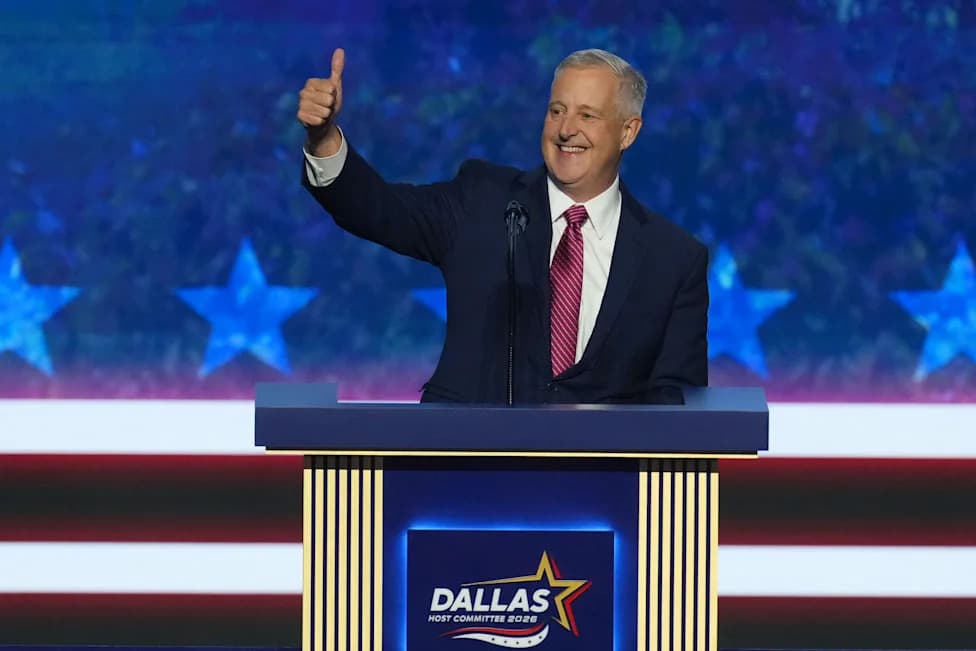
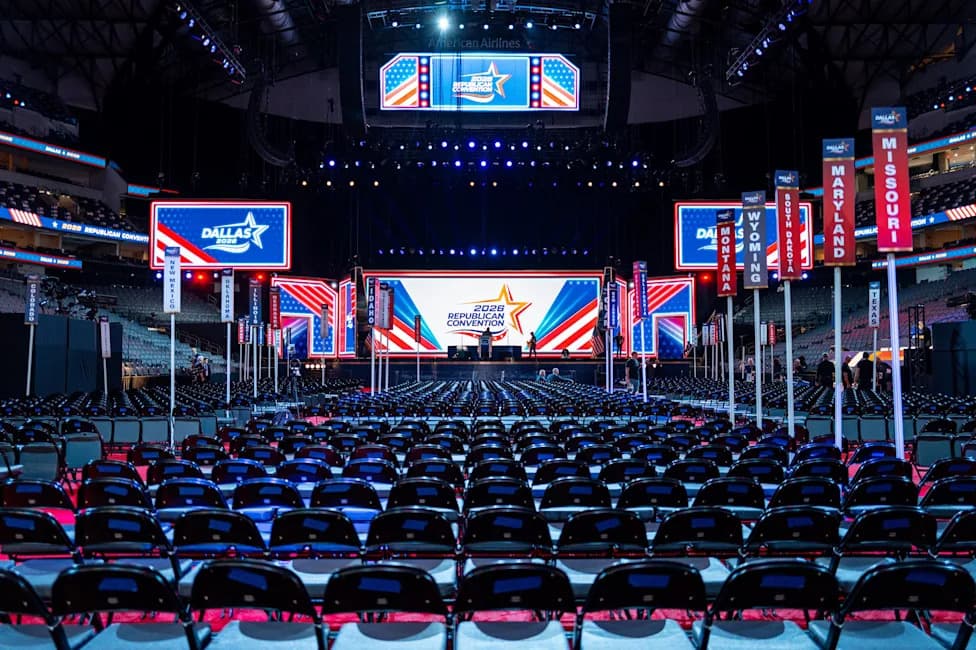
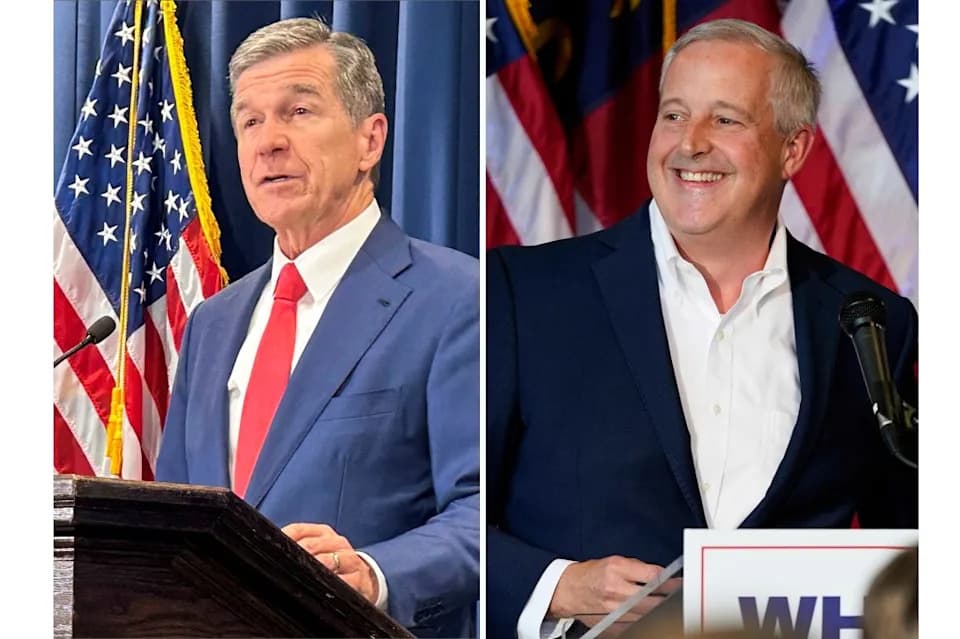
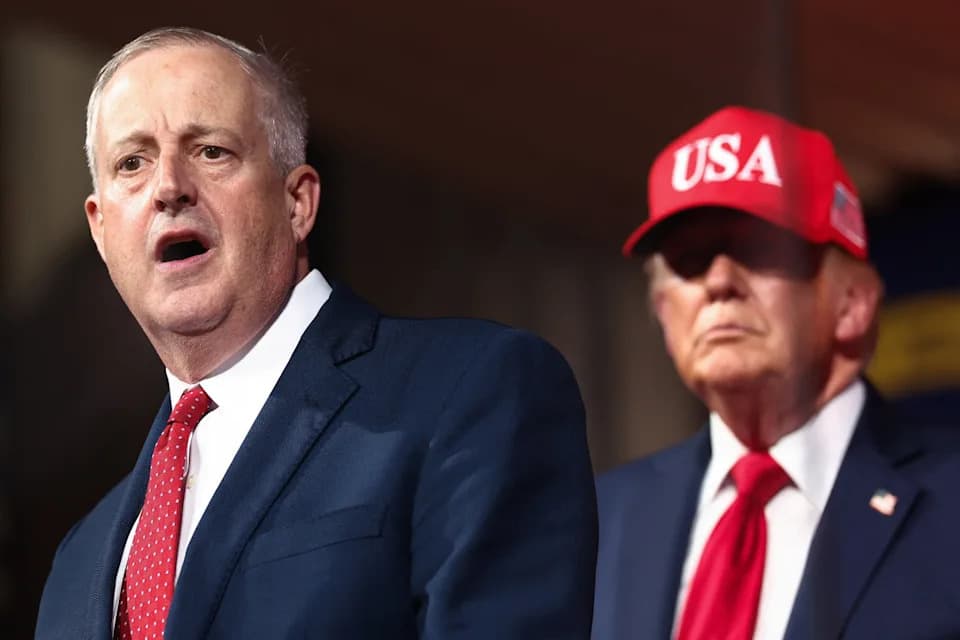
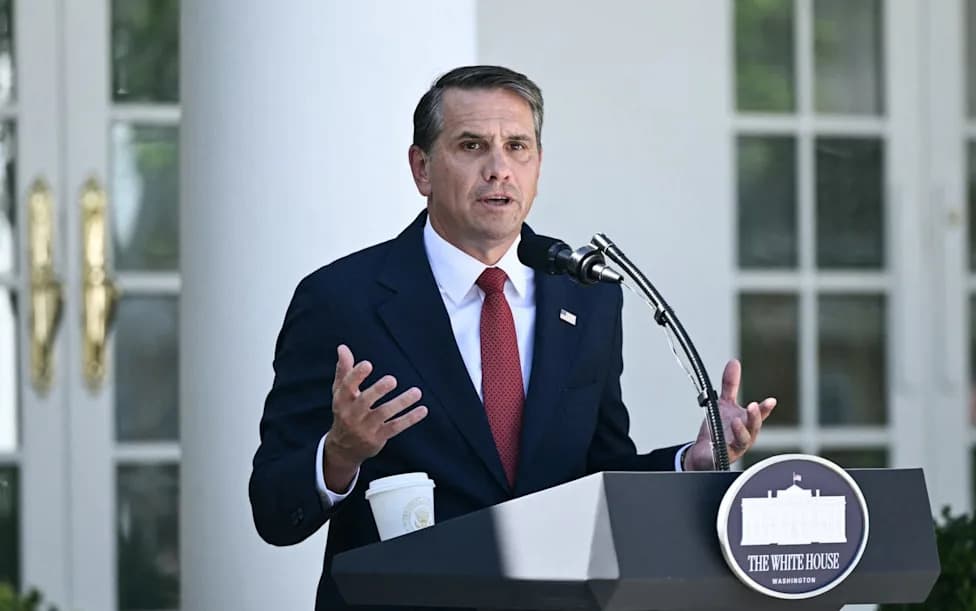
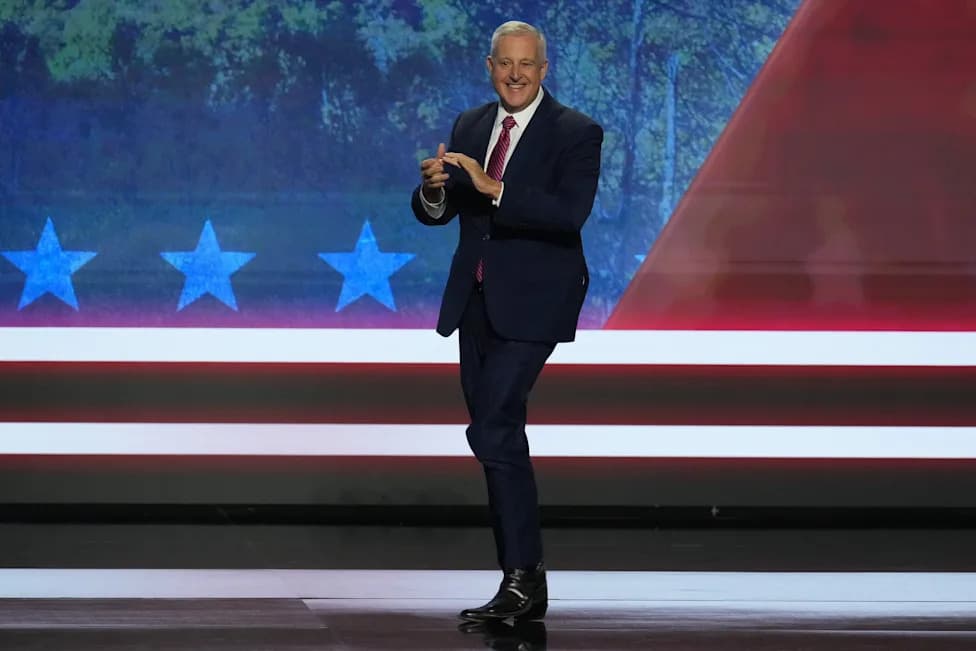
DALLAS — Republican operatives and party leaders at the GOP's midterm convention in Dallas signaled growing concern that North Carolina's Senate contest is moving out of reach as Democrat Roy Cooper holds a consistent lead over Republican nominee Michael Whatley.
For weeks, strategists argued that a post-Labor Day infusion of cash could revive the largely stagnant race. But with Whatley unable to substantially close the gap in public polls, some Republican officials say time — and political capital — may be running short.
Alarm Bells in Dallas
Concerns surfaced in hallway conversations, private lunches and onstage remarks. Sen. Rick Scott, the former chairman of the National Republican Senatorial Committee, told POLITICO that North Carolina is "probably one of the hardest" states on the map this cycle because Whatley is effectively running against an incumbent-level figure in Cooper, the sitting governor.
"You're running against an existing governor," Scott said of Cooper. "So that makes it harder in an open seat."
At a closed lunch attended by Senate Majority Leader John Thune and officials from the Senate Leadership Fund (SLF), Thune emphasized other priorities such as Alaska, Maine and Michigan. "North Carolina and Georgia are seen by most as off the map at this point," a participant said, underscoring the party's debate over where to deploy scarce resources.
Polling, Money and Momentum
Recent public polling has consistently shown Cooper ahead. One survey released Thursday found the Democrat leading Whatley by 11 points among likely voters. That margin and the campaign dynamics prompted frank discussions about whether additional spending can still change the race.
Outside groups have already committed significant resources: the Senate Leadership Fund pledged an initial $71 million in North Carolina through Election Day, including an initial $17 million summer ad buy supporting Whatley. No Going Back PAC, affiliated with MAGA Inc., reported roughly $5 million in recent spending in the state. Observers note that North Carolina's expensive media markets may require substantially more investment by either party.
Whatley told POLITICO he was confident the campaign will secure the resources needed to communicate with voters and that he would "wait and see" how support from MAGA-aligned groups develops. Still, some operatives argue that even a large infusion of cash would require a disciplined campaign operation to turn dollars into votes.
Political Constraints and the Road Ahead
Republicans face additional structural challenges beyond funding: motivating low-propensity GOP voters who tend to support Trump but often skip midterms, and overcoming Trump's weak standing with unaffiliated voters — a group Whatley must win over to prevail. Party strategists in Dallas repeatedly noted the need to prioritize winnable contests, warning against diluting resources across too many expensive races.
NRSC officials pushed back on any sense of defeat, citing past examples where summer polling favored Democrats only for Republicans to prevail in November. Bernadette Breslin, the NRSC national press secretary, cited the 2020 cycle — when polls showed Sen. Thom Tillis trailing before he ultimately won — as evidence that late shifts are possible.
The White House later confirmed that former President Donald Trump will travel to Gastonia, North Carolina, next week for a campaign rally with Whatley. The campaign hopes the visit will boost turnout among late-deciding Republican voters.
Democrats, meanwhile, are cautious rather than complacent. The Cooper campaign says his lead has narrowed slightly in some internal measures and is treating the contest as a margin-of-error race given North Carolina's history as a competitive battleground.
Ultimately, the November outcome will hinge on three key variables: how much outside money flows into the state, whether Whatley's campaign can convert that spending into persuasive, well-targeted outreach, and whether Republicans can raise turnout among core and unaffiliated voters. Until those pieces fall into place, many in the GOP view North Carolina as a difficult — but not impossible — path to victory.
Meredith Lee Hill contributed to this report.
Help us improve.