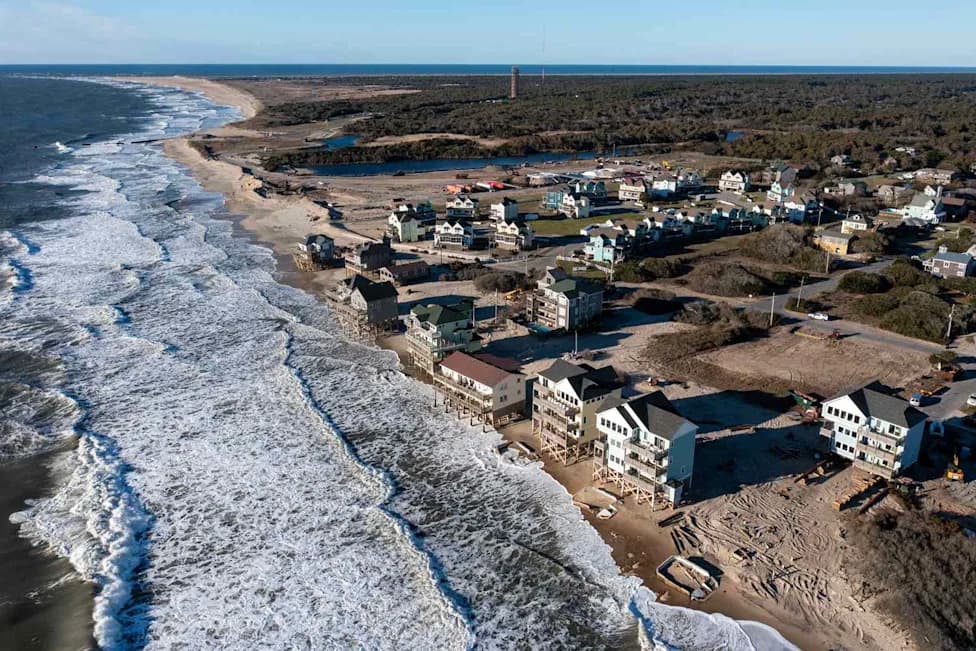
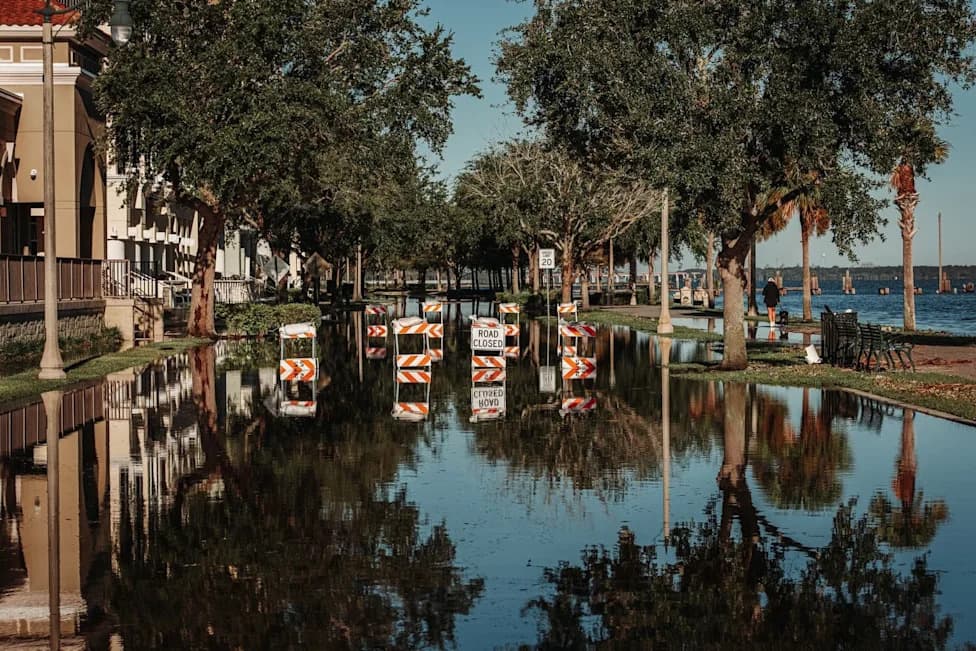
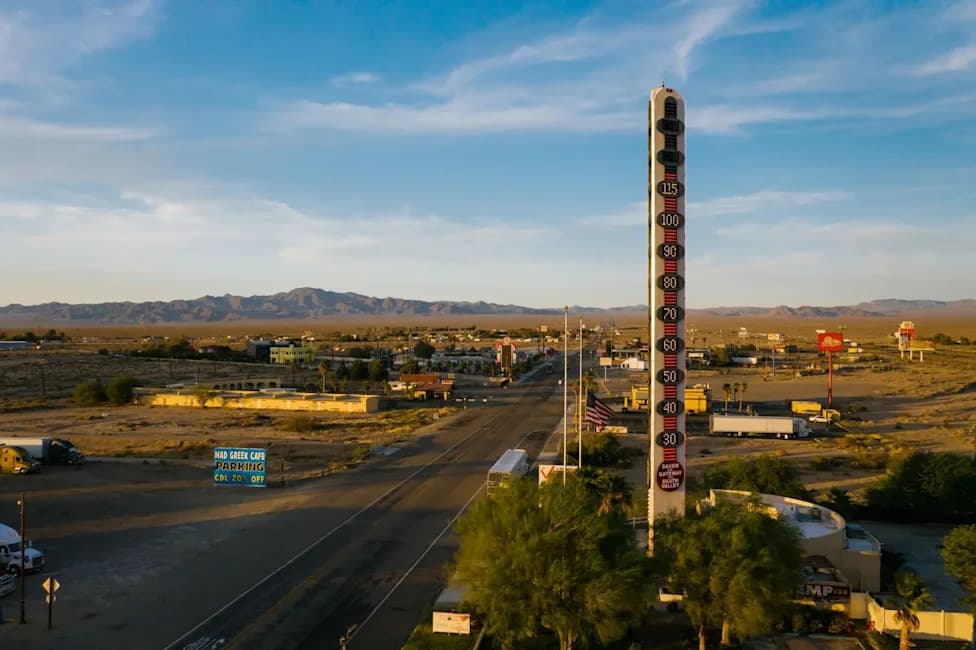
Despite frequent warnings of mass "climate flight," census data do not show broad departures from many hot cities—Phoenix grew from 4,875,000 in 2020 to 5,229,000 in 2025. The most concrete, measured evidence of weather-driven removals comes from FEMA buyout records, which document federal purchases of heavily damaged homes. Western North Carolina and Kentucky top the buyout counts, reflecting major floods and hurricanes, but buyouts capture only a narrow slice of climate-driven relocation.
Where Climate Has Already Forced People To Leave: What FEMA Buyouts Reveal
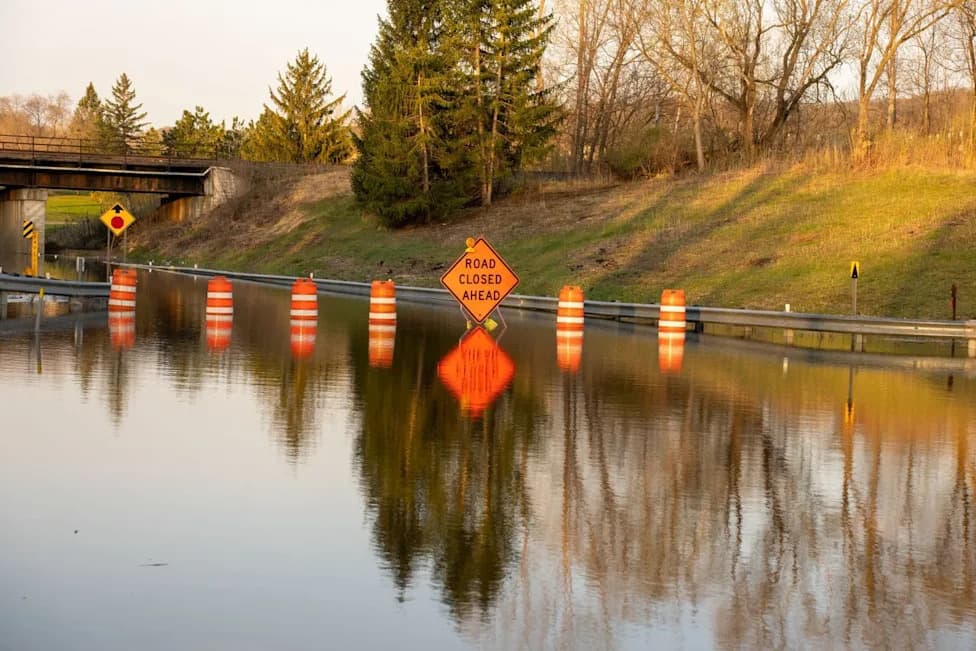
Photo by Tom Fisk on Pexels
Stories about cities emptied by climate change—Miami, Houston, Phoenix—are common. But census figures show no broad exodus from many of those places: Phoenix's population, for example, rose from 4,875,000 in 2020 to 5,229,000 in 2025 despite more than 100 days above 100°F during that period. At the same time, some places often considered relatively "climate-safe," such as Detroit, continue to lose residents.
That mix of trends complicates claims of widespread "climate flight." Researchers and reporters point to multiple drivers of migration: housing costs, jobs, and local amenities can attract people even as weather risks grow. Redfin, for example, has reported an uptick in moves away from flood-prone areas, but the company frames that finding as "suggestive" rather than definitive.
FEMA Buyouts: A Concrete, Narrow Signal
The clearest hard evidence that weather disasters have forced removals comes from FEMA's Hazard Mitigation Assistance Mitigated Properties dataset (OpenFEMA). FEMA funds buyouts of homes severely damaged by floods or storms so that structures are removed from recurring-risk zones. Those buyout records represent properties that were effectively taken out of use because of disaster damage.
Photo byCasey CalhounonUnsplash
The dataset is relatively small and focused mainly on flood-related buyouts, but it aligns with identifiable disaster events. Western North Carolina shows the highest number of buyouts after catastrophic impacts from Hurricane Helene, which the National Weather Service described as producing "historic and catastrophic flooding, landslides, and extreme winds." Kentucky's high count reflects the devastating eastern Kentucky floods in 2022. Other states on the list similarly tie to specific flood or storm events.
Selected FEMA Buyout Records By State
- North Carolina — 785 buyout records — Hurricanes Florence (2018) and Helene (2024)
- Kentucky — 533 — Eastern Kentucky floods (2022)
- Iowa — 361 — Missouri River floods (2019)
- Vermont — 246 — Floods in 2023 and 2024
- Pennsylvania — 235 — River flooding
- West Virginia — 217 — Flash flooding
- Ohio — 216 — River flooding
- Wisconsin — 191 — River flooding
- Illinois — 181 — River flooding
- Florida — 118 — Hurricanes
- Louisiana — 114 — Hurricanes
- Virginia — 111 — Flooding
- New Jersey — 110 — Ida (2021) and coastal flooding
Photo credit: Casey Calhoun / Unsplash
What This Does — And Does Not — Show
FEMA buyouts provide a concrete, verifiable indicator of homes removed because of disaster damage, but they capture only one pathway by which climate and weather affect settlement patterns. Buyouts are concentrated in flood-prone areas and reflect properties that met criteria for federal acquisition; they do not include people who move for rising heat, gradual sea-level changes, insurance nonrenewals, or economic reasons tied indirectly to climate. Migration driven by heat or affordability pressures can unfold slowly and unevenly, while buyouts tend to follow discrete disasters.
Bottom line: Some communities have already lost homes and residents through FEMA buyouts linked to floods and storms. But nationwide demographic shifts related to long-term climate risks are more complicated and slower-moving, shaped by economic opportunities, housing markets, insurance, and the timing and severity of disasters.
Help us improve.