Gov. Gavin Newsom signed a suite of energy-affordability laws that promote virtual power plants (VPPs)—networks of customer-owned batteries, EV chargers and smart devices—to help reduce peak demand and avoid costly grid upgrades. SB 913 directs regulators to better measure and reward distributed resources that can substitute for gas-fired "peaker" plants; SB 905 requires utilities to report grid utilization and includes broader cost-control measures. The package also limits certain rate-account practices, funds transmission priorities, and seeks to curb utility profits on some large investments, though final savings will depend on regulatory implementation.
Newsom Approves Virtual Power Plants and Utility Cost Controls to Tackle Soaring California Bills
Newsom finally says yes to virtual power plants
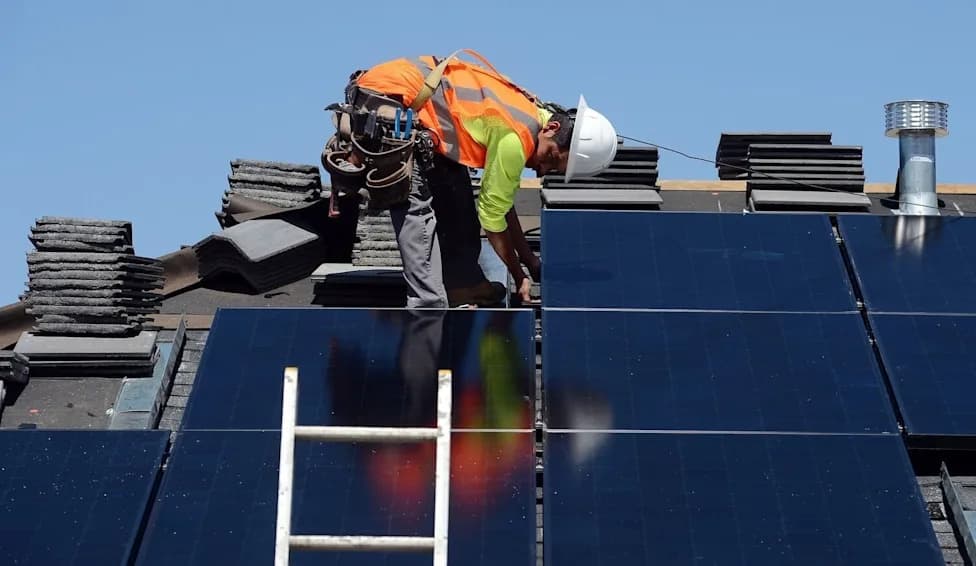
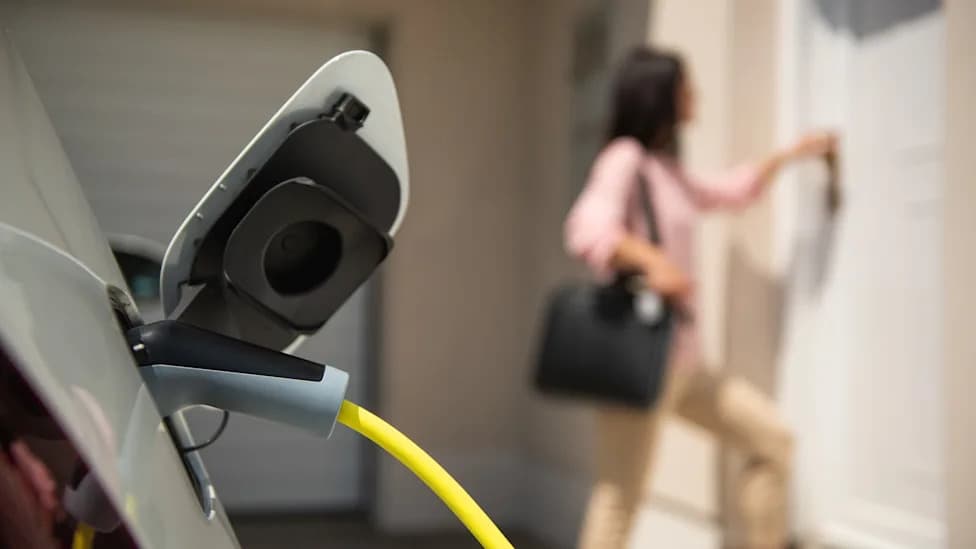
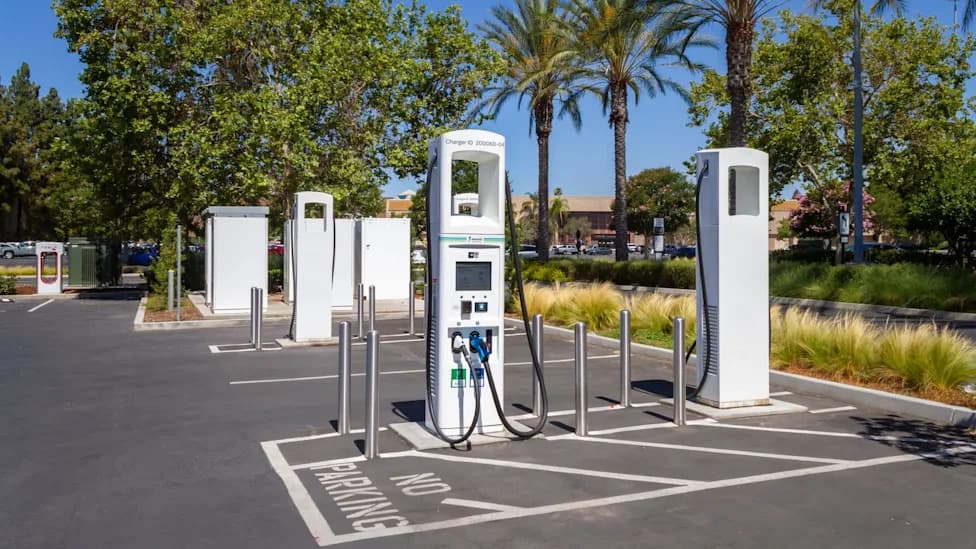
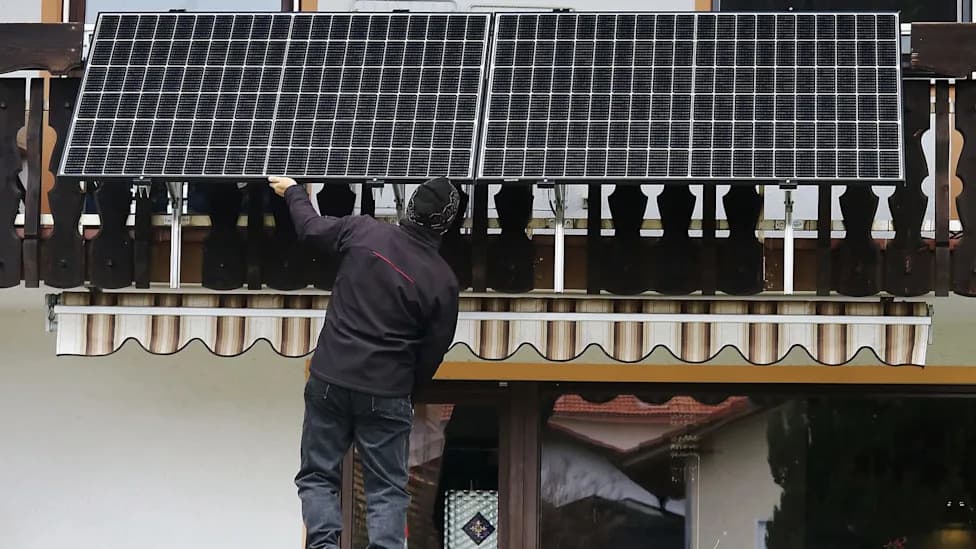
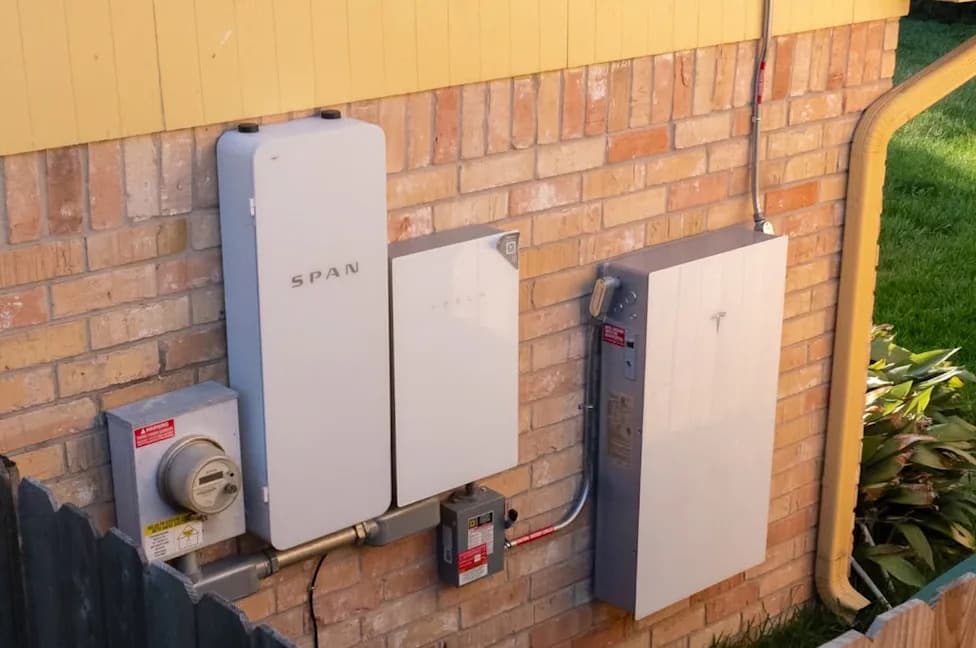
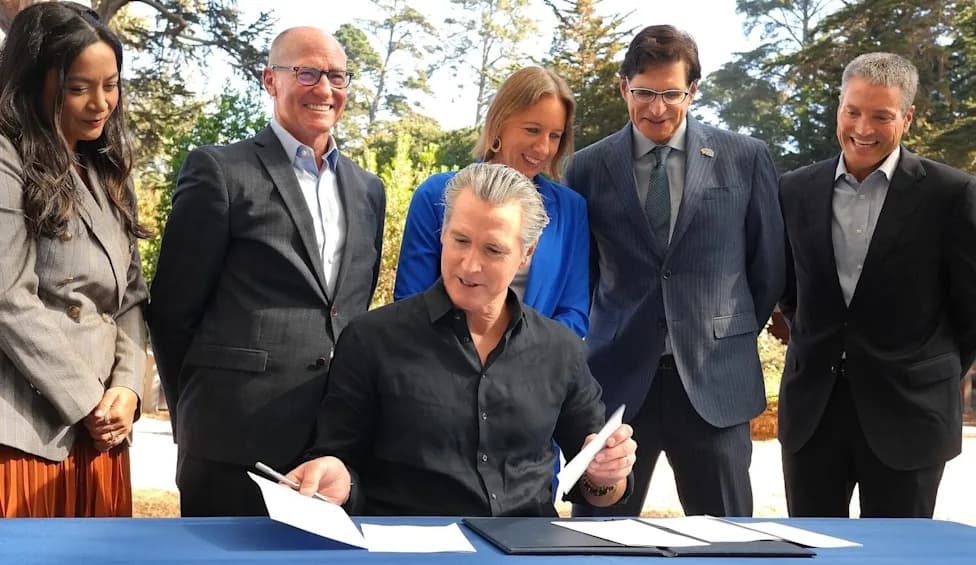
California Gov. Gavin Newsom on Wednesday signed a package of energy-affordability bills aimed at lowering customer bills and reining in utility spending. The legislation includes two measures to expand the use of virtual power plants (VPPs)—coordinated networks of rooftop solar–charged batteries, EV chargers, smart thermostats and other controllable devices—as a lower-cost alternative to expensive grid upgrades and gas-fired “peaker” plants.
The new laws drew praise from consumer advocates, clean-energy trade groups and environmental organizations, even as they reflect a compromise between reformers and utilities. "I'd say we saw today a lot of evidence that Gov. Newsom has really prioritized affordability and accountability to an increased extent," said Mark Toney, executive director of The Utility Reform Network, a ratepayer-advocacy group that sponsored several bills enacted this session.
What The VPP Bills Do
Two bills—Senate Bill 905 and Senate Bill 913, both authored by Sen. Josh Becker (D)—create new openings for aggregating and compensating customer-owned resources for grid services.
SB 913 focuses on the high cost of keeping aging gas-fired ‘‘peaker’’ plants available for a few hours each year. Historically, utilities have paid customers to curtail electric use during peaks (for example, by temporarily dialing back air conditioners). SB 913 directs the California Public Utilities Commission (CPUC) and the California Independent System Operator (CAISO) to better measure and reward the grid value provided by distributed resources—batteries, EV chargers and demand-response devices—so these resources can more reliably compete with costly fossil-fuel backups.
SB 905 requires utilities to begin measuring and reporting how efficiently they use existing grid capacity. Utilities often overbuild lines and substations to meet rare peak demand, leaving much of that capacity idle much of the time. By revealing where underused capacity exists, regulators can identify opportunities for VPPs or other distributed energy resources to reduce the need for expensive infrastructure upgrades. SB 905 also bundles broader cost-containment measures that build on last year’s SB 205.
Broader Cost-Containment Measures
Beyond VPPs, the legislative package includes steps intended to limit how utilities pass costs to customers. The bills seek to curb return-on-equity applied to certain large investments—particularly wildfire-prevention spending—and encourage utilities to finance a larger share of projects with debt rather than rate-base equity, which can lower the portion of expenditures that earn regulated profits.
SB 1098 restricts utilities’ use of balancing and memorandum accounts—mechanisms designed to manage unpredictable costs that have sometimes been used extensively to shift expenses into rates. Assembly Bill 2493 orders the CPUC to monitor major transmission projects and take remedial action if buildouts fall behind schedule.
Newsom also signed Assembly Bill 192, which allocates $325 million from a voter-approved climate bond package to support a "transmission accelerator" program intended to help fund priority transmission projects.
Context and Next Steps
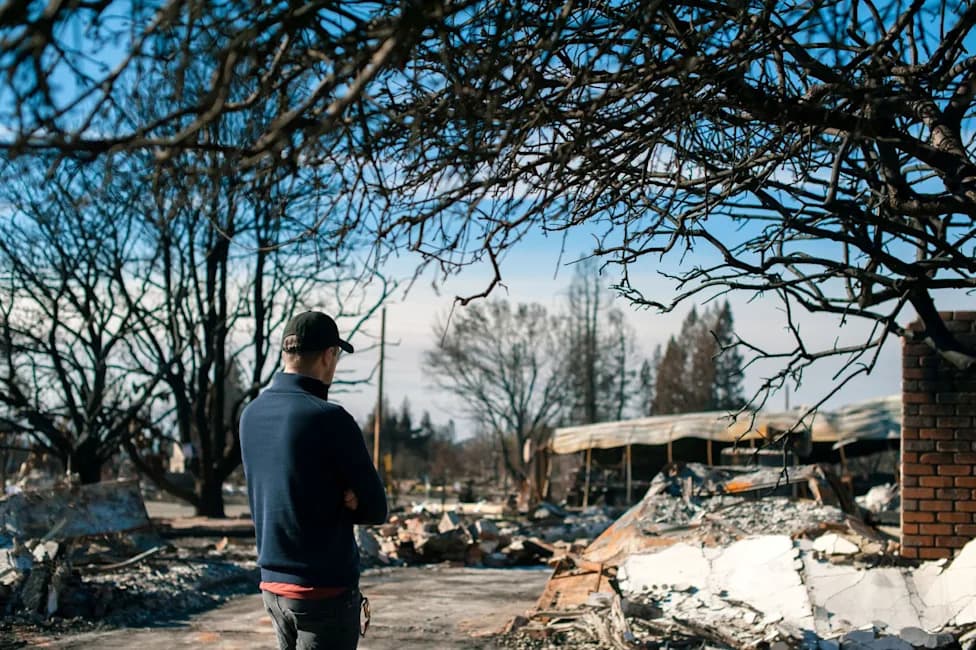
The bills respond to mounting public frustration: average residential rates charged by California’s three largest investor-owned utilities have climbed to well above the U.S. average over the past decade, even as many of those companies reported record profits.
Supporters welcomed the governor’s action but warned that regulatory implementation will determine outcomes. "Implementation of the bill at the CPUC under the next governor will determine whether customers see lower bills," said Brad Heavner, executive director of the California Solar and Storage Association.
Newsom has previously vetoed VPP legislation and reduced funding for the state’s flagship VPP program, so this shift marks a notable policy turn. The CPUC and CAISO will now begin the rulemaking and valuation work required to measure, compensate and integrate customer-provided resources at scale. If those agencies design robust, transparent compensation and verification systems, VPPs could become a cost-effective tool to reduce peak demand and lower long-term customer bills.
Bottom Line: The package combines targeted reforms to encourage distributed resources with broader accountability measures aimed at limiting utility overspending. The real-world benefits for customers will depend on how regulators implement the new laws and whether utilities adopt more efficient planning practices.
Help us improve.