The DNC has sued the Trump administration, alleging an unlawful, last-minute change to the Federal Post Card Application removed a checkbox that helped U.S. citizens who never lived in the country request absentee ballots. The Pentagon submitted emergency edits in August and OMB approved them quickly; DNC lawyers say the move violated the Administrative Procedure Act by avoiding public notice and comment. Advocates warn the revision could confuse or deter eligible overseas voters; about 2.2 million U.S. citizens live abroad and roughly 11% voted in 2024.
DNC Sues Over Emergency Change to Overseas Voting Form, Calling Move Illegal and Disenfranchising
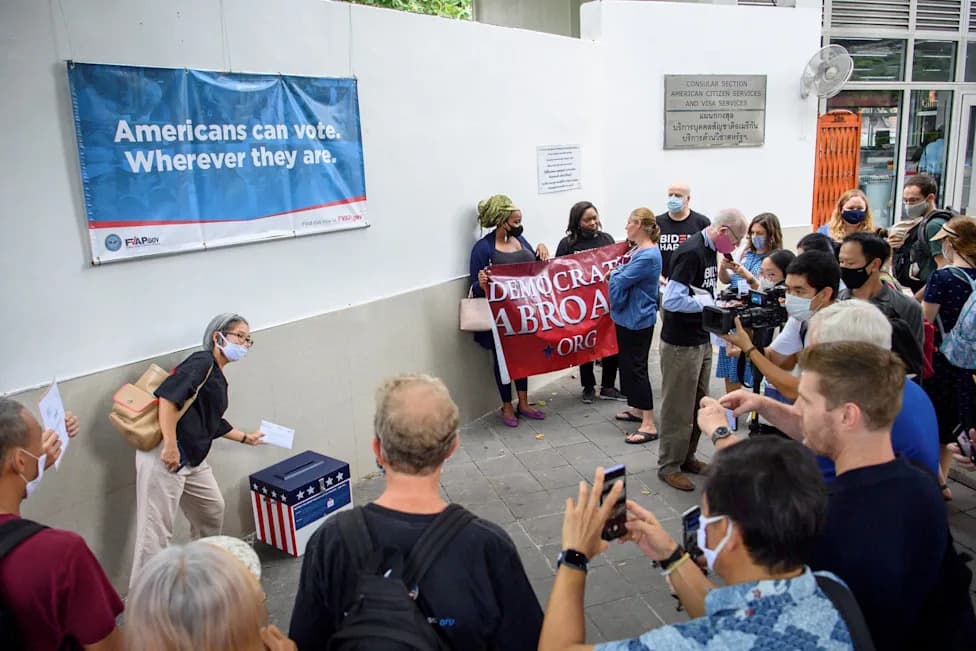
Members of the group Democrats Abroad gather to post their ballots for the 2020 US presidential elections into a special postbox provided by US embassy in Bangkok on 24 September 2020.Photograph: Mladen Antonov/AFP/Getty Images
The Democratic National Committee (DNC) filed a federal lawsuit on Thursday accusing the Trump administration of illegally rushing through last-minute edits to the Federal Post Card Application (FPCA) — the form U.S. citizens abroad use to register and request absentee ballots. The complaint contends the Pentagon and the Office of Management and Budget (OMB) sidestepped required procedures and thereby risked confusing or discouraging eligible overseas voters.
What Changed
Until August, the FPCA allowed overseas applicants to indicate one of four geographic-status options: active military service; residing abroad with an intent to return to the United States; residing abroad and uncertain about returning; and a checkbox for U.S. citizens who have never lived in the country. The latter category is recognized by 38 states and the District of Columbia for at least some elections.
As the deadline to send overseas ballots approached, the Pentagon submitted two emergency requests to modify the form. Among the changes was the removal of the "never lived in the U.S." checkbox. OMB approved the emergency edits quickly; NPR first reported the changes.
Legal and Practical Concerns
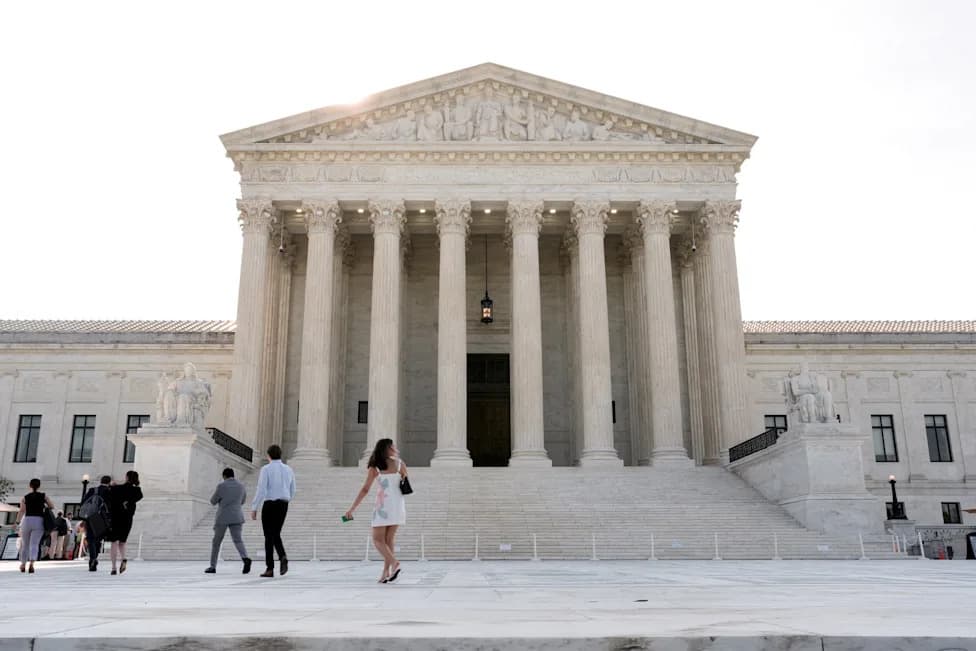
The DNC argues the rushed process violated the Administrative Procedure Act (APA), which generally requires agencies to publish proposed rule changes, allow public comment, and reasonably justify departures from normal procedures. The lawsuit asks a federal court in Washington, D.C., to declare the agency action unlawful and to set aside the revisions to the FPCA.
"Trump and Republicans are so desperate to hang on to power that they are trying to eliminate the way some American citizens abroad register to vote and request mail ballots," said Ken Martin, chair of the DNC.
Voting-rights advocates and election experts warned the edit could deter eligible voters who have never lived in the United States from completing the FPCA. Susan Dzieduszycka-Suinat, president and CEO of the U.S. Vote Foundation, said the Uniformed and Overseas Citizens Absentee Voting Act guarantees voting rights for U.S. citizens abroad and does not require a plan to return. "Changing the form does not change that right. It changes whether a voter recognizes themselves on it," she said.
A DNC official, speaking on condition of anonymity, described how an overseas voter using the online FPCA might respond when the familiar checkbox is gone: the remaining options may not fit, and the voter could be unsure about signing the form under penalty of perjury.
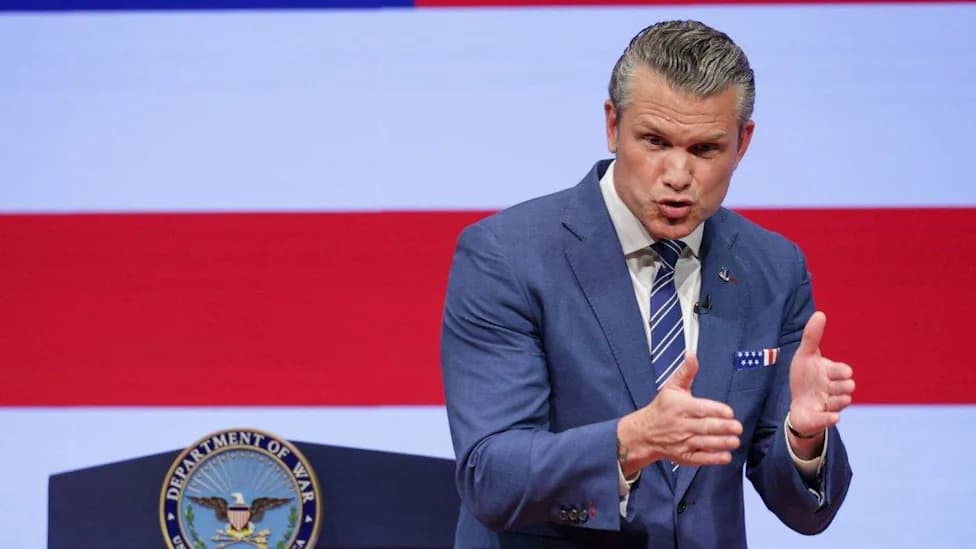
In an August letter to OMB, Sean O'Keefe, deputy under secretary of war for personnel and readiness, said the Pentagon had recently discovered the "never-resided" option and concluded the existing language "may confuse voters about the information they are required to provide under federal law." He argued the edits were time-sensitive because the election was fewer than 90 days away and therefore required expedited action.
Lawyers for the DNC called that rationale pretextual, noting the government has more than 15 years of experience issuing guidance to U.S. citizens born and remaining abroad and reviewing public comments about the FPCA.
Context and Numbers
According to the Federal Voting Assistance Program, about 2.2 million U.S. citizens live abroad and are eligible to vote; the largest expatriate populations are in Canada and the United Kingdom. Approximately 11% of eligible overseas citizens voted in 2024. It is unclear how many overseas Americans have never lived in the U.S.; a 2016 government estimate put the number at roughly 11,590, though DNC attorneys believe that figure may have grown.
Related Political Moves
The FPCA change coincided with a broader Republican push — led in part by the Republican National Committee (RNC) — to challenge counting ballots cast by U.S. citizens who never resided in the country. Republicans have filed lawsuits in nine states; courts have reached mixed outcomes, with at least one North Carolina court siding with Republican plaintiffs while other courts rejected similar claims.
The lawsuit seeks to restore the prior FPCA language and to require the government to follow APA procedures in any future changes. The Pentagon did not respond to requests for comment for this article.
Help us improve.