President Trump declared "major combat operations" against Iran on Feb. 28 and has said the war will be over "very soon," without offering specifics. Diplomatic talks in June collapsed and the Strait of Hormuz has become the primary flashpoint amid reported attacks on vessels. The U.S. has imposed new sanctions under "Operation Economic Outcast" and offered rewards to disrupt IRGC finances while Qatar mediates and Iran says it has submitted a seven-point proposal.
Trump Says Iran War Will End ‘Very Soon’ but Offers No Details as Tensions Persist
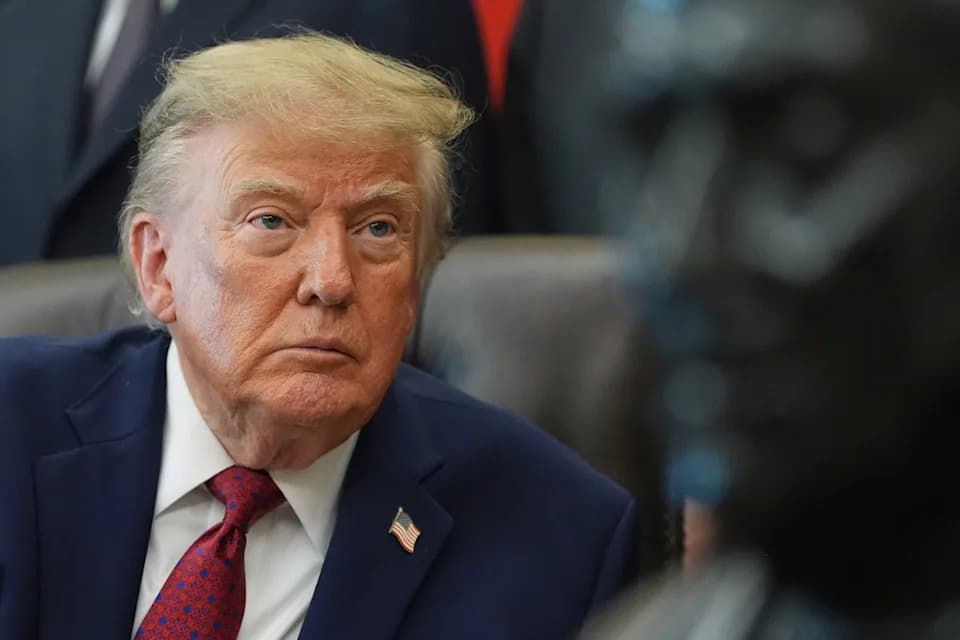
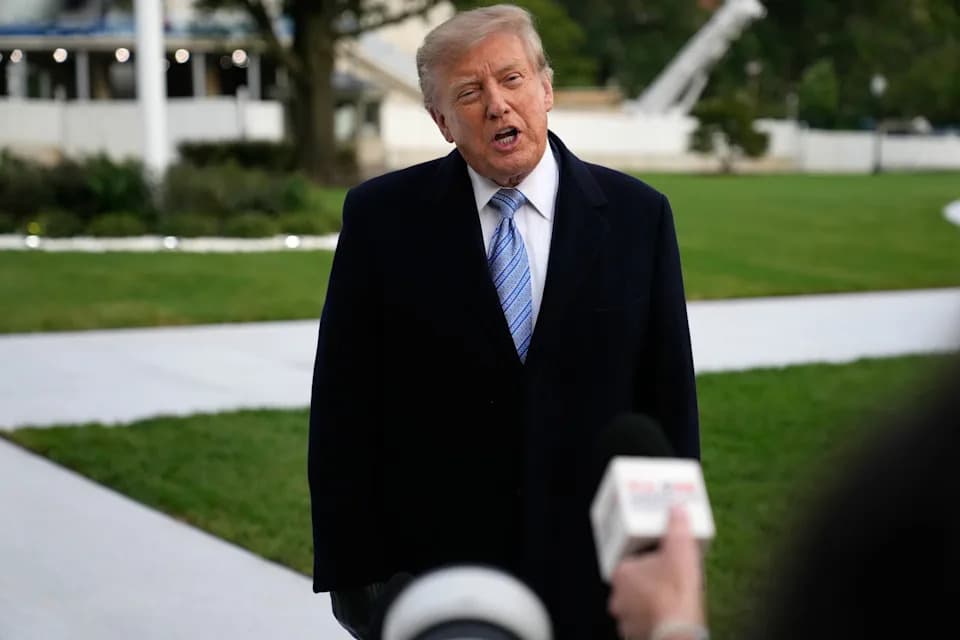
Alex Brandon/AP Photo - PHOTO: President Donald Trump listens to a question from a reporter in the Oval Office of the White House, Wednesday, Sept. 30, 2026, in Washington.
President Donald Trump on Feb. 28 announced the start of "major combat operations" against Iran, saying large-scale U.S.-Israeli strikes had targeted military, government and infrastructure sites. In subsequent remarks he repeated that the conflict would be resolved "very soon," but provided few concrete details about timing or a political endgame.
Diplomatic Efforts and Breakdown
Diplomatic delegations from Washington and Tehran opened talks in June seeking a war-ending deal based on a memorandum of understanding both sides had signed. Those negotiations later collapsed as the two countries continued to exchange strikes, and the strategic Strait of Hormuz emerged as the main flashpoint for maritime incidents.
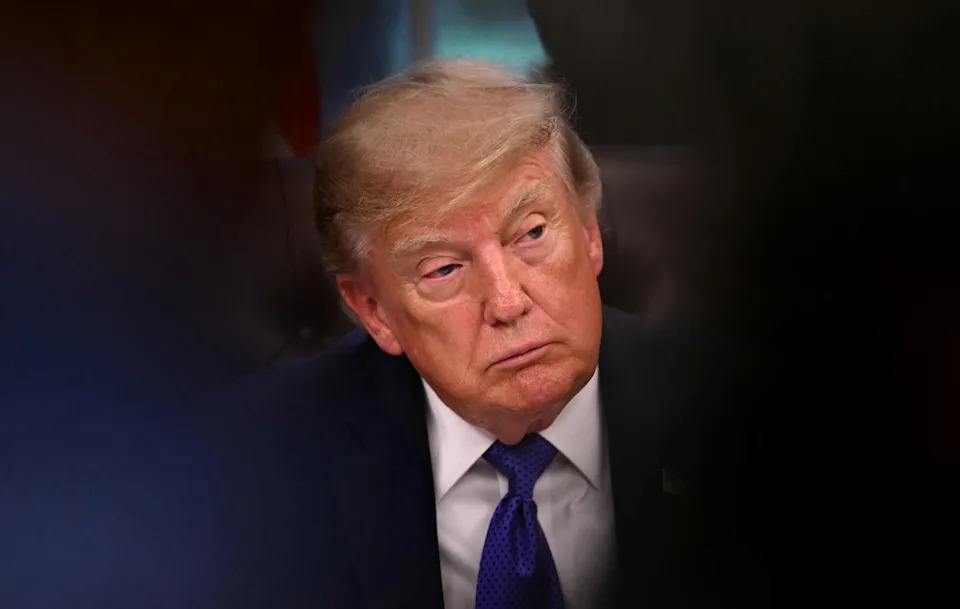
Kent Nishimura/AFP via Getty Images - PHOTO: President Donald Trump answers questions from reporters during an announcement in the Oval Office at the White House, September 28, 2026 in Washington.
U.S. Policy: Sanctions and Economic Pressure
The Trump administration announced new sanctions on entities and individuals accused of aiding Iranian arms procurement networks, describing the measures as part of an "Operation Economic Outcast" campaign. The State Department said it would offer rewards of up to $15 million for information leading to disruption of the Islamic Revolutionary Guard Corps' (IRGC) financial mechanisms.
Claims, Combat Costs and Maritime Incidents
Trump has repeatedly argued he is pressing Tehran militarily and economically. He claimed Iran's economy has been "virtually destroyed," citing more than 300% inflation and saying Tehran's navy, air force and anti-aircraft defenses had been neutralized. These assertions are presented as the president's claims and may not be independently verified.
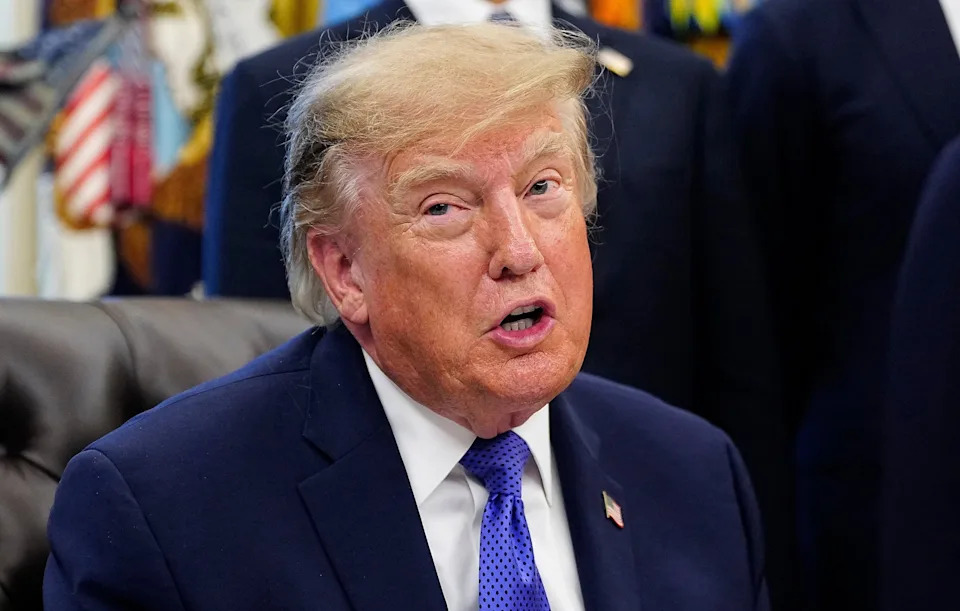
Bonnie Cash/EPA/Shutterstock - PHOTO: President Donald Trump answers questions from reporters during an announcement in the Oval Office at the White House, September 28, 2026 in Washington.
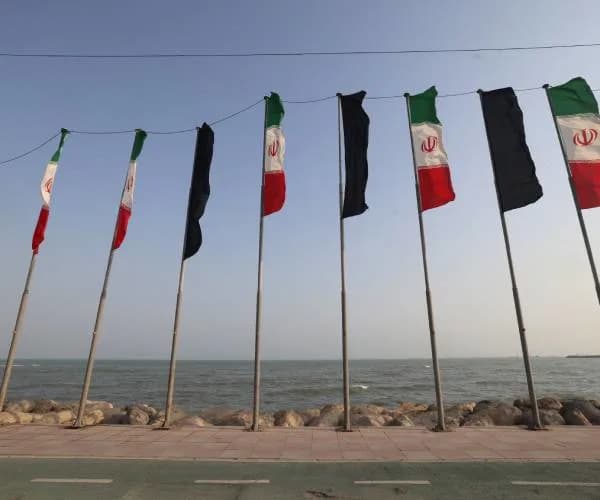
The U.K. Maritime Trade Operations (UKMTO) Centre reported vessels struck by suspected projectiles in the Strait of Hormuz and a tanker fire that was extinguished without casualties or environmental damage. Both sides have traded sharp public statements and competing narratives about whether shipping has returned to normal.
Trump: "We're going to have that war won very quickly, one way or the other."
Regional Mediation and Iran's Response
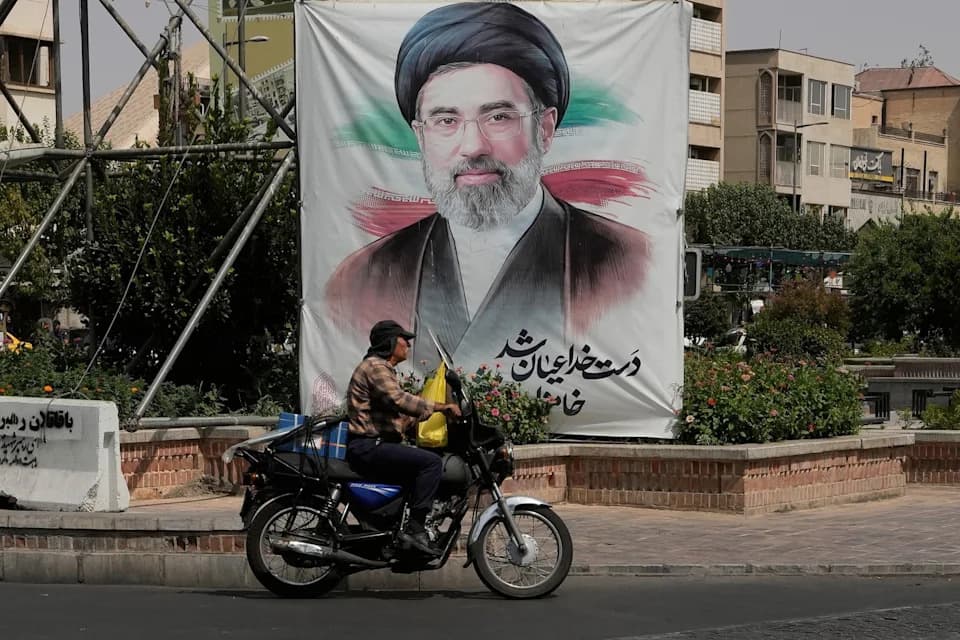
Qatar continues to mediate between the United States and Iran. Qatari officials said they remain engaged in message exchanges to build common ground and restore safe navigation through the Strait of Hormuz. According to Iranian state media, Tehran submitted a seven-point proposal to the U.S. through Qatari channels and is awaiting an official response.
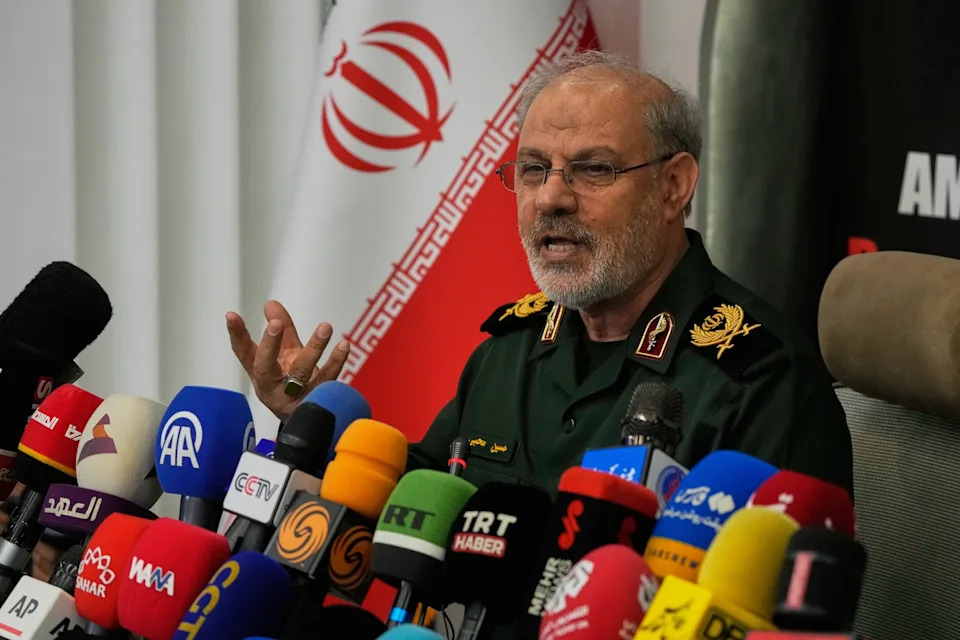
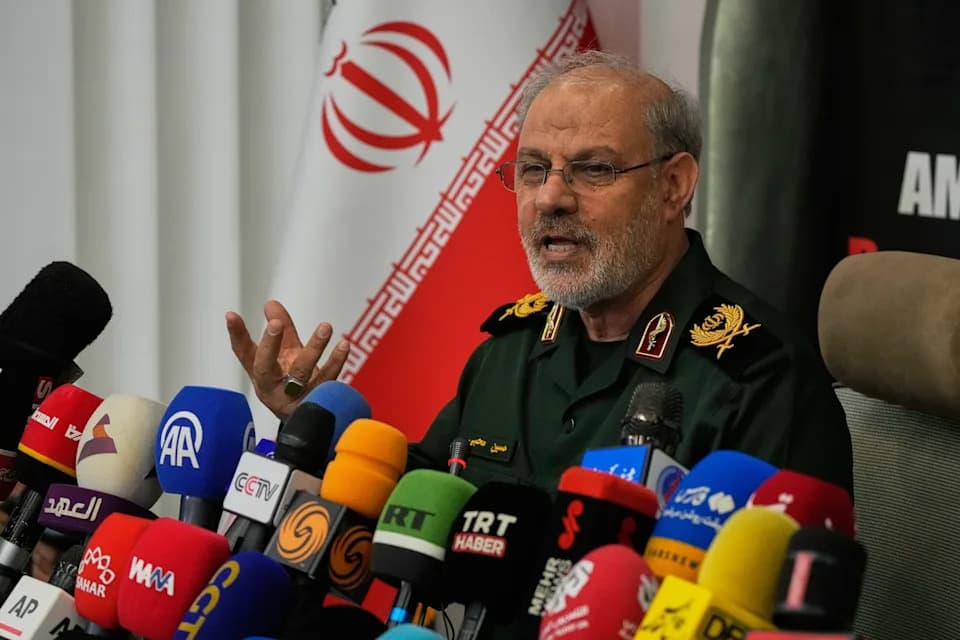
Vahid Salemi/AP Photo - PHOTO: Iran's Islamic Revolutionary Guard Corps spokesman Gen. Hossein Mohebbi speaks during a news conference in Tehran, Iran, on Sept. 29, 2026.
IRGC Spokesman Gen. Hossein Mohebbi: The U.S. should admit defeat and "leave the region," and Iranian officials rejected U.S. claims that shipping in the Strait has been fully restored.
Why This Matters
The combination of military action, economic pressure, and regional diplomatic initiatives underscores a volatile confrontation between Washington and Tehran. Maritime incidents in the Strait of Hormuz, public threats from political leaders, and sanctions targeting Iran's networks all heighten the risk of further escalation and disruption to global energy markets.
Note: Quotations and casualty figures cited in this article reflect public statements by officials and media reports; some claims (including figures on inflation and military degradation) have not been independently verified and are reported here as attributed to those sources.
Help us improve.