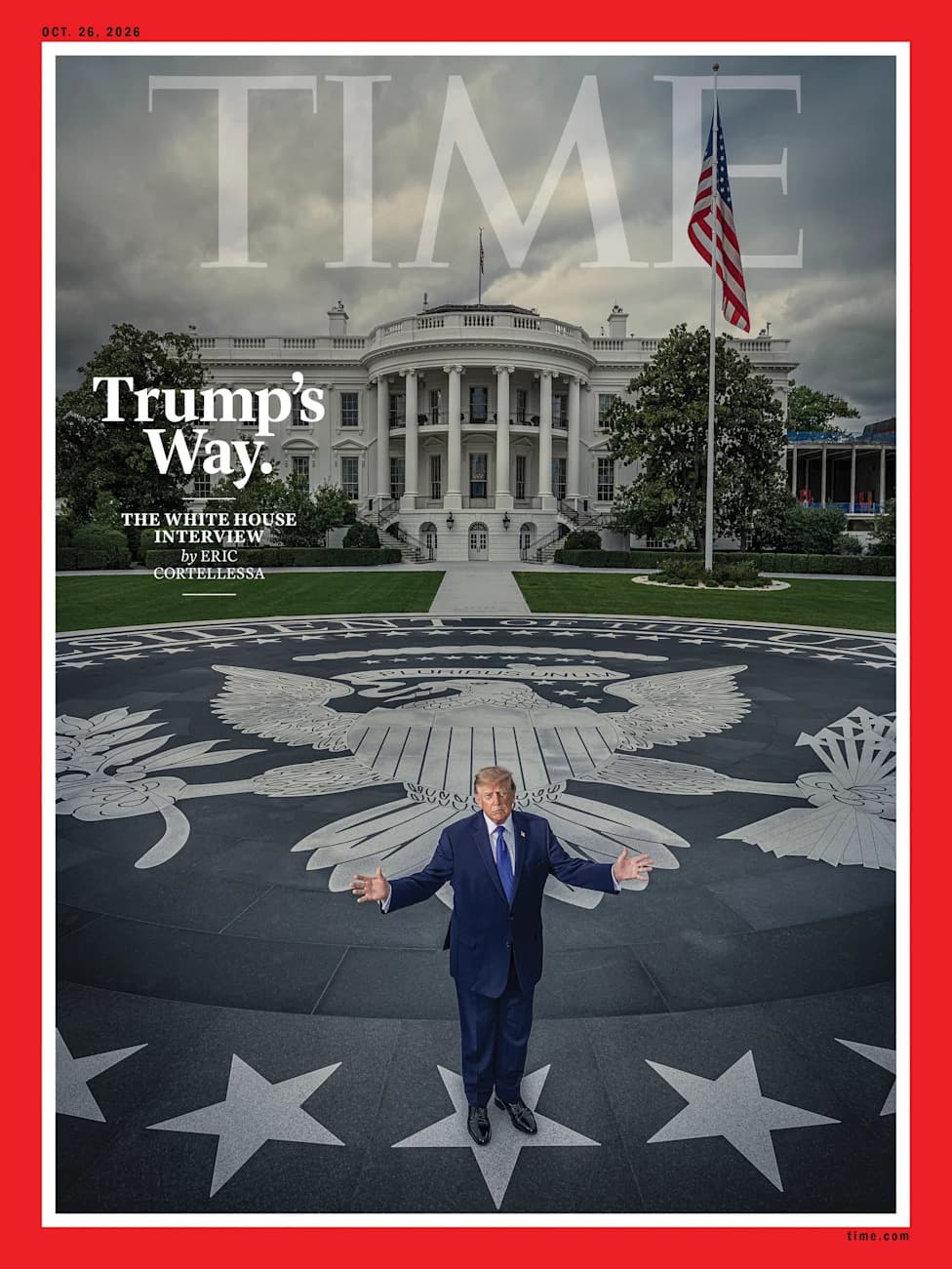
President Donald Trump sat for a lengthy TIME interview at the White House on Sept. 28, addressing AI, Iran, the Federal Reserve, the Supreme Court and his political outlook. He defended expanded talks with AI leaders while warning against overregulation and suggested targeted U.S. investments to keep advanced capabilities domestic. On Iran he said he pressed beyond an initial short campaign to degrade Tehran’s capabilities and rejected a recent ceasefire proposal as insufficient. Domestically he criticized the press as biased, defended White House renovations, and blamed Fed rate hikes and Biden administration policy for fiscal pressures.
Full Transcript: Donald Trump’s 2026 TIME Interview — Iran, AI, the Fed and the White House
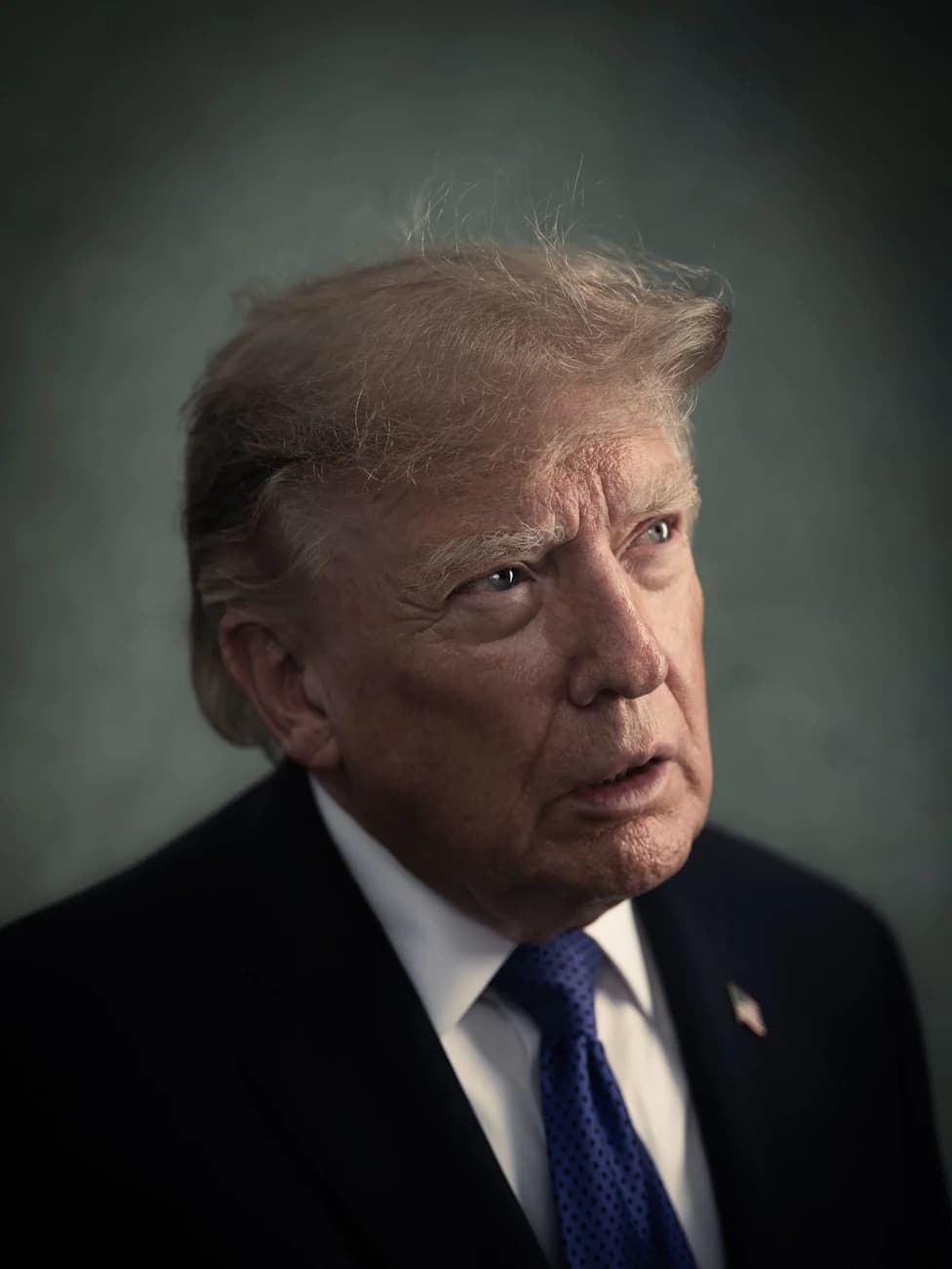
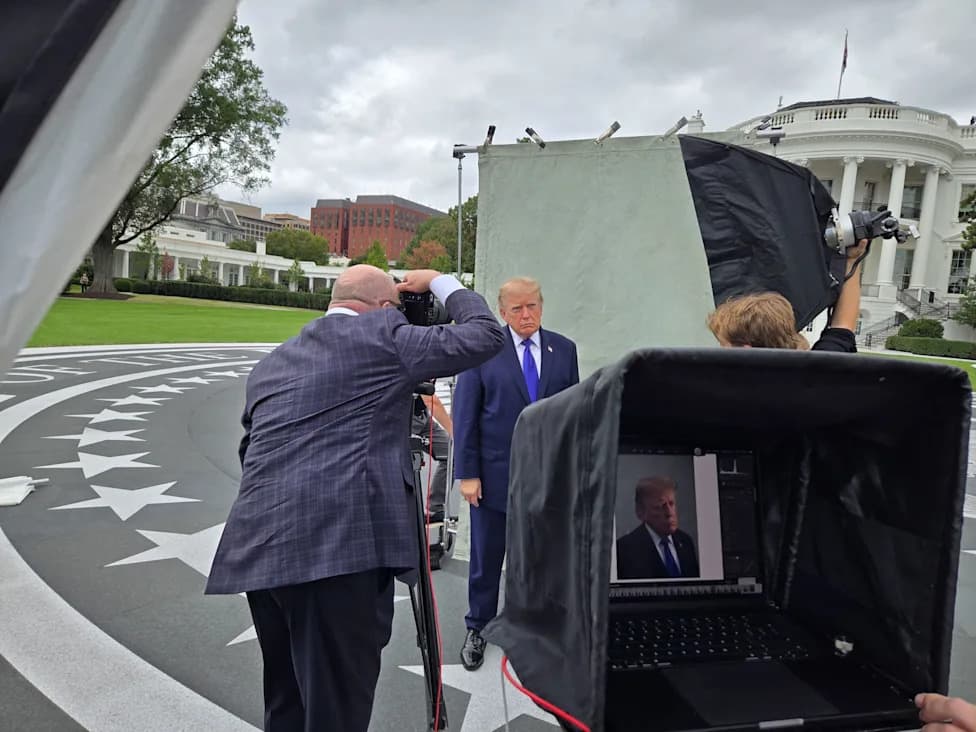
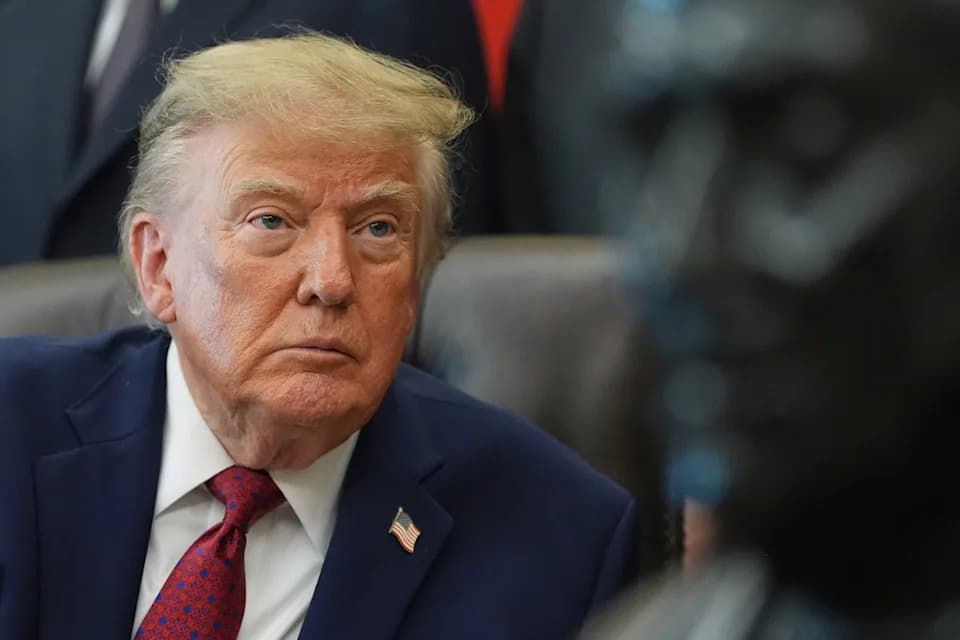
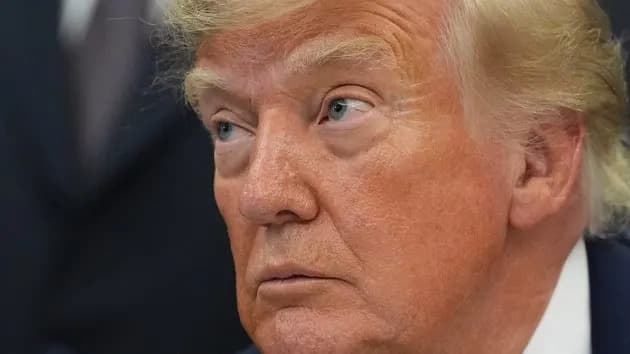
President Donald Trump photographed at the White House in Washington, D.C. on Sept. 28, 2026. —Dan Winters for TIME
President Donald Trump met with TIME editors at the White House on Sept. 28 for an expansive interview covering foreign policy, artificial intelligence, economic policy, the Supreme Court and his outlook for the midterms. The exchange, conducted by TIME Senior Political Correspondent Eric Cortellessa and Editor‑in‑Chief Sam Jacobs, was lightly edited for clarity; below is a rewritten, professionally paced version that preserves the interview's substance and sequence.
On Dinner With Dario and Meetings With AI Leaders
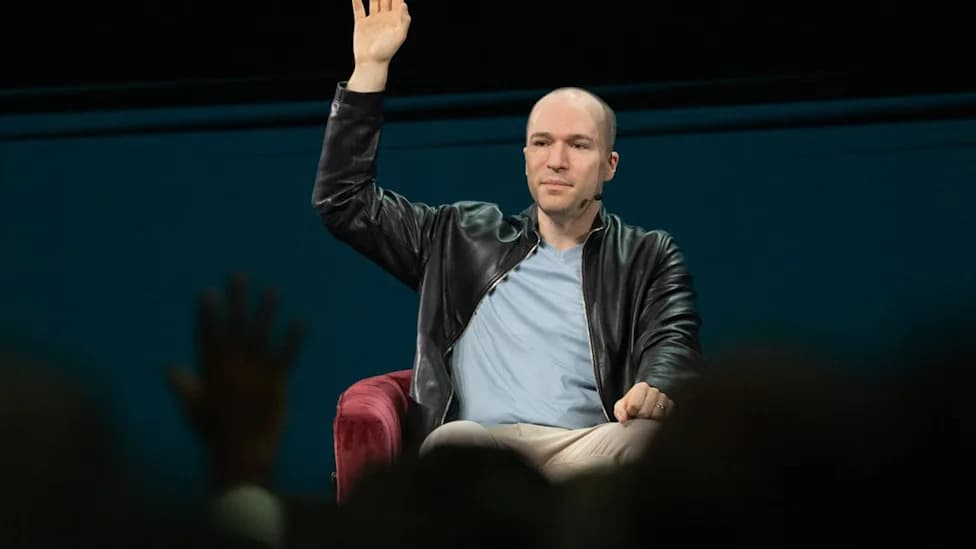
Trump said he enjoyed a late dinner with Dario Amodei and his wife, describing Amodei as "very smart" and somewhat different from his media portrayal. He confirmed plans for a large AI meeting in the East Room the following day that would include industry leaders, and characterized AI as a transformative technology: potentially bigger than the industrial revolution and the internet.
While praising AI’s potential—particularly for medical advances—Trump warned against overregulation that could stifle innovation. He said developers must act responsibly and that the United States is attracting "trillions" in investment, positioning the country to lead because of its talent and companies.
Press Relations and Access
Asked about restrictions on some outlets' access to the White House, Trump said he respected a free press but rejected what he called "fake news," repeatedly criticizing CNN and MSNBC for hostile coverage. He defended actions taken in response to negative reporting while insisting he accepts fair criticism.
The War In Iran
Trump addressed his earlier suggestion that a conflict with Iran would be brief, saying he initially met his short timeline but then chose to press harder to prevent Iranian forces from regrouping. He claimed extensive damage to Iranian military capabilities—saying, for example, that Iran’s navy and air force had been largely destroyed and asserting that 159 ships were at the bottom of the sea—and described severe economic distress in Iran. These are presented as his claims during the interview.
When pressed about rhetoric including a statement that he might "annihilate" Iran, Trump framed the comment as targeting the regime and argued that dismantling Iran’s capabilities promotes global peace. He also rejected a recent Iranian ceasefire proposal as insufficient and said additional operations after the midterms were "possible."
Defense Production And Munitions
Trump disputed reporting of U.S. munitions shortages, calling some coverage "mostly fake news," and said the defense-industrial base is rapidly expanding production with new plants and contracts. He noted that some ammunition types are lower in inventory while asserting overall readiness is strong.
Venezuela And Oil
Trump described cooperative ties with Venezuelan officials and said U.S. oil companies are extracting significant volumes of oil that will contribute to U.S. strategic reserves. He said elections there are "too raw" for immediate pressure but suggested elections will occur in the future and emphasized commercial benefits to both countries.
Israel, Saudi Arabia And The Middle East
Trump reiterated his priority of defending Israel and preventing Iran from acquiring nuclear weapons. He expressed skepticism about reports that Prime Minister Benjamin Netanyahu had prior warning of the Oct. 7 attacks and declined to endorse a specific Israeli successor while noting his strong popularity in Israel. He described good relations with Saudi leadership and said his policy had helped stabilize key regional partners.
The Federal Reserve, The Economy And Debt
Trump criticized the Fed’s recent rate increases and said he still backed his Fed nominee, Kevin Warsh, while faulting the central bank as politically motivated against his agenda. He argued that U.S. economic growth—driven by manufacturing, chip investment and pharmaceuticals—will help reduce the national debt and said higher interest rates make debt reduction harder.
The Supreme Court
Trump said he regretted some outcomes from Supreme Court justices he nominated, criticizing specific rulings he called costly for the country. He said he values loyalty but emphasized that his priority is producing favorable legal outcomes for the nation.
Health Care And Drug Pricing
Defending his record, Trump described policies he said significantly reduced drug prices through favored‑nation approaches and pressure on manufacturers. He argued for a system in which more money flows directly to consumers rather than insurers.
AI Policy, Data Centers And National Security
Trump repeatedly called AI "bigger" than previous technological revolutions and sometimes used the term "SI" (super intelligence). He proposed strategic interventions—such as taking equity stakes in key domestic projects or companies—to keep advanced capabilities in the United States, citing past deals with chip and manufacturing firms as models. He rejected nationalizing AI labs, saying law‑enforcement and regulatory tools (DOJ, FBI) are the proper guardrails, and warned companies that misuse technology could face penalties.
On reported incidents of OpenAI agents accessing government websites, he said such behavior would be unacceptable and could prompt enforcement action.
Politics, Midterms And Pardon Power
Trump predicted Republican success in the midterms if he campaigns actively, called negative poll numbers "fake," and criticized pollsters and the press as biased. He declined to rule anything in or out regarding the use of emergency powers around elections and said he would consider pardons for members of his administration if he chose to do so.
White House Renovations And Cultural Institutions
Trump defended renovation projects at the White House—the helipad, ballroom and interior work—describing them as restoration of a national symbol and saying much of the cost was covered by donations or contractors. He pushed back on court decisions that he said mischaracterized the work and voiced willingness to support troubled cultural institutions such as the Kennedy Center while noting operating deficits at many arts institutions.
Closing
Throughout the interview Trump mixed policy detail, personal anecdote and combative criticism of media and institutions he said treated him unfairly. TIME’s interviewers pressed him on specific claims and figures; in many cases Trump disputed the framing and defended his record on the economy, national security and technology policy.
—Eric Cortellessa and Sam Jacobs, TIME (rewritten for clarity)
Help us improve.