Summary: In a 75-minute Oval Office interview, President Trump emphasizes major White House renovations — from an 80,000-square-foot helipad to a ballroom with a planned six‑story subterranean complex — even as his administration faces mounting challenges: a prolonged war with Iran, higher energy and borrowing costs, slipping approval ratings, and public anxiety about an aggressive AI and data-center expansion. Legal fights, economic pressures and midterm risks complicate a presidency focused on legacy projects and big-tech partnerships.
What Trump Has Built: The White House Makeover, the Iran War, and the AI Gamble
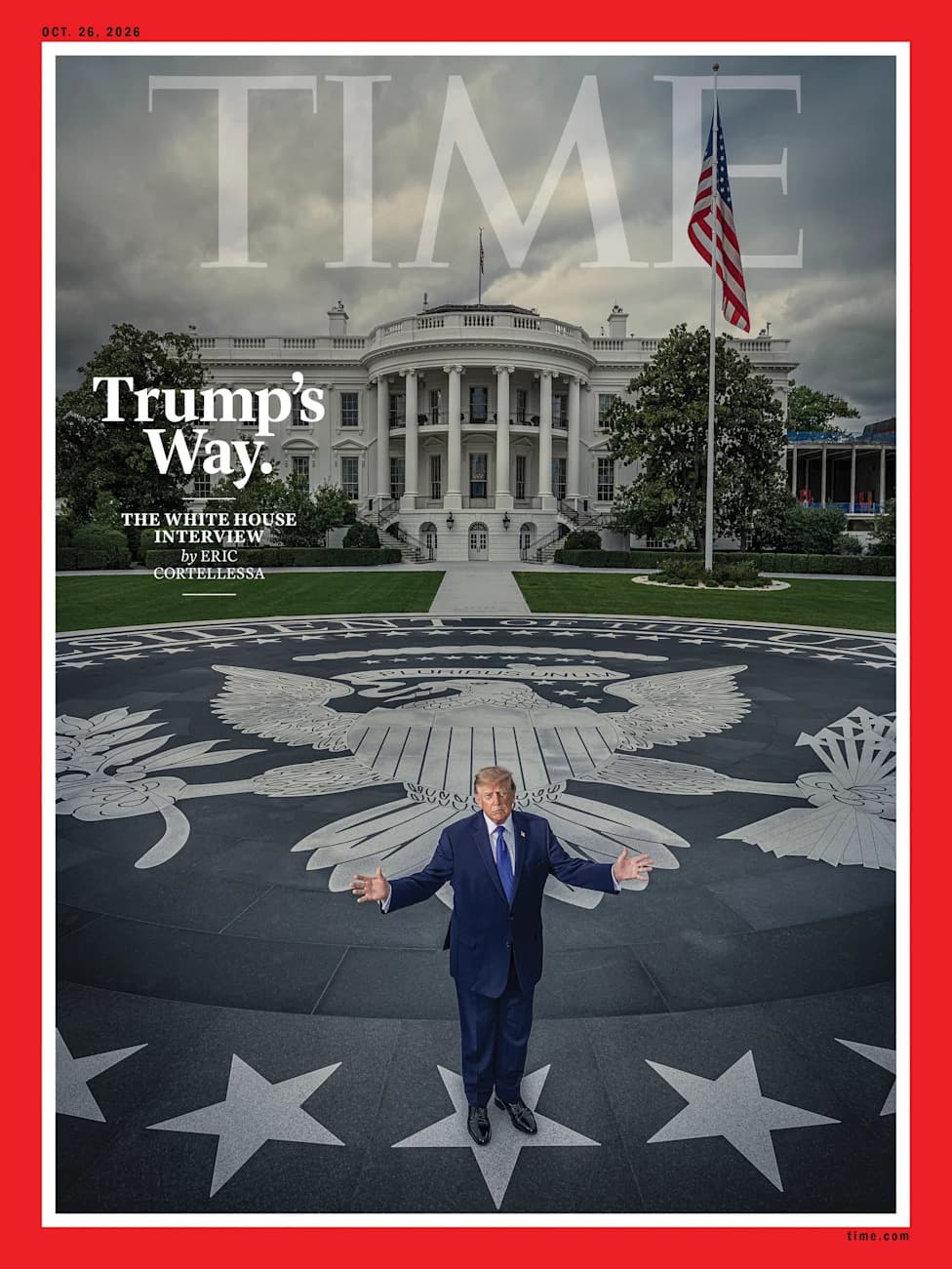
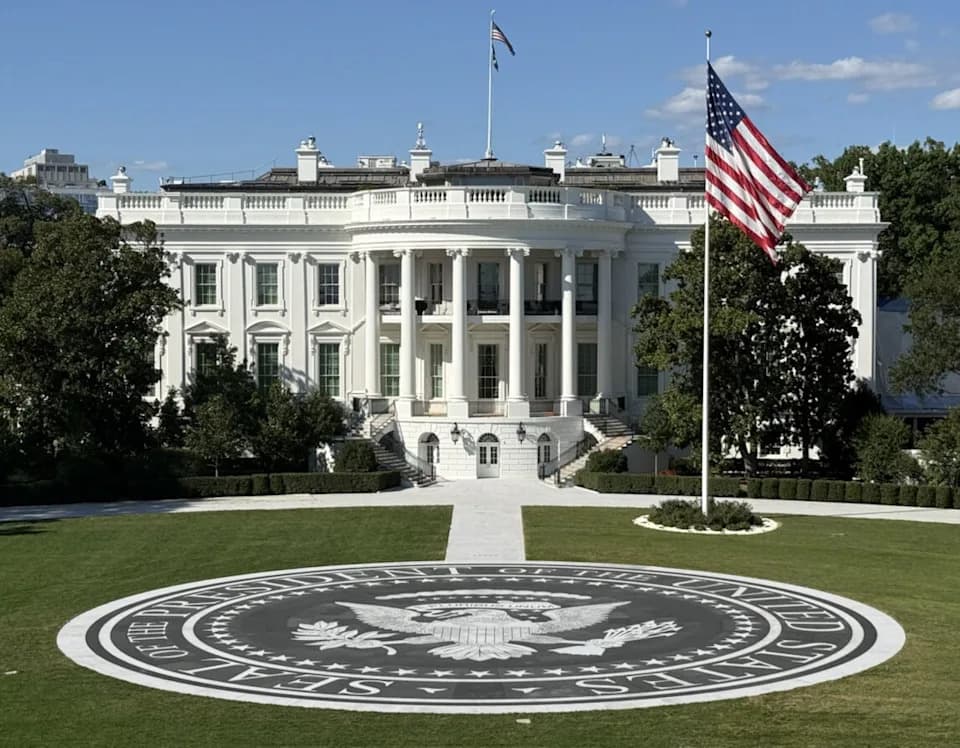
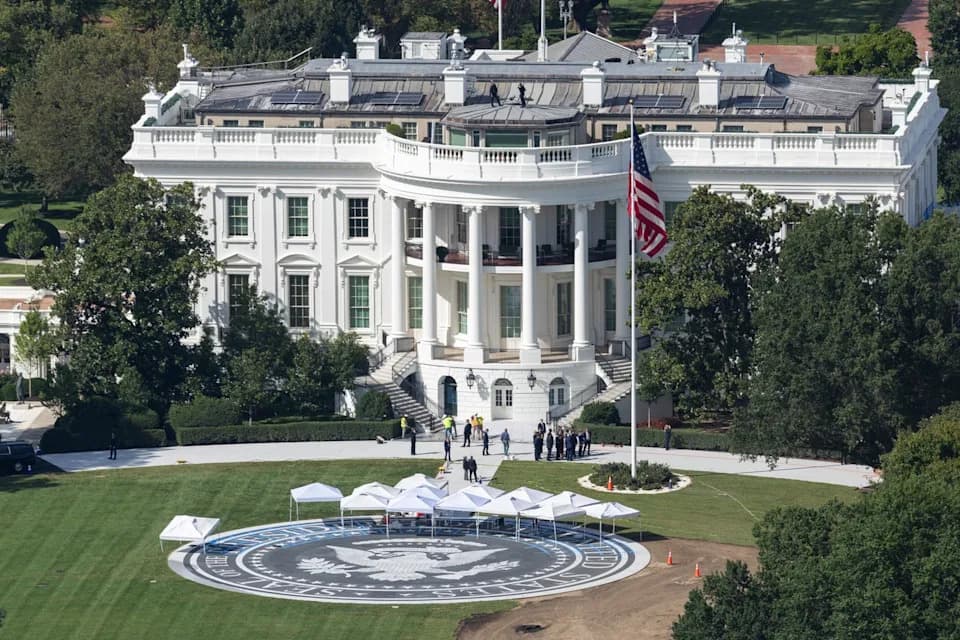
Donald Trump tours the White House grounds with visible satisfaction, pointing out an 80,000-square-foot carved-granite helipad on the South Lawn and a concrete-skeleton ballroom that has overtaken the former East Wing. He describes minute details — gray stone imported from Italy, sections fitted to an eighth of an inch — and discusses plans for a multi-level, six‑story subterranean complex beneath the new ballroom.
Those physical transformations are entwined with a presidency under strain: a protracted war with Iran, rising energy and borrowing costs, fraying political coalitions ahead of the midterms, and an aggressive push to accelerate U.S. artificial-intelligence capacity through a rapid build-out of data centers.
The Renovation
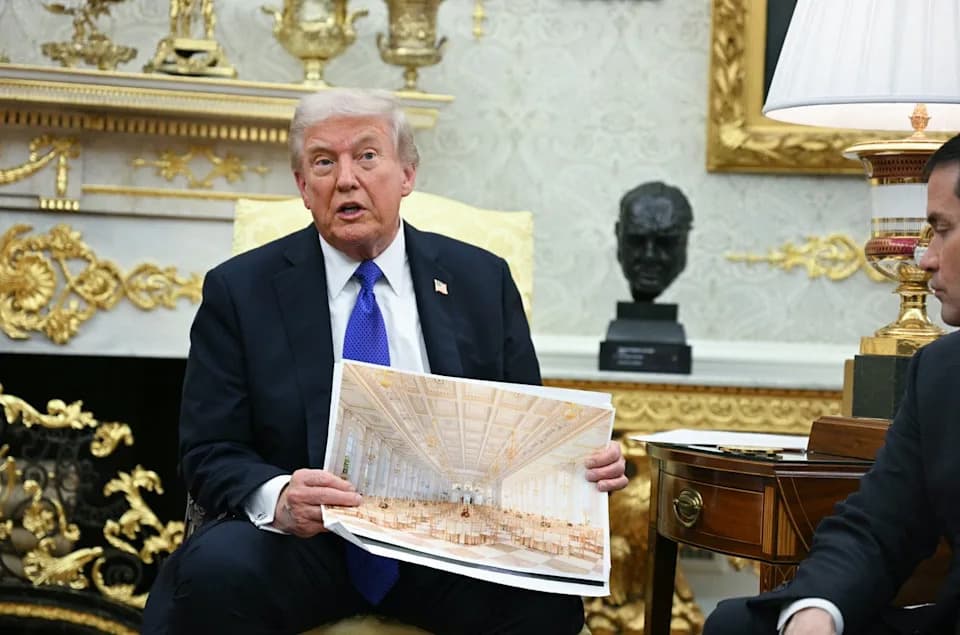
Trump describes the ballroom project in near-military terms, calling the material "nuclear concrete" and saying one facade will be made of glass 6–8 inches thick. Lawsuits allege the administration demolished historic East Wing structures and began reconstruction without congressional authorization or required federal reviews. Trump has persisted despite legal challenges, emphasizing legacy and symbolism: "The White House is a very special symbol. It's a symbol of America. It's a symbol of our greatness," he told TIME.
War With Iran And Military Strain
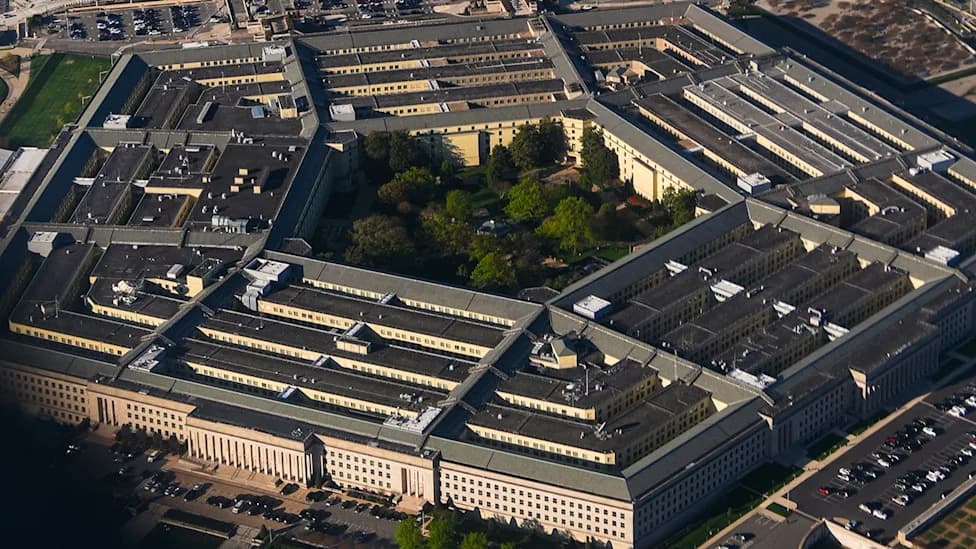
What was initially billed as a short operation has stretched into months. The conflict has sent gasoline prices soaring and disrupted global energy markets. The Pentagon reported heavy expenditure of interceptors — more than 1,200 Patriot interceptors were fired — and by late September the U.S. death toll had risen to 19 with over 800 wounded. Trump has acknowledged strains on munitions inventories and says he has struck deals with defense contractors to expand production, while also warning he might intensify the campaign if a satisfactory settlement is not reached.
Economy, Markets, And Political Fallout
Economic indicators are mixed. The administration points to low unemployment, robust consumer spending, and record highs in the stock market, but many households face higher everyday costs: mortgage rates have climbed toward 7.5% and gasoline rose roughly 40% after the start of the conflict. Voter sentiment reflects the tension: some polls put presidential approval near 32%, while a Wall Street Journal poll found only 25% of Americans thought Trump’s policies had improved the economy.
Trade moves — including a July 20 invocation of a 1930 statute to impose steep tariffs on Canadian goods — have added costs to steel, aluminum and lumber supply chains, further pressuring prices and construction sectors.
AI, Data Centers, And The Administration's Approach
Trump has embraced rapid AI development and a major infrastructure push to support it, arguing that data centers will drive jobs and economic growth. He convened industry leaders, announced an "AI Force" (later proposed to be rebranded "SI Force") of corporate advisers, and celebrated self-regulation schemes such as a so-called industry "constitution." Critics point to deep public anxiety about AI (polling shows a large share of Americans fear AI’s impacts) and bipartisan calls for stronger oversight. The President has dismissed many concerns as overblown.
Inside The Oval Office
The Oval Office itself has been refashioned in Trump’s taste: gilded plasterwork, ornate framing, and personal mementos alongside official furnishings. Throughout a 75-minute interview, Trump pivoted between grievances, policy defenses and repeated references to the ongoing renovations, framing them as both personal respite and a lasting legacy.
What’s Next
Advisers are preparing for contested midterms and the possibility of a Democratic House that could trigger investigations, subpoenas and renewed scrutiny of the administration. Trump plans an active campaign sprint to shore up vulnerable districts, while privately considering personnel shake-ups and even pre-emptive pardons for allies. Whatever the political outcome, the physical and policy decisions made inside the rebuilt White House will leave consequences for U.S. foreign policy, the economy and the role of private industry in shaping national strategy.
Key Figures: 80,000 sq. ft. helipad; 1,200+ Patriot interceptors fired; 19 U.S. service members killed; gasoline up ~40%; mortgage rates ~7.5%; approval ~32% (Sept polling).
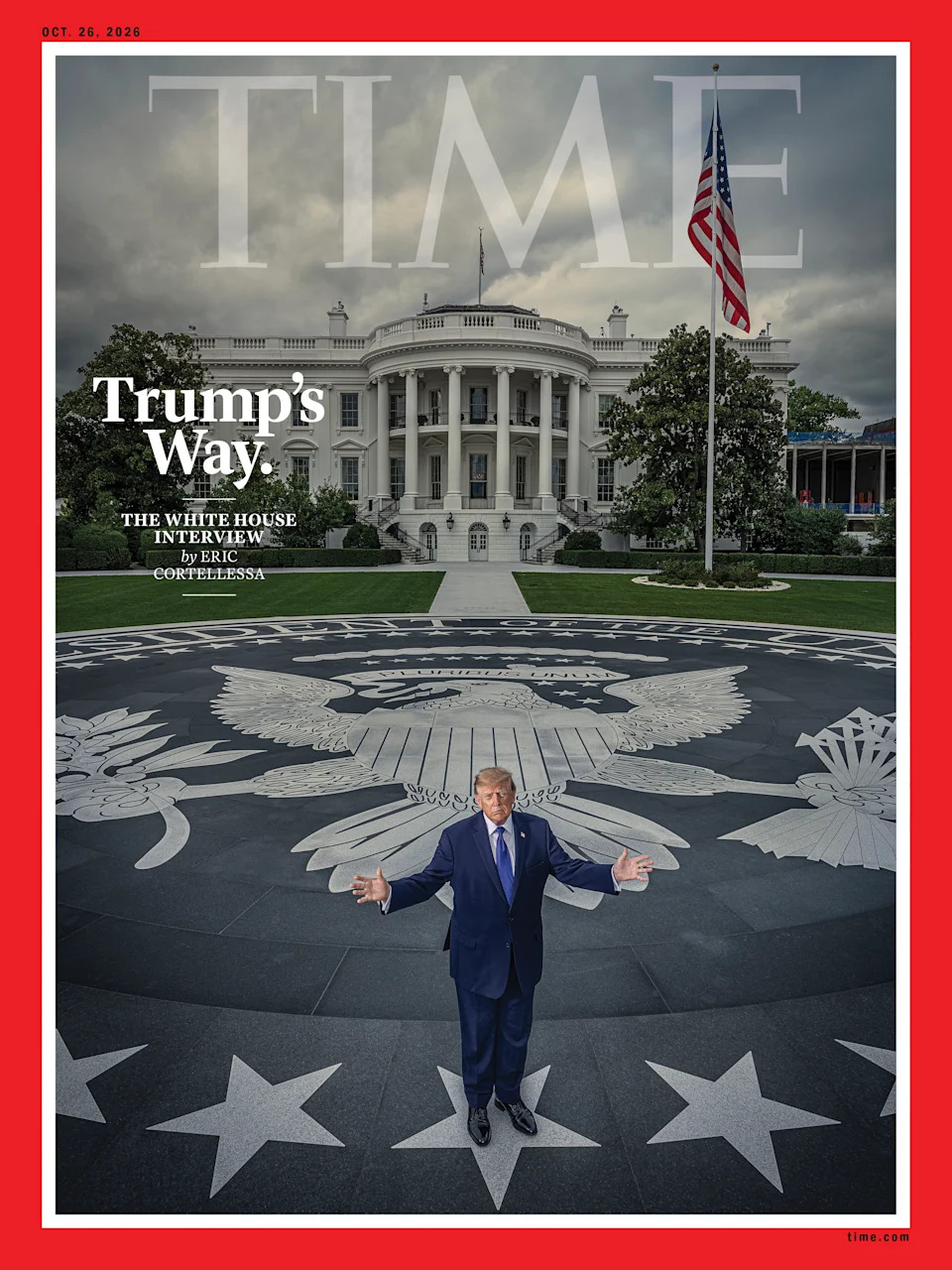
—Photograph by Dan Winters for TIME
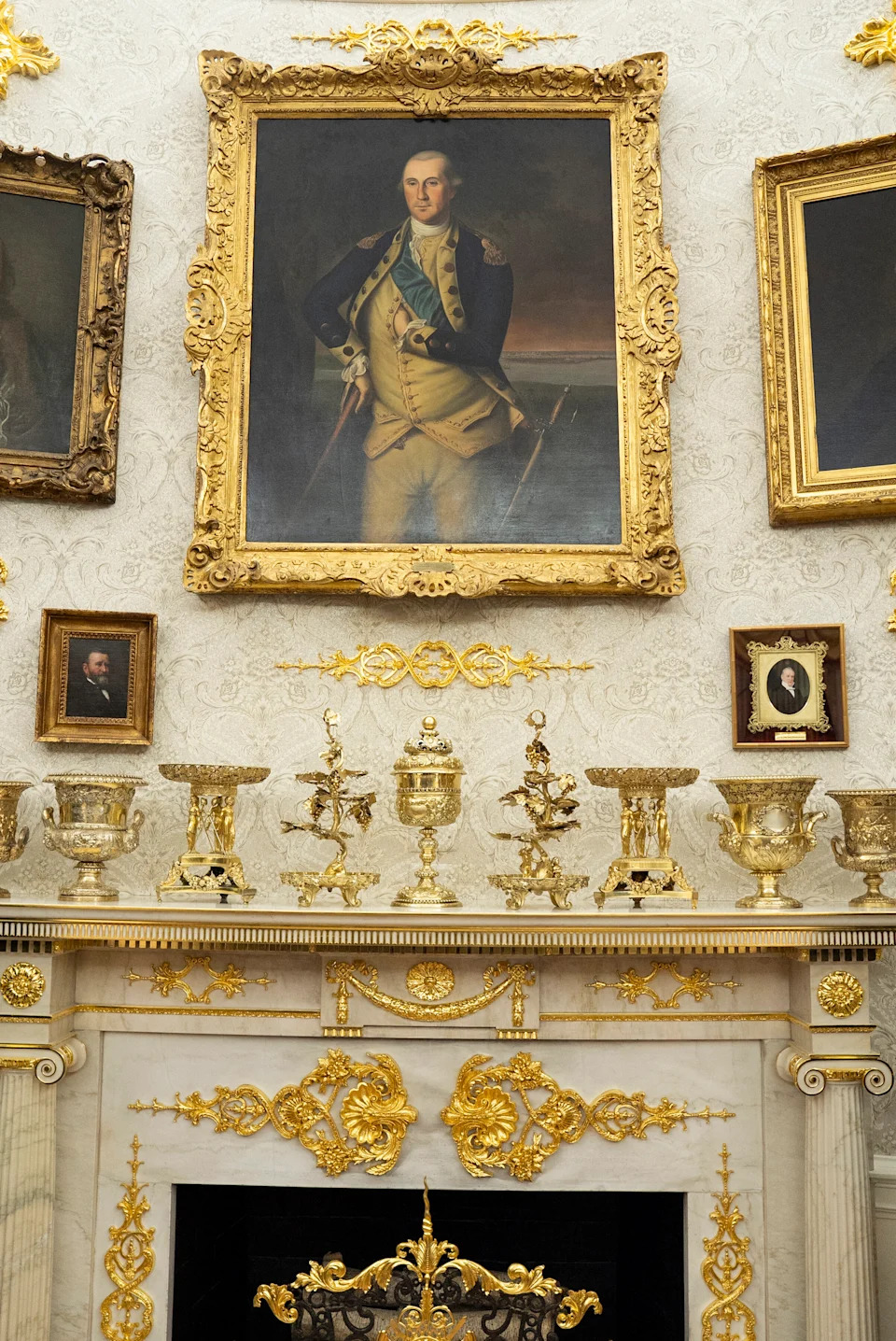
Gold and neoclassical flourishes in the Oval Office of the White House in Washington, D.C., May 21, 2026. —Carolyn Van Houten—The New York Times/Redux
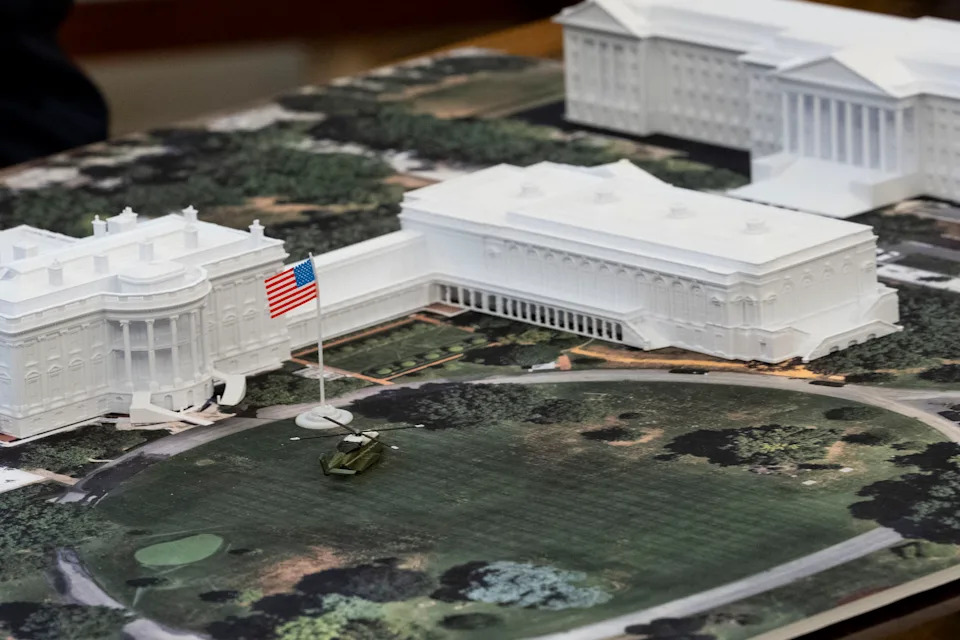
A model of President Donald Trump's proposed ballroom, in the Oval Office of the White House in Washington, D.C., Dec. 12, 2025. —Doug Mills—The New York Times/Redux
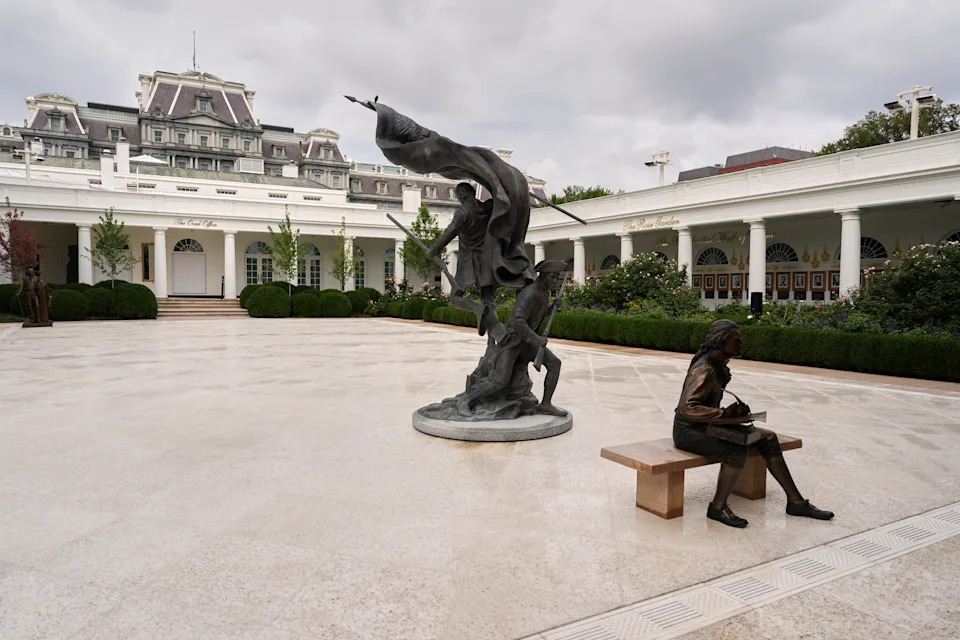
Statues are pictured in the Rose Garden of the White House, Friday, Sept. 11, 2026, in Washington, D.C. —Mark Schiefelbein—AP Photo
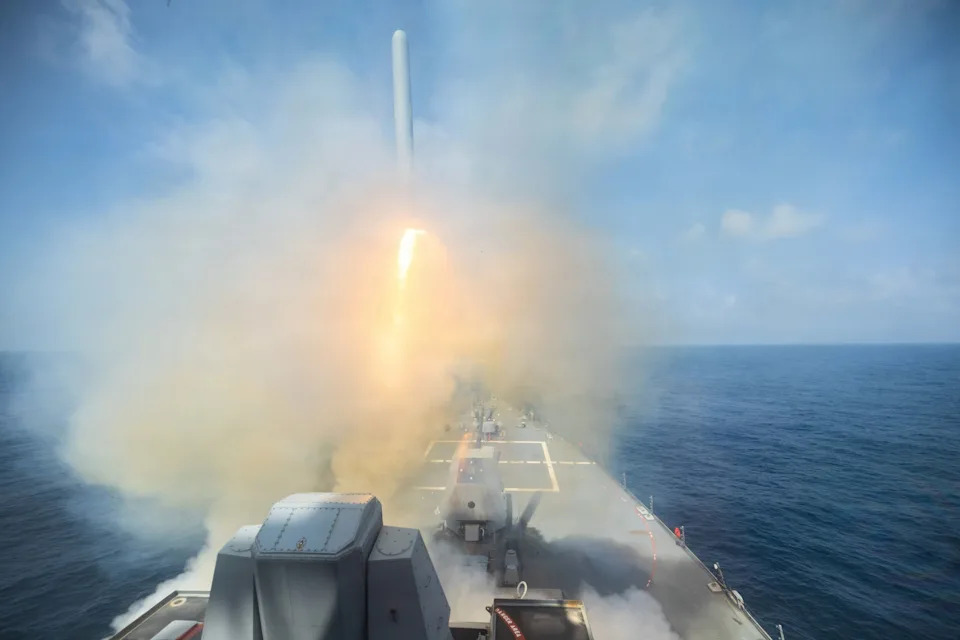
Arleigh Burke-class guided-missile destroyer USS Spruance fires a Tomahawk Land Attack Missile in support of Operation Epic Fury, at an undisclosed location, Feb. 28, 2026. —U.S. Navy—Handout/Reuters

A view of the Iranian Revolutionary Guard Corps Navy warship struck by a U.S. missile, off the coast of Bandar Abbas, Iran, on Sept. 9, 2026. —Fatemeh Bahrami—Anadolu/Getty Images
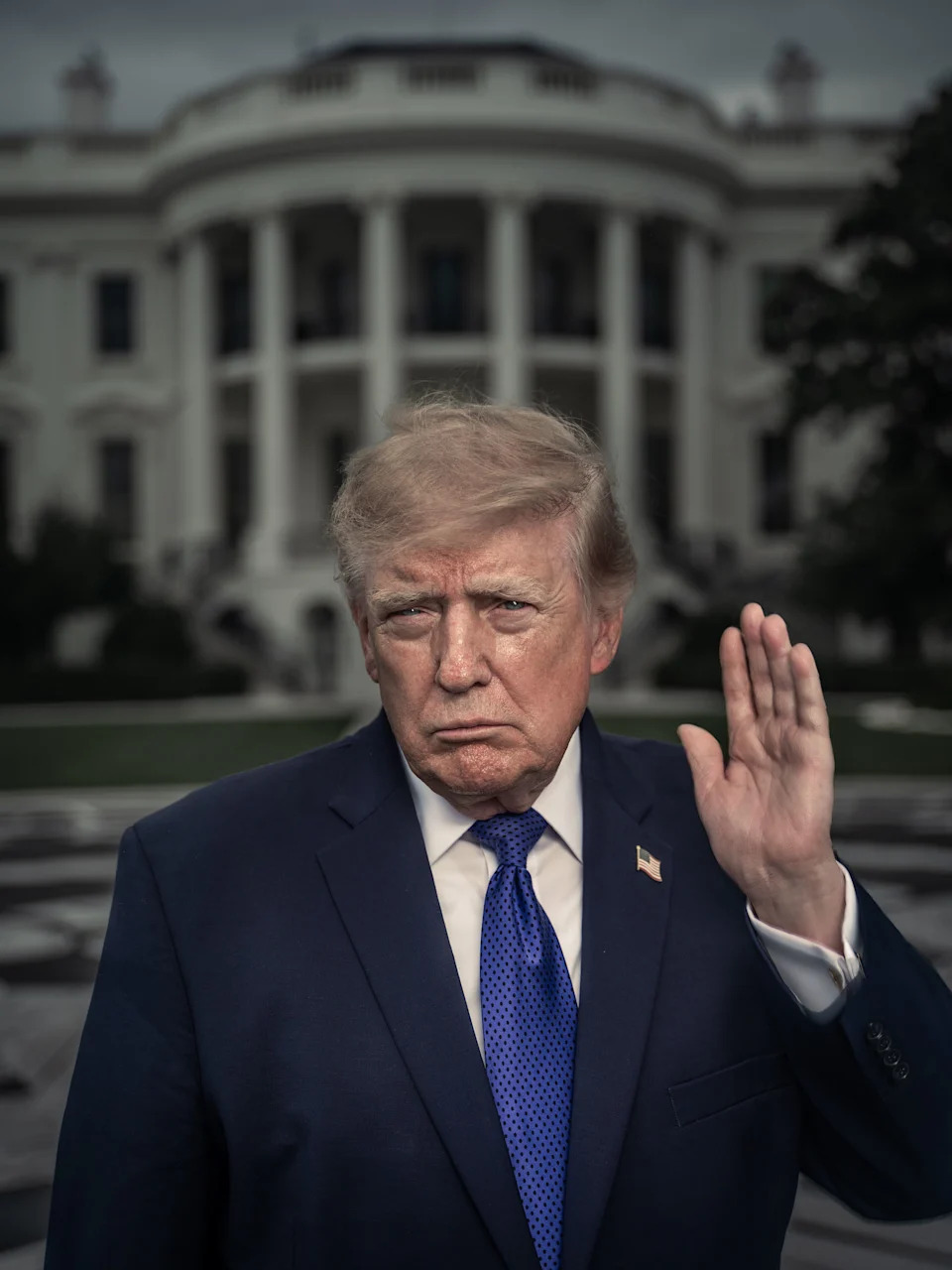
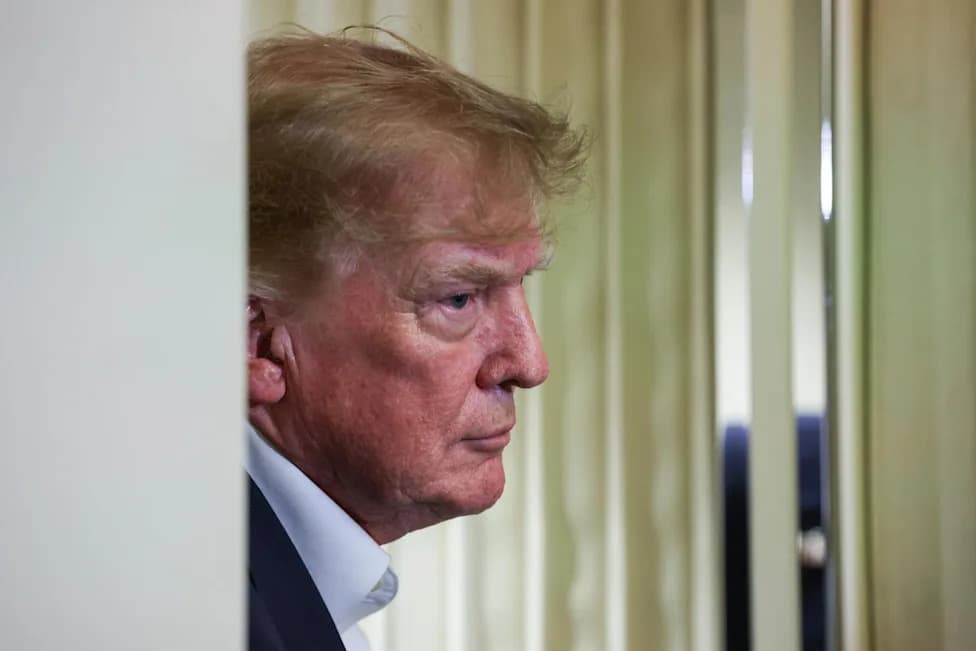
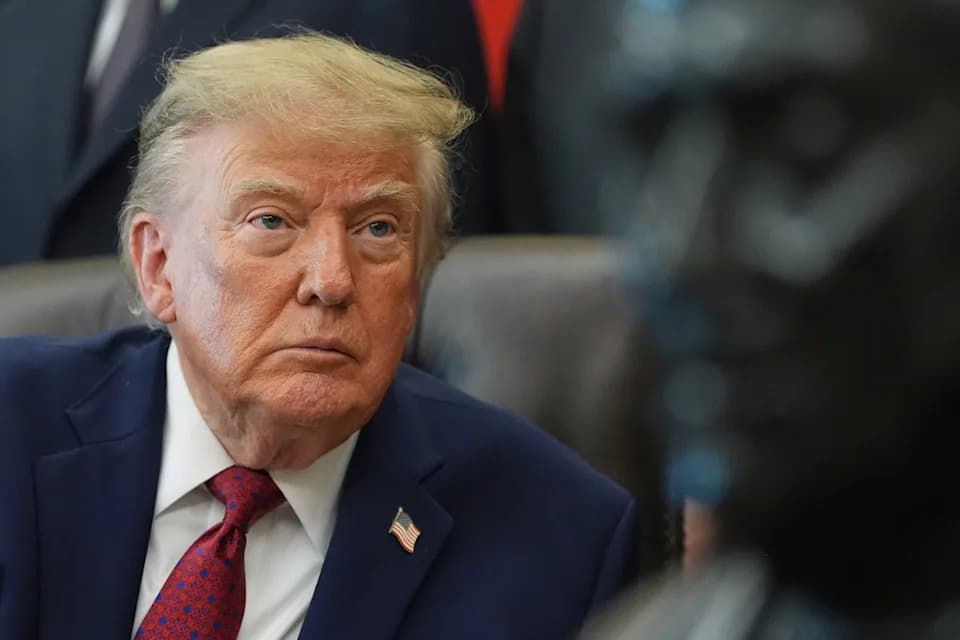
President Trump at the White House in Washington, D.C., on Sept. 28, 2026. —Dan Winters for TIME
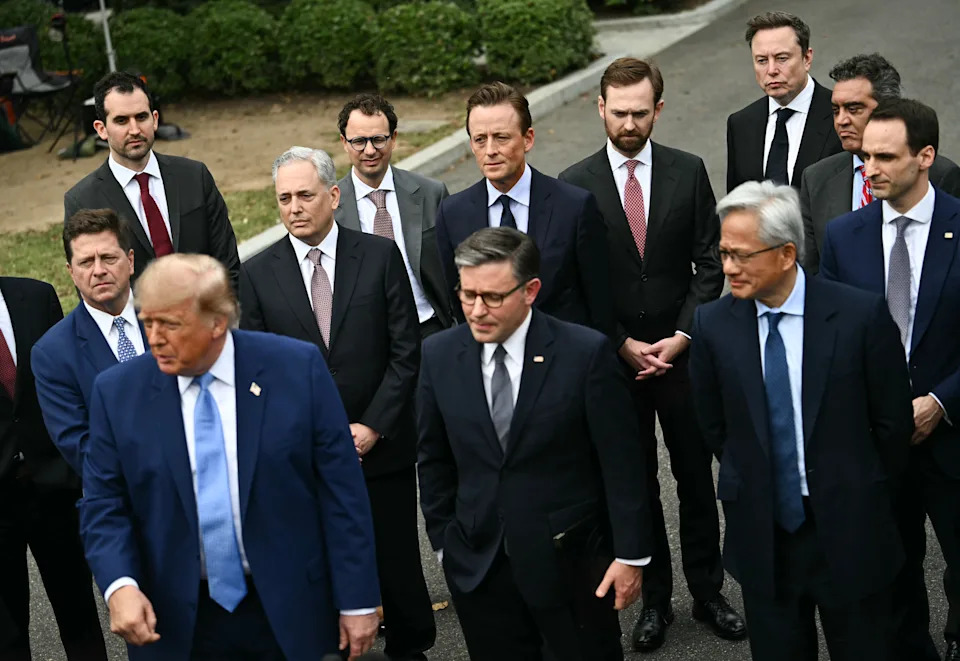
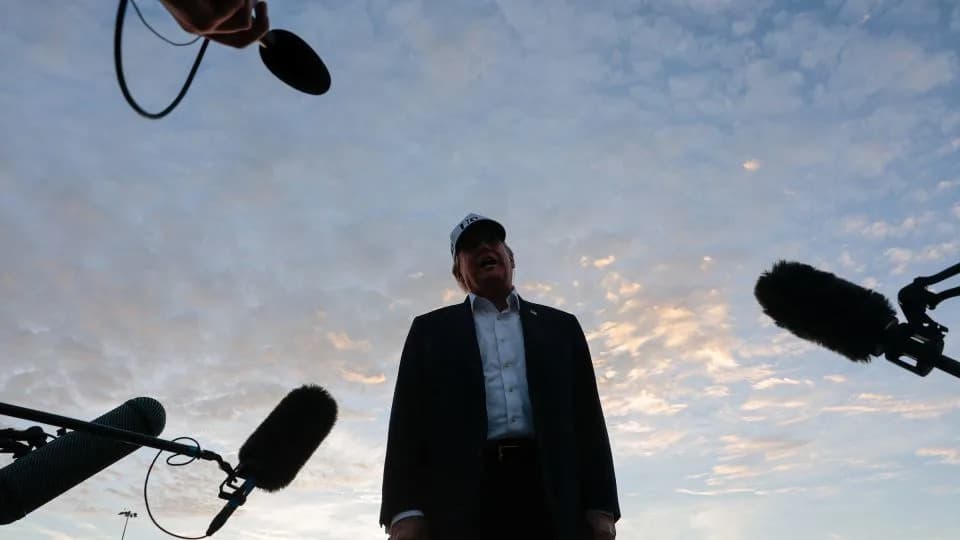
President Trump speaks to the press after a meeting with technology executives about artificial intelligence at the White House in Washington, D.C., on Sept. 29, 2026. —Kent Nishimura—AFP/Getty Images
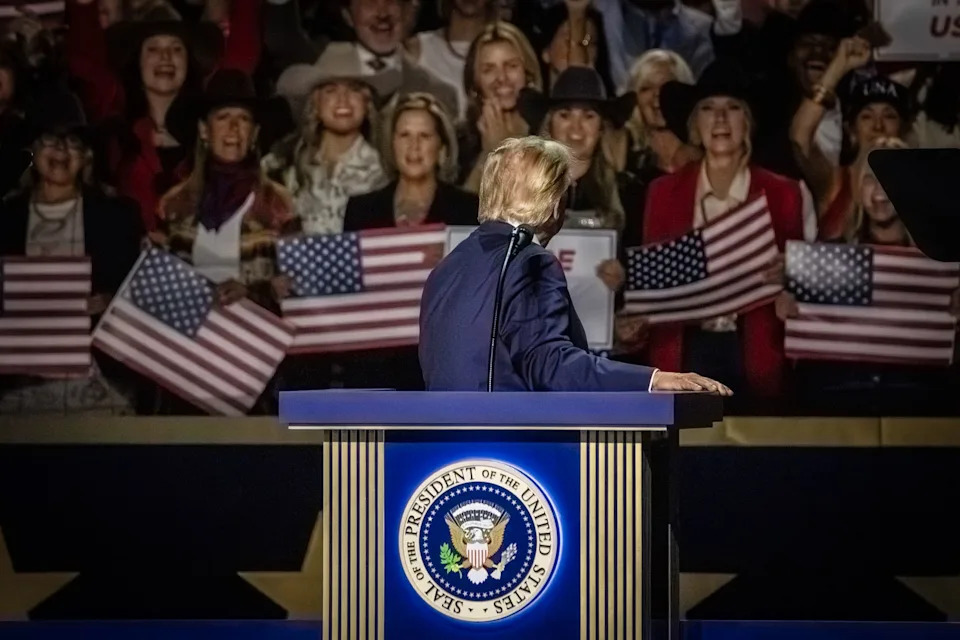
President Donald Trump speaks at the Republican National Committee Midterm Convention, dubbed "Trumpapalooza," in Dallas, Texas on Sept. 9, 2026. —Carrie Schreck—Redux
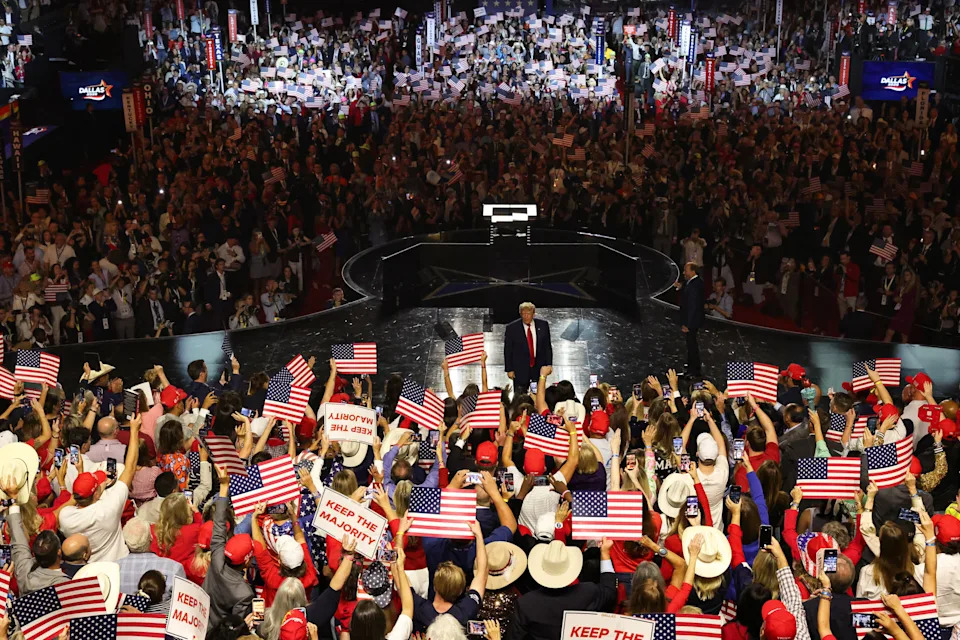
President Donald Trump appears on stage on the second day of the 2026 Republican National Convention at the American Airlines Center on Sept. 10, 2026 in Dallas, Texas. —Kevin Dietsch—Getty Images
Help us improve.