California's legislature approved Senate Bill 868, the Plug and Play Solar Act, which would allow portable solar kits up to 1,200 watts that plug into a standard outlet if Gov. Gavin Newsom signs the bill. The law would require only a simple online registration instead of full permitting and could cut household energy bills by up to $450 annually. Renters, people with shaded or unsuitable roofs, and those who move often are likely to benefit most, though retail availability of compliant kits remains limited.
California Nears Approval of Plug-and-Play Solar — Renters Could Save Up to $450 a Year
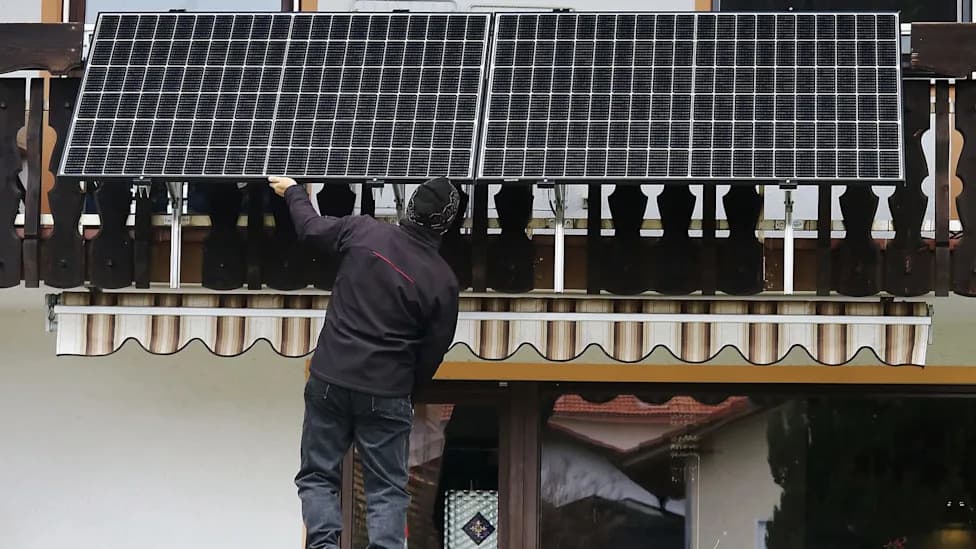
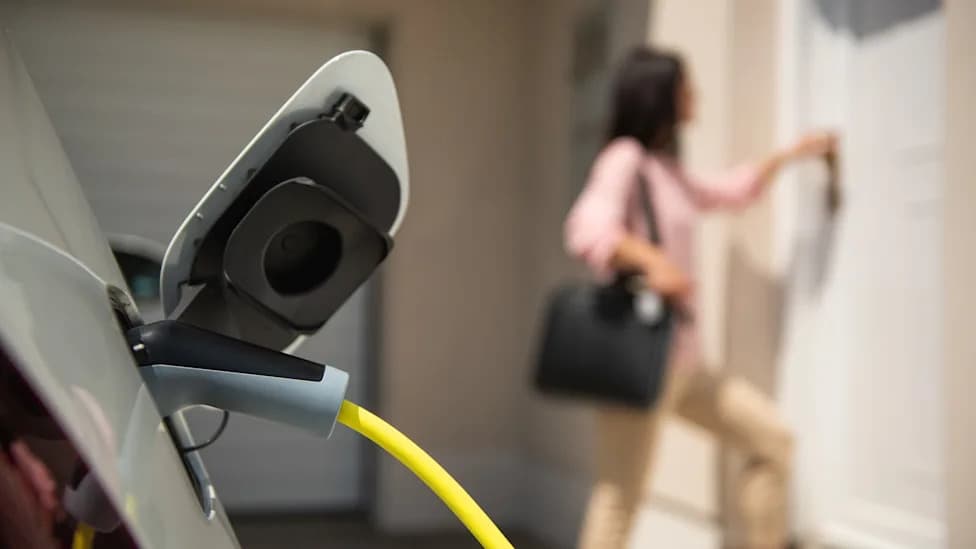
Photo Credit: iStock
California is one step closer to legalizing a low-cost, portable form of home solar that could let renters and apartment residents cut electricity bills without installing rooftop panels.
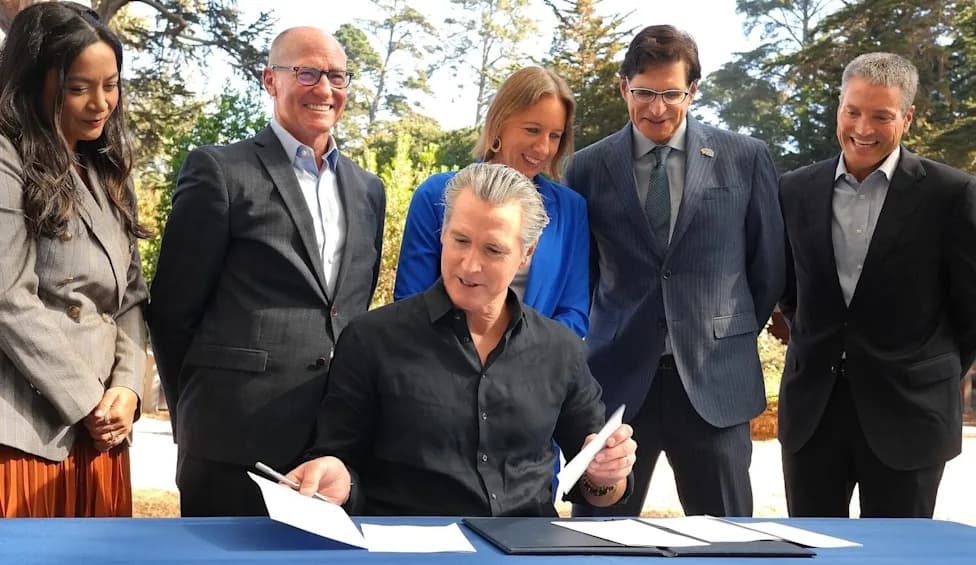
Senate Bill 868, known as the Plug and Play Solar Act, has cleared the state legislature and now awaits Gov. Gavin Newsom's signature. If signed, the law would allow compact solar kits that plug into a standard household outlet and produce up to 1,200 watts. Instead of the full permitting and inspection process required for rooftop systems, the bill would require only a straightforward online registration for compliant kits.
How the Kits Work
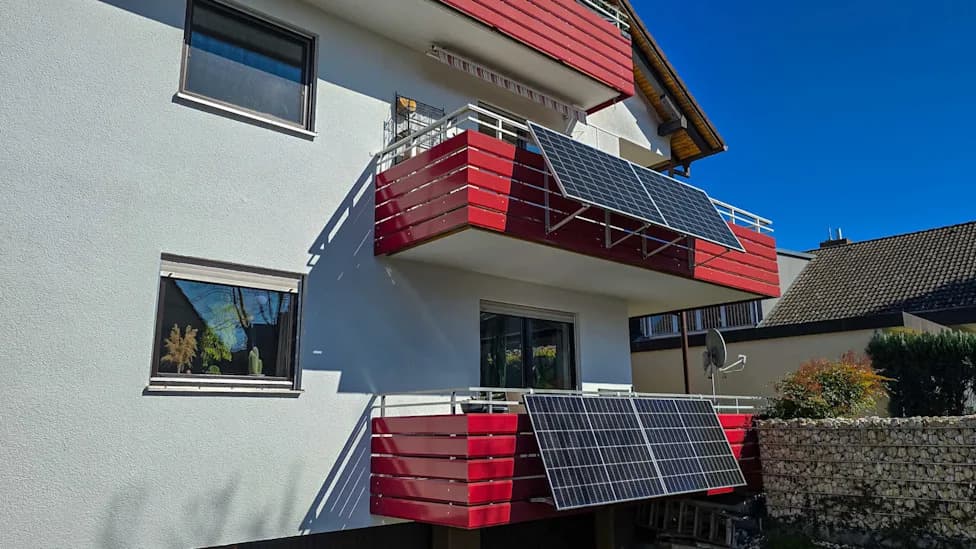
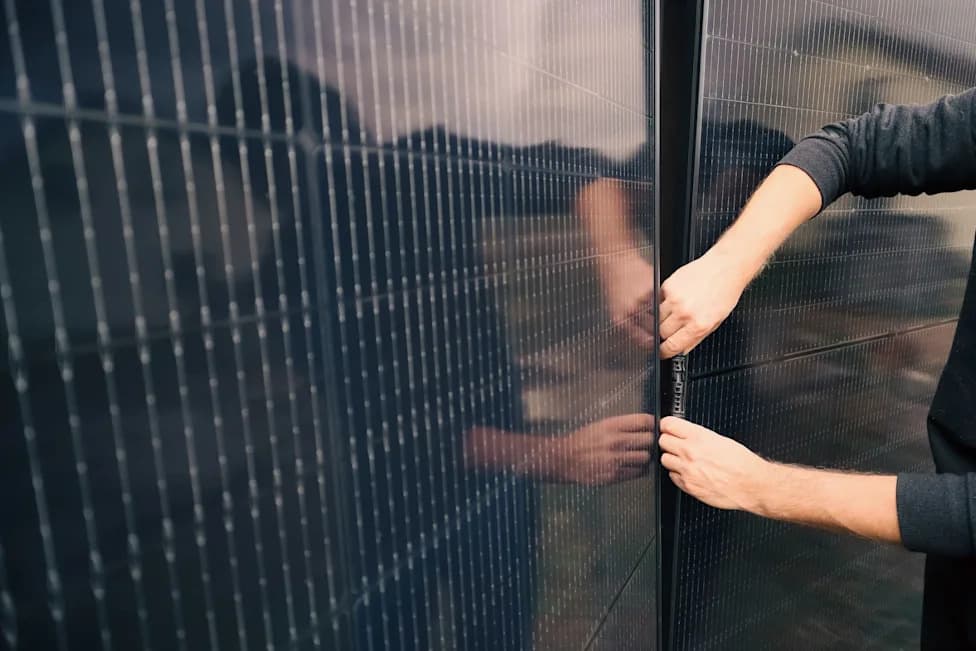
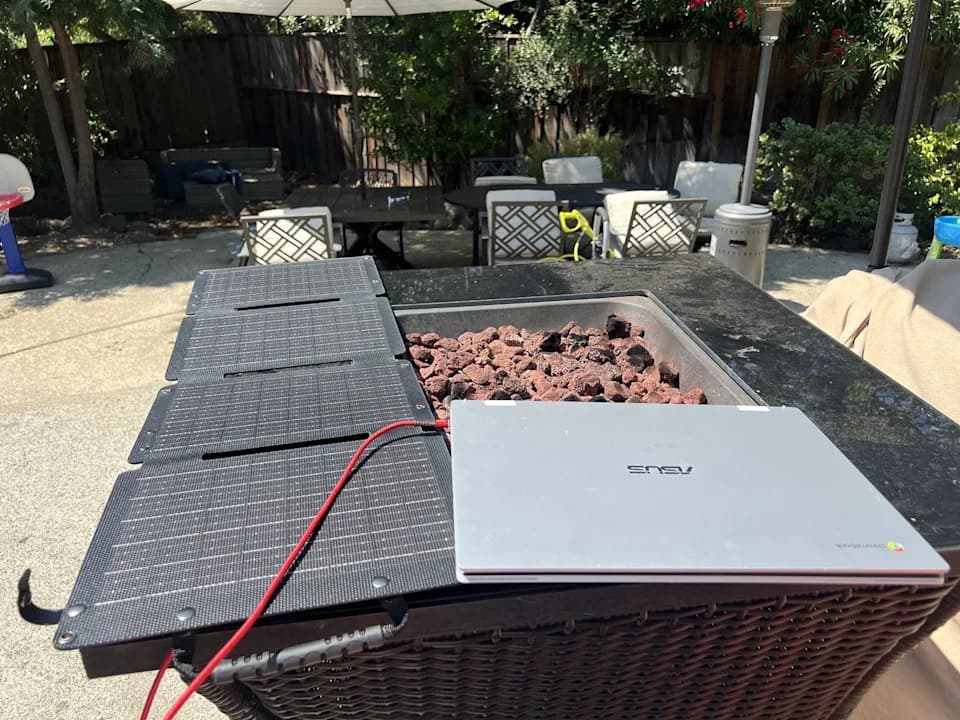
The plug-in systems are designed to be portable and easy to install: panels can be placed on a balcony, mounted to a wall, set in a backyard, or otherwise positioned before being connected to a regular outlet. The electricity they generate offsets part of a household's power needs, and official estimates suggest potential savings of up to $450 a year for a typical home.
Who Benefits Most
- Renters: People who can’t make permanent changes to a building stand to gain the most, because the kits avoid roof-mounted installations and permanent property alterations.
- Homes With Unsuitable Roofs: Households with shaded or poorly oriented roofs can use portable panels instead of rooftop arrays.
- Mobile Households: The kits’ portability means they can be taken along when someone moves, preserving the value of the investment.
Availability, Cost, And Next Steps
California would be joining a growing national trend: TechRadar reported that Utah legalized plug-in solar in 2025, and eight additional states have since adopted similar measures. New York has comparable legislation pending, and proposals are under consideration in several other states.
Retail availability is still limited. Big-box stores currently carry few compliant kits, though some companies advertise systems priced under $300 plus modest annual subscription fees (about $29 a year, in some cases). The immediate availability of certified, code-compliant products will depend on manufacturers responding to the new rules and on final regulatory details if the bill becomes law.
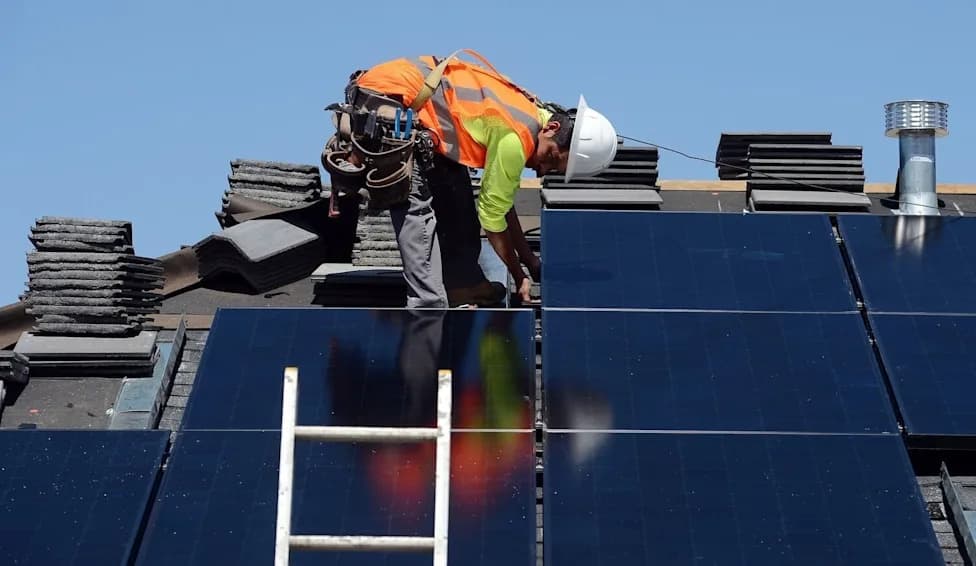
While plug-in solar offers a low-barrier entry point to clean energy, homeowners with good roof space may still achieve larger long-term savings with a full rooftop installation. Industry tools such as EnergySage can help compare options; for many buyers, those resources show significant potential savings from traditional rooftop systems as well.
Considerations
- Safety and Standards: Properly certified equipment and clear consumer guidance will be important to ensure safe, effective use.
- Storage: Adding battery storage to a solar setup increases resilience during outages and can boost overall savings, though that typically raises cost and installation complexity.
- Regulatory Details: Final rules and registration procedures will determine how widely and quickly plug-in kits roll out in the market.
Bottom line: If Gov. Newsom signs SB 868, plug-and-play solar could expand access to low-cost solar for many households—especially renters and others who have been excluded from traditional rooftop programs.
Help us improve.