California has passed several laws to reduce hazards in the waste stream: SB 501 expands producer responsibility to medium-format lithium batteries, and AB 28 gives CalRecycle authority to respond to elevated subsurface temperatures at landfills, including corrective action orders and fines up to $100,000. Lawmakers also tightened nitrous oxide sales rules and updated the bottle-deposit program to improve redemption systems. Together, the measures aim to cut fire risks, address persistent landfill heating, and modernize recycling operations.
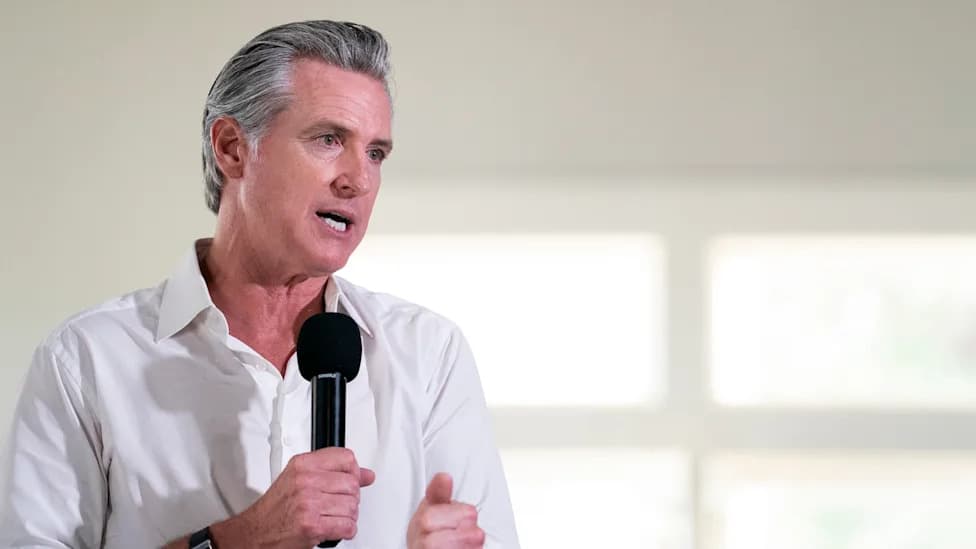
Newsom Signs Laws To Curb Battery Fires, Tackle Landfill Heat, And Tighten Bottle-Deposit And Nitrous Oxide Rules

Photo Credit: Getty Images
California has enacted a package of laws aimed at reducing growing hazards in the waste stream — from destructive battery fires to prolonged subsurface heating at landfills — while modernizing the state's bottle-deposit system and restricting sales of nitrous oxide containers.
Expanded Battery Producer Responsibility (SB 501)
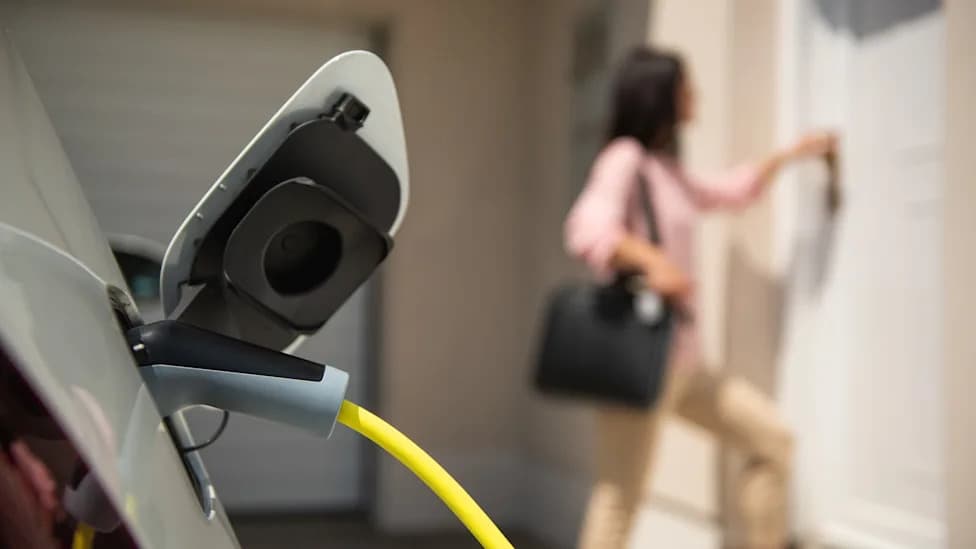
SB 501 expands the Responsible Battery Recycling Act of 2022 to include medium-format lithium batteries used in devices such as e-bikes, electric lawn equipment, and other motorized consumer products. The bill requires manufacturers of these batteries to join or create producer stewardship programs that fund and manage safe end-of-life collection, transport, and recycling.
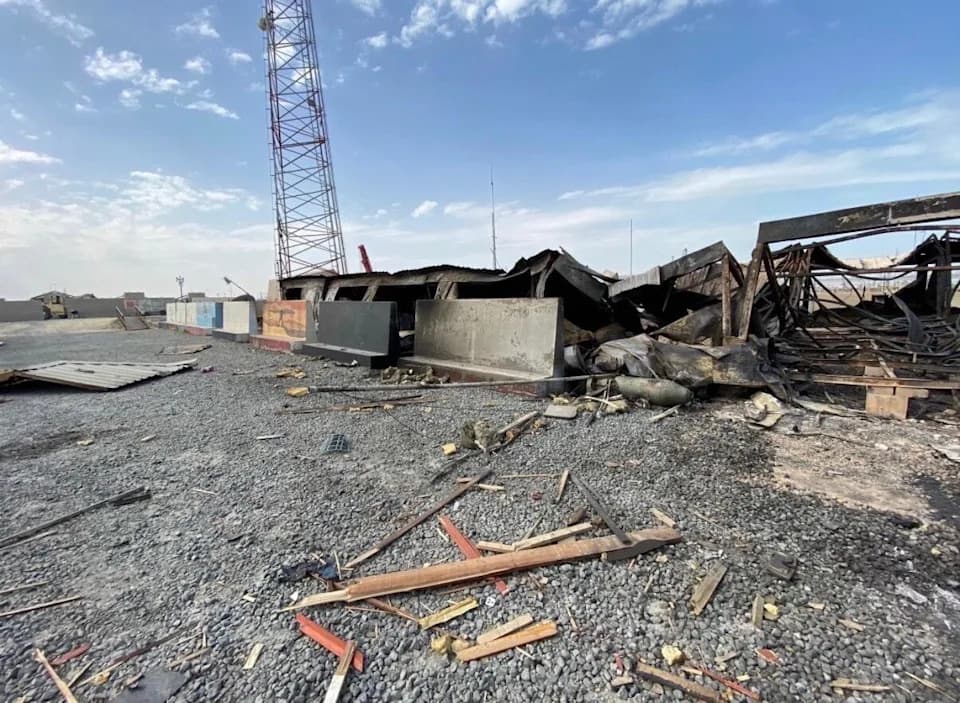
The change is driven by rising fire risks: damaged or improperly discarded lithium batteries can ignite during collection, transport, or processing, threatening garbage trucks, transfer stations, and recycling facilities. Bringing more producers into stewardship programs shifts responsibility from local governments and waste operators to manufacturers and should increase dedicated battery collection options.
New Tools To Manage Landfill Heating Events (AB 28)
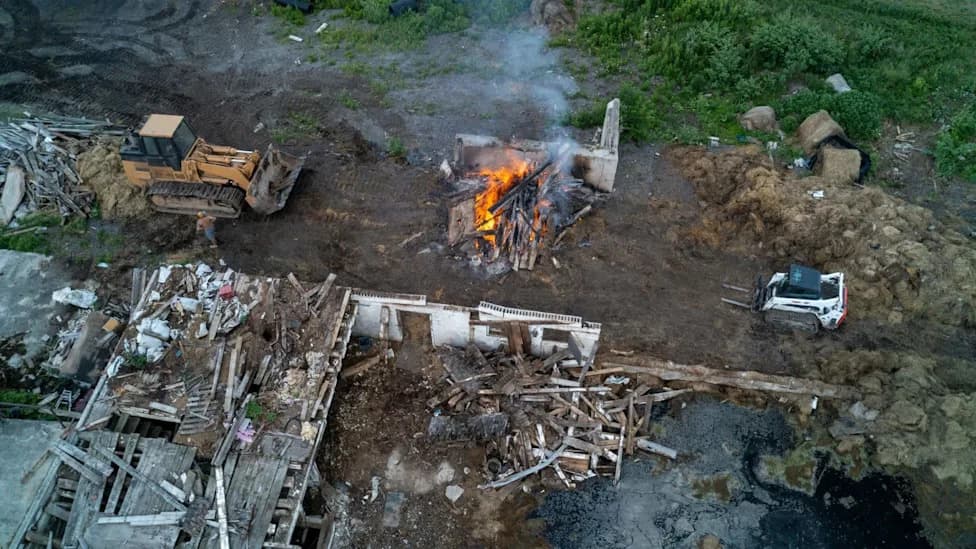
AB 28 gives CalRecycle clearer authority and procedures for responding to elevated subsurface temperature incidents at landfills. The measure was prompted in part by the prolonged heating problems at Waste Connections' closed Chiquita Canyon Landfill, which have persisted since 2022.
Under AB 28, CalRecycle can require corrective action plans, order specific remedial steps, and assess administrative penalties — including fines up to $100,000 for specified violations. The bill also directs CalEPA to establish a multiagency coordination group and adds requirements for monitoring, public notification, and addressing community impacts.
Bottle-Deposit Updates And Nitrous Oxide Restrictions
Governor Newsom also signed two bills to modernize California's bottle-deposit (container redemption) program — SB 955 and AB 2481. These measures update rules for reverse vending machines, supermarket collection points, and glass quality incentive payments to improve redemption access and recycling outcomes.
SB 936 places tighter limits on sales of nitrous oxide containers. The measure responds to safety and operational concerns voiced by waste and recycling companies — including the logistical burdens nitrous oxide disposal places on household hazardous waste programs and the public-safety risks associated with misuse.
Why These Changes Matter
Battery-related fires have become more common as rechargeable lithium cells proliferate in consumer and yard equipment. Fires at waste and recycling sites can disrupt local services, increase operating costs, threaten worker safety, and expose nearby communities to smoke and toxins. Producer stewardship programs aim to create clearer, safer collection and disposal pathways.
Landfill heat events represent a different but serious risk: once subsurface heating begins it can be difficult to control and can pose ongoing environmental and community hazards. AB 28 seeks to close regulatory gaps by giving agencies defined tools and penalties to act quickly.
Broader Context
These actions are part of a wider trend of state-level responses to waste-system risks. For example, Colorado recently required automakers to accept retired EV batteries at no charge, and Oregon passed laws addressing problematic landfill conditions as methane concerns grow. California's package aims to reduce immediate hazards while encouraging longer-term solutions for safer product and waste management.
Help us improve.