The Arctic's permafrost — a vast frozen carbon store — is thawing as the region warms roughly four times faster than the global average. Melting soils release methane and carbon dioxide, which studies estimate could add about 0.25°C (≈0.45°F) of warming by 2100 and raise century-scale warming by roughly 20% when combined with other warming-driven emissions. Thaw also destabilizes land, creating slumps and damaging infrastructure; scientists urge that permafrost feedbacks be included in climate projections and policy planning today.
Melting Time Bomb: Arctic Permafrost Is Releasing Methane and Heating the Planet
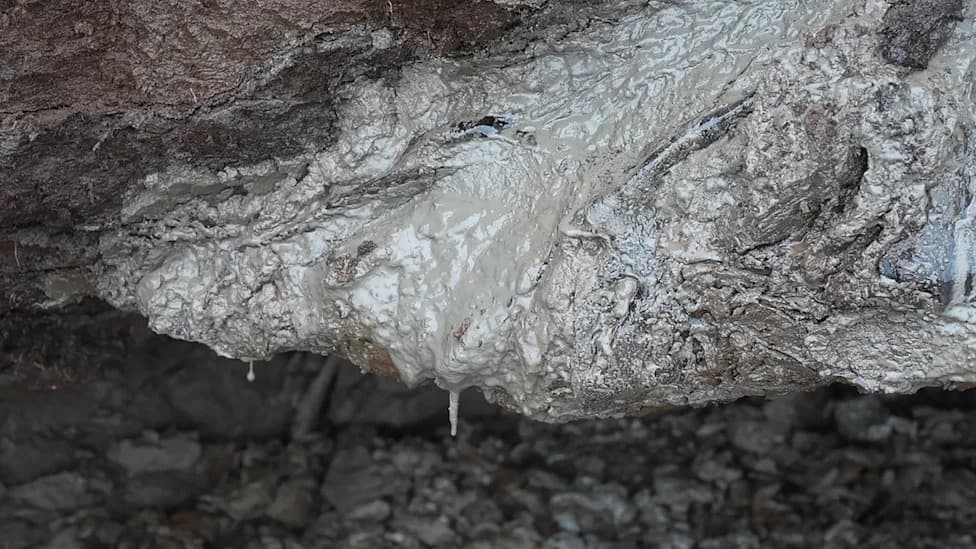
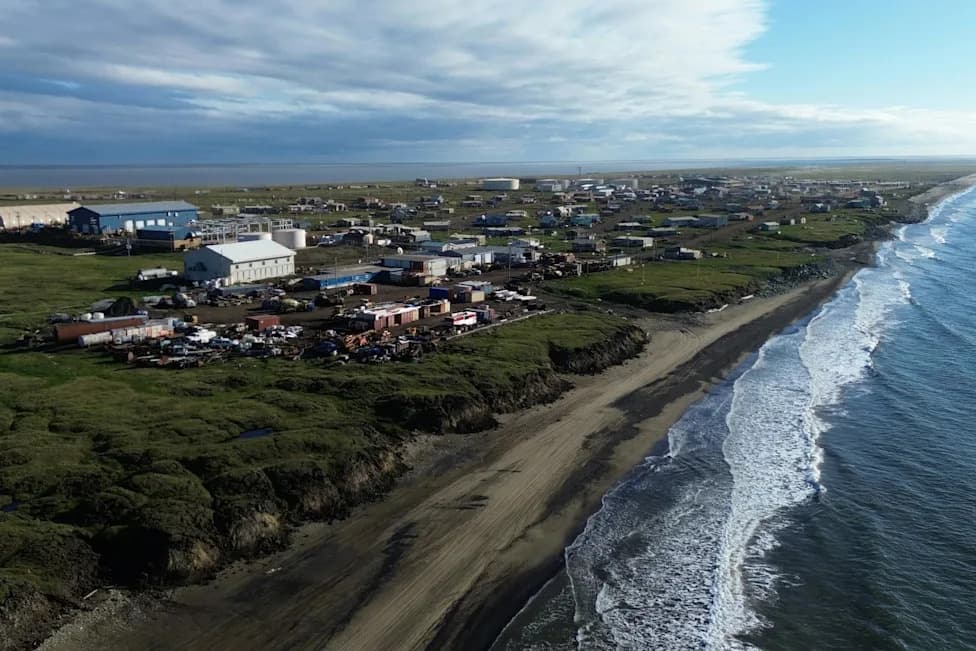
FILE - Permafrost melts on the coast in Newtok, Alaska, Aug. 16, 2024. (AP Photo/Rick Bowmer, File)(AP Photo/Rick Bowmer)
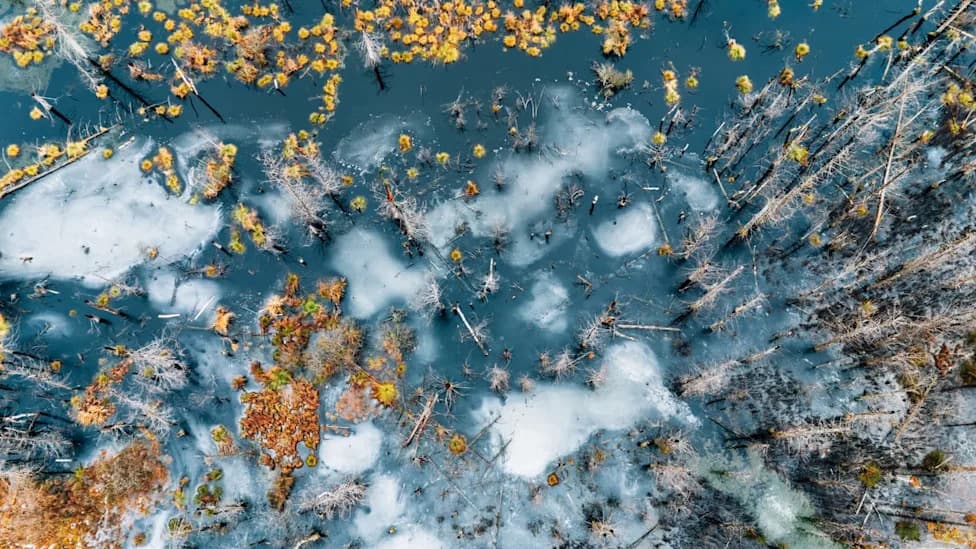
FAIRBANKS, Alaska — Walking the muddy rim of Smith Lake, ecologist Ted Schuur watched bubbles rise from thawing muck beneath his feet — one bubble, then another. Those bubbles are methane, a powerful heat-trapping gas created when ancient plant and animal material preserved in permafrost decomposes.
For millennia, cold Arctic soils kept organic material frozen and effectively locked away carbon. But the Arctic is warming roughly four times faster than the global average, and that frozen ground is beginning to thaw. As it does, previously preserved organic matter breaks down into methane and carbon dioxide, releasing greenhouse gases into the atmosphere.
"Once you start leaking this carbon out, there's so much in the ground that it's not going to shut off," said Ted Schuur of Northern Arizona University, describing permafrost thaw as one of climate change's most worrying tipping points. Scientists estimate permafrost contains about three times more carbon than is presently in the atmosphere — a vast reservoir that, if mobilized, could significantly amplify human-caused warming.
How Much Warming?
Two recent studies project that emissions from thawing permafrost could add roughly 0.25°C (about 0.45°F) of warming by 2100 on top of warming from burning fossil fuels. Other warming-driven effects — such as increased wildfires and changes to wetlands and lakes — could together raise expected warming by about 20 percent over the century. Though these increments may appear small, they compound existing emissions and are often not fully included in mainstream climate projections.
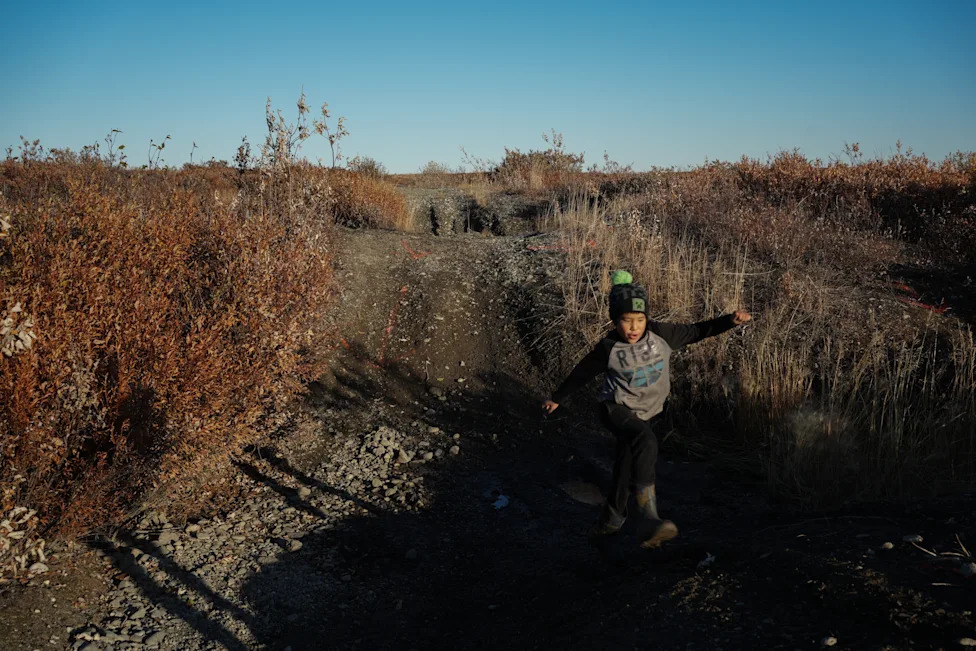
FILE - James Schaeffer, 7, plays on a road where thawing permafrost has caused the ground to warp in Kotzebue, Alaska, Sept. 26, 2025. (AP Photo/Annika Hammerschlag, File)(AP Photo/Annika Hammerschlag)
Landscape and Infrastructure Risks
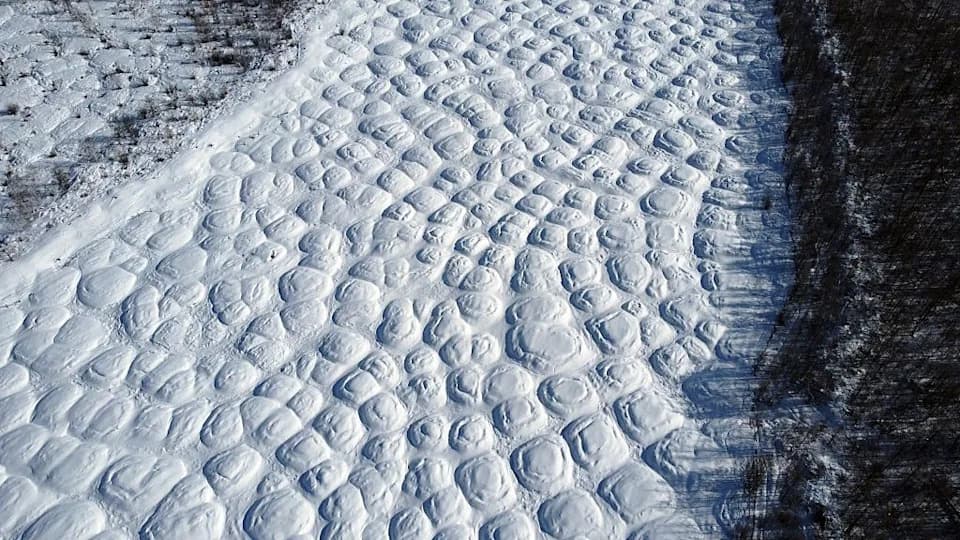
Thawing permafrost doesn't only affect the climate; it also destabilizes land. Ice-rich soils collapse as they melt, creating sinkholes and other features called slumps. Researchers using satellite imagery have identified more than 40,000 slumps across the Arctic. The loss of frozen ground that once supported roads, pipelines and buildings is already forcing communities and engineers to adapt.
Scientists also note thaw-related instability as one of several factors linked to recent extreme events. For example, a glacier collapse that contributed to deadly floods in Nepal followed an intense heat wave — a reminder that warming-driven landscape changes can have immediate, sometimes tragic, consequences far from the Arctic.
Why This Matters
Permafrost thaw represents a feedback loop: warming causes thaw, thaw releases greenhouse gases, and additional greenhouse gases drive more warming. Many projections and policy discussions still omit these permafrost-driven emissions, meaning actual future warming could be modestly higher than commonly cited estimates unless greenhouse-gas emissions are sharply reduced.
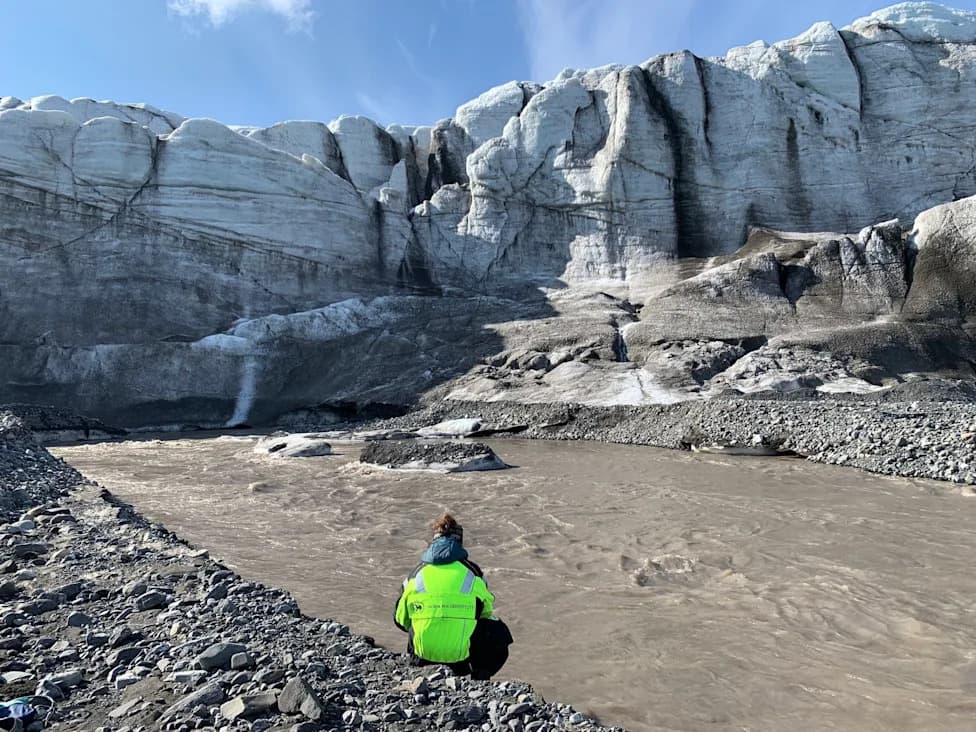
Field sites such as a U.S. Army–built permafrost tunnel near Fairbanks offer stark evidence of what the Arctic stores: frozen layers dotted with bison and mammoth bones and a strong, earthy odor from decomposing material. Researchers say this is not a distant problem — thawing and gas release are happening now, with long-term implications for the climate, ecosystems and human infrastructure.
What scientists recommend: incorporate permafrost feedbacks into climate models and emissions targets, accelerate global emissions reductions, and invest in monitoring and adaptation for Arctic communities and infrastructure.
Help us improve.