Scammers combined a fake WhatsApp message, a confirming phone call and an AI-cloned voice to persuade Fideuram’s chairman to authorize €95 million (≈ $108M) in overseas transfers. International cooperation recovered about €53 million, but roughly €36 million (≈ $41M) was moved through foreign accounts and converted into cryptocurrency and remains missing. The case highlights how accessible voice-cloning tools have made audio-based identity unreliable and underscores the need for independent verification and stronger internal controls.
AI Voice Cloning Used to Trick Bank Into €95M Transfers — €36M Vanishes Into Crypto

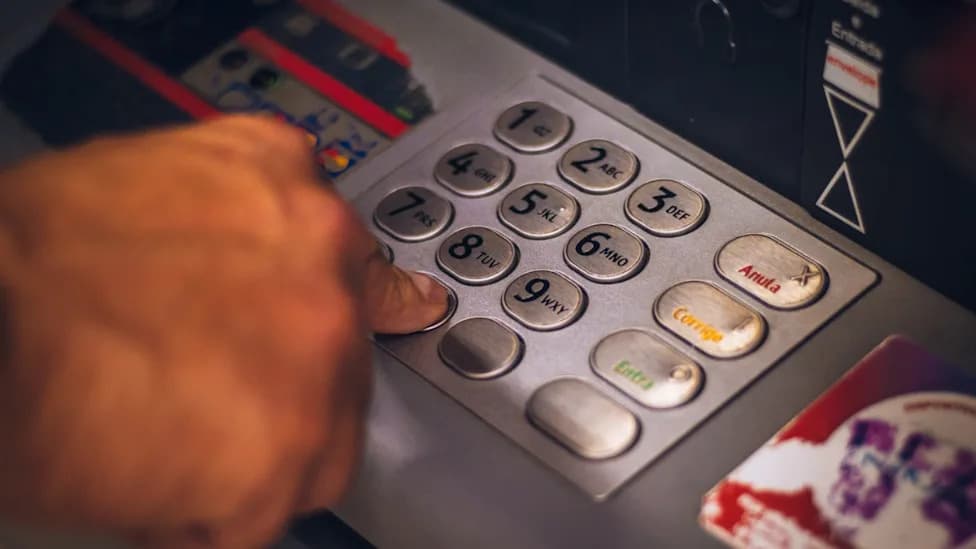
A fake WhatsApp message and AI-cloned voice helped scammers convince a bank executive to authorize $108 million in transfers | ©Image Credit: Unsplash / Clint Patterson
In February 2026, scammers used a fake WhatsApp message, a confirming phone call and an AI-generated voice to convince Paolo Molesini, chairman of Fideuram — Intesa Sanpaolo Private Banking, to authorize €95 million (about $108 million) in overseas transfers. Authorities recovered roughly €53 million after international cooperation, but approximately €36 million (≈ $41 million) was routed through multiple overseas accounts and converted into cryptocurrency, where it remains difficult to trace.
How the Scam Unfolded
According to Reuters, the attack began with a WhatsApp message that appeared to come from Intesa Sanpaolo CEO Carlo Messina asking for help with an urgent foreign transaction. A short time later, someone claiming to be a senior partner at a prominent law firm called to confirm the request. Investigators say the callers used AI to clone the partner’s voice, making the call sound authentic.
Believing the instructions legitimate, Molesini instructed Fideuram’s finance team to execute several transfers to accounts primarily in China and Hong Kong. The bank detected irregularities soon after and alerted other financial institutions and law enforcement agencies.
Recovery Efforts And Investigation
Cooperation among authorities in Italy, China and Portugal helped recover about €53 million. The remaining funds had already been moved across jurisdictions and converted into cryptocurrency, complicating recovery and forensic tracing.
Molesini resigned as Fideuram chairman in March, citing personal reasons. Reuters reports that neither he nor other Fideuram executives are currently under investigation. Milan prosecutors are probing a foreign national believed to be living outside Europe on suspicion of computer fraud.
Context And Risk
This case follows similar incidents: in February 2025, fraudsters allegedly used an AI-generated voice to impersonate an Italian government minister and trick businessman Massimo Moratti into transferring nearly €1 million — money that was later recovered. Voice-cloning tools have become alarmingly accessible; with sufficient audio samples, AI can produce speech that sounds strikingly like a real person. Combined with plausible pretexts, spoofed contact details and well-timed social engineering, audio alone is no longer reliable proof of identity.
Practical Steps To Reduce Risk
- Verify Independently: Always confirm unexpected payment or transfer requests through an independent channel (e.g., a known phone number or face-to-face verification), not by replying to the same messaging thread.
- Multi-Person Authorization: Require two or more sign-offs for large or unusual transfers and enforce separation of duties for transaction approvals.
- Secure Call Protocols: Use authenticated callback procedures and consider cryptographic voice-signing or dedicated secure communication apps for high-value approvals.
- Training And Simulations: Regularly train executives and finance teams on social-engineering and deepfake risks and run simulated phishing/voice-fraud drills.
- Rapid Response: If fraud is suspected, freeze related transfers immediately and notify correspondent banks and law enforcement to increase the chance of recovery.
Sources: Reuters reporting on the Fideuram incident; additional coverage by Yahoo Finance and Daily Star.
Help us improve.