Monique Ramirez, a 43-year-old U.S.-born Mexican-American in San Antonio, says ICE agents stopped her car on Aug. 31, questioned her teen children about their immigration status, and released the family after determining they were U.S. citizens. The brief encounter left her family shaken; she now carries birth certificates when they go out. Civil liberties groups point to dozens of similar incidents, including cases involving George Retes and Leo Garcia Venegas, and warn of widespread profiling and enforcement errors. DHS disputes the allegations and defends its officers' conduct as lawful.
US-Born Mother Says ICE Traffic Stop in San Antonio Left Family Carrying Birth Certificates
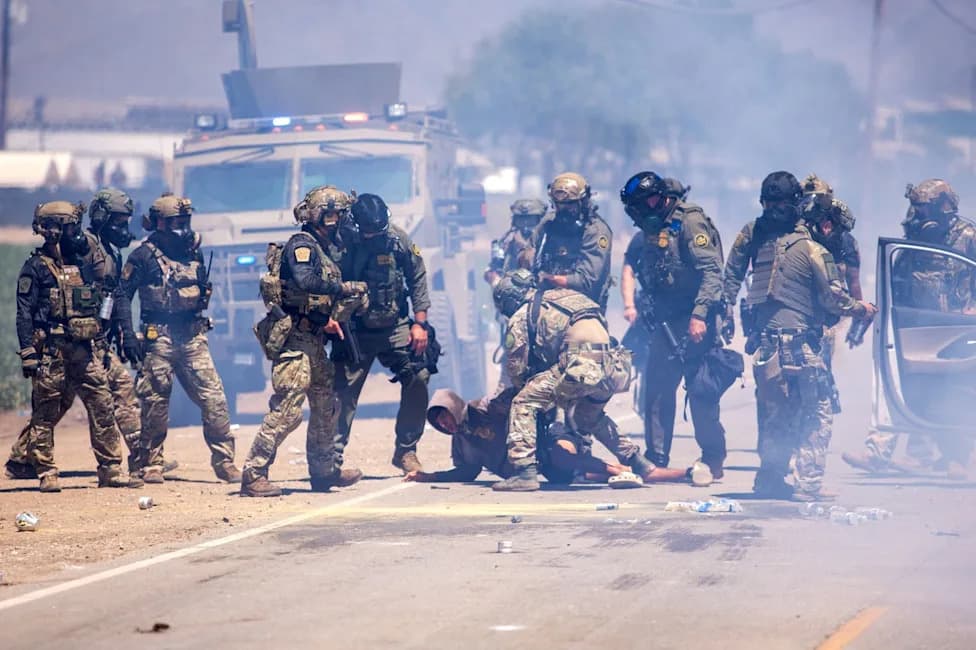
I’m an American and was pulled over by ICE. Now I don’t go out without my birth certificate
When 43-year-old Monique Ramirez realized the officers pulling her car over in San Antonio on Aug. 31 were federal Immigration and Customs Enforcement (ICE) agents, she said her stomach dropped. Ramirez, a U.S.-born, third-generation Mexican-American, was traveling with her 20-year-old son and 16-year-old daughter and initially believed the stop was a routine traffic stop.
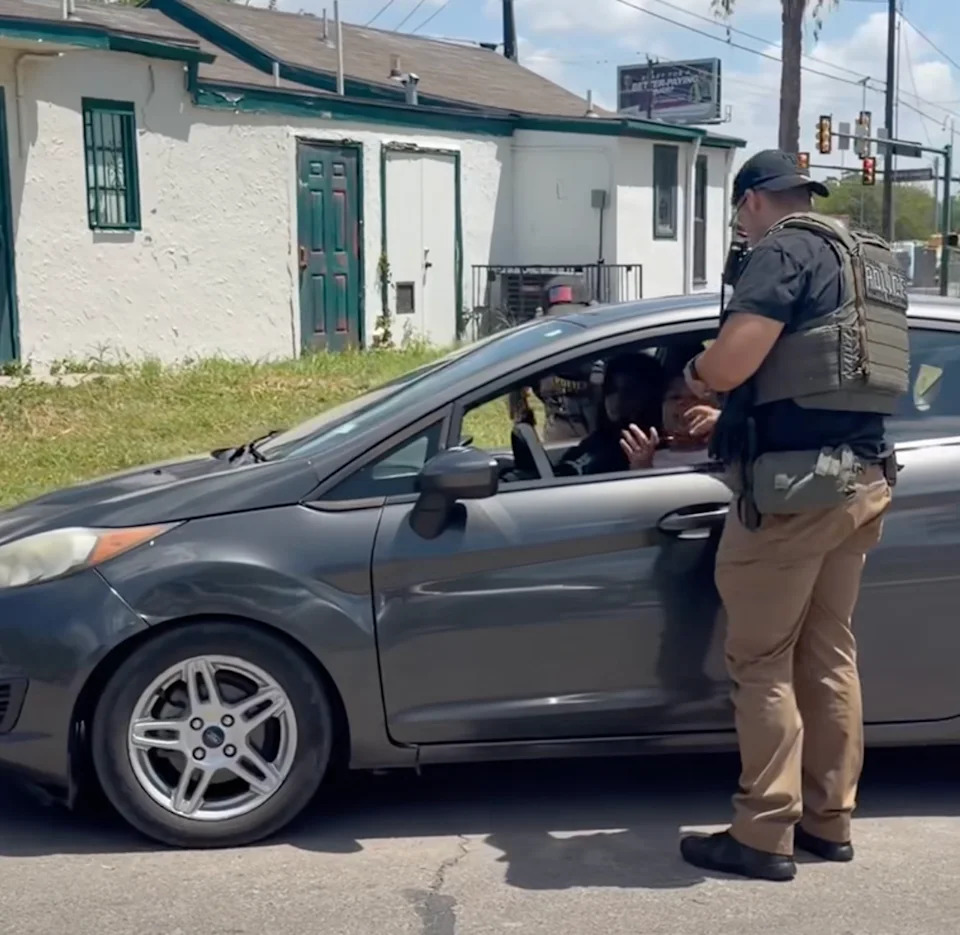
Monique Ramirez, a 43-year-old U.S.-born citizen, was in the car with her 20-year-old son and 16-year-old daughter on Aug. 31 when she thought she was being pulled over for a traffic stop. The officers turned out to be ICE agents (Anthony Medrano)
Body-camera and bystander video show an officer approaching the passenger side and asking Ramirez's daughter whether she was in the country illegally and whether she was a U.S. citizen. Ramirez said she immediately recognized the tone and manner as consistent with ICE and felt the family was being targeted because of the color of their skin.

Ramirez, far left, pictured with her six children, says that she now doesn't go anywhere without her birth certificate. 'We are from America. This is our home,' she said (Monique Ramirez)
"It changed everything," Ramirez told reporters. "We don't go out unless we need to. We carry our birth certificates." The encounter lasted roughly two minutes; once agents concluded the family were U.S. citizens they waved the car on without giving an explanation.
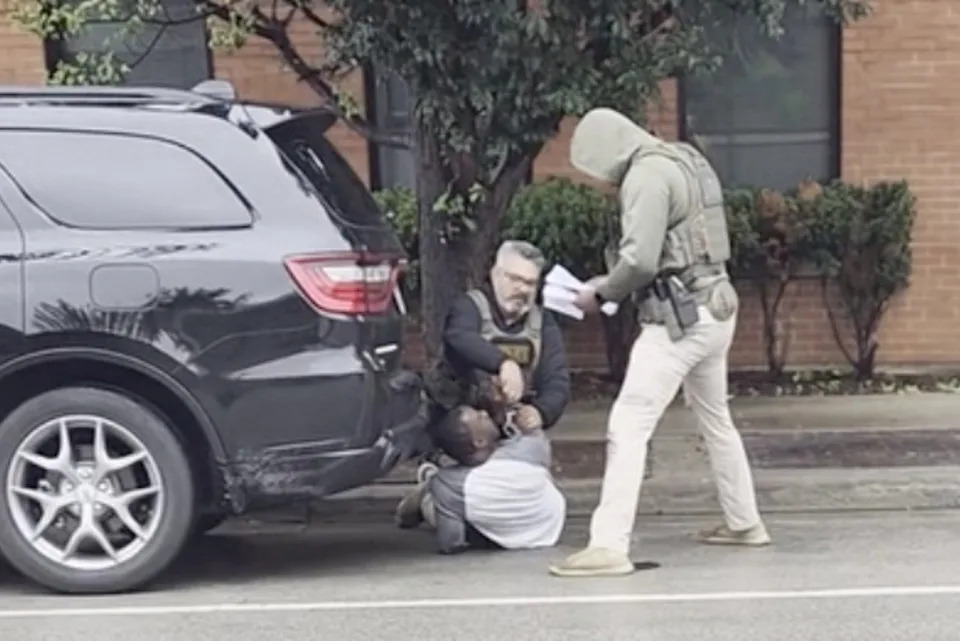
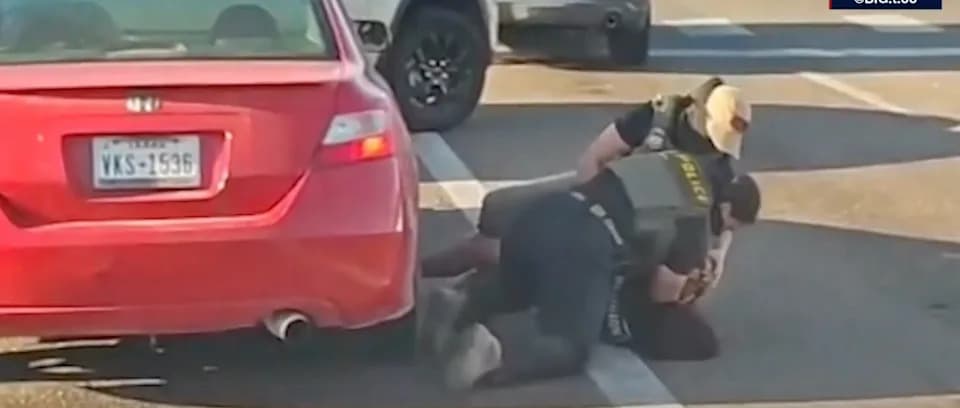
On September 20 in Evanston, Illinois, a Black U.S. citizen was apprehended on his way to collect a prescription by federal agents in what the Department of Homeland Security said was a case of mistaken identity (AP)
Context And Responses
The episode comes amid several high-profile cases in which U.S. citizens say they were stopped, detained, or otherwise mistreated by immigration enforcement. On Sept. 20 in Evanston, Illinois, a Black U.S. citizen was detained by federal agents while picking up a prescription; bystander video showed officers wrestling the man to the ground while he insisted he was a U.S. citizen. Local police said the man was injured and taken to the hospital.
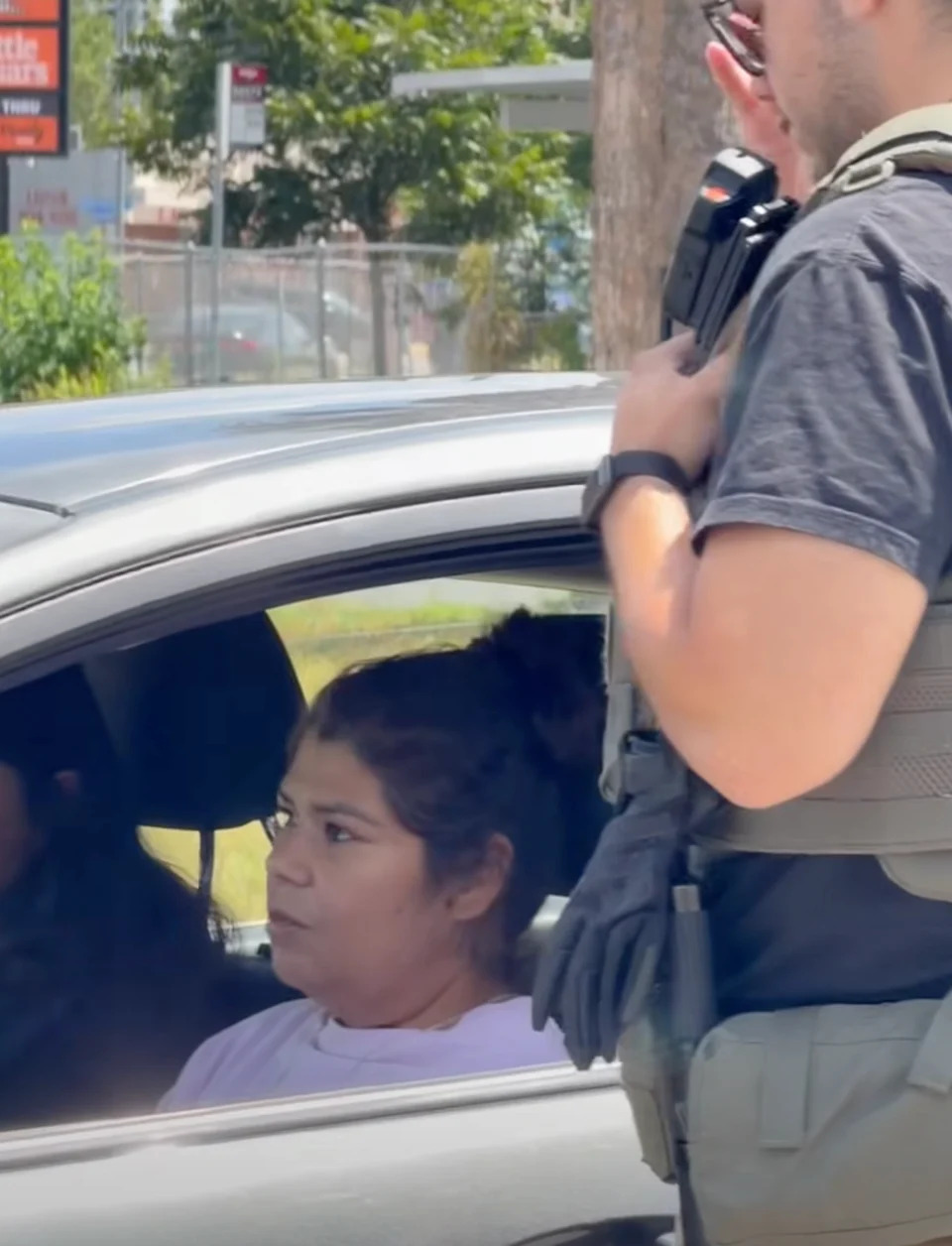
Ramirez, pictured during the encounter with ICE, which was recorded by a bystander, said she was stunned when the agents asked her children whether they were in the country illegally, and claimed they told her to 'shut up' when she intervened (Anthony Medrano)
A Department of Homeland Security (DHS) spokesperson, whose department oversees ICE, said agents in the Evanston case claimed the individual initially refused to identify himself and would not comply with lawful commands, and that officers left after the man identified himself. A DHS spokesperson also called allegations of racial profiling "disgusting, reckless, and categorically FALSE," saying enforcement is based on suspected immigration status, not skin color.
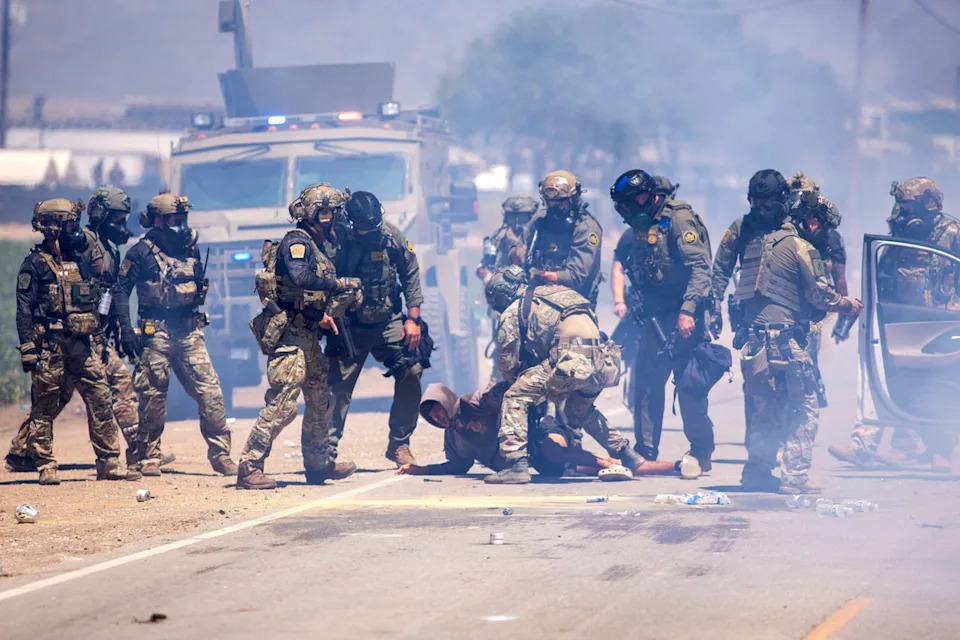
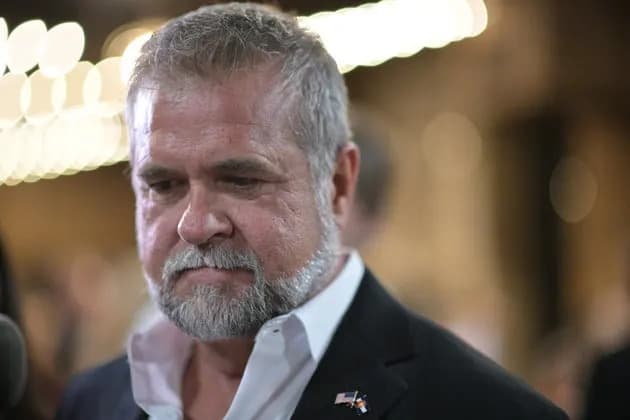
George Retes, a U.S.-born citizen and Iraq War veteran, was pictured being dragged from his car by agents in July 2025. He was brutally detained for three days after being caught up in the ICE raid at the farm where he worked as a security guard in Camarillo, Southern California (AFP via Getty Images)
Advocates' Findings And Legal Developments
Civil liberties groups contend mistakes and racial profiling are widespread. A recent ACLU report cited by advocates found that 155 U.S. citizens have been detained or subjected to law enforcement misconduct by immigration authorities, including 32 American children. Advocates warn racial profiling has become more common amid stepped-up enforcement under the current administration.

Retes is suing the government under the Federal Tort Claims Act and warned his case demonstrates that nobody is immune from ICE (Institute for Justice)
Legal developments have also been controversial. Last year the U.S. Supreme Court ruled that perceived race or ethnicity can be a relevant factor in immigration investigations—though not sufficient on its own to create reasonable suspicion—leaving a contested legal framework for enforcement decisions.
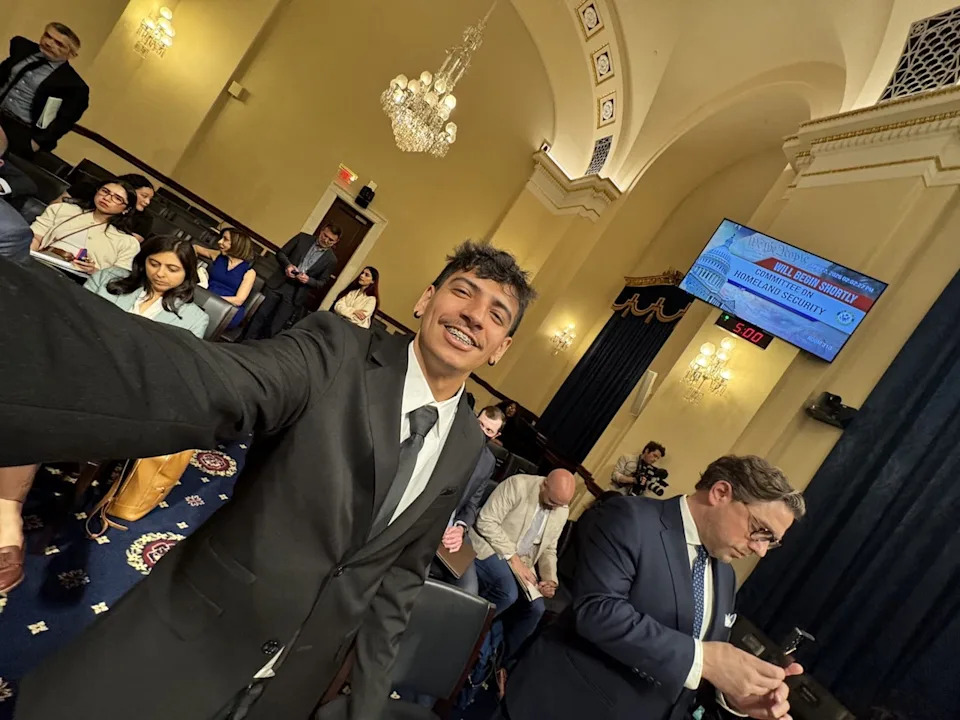
Retes has shared his ordeal with lawmakers in Congress and hopes he can help to bring about change (George Retes)
Other Reported Cases
Ramirez's experience echoes other alleged wrongful detentions. George Retes, a U.S.-born Iraq War veteran, says he was detained for three days after an ICE and Customs and Border Protection raid at a state-legal cannabis farm in Camarillo, California. Retes describes being dragged from his car, pepper-sprayed, restrained with agents kneeling on him, fingerprinted and swabbed for DNA, and held in isolation without access to counsel. Retes is suing the federal government under the Federal Tort Claims Act and has spoken to lawmakers about his ordeal.
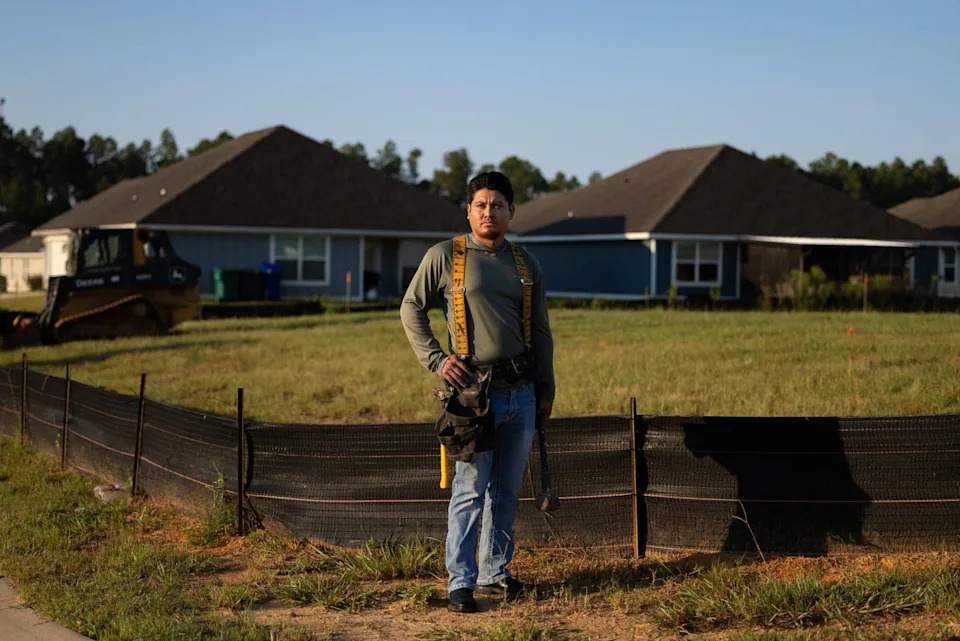
U.S. citizen Leo Garcia Venegas, who works in construction in Baldwin County, Alabama, has been detained three times despite showing agents his REAL ID. A federal judge in Alabama last week sided with Venegas in a class action lawsuit (Institute for Justice)
In Alabama, Leo Garcia Venegas, born in Florida to Mexican parents, says he was detained three times while working construction despite showing a REAL ID. He joined a federal class-action suit; last week a federal judge in Alabama ordered immigration agents to stop warrantless raids of construction sites and to release workers in the Southern District of Alabama who present valid proof of citizenship or lawful status, such as a REAL ID.
Impact On Families
Ramirez said the stop left a lasting mark on her children. Her daughter was left "shaking" and asked if she could stay home from school, later saying she felt "too Mexican to be out in the wild right now." Ramirez described a sense of hurt and betrayal that looks and skin tone could make her family feel like targets in their own community.
The DHS spokesperson disputed Ramirez's account, saying officers conducted a vehicle stop on a car registered to an undocumented person and that agents were respectful and did not tell anyone to "shut up." Ramirez counters that the vehicle, insurance and records are in her name.
Whether seen as isolated mistakes or part of a broader pattern, these incidents have prompted calls from advocates, attorneys and lawmakers for clearer rules, better training, and stronger protections to prevent U.S. citizens from being wrongly stopped or detained by immigration authorities.
Ramirez: "You realize that to them, they're stopping you because they feel like there's something wrong with you. And in this case, the 'wrong with you' is your skin tone."
Help us improve.