A new screening method reviewed 15,159 food-contact substances and flagged 1,222 packaging-related chemicals previously linked to serious health hazards. Over 4,000 chemicals were placed into hazardous priority groups, and roughly 70% of those lack adequate safety data, raising concerns about poorly tested replacements. The study recommends evaluating related chemicals in groups and offers a tool to help regulators and manufacturers vet substitutes before products reach store shelves.
Study Finds 1,222 Food‑Packaging Chemicals Linked to Serious Health Risks — Many Replacements Go Untested
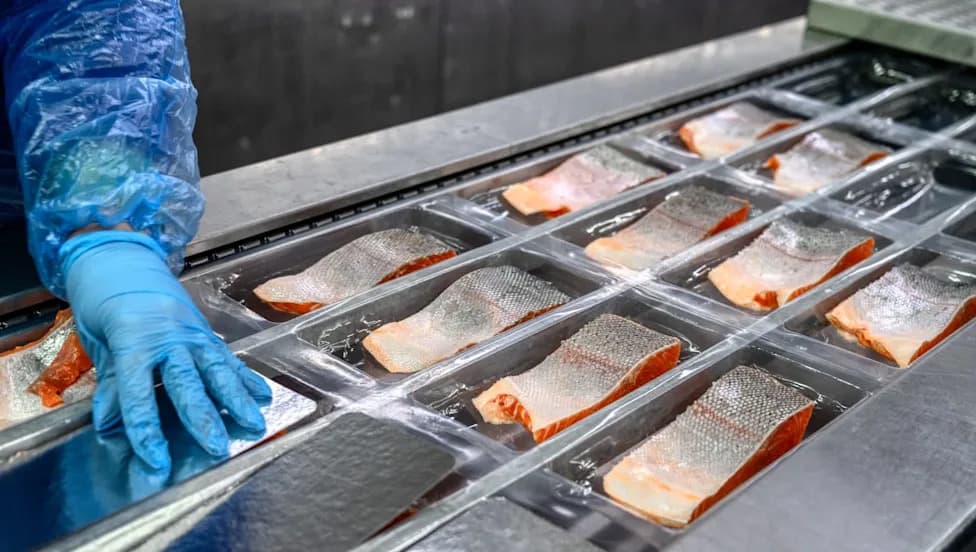
Photo Credit: iStock
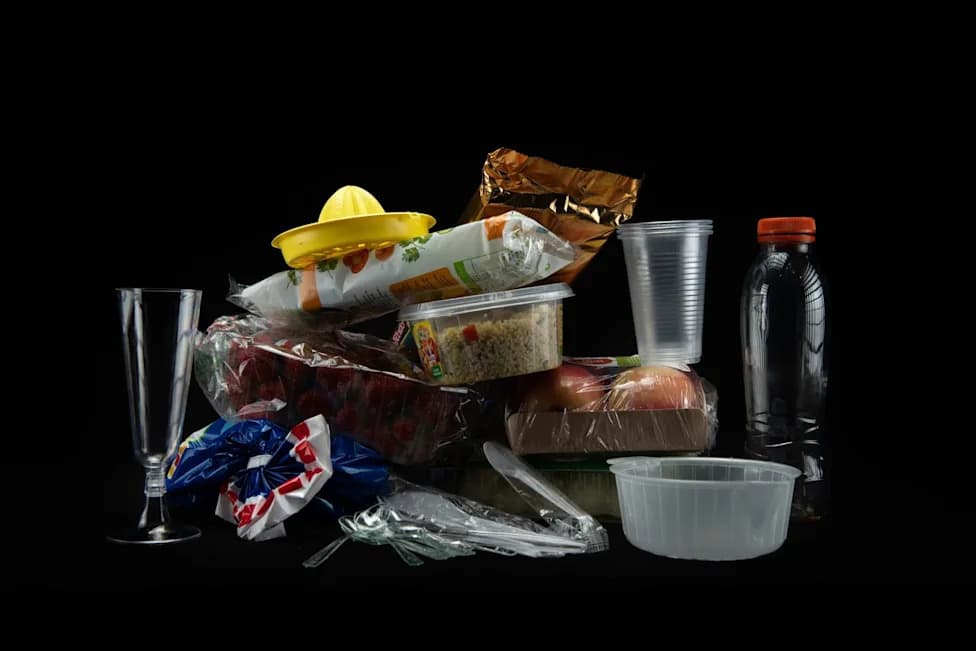
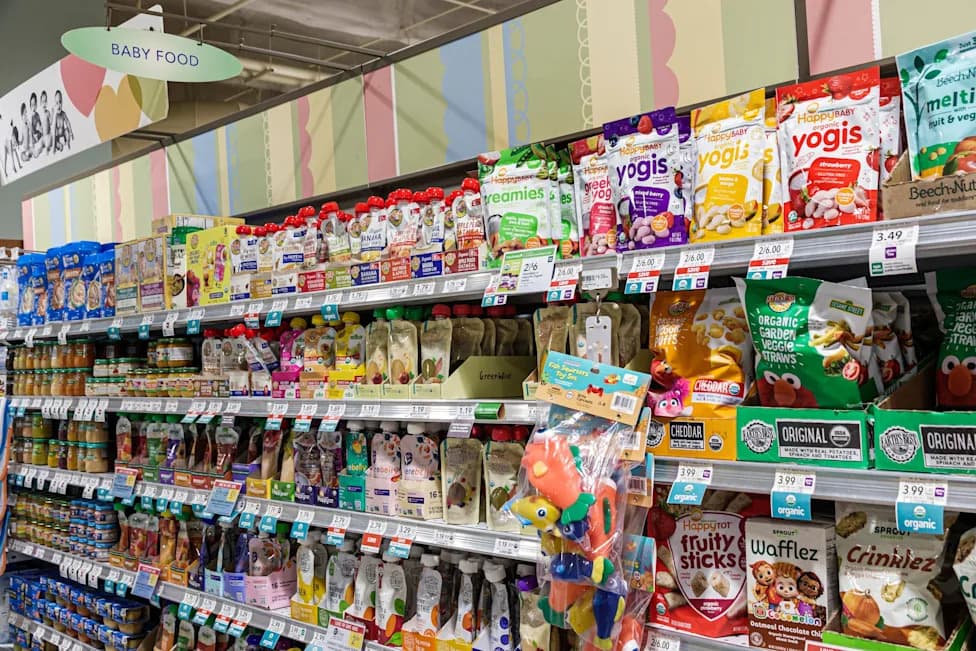
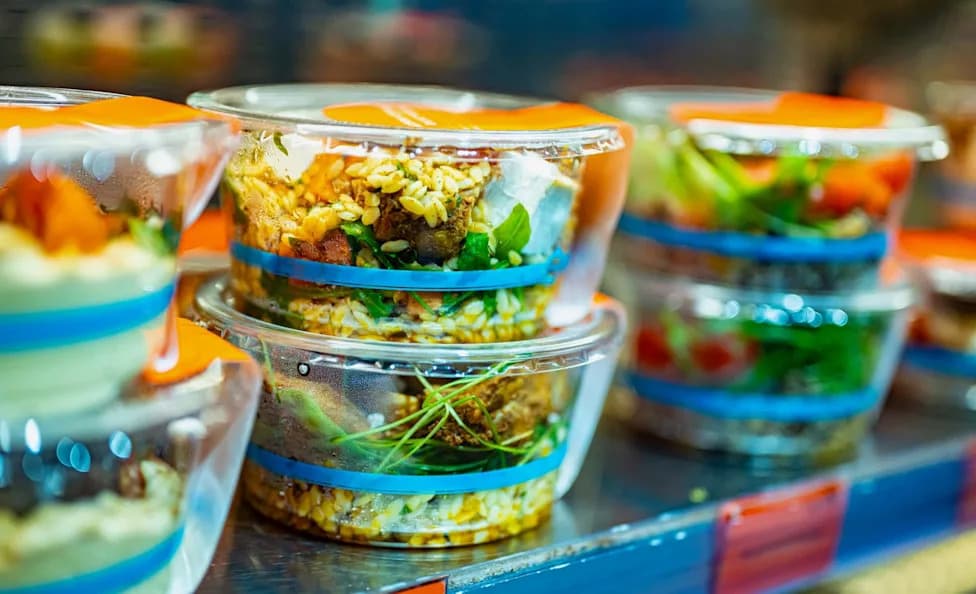
A new screening method applied to chemicals that come into contact with food has flagged hundreds of packaging-related substances that regulators have already linked to significant human-health hazards. The analysis highlights how poorly tested replacements and chemical migration from packaging could expose people to cancer-causing, reproductive-toxic, or endocrine-disrupting compounds in everyday foods.
Key Findings
Scope: The study reviewed 15,159 substances documented as food-contact materials.
- 1,222 chemicals used in packaging were flagged as previously associated with serious human-health hazards.
- More than 4,000 chemicals were assigned to hazardous priority groups; roughly 70% of those lack sufficient safety data.
- At least 2,160 food-contact chemicals have documented evidence of migration into food.
Why This Matters
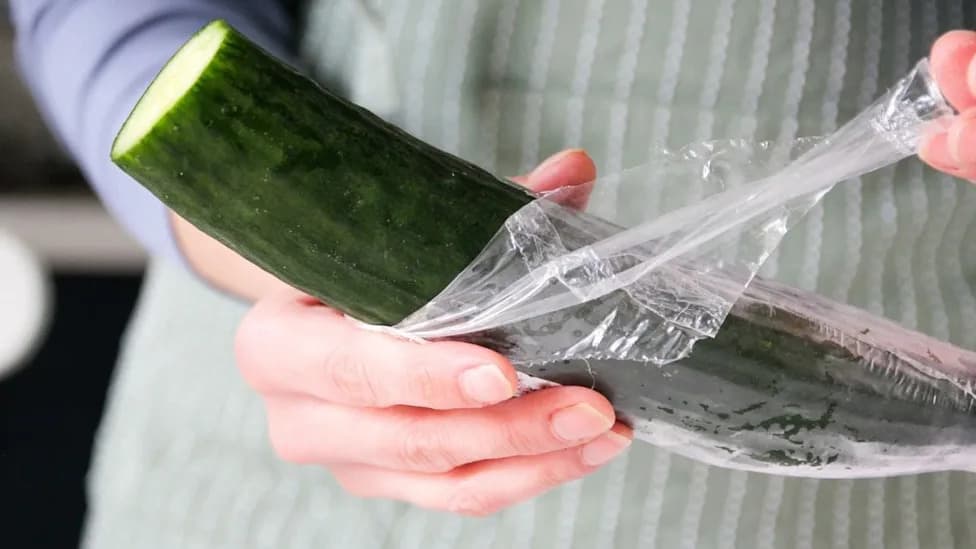
Many packaged foods use plastic‑lined materials to block moisture and contaminants, but those layers can also enable chemicals to migrate into food. Regulatory limits on a single chemical often prompt substitution with structurally similar alternatives that have undergone far less testing—creating "regrettable substitutions." The widely cited switch from BPA to BPS is a clear example: structural similarity means BPS could retain many of BPA's harmful properties despite being less studied.
Recommendations From The Study
The researchers argue for a group-based evaluation of chemicals rather than assessing them one by one. Because structurally similar molecules frequently behave similarly, grouping can identify hazardous families more efficiently and help regulators and manufacturers vet candidate replacements before products reach store shelves.
Related Evidence
- Investigators detected nearly 70 contaminants inside food packaging in another study, highlighting routine contamination risks.
- A global report estimates that plastic food packaging sheds about 1,100 tons of microplastics into food and drinks each year.
- Research also suggests particles from a commonly used biodegradable packaging plastic may disrupt metabolic cycles.
Publication: The study appears in Environmental Science & Technology and was summarized by Phys.org. The screening tool offers a practical way for industry and regulators to prioritize safer alternatives and reduce the chance that a restricted chemical is simply replaced by an untested sibling.
Bottom line: Thousands of food-contact substances remain poorly characterized; targeted screening and group-based regulation could reduce exposure risks and prevent dangerous substitutions.
Help us improve.