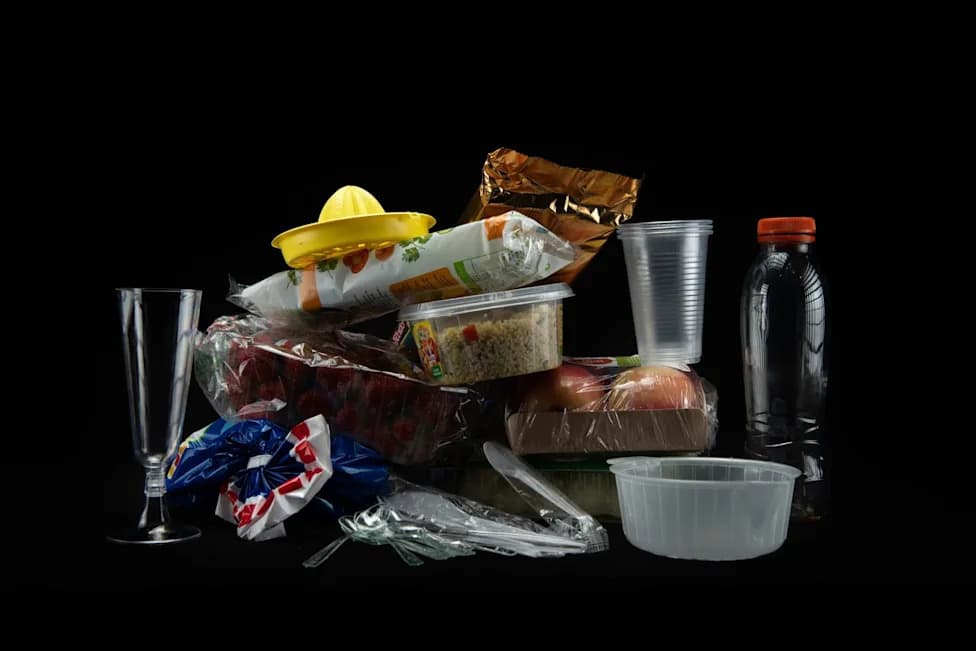
Seven-day changes: A randomized trial in Australia found that switching to food and kitchenware with minimal plastic contact lowered several plastic-associated chemicals in urine within one week. Mono-n-butyl phthalate fell 38%, monobenzyl phthalate fell 54%, and bisphenol A fell 60% in the low-plastic food plus kitchenware group. The trial was short and small, so long-term health implications remain uncertain.
Seven-Day Low‑Plastic Diet Cuts Urinary Plastic Chemicals Up To 60%, Trial Finds
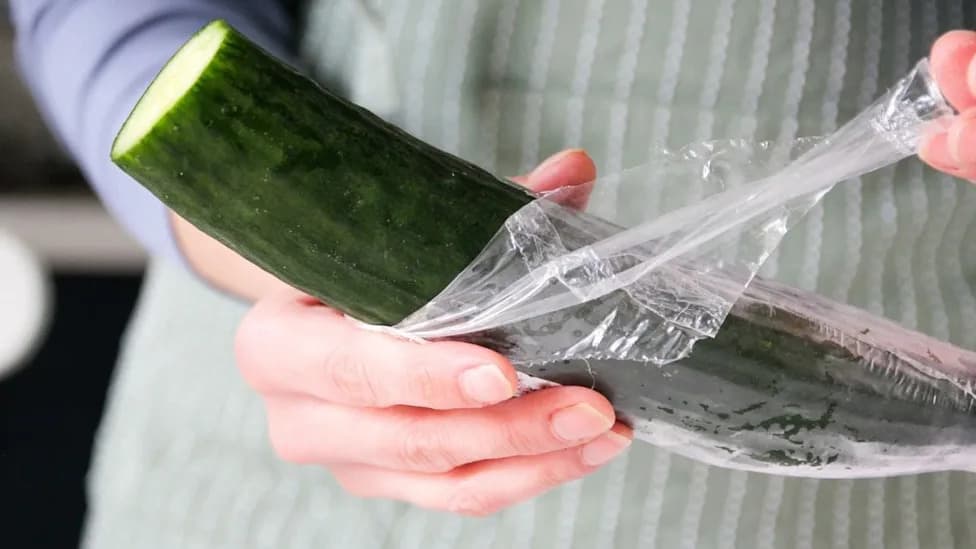
(Kinga Krzeminska/Moment/Getty Images)
Plastic is deeply embedded in modern life, but a new randomized controlled trial from Australia shows that people can reduce their internal exposure to certain plastic-associated chemicals within days by changing what they buy and how they prepare food.
Study Design and Key Findings
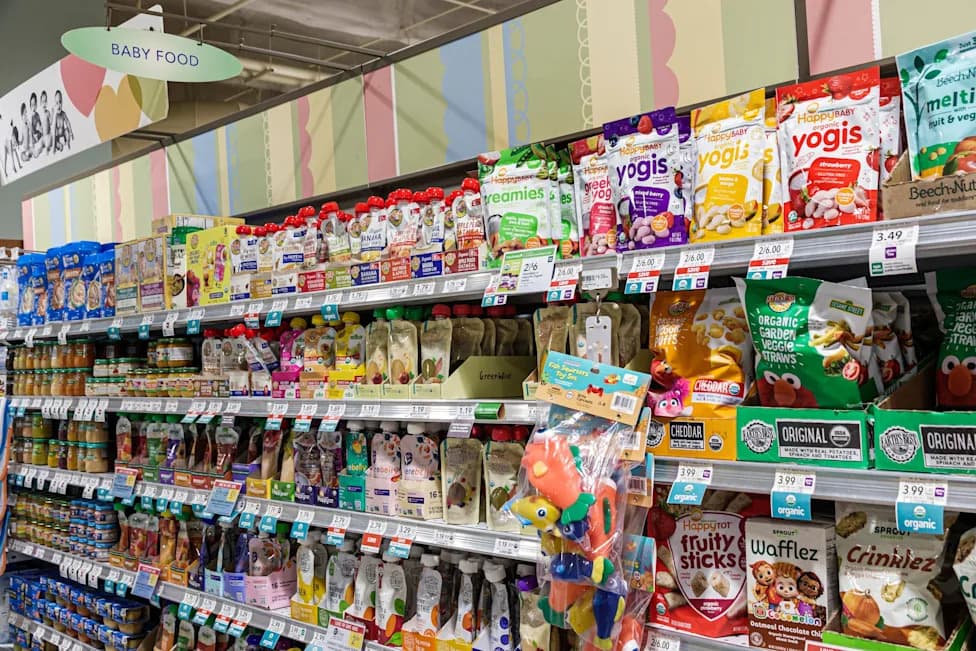
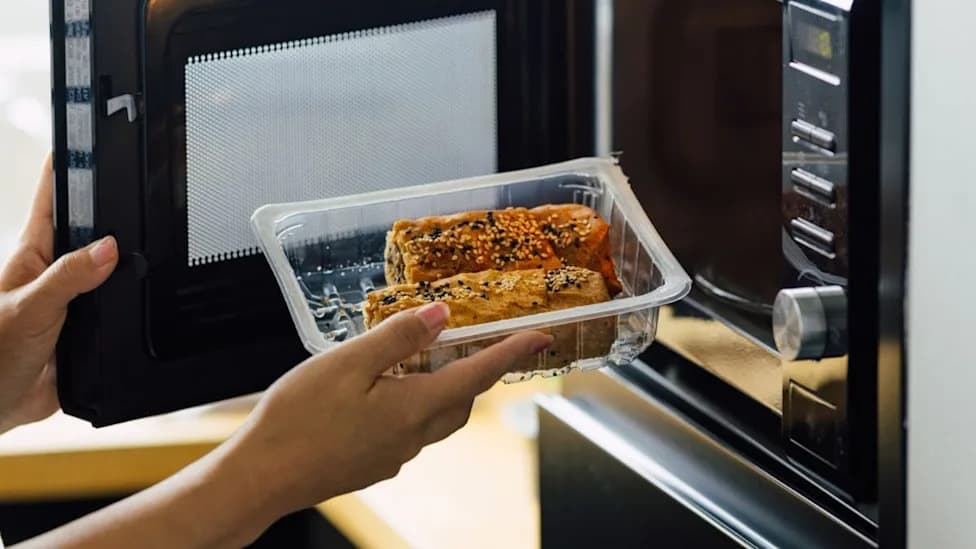
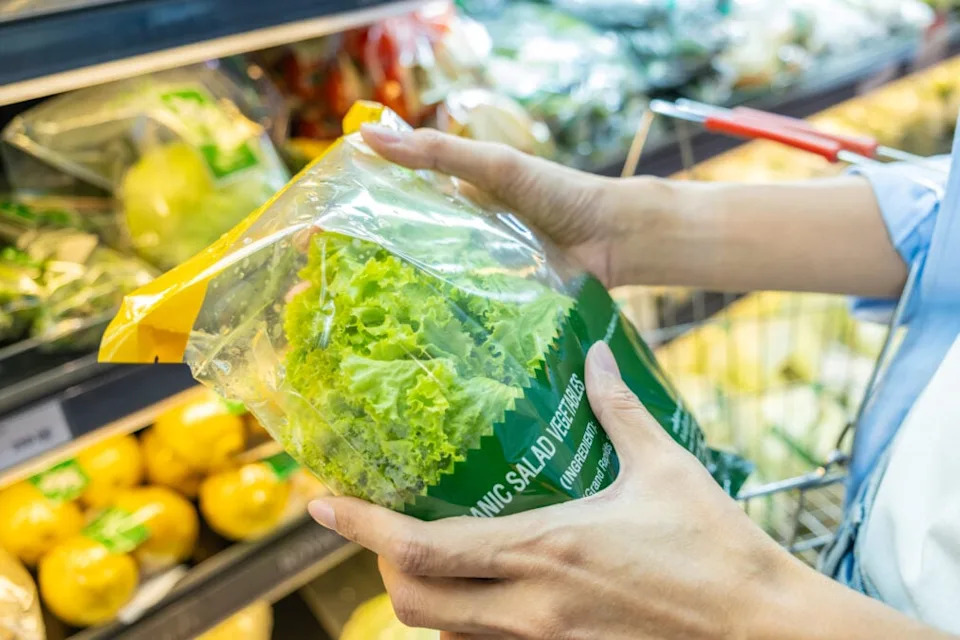
Researchers first measured plastic-chemical exposure in a larger group of 211 people and found widespread contamination: on any given day, 100% of participants excreted at least six metabolites linked to plastics. Analysis pointed to processed and packaged foods — along with foods microwaved in plastic — as major contributors.
(Theerawit Jirattawevut/iStock/Getty Images Plus)
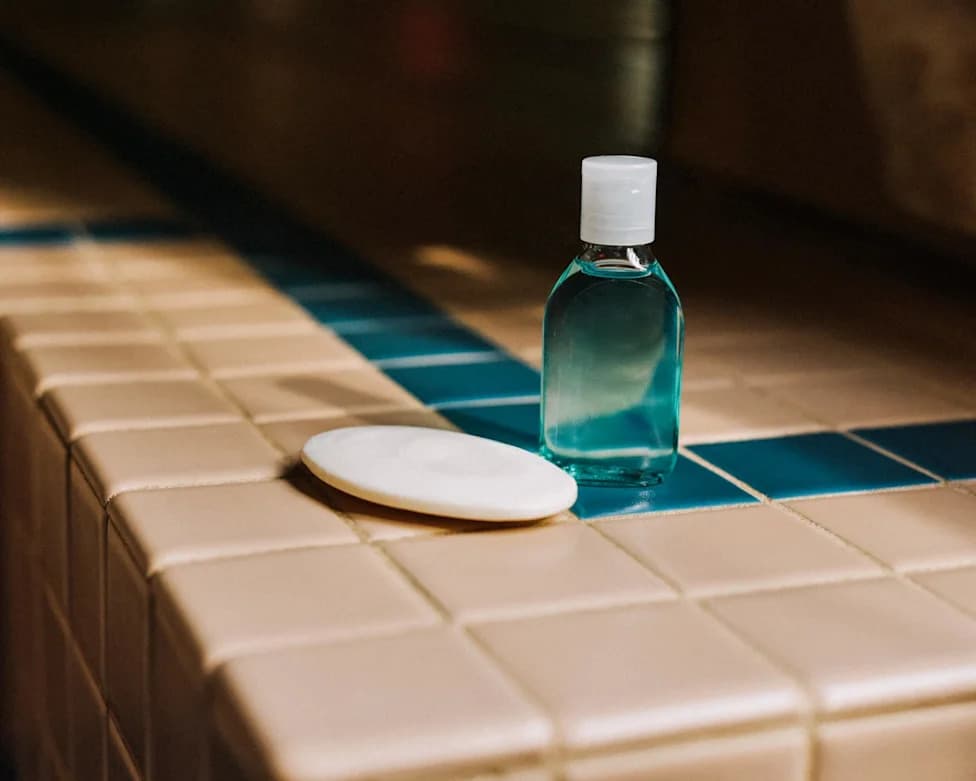
From that cohort, 60 volunteers were randomized into a seven-day trial with five arms: a control group and four intervention groups that separately tested (1) low-plastic food supply, (2) low-plastic food plus plastic-free cooking equipment, (3) low-plastic personal-care products, and (4) a combined intervention.
The most pronounced changes occurred in the group that received low-plastic foods and plastic-free kitchenware. After seven days, urinary levels of mono-n-butyl phthalate (MnBP) were 38% lower, monobenzyl phthalate (MBzP) were 54% lower, and bisphenol A (BPA) were 60% lower compared with the control arm. Changes from swapping personal-care products were smaller, and not every measured chemical declined significantly.
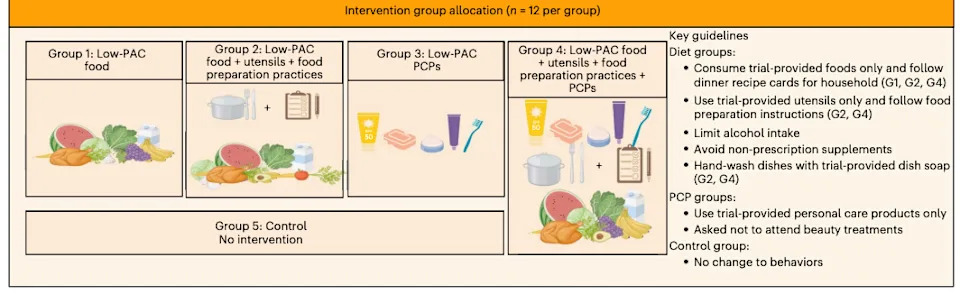
The five different groups in the experiment. (Harray et al.,Nat. Med., 2026)
“Strictly adhering to a diet of food which has not touched plastic... can reduce plastic chemicals in our body in as little as a week,” said Michaela Lucas, the study’s senior author.
How the Intervention Worked
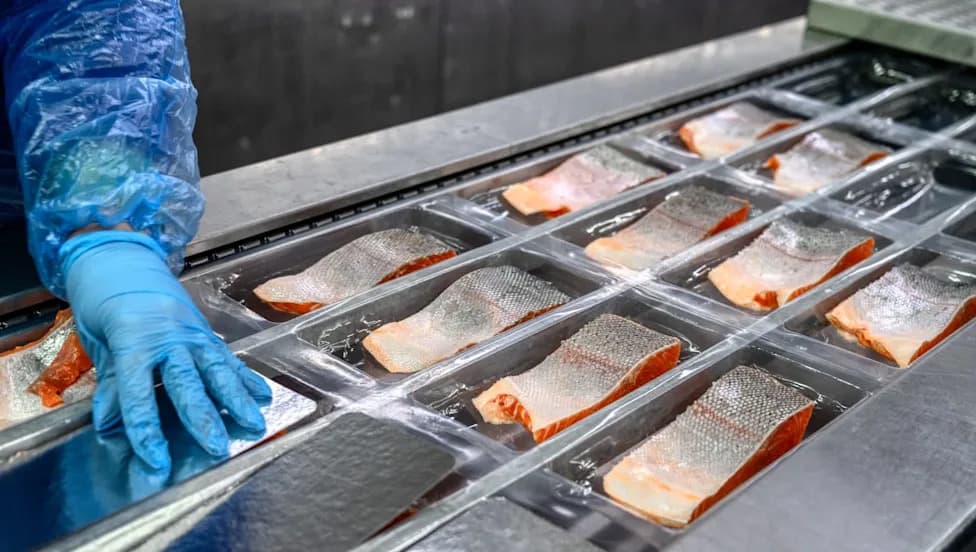
To reduce plastic contact, dietitians partnered with more than 100 farmers and food producers to change handling and packaging practices from paddock to plate. Participants could choose familiar foods (pasta, salads, meat, etc.) so calorie intake remained comparable while reducing plastic contact. The study team also provided stainless-steel pots, pans, kettles, toasters and wooden chopping boards to the relevant participants.
Limitations and Context
Both phthalates and bisphenols have relatively short biological half-lives, which helps explain why urinary levels can fall quickly after exposure is reduced. However, the trial was short (seven days) and modest in size, so it cannot determine long-term health effects or causal links to disease. Numerous epidemiological studies have associated these chemicals with outcomes such as cardiovascular disease, metabolic disorders and fertility issues, but safe exposure thresholds and causal relationships remain uncertain.

Subscribe to ScienceAlert's free fact-checked newsletter
The authors emphasize that while individuals can reduce some exposures, larger changes in food-production and packaging systems would be required to lower population-level burdens permanently.
Bottom Line
This trial offers practical evidence that minimizing plastic contact in food production, packaging, and preparation can substantially reduce some plastic-related chemicals in the body within a week — but more research is needed to understand long-term health consequences and scalable solutions.
Source: Study published in Nature Medicine.
Help us improve.