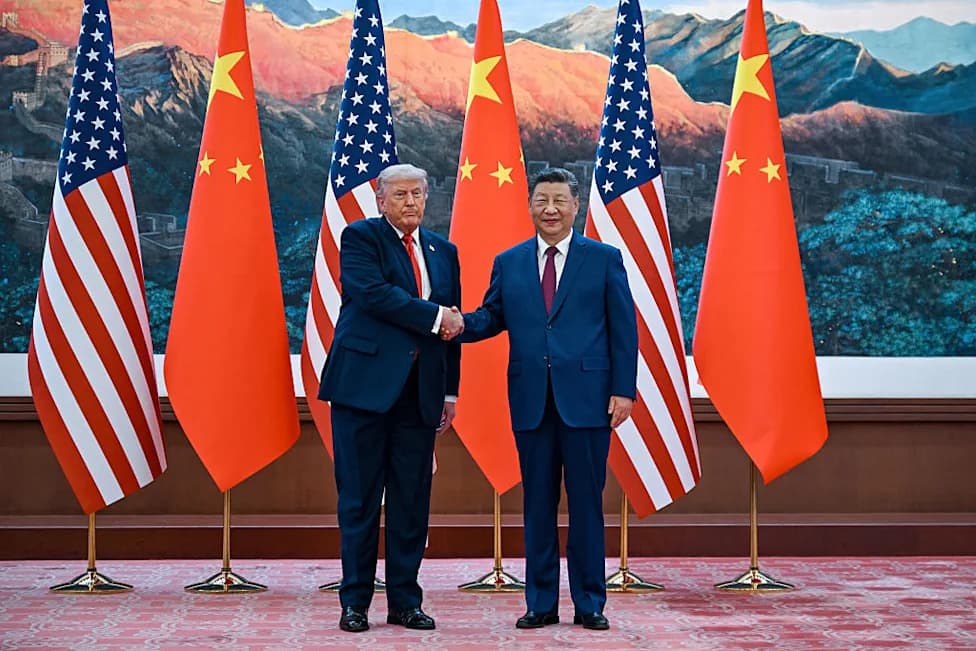
Republicans are increasingly breaking with President Trump over the nearly seven-month war in Iran, citing rising fuel costs and the lack of a clear exit strategy. A CBO analysis links the conflict to higher inflation, while EIA data show gasoline up about 52% and diesel up roughly 71% since the war began. Several House Republicans voted to limit the president's war powers, and polls indicate GOP support for the conflict has fallen — a trend that could affect tight midterm races.
Why More Republicans Are Breaking With Trump Over the Iran War — And Why It Matters for the Midterms
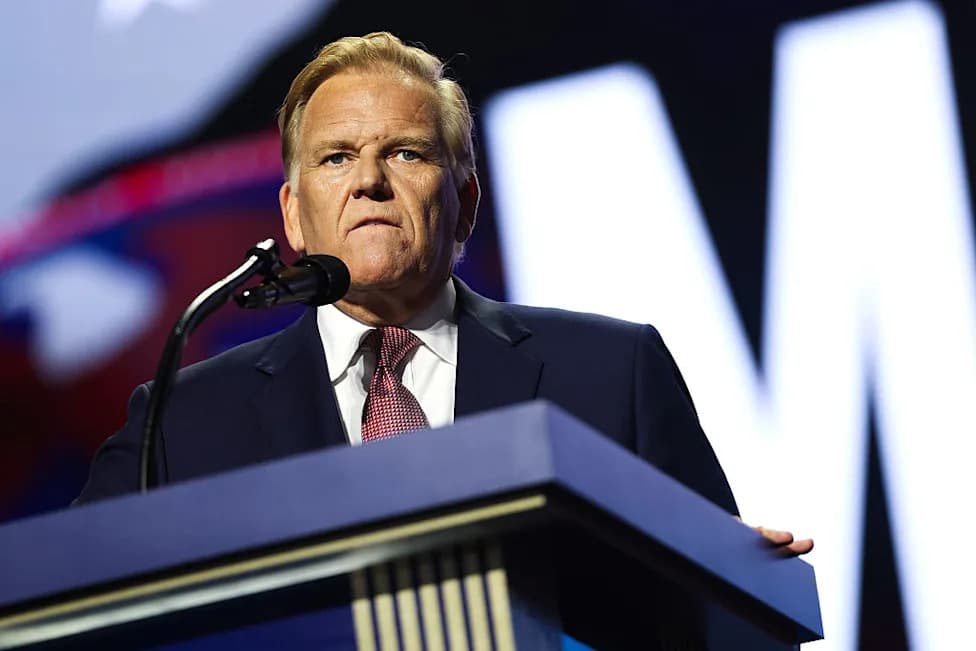
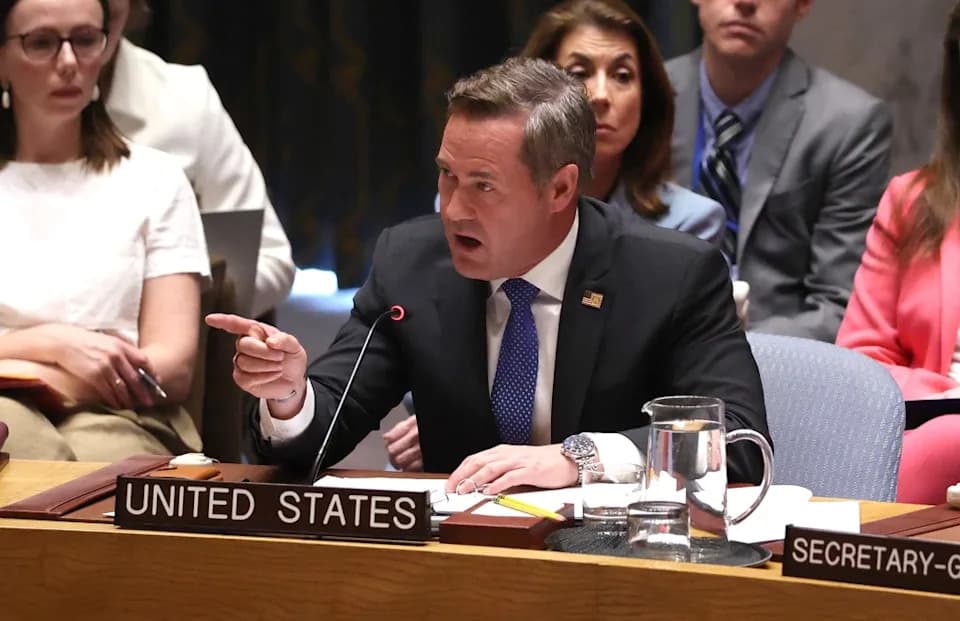
Michigan Republican Senate candidate former Rep. Mike Rogers (R-MI) speaks on stage on the second day of the 2026 Republican National Convention at the American Airlines Center in Dallas, Texas, on September 10, 2026. —Kevin Dietsch—Getty Images
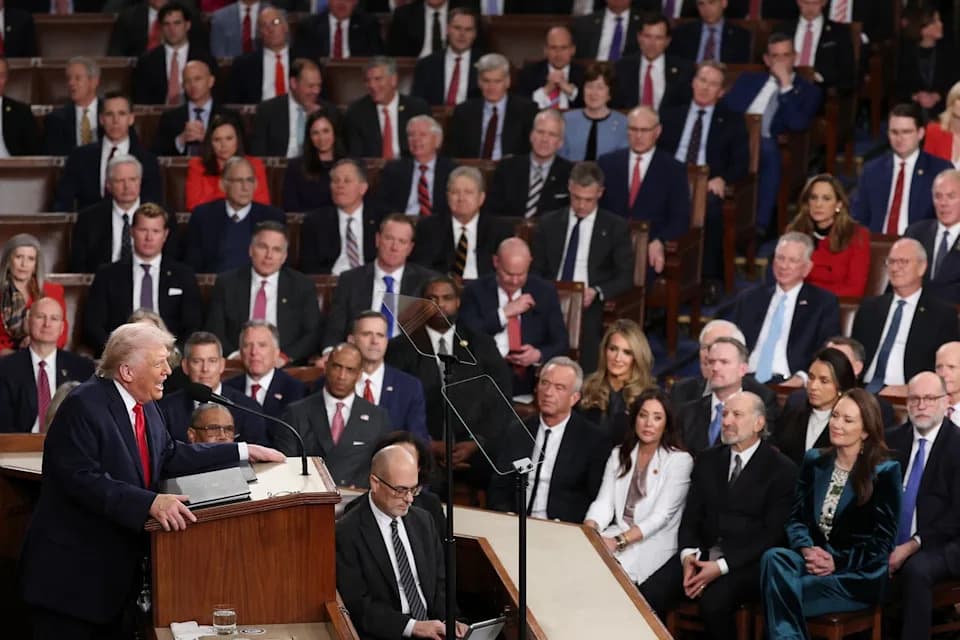
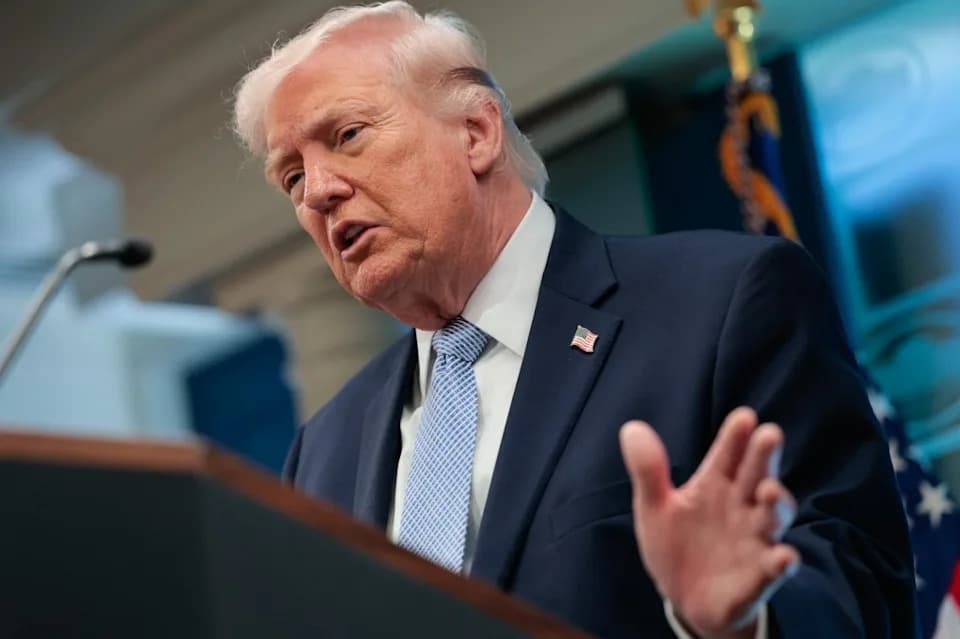
Republicans across the campaign trail and Capitol Hill are increasingly distancing themselves from President Donald Trump over the nearly seven-month war with Iran. Rising fuel prices, slipping GOP support for the conflict, and worries about the absence of a clear exit strategy have pushed some Republican candidates and lawmakers to call for an end to the fighting — a trend that could reshape messaging in tight midterm races.
What’s Driving the GOP Breakaways
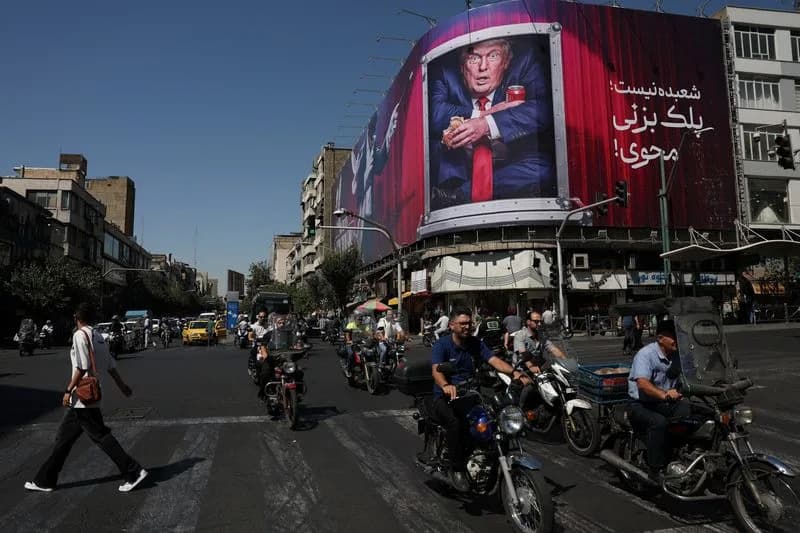
Two forces are combining to produce Republican defections: acute economic pain at the pump and growing unease about open-ended military involvement. Travel and shipping disruptions through the Strait of Hormuz have contributed to sharp fuel-price increases, while polls show waning enthusiasm within the GOP for continued military escalation.
Economic Pain: Gas Prices and Inflation
Congressional Budget Office analysis found the conflict added roughly 2.3 percentage points to the annualized inflation rate (measured as 5.3% in Q2 2026), primarily because of energy disruptions. The U.S. Energy Information Administration reports that regular gasoline is about 52% higher since the war began (roughly $4.48 per gallon), and diesel has risen roughly 71% — development that candidates are tying directly to voters' household strain.
Electoral Pressure and Exit Strategy Concerns
Many Republican midterm hopefuls have framed calls to stop the war as a way to relieve price pressure for voters. Party strategists say candidates are signaling opposition to the conflict to respond to constituents who prioritize cost-of-living issues. At the same time, a growing number of voters — including sizable GOP shares — believe the administration lacks a clear plan to end the fighting.
Who Has Broken Ranks
On the Hill, a recent House resolution to limit the president's authority to continue military operations in Iran won additional Republican votes, marking the third time the House has acted to constrain war powers related to Iran. Republicans who voted for the measure include Reps. Zach Nunn, Mariannette Miller-Meeks, Thomas Massie, Brian Fitzpatrick, Warren Davidson, Tom Barrett and Nancy Mace. Several Senate and gubernatorial candidates have also publicly urged a quick end to the conflict.
Polling Snapshot
Recent polls show declining GOP support for the war. A YouGov survey found Republican backing fell from 68% in April to 53% in mid-September. A CNN/SSRS poll showed Republican approval dropping from 73% in March to 60% in mid-September. A Fox News poll found 71% of voters overall believe the president lacks a clear strategy to end the conflict, including 43% of Republicans. In addition, a recent YouGov survey found 52% of Americans expect the war to last at least another year.
"It's all about getting reelected," said GOP strategist Brian Darling, describing why candidates emphasize ending the war. "They want to signal to constituents they share concerns about the Iran war."
Outlook
With the midterms approaching, Republican candidates and lawmakers face a choice between aligning with the president's hardline rhetoric and responding to voter anxiety about inflation and prolonged military engagement. Strategists interviewed by TIME say the number of Republicans distancing themselves from the president on Iran is likely to grow if prices and political pressures remain high.
Sources: Congressional Budget Office; U.S. Energy Information Administration; YouGov; CNN/SSRS; Reuters/Ipsos; public statements and congressional roll calls.
Help us improve.