The Trump administration says Iran is miscalculating by betting that U.S. economic pain and the November midterms will weaken Washington after a three-hour meeting produced no immediate deal. Officials cite increasing oil flows through the Strait of Hormuz and sustained economic pressure on Tehran as key leverage points. Iran reportedly offered a seven-day plan to restore passage through the strait if certain conditions are met. U.S. leaders emphasize continued diplomacy while keeping pressure and options on the table.
Trump Officials Say Iran Is Miscalculating by Betting on Midterms After Three-Hour Talks
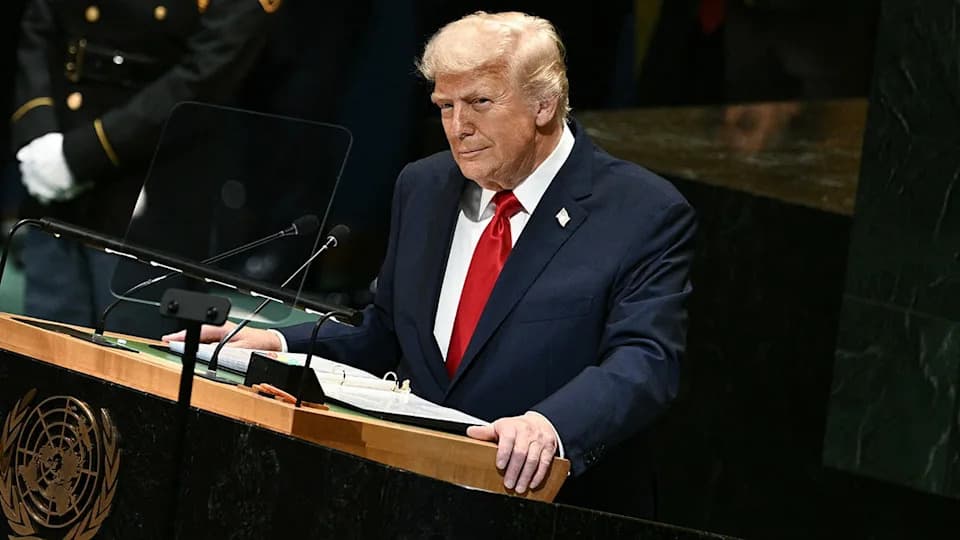
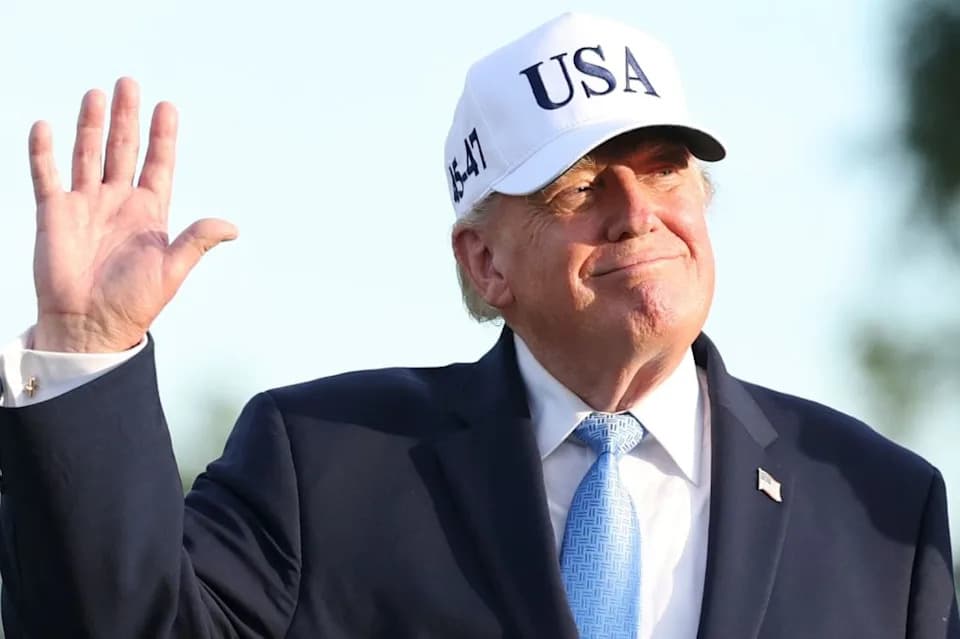
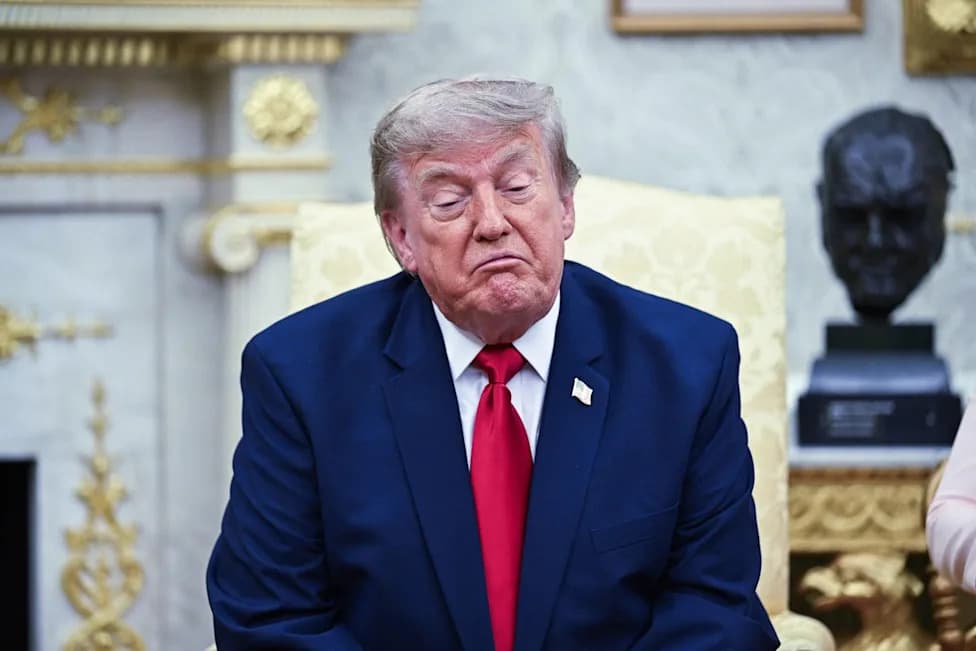
President Donald Trump delivers remarks to the United Nations General Assembly at the UN headquarters in New York City on Sept. 23, 2025.
NEW YORK — Senior Trump administration officials warned that Iran is miscalculating if it expects rising domestic costs in the U.S. and November midterm results to weaken Washington’s negotiating leverage after a three-hour meeting produced no immediate breakthrough.
Administration spokespeople said they remain confident that sustained economic pressure and control of key maritime routes will strengthen Washington’s hand even as Americans contend with higher energy prices.
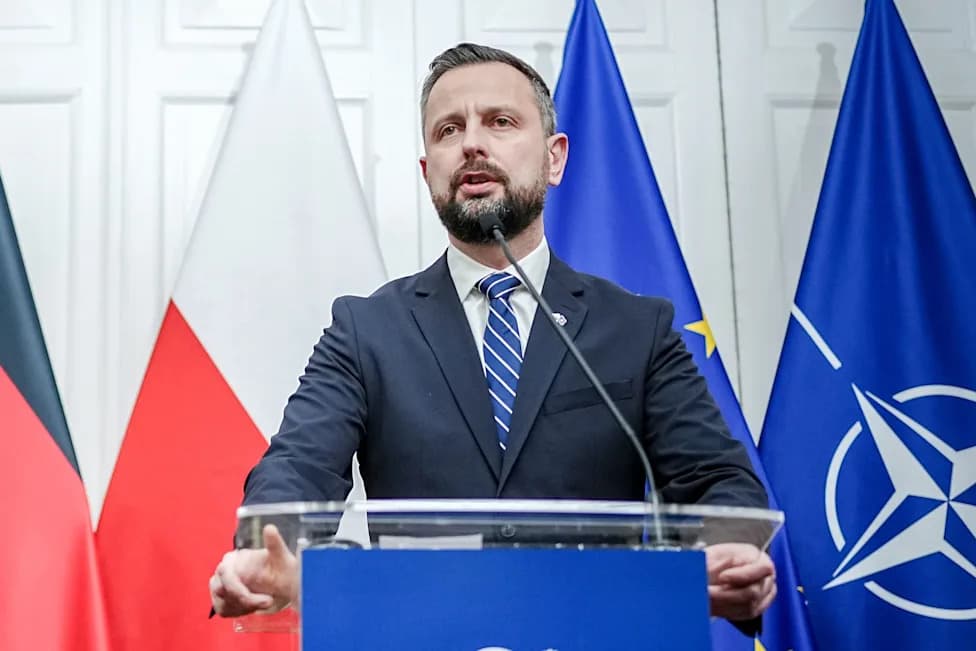
State Department Principal Deputy Spokesperson Tommy Pigott told Fox News Digital on the sidelines of the U.N. General Assembly that the administration believes it still holds the upper hand in talks.
“The president holds all of the cards here,” Pigott said.
At home, consumers are feeling the effects: the national average for regular gasoline climbed to $4.49 per gallon on Friday, according to AAA, up from $3.16 a year earlier. AAA attributed the rise in part to volatility in the Strait of Hormuz and higher crude prices.
Senator Marco Rubio acknowledged the domestic cost but argued the long-term price of allowing Iran to acquire a nuclear weapon would be far greater.
“It comes at a price and at a cost, there's no doubt about it,” Rubio said. “But the cost of not doing something about it is substantially higher, especially for future generations.”
In a forceful U.N. General Assembly address, President Trump framed the choice for Tehran in stark terms, presenting a deal as an alternative to further, potentially devastating action.
“Or do I annihilate the Islamic Republic and do it quickly, never giving them a chance to kill and destroy people and countries again?” Trump said. “Do I drive them into hell with no chance of survival and no hope of future greatness or generations?”
Trump said he expects Iran will ultimately choose a deal and suggested Iranian leaders are watching whether midterm results will change U.S. resolve.
“They're waiting to see how I do in the midterm election,” Trump said. “What they don't realize is that I'm not running.”
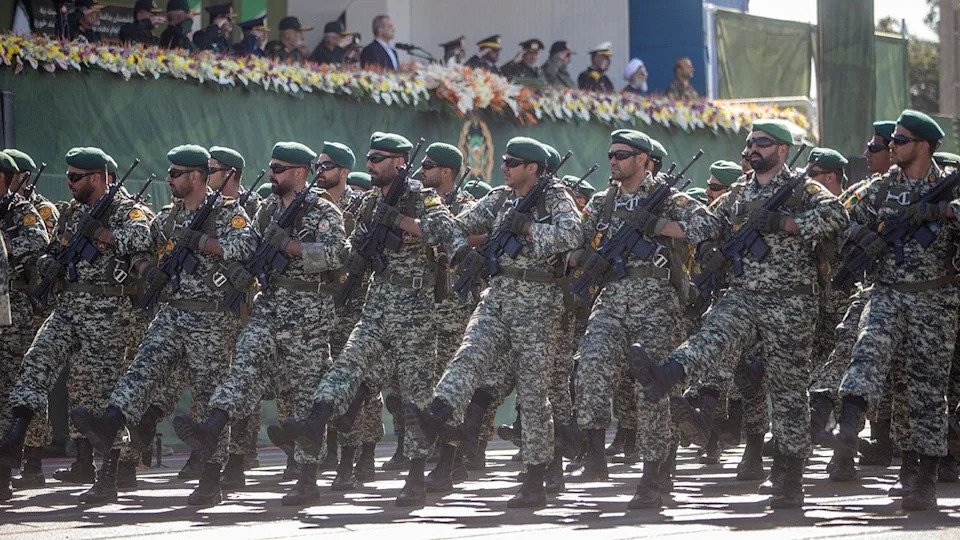
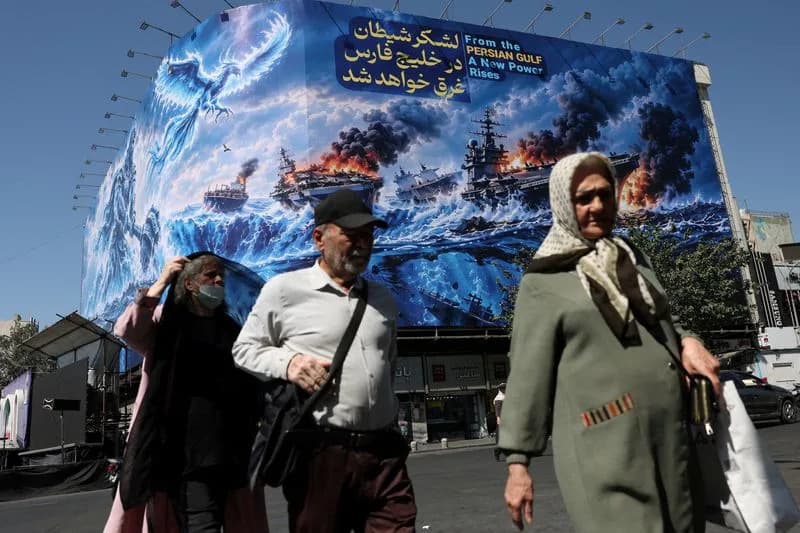
Soldiers from Iran's land, navy, air force and special forces parade during National Army Day on April 18, 2025, in Tehran, Iran. The country held its annual Army Day parade, which included an address by President Masoud Pezeshkian.
A U.S. official told Fox News Digital that mediated discussions remain “positive and constructive,” while the administration is in no rush to finalize an agreement. The official added that nearly 40 million barrels of oil transited the Strait of Hormuz over the previous 48 hours and predicted oil and gas prices would return to pre-conflict levels if U.S. efforts to secure the strait continue.
Trump described the three-hour meeting with Iranian officials as “very good,” part of a renewed diplomatic push to end hostilities. Rubio, however, cautioned against labeling the session a major breakthrough — calling it largely a continuation of earlier conversations but noting the significance of an ongoing dialogue.
Iran has reportedly proposed a seven-day plan, submitted by Iranian Foreign Minister Abbas Araghchi, that would restore passage through the Strait of Hormuz at the end of seven days if certain conditions are met, followed by renewed negotiations toward a broader agreement. Mediators described the talks as constructive but still in the early stages.
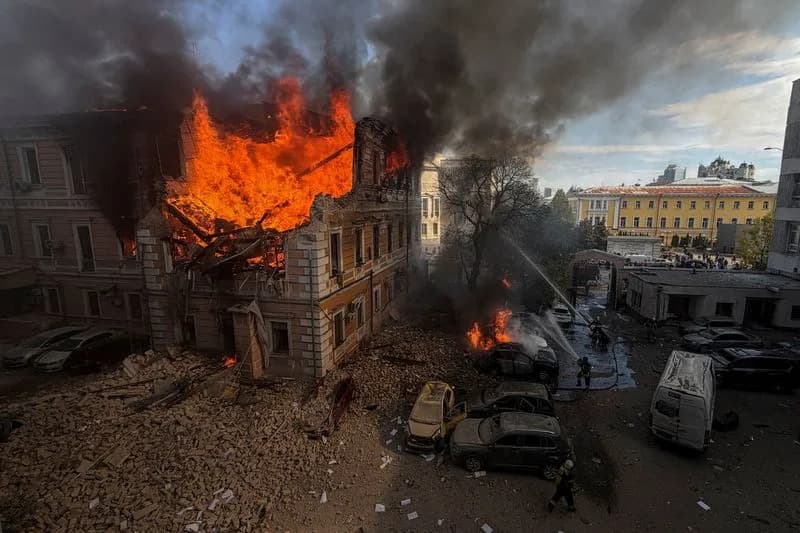
The situation in the Strait of Hormuz remains crucial: commercial traffic has been disrupted during the conflict, although U.S. officials say the volume of oil moving through the chokepoint is increasing.
“The diplomatic door is always open. The president is a deal maker,” Pigott said. “But he's going to see the fundamental principle that they cannot have a nuclear weapon accomplished one way or another.”
Pigott and other officials pointed to growing oil flows through the strait and the economic measures imposed on Tehran as evidence that U.S. leverage remains strong.
Regional threats persist. Iran-backed Houthi rebels have targeted Saudi infrastructure amid the wider conflict, and U.S. leaders have highlighted attacks on energy facilities across the region — including strikes and sabotage attributed to militias supported by Iran.
Rubio emphasized U.S. defense commitments to Saudi Arabia but declined to discuss potential additional military options under consideration.
Help us improve.