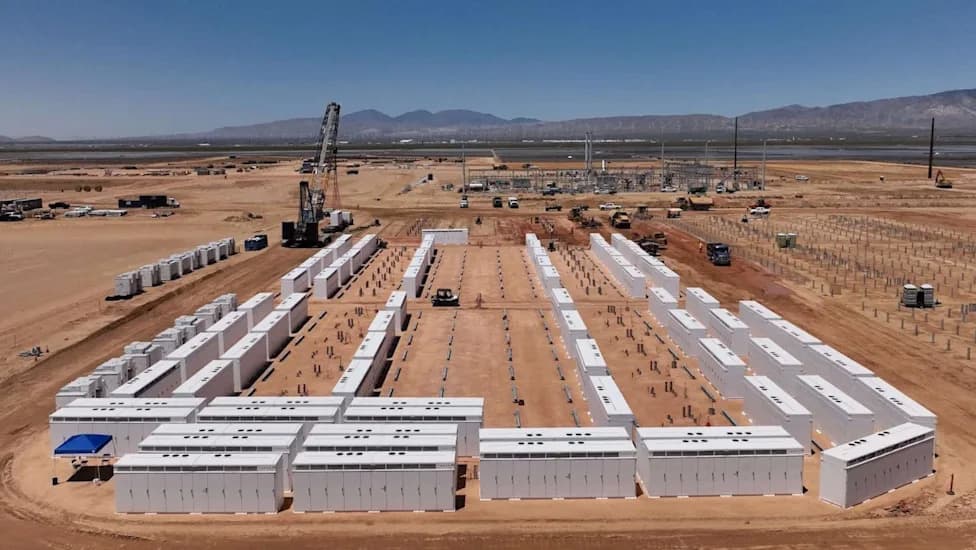
By the end of Q2 2026 the U.S. had installed enough solar capacity to power more than 50 million homes, roughly one-third of households, driven by a rapid build-out of utility-scale projects. Q2 alone added 11.4 GW of solar — up 43% QoQ and 45% YoY — as developers rushed to meet a July 2026 tax-credit safe-harbor deadline. Solar paired with battery storage made up 70% of new capacity in H1 2026, and analysts project continued growth, with Wood Mackenzie forecasting near-doubling by 2031. Residential solar slowed after the 30% federal tax credit expired on Dec. 31, 2025, but a rebound is expected in 2027.
U.S. Solar Hits Milestone: Installed Capacity Now Able To Power 50 Million Homes
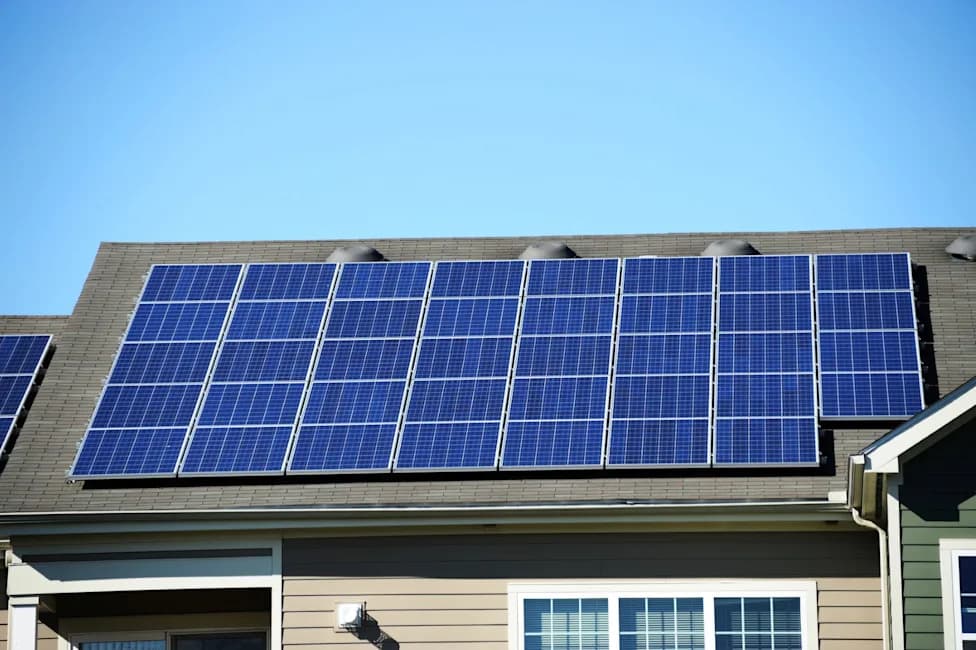
Photo Credit: iStock
The United States reached a major solar milestone by the end of Q2 2026: installed solar capacity is now large enough to supply the electricity needs of more than 50 million homes, roughly one-third of American households, according to Electrek.
Rapid Growth Despite Policy Changes
Solar deployment continued to expand even as some federal incentives were scaled back. Electrek reports that 11.4 gigawatts (GW) of new solar capacity came online in Q2 2026 — a 43% increase from Q1 2026 and a 45% rise versus Q2 2025. Much of this surge was driven by developers accelerating projects ahead of a July 2026 safe-harbor deadline tied to federal tax credits.
Utility-Scale Projects Lead The Way
Most of Q2's gains came from utility-scale installations. Utility-scale additions were 61% higher than in Q2 2025 as large projects came online to lock in incentives.
Growth Across Unexpected States
Contrary to common expectations, a substantial share of recent expansion happened in Republican-leaning states. Electrek found that 71% of new solar production in H1 2026 originated in so-called "red" states, and eight of the top 10 states for new installations were in that group. This reflects how market economics, tax deadlines and local policies are reshaping where solar gets built.
Storage Is Driving New Capacity
Solar paired with battery storage represented the majority of new U.S. energy capacity in early 2026. According to Electrek, 70% of all new capacity added in H1 2026 came from combined solar-plus-storage projects, underscoring storage's role in integrating variable generation and improving grid resilience.
Residential Solar: A Temporary Pause, With Rebound Expected
Rooftop solar faced headwinds after the federal Residential Clean Energy Credit — a 30% tax credit for home solar systems — expired on December 31, 2025. That incentive's end slowed residential adoption, but analysts expect a rebound in 2027 as homeowners seek lower bills and more resilient homes.
Outlooks And Industry Moves
Consultancy Wood Mackenzie projects that U.S. solar capacity could nearly double by 2031, reflecting continued momentum. Recent industry and policy developments include a multimillion-dollar agreement between Heliene and Suniva to expand U.S.-made panel supply, along with new programs and permitting reforms in Texas designed to speed residential solar deployment and support grid flexibility.
What Homeowners Should Know
For homeowners considering solar, adding battery storage can improve outage protection and increase savings. Online marketplaces and comparison tools can help consumers compare quotes, view state-level incentives and estimate system costs — useful steps for those evaluating whether to invest in rooftop solar now or wait for market conditions to improve.
Key Figures
- 11.4 GW of new solar capacity added in Q2 2026
- +43% quarter-on-quarter (Q1 2026 to Q2 2026)
- +45% year-on-year (Q2 2025 to Q2 2026)
- +61% utility-scale additions vs. Q2 2025
- 71% of H1 2026 new production from Republican-leaning states
- 70% of H1 2026 new capacity came from solar plus battery systems
- Residential Clean Energy Credit (30%) expired on Dec 31, 2025
Sources: Electrek, Wood Mackenzie, industry announcements.
Help us improve.