New Jersey has enacted the Garden State Balcony Solar Act (Bill S2368), legalizing safety-certified plug-in solar panels under 1,200 watts. The law exempts these devices from interconnection and metering rules and removes requirements to notify utilities. It also bars landlords, HOAs and municipalities from banning the panels or requiring permits. Governor Mikie Sherrill said the systems could cut a typical electric bill by up to $50 per month, while units generally cost from a few hundred to about $1,500.
New Jersey Legalizes Plug-In "Balcony" Solar Panels — Save Up to $50 a Month
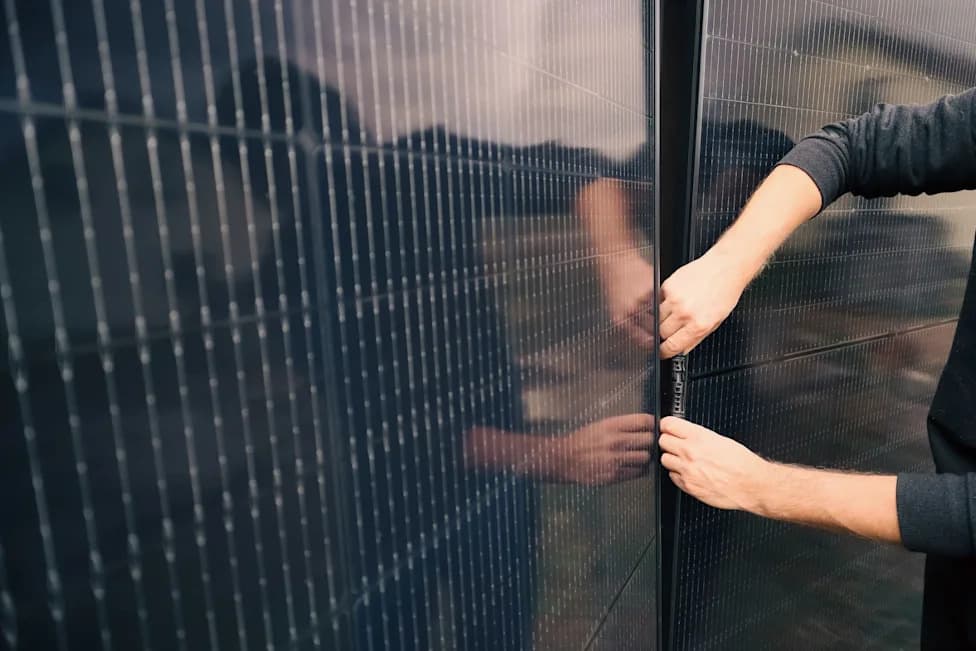
Photo Credit: iStock
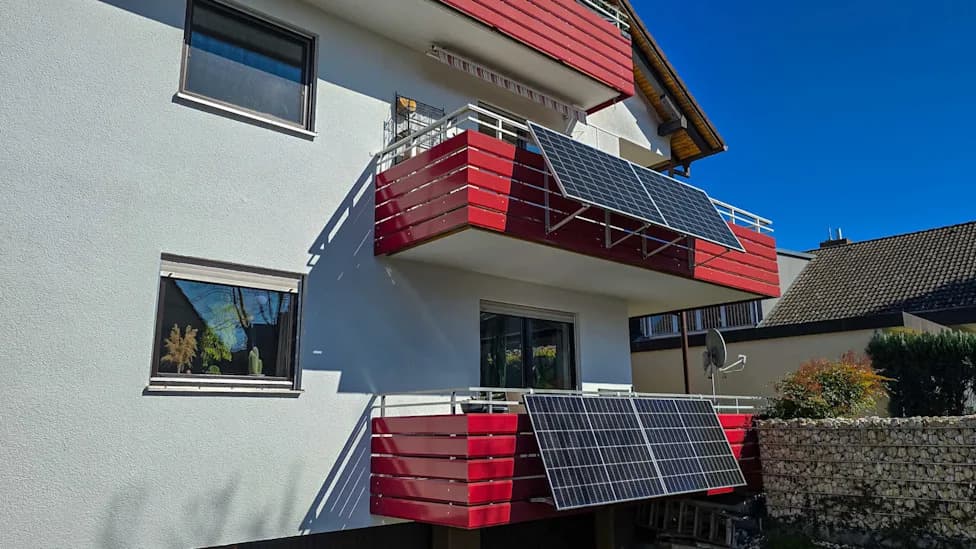
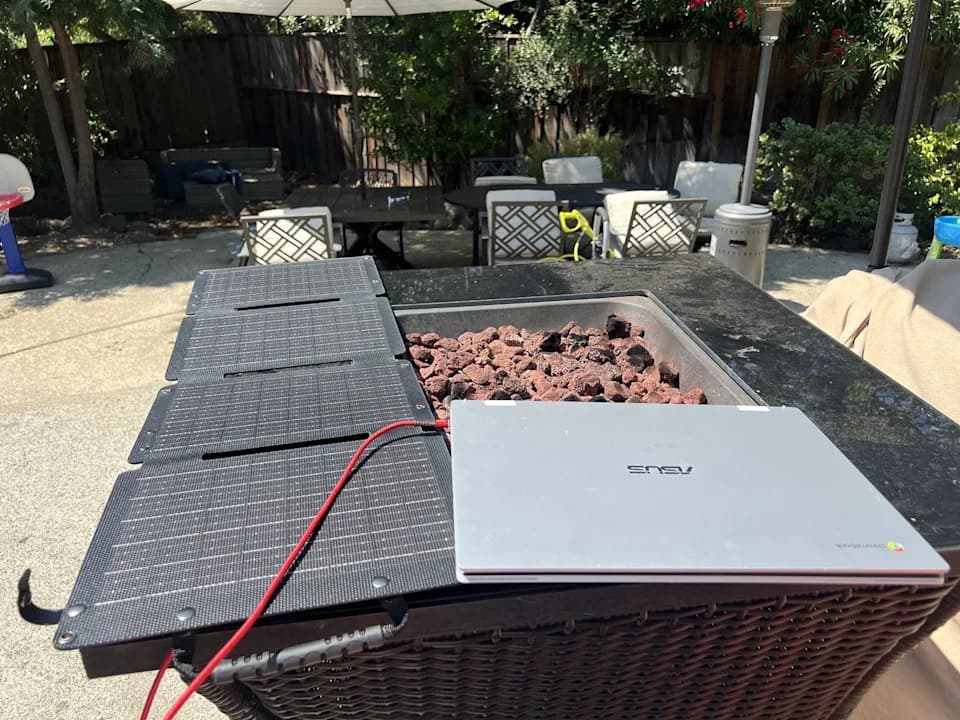
New Jersey residents who want a simpler, lower-cost way to cut electricity expenses now have a new option: safety-certified portable plug-in solar panels, often called "balcony" solar. The state has cleared the sale and use of compact systems that plug into a standard 120-volt outlet and are commonly installed on balconies, patios or in backyards.
Most of these units include integrated microinverters, produce direct usable power for household devices, and are far less expensive and less invasive than a full rooftop system. Retail prices vary by size and features, generally ranging from a few hundred dollars to about $1,500, depending on wattage and components.
Governor Mikie Sherrill signed Bill S2368 — the Garden State Balcony Solar Act — after it moved through the legislature in roughly six months and passed unanimously. The law applies to safety-compliant plug-in generators rated below 1,200 watts and exempts them from New Jersey’s usual utility interconnection and metering rules.
Under the new statute, residents who install compliant systems do not need to notify or seek permission from their electric utilities, which simplifies adoption for many users. The law also prevents landlords, homeowner associations and municipalities from banning the panels or requiring permits, removing several common barriers to use.
After signing the bill, Governor Sherrill said these portable panels could reduce a typical household electric bill by as much as $50 per month — roughly $600 a year — while noting they are unlikely to cover an entire household’s power needs. The law makes a lower-cost, legal entry point available for renters and homeowners who cannot or do not want to install full rooftop arrays.
What to Know Before You Buy
- Safety and Certification: Only safety-certified devices rated under 1,200 watts are covered by the law.
- Limits: These systems typically offset part of electricity use but won’t replace a full rooftop installation for most households.
- Costs and Savings: Unit prices vary; buyers should compare models and consider realistic savings based on their usage and sunlight exposure.
New Jersey is now the ninth state to legalize balcony-style plug-in solar, and dozens of other states are evaluating similar measures. For readers who want to track legislation nationally, services such as Bright Saver maintain state-by-state maps showing where balcony solar is allowed.
For homeowners considering a larger solar project, rooftop systems typically deliver greater long-term savings. Services like EnergySag offer free comparison quotes and estimates that, according to the outlet, may help homeowners find savings on larger installations. However, for renters or people seeking a lower-cost, low-commitment option, the new law provides a clear legal path to generate some on-site renewable energy.
Help us improve.