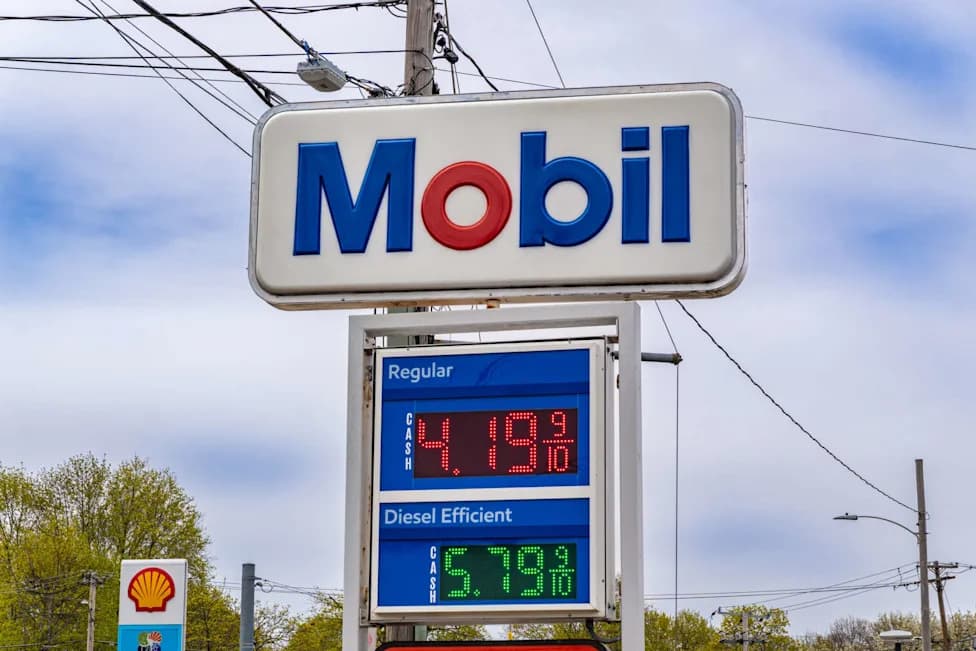
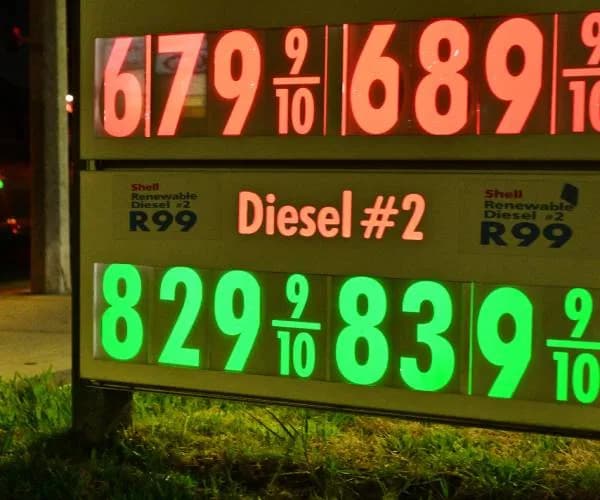
The RAC reports UK diesel has reached a record 199.18p per litre, driven by supply disruption linked to Middle East tensions and other export restrictions. Petrol averages 174.13p per litre. Diesel is up about 59p (≈40%) since late February, making it costlier to fill an average family diesel car (≈£110). Tighter global supplies and higher Brent crude mean costs are likely to filter through to consumers.
UK Diesel Hits Record 199.18p/L as Middle East Tensions Tighten Supply, RAC Warns
[Getty Images]
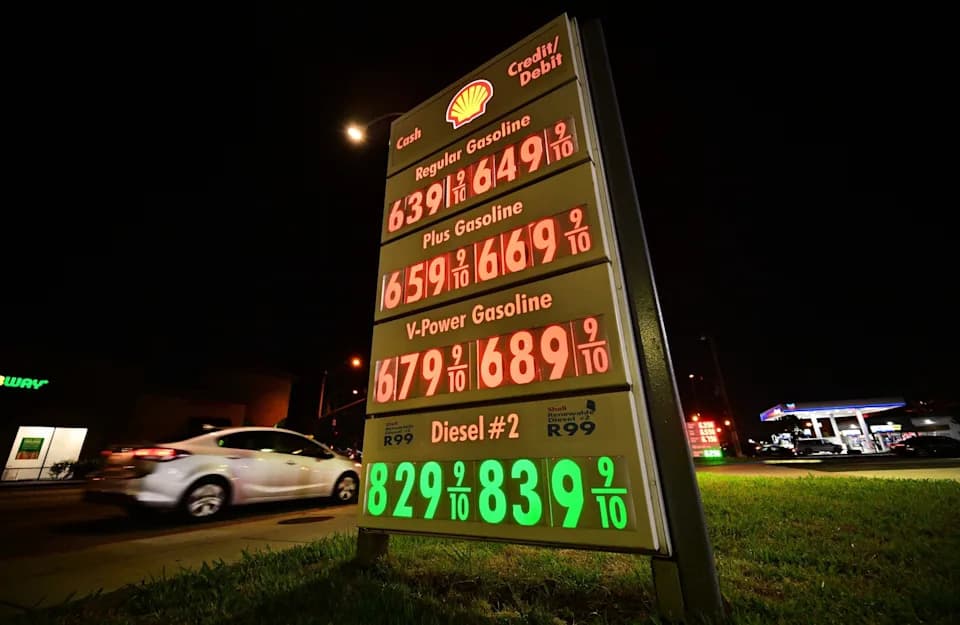
Diesel prices in the UK have climbed to a new record of 199.18p per litre, the motoring organisation RAC reports, as ongoing tensions in the Middle East and other supply disruptions push fuel costs higher. Petrol is also rising, with the average at 174.13p per litre.
Why Prices Are Rising
Over the past seven months, disruption to oil production and transportation linked to the conflict in the Middle East has driven up wholesale crude prices and the cost of products refined from it. International diesel supplies have been tightly constrained, limiting refined product flows to global markets.
"Diesel has entered uncharted territory," said Simon Williams, the RAC's head of policy, warning that rising diesel costs will push up prices for goods and services that rely on road freight.
Scale of the Increase
Diesel has risen by 59p per litre — roughly 40% — since tensions escalated between the US and Iran in late February. The new high narrowly surpasses the previous record of 199.09p set in June 2022. Filling an average family diesel car now costs about £110, approximately £31 more than at the start of the recent escalation.
Wider Market Context
Brent crude, the global benchmark used to price petrol and diesel, has risen to around $108 per barrel, up from roughly $73 before the recent regional escalation. In addition to Middle East disruptions, Russia has introduced export restrictions on diesel after attacks on refineries, further tightening supply.
Diesel is costlier and more complex to refine than petrol, and because it powers haulage and agricultural machinery, demand is relatively inelastic — making rapid reductions in consumption difficult.
UK Supply And Vehicles
The UK depends heavily on imports for diesel. While domestic refineries are sufficient to meet petrol demand, they do not produce enough diesel to satisfy national needs. There were 15.1 million diesel vehicles on UK roads at the end of June, down from 15.7 million a year earlier; diesel cars numbered 9.8 million, down from 10.4 million.
What This Means For Consumers
The RAC warns that higher diesel costs will be passed on through increased transport and delivery costs, affecting prices for goods and services. Williams added that pump prices are unlikely to fall until there is a sustained decline in the oil price lasting several weeks rather than days.
Help us improve.