Western officials link a series of drone crashes and suspected sabotage across Romania, Moldova and other parts of Europe to Russia, according to an ISW map and regional intelligence. Reported incidents include Gerbera-type drones crashing in Solca and Cernita, a suspected sabotage fire at a Starlink ground station in Poland and an unidentified drone sighting near Berlin-Brandenburg airport. Analysts warn these actions form part of a broader hybrid campaign aimed at sowing fear, disrupting infrastructure and eroding public support for backing Ukraine.
Map Shows Russian Drone Incursions and Suspected Sabotage Across Europe
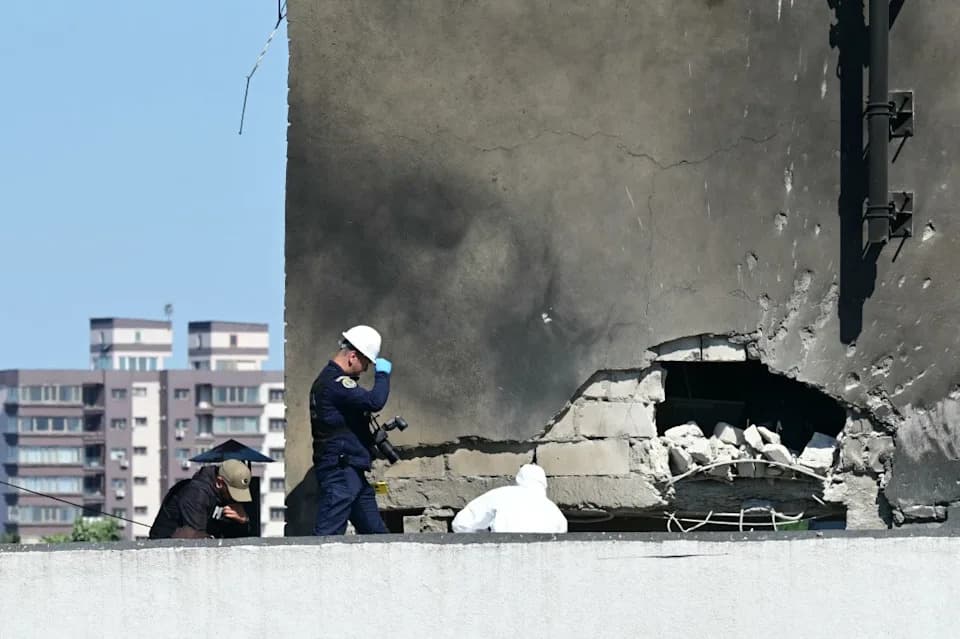
Police and forensic investigators check the impact of a Russian drone on an apartment building in Galati, eastern Romania, May 29, 2026.
Western officials say a recent wave of drone incursions and suspected sabotage across Europe has been linked to Russia, prompting renewed warnings about intensifying kinetic and hybrid activity directed by Moscow.
Incidents Reported
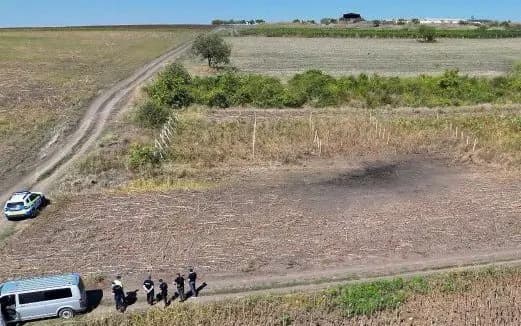
According to a map published by the Institute for the Study of War (ISW), Gerbera-type drones crashed in Romania — a NATO member — and in neighboring Moldova. Romanian authorities said a drone entered Romanian airspace for about four minutes before crashing near Solca in Suceava County, close to the Ukrainian border. Moldovan police reported a similar Gerbera-type drone crash in Cernita and published images of debris.
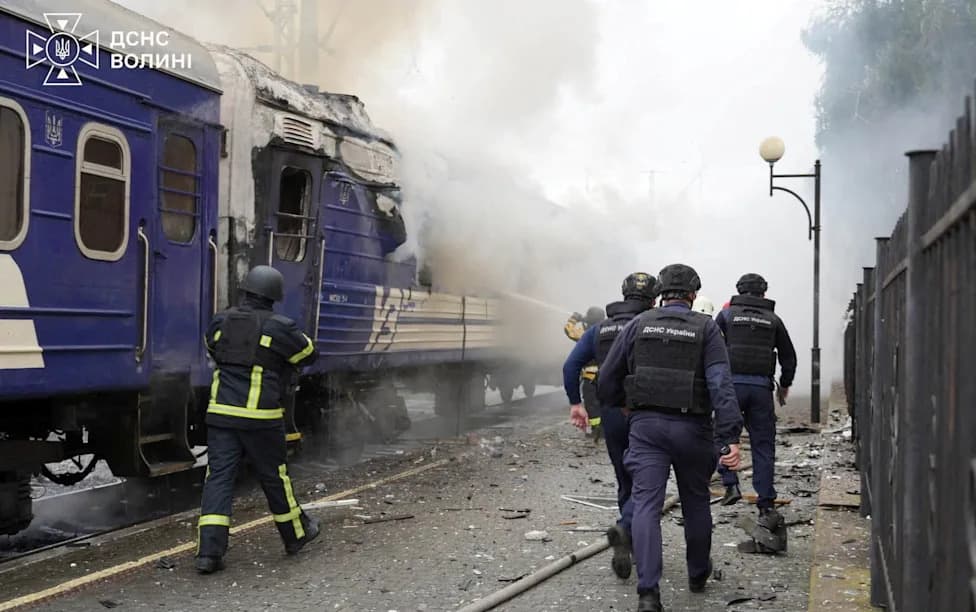
Ukraine's Chernivtsi Oblast Military Administration reported that four Russian drones flew over Bukovyna and targeted border crossings with Moldova and Romania. As Russia carried out strikes elsewhere that day, Poland evacuated the Zosin and Dorohusk crossings at its border with Ukraine as a precaution.
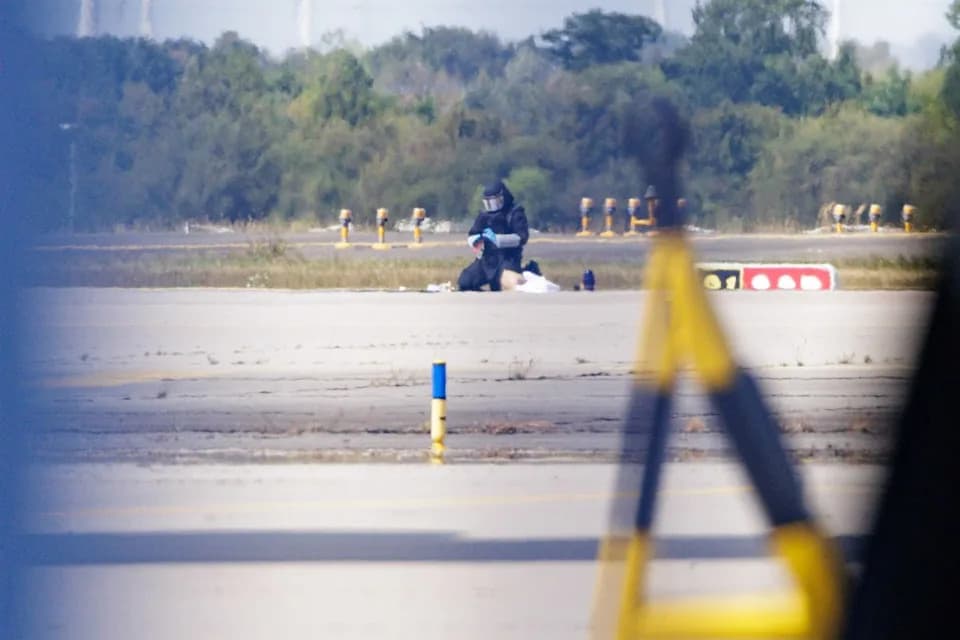
Polish Deputy Prime Minister Krzysztof Gawkowski said investigators believe a fire at a Starlink ground station in Wola Krobowska was caused by sabotage intended to disrupt internet services. German authorities temporarily closed Berlin-Brandenburg airport after an unidentified drone was sighted near the facility.
The ISW map also documents drone landings in Romania and Moldova on Sept. 24, 2026, and the think tank warned these incidents may be part of an effort by Moscow to normalize airspace violations through increased frequency.
Regional Warnings and Intelligence
Officials across NATO's eastern flank have raised alarms about airspace violations, GPS jamming and other hybrid tactics that remain below the threshold of open warfare. A Lithuanian defence source warned that Gerbera-type drones could be launched from shipping containers in the Mediterranean to strike targets in Spain, France and Italy — an alert the Spanish newspaper El Mundo attributed to CIA warnings, though French President Emmanuel Macron denied the specific claims.
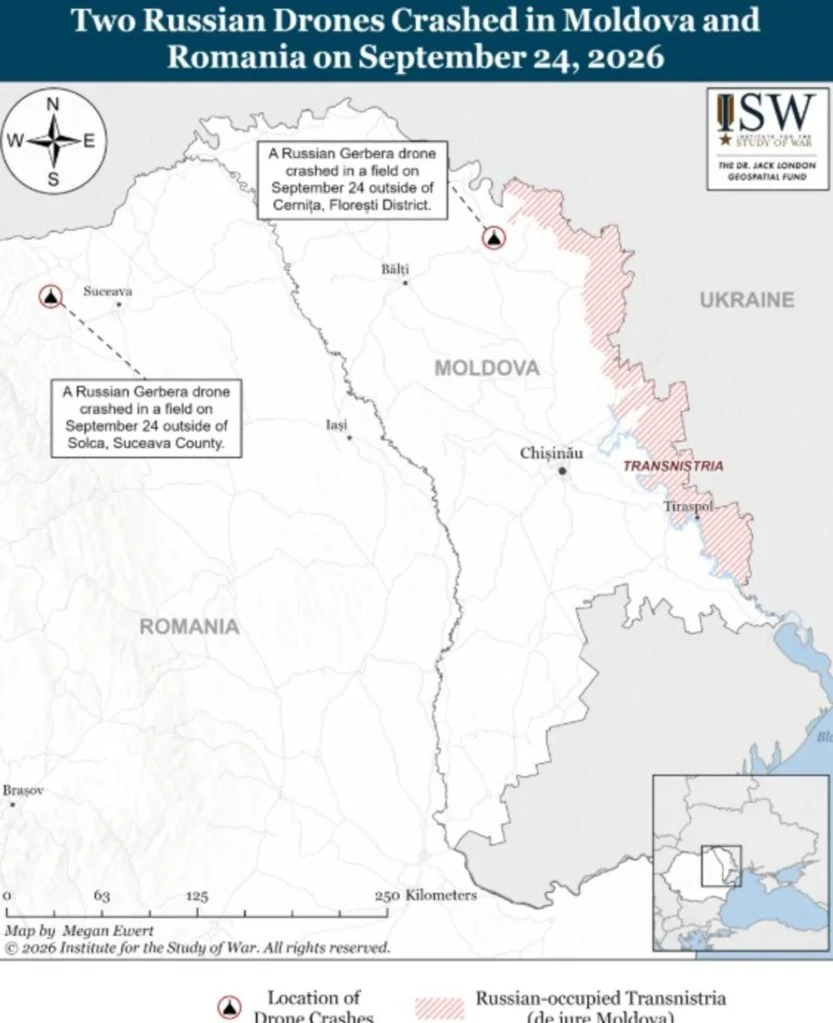
This map by the Institute for the Study of War (ISW) shows how drones landed in Romania and Moldova on September 24, 2026.
Denmark's Defence Intelligence Service said Moscow plans to intensify its "hybrid war," citing a foiled plot targeting Leipzig/Halle Airport in Germany. The Danish Security and Intelligence Service (PET) warned of planned sabotage against defense companies on Danish soil and noted rising aggressiveness by Russian naval forces in the Baltic Sea after a Russian frigate fired flares at a Danish military helicopter off Gedser on Sept. 14.
"Likely part of the Kremlin's efforts to normalize airspace violations by intensifying their frequency," the ISW said of the recent drone incidents.
Political and Strategic Context
Estonia's foreign ministry spokesperson Susan Lilleväli told Newsweek: "It shows that the threat posed by Russia is increasingly affecting Europe as a whole. Russia wants us to be afraid—as for the Kremlin, fear is also a weapon." Analysts say a string of small, destabilizing acts can erode public confidence, divert attention inward and weaken sustained support for Ukraine.
Matthew Arnold, program director at LSE IDEAS' "Democratic Resilience in a New Age of War" program, said: "The intent is very simple—to cause a pervasive, intensifying sense among European publics that insecurity is increasing. By raising collective unease, Moscow hopes to encourage publics to prioritize domestic concerns and question continued support for Ukraine."
Finland's Interior Minister Mari Rantanen announced plans for a roughly 120-mile fence near the Nuijamaa border crossing after accusing Moscow of "weaponizing" migration. Meanwhile, ISW released a hypothetical scenario outlining a limited operation by Moscow into Estonia's border city of Narva under the pretext of protecting Russian speakers; Estonia and its Baltic neighbors report no current buildup but continue to warn of potential threats.
Photo caption: Police and forensic investigators inspect damage from a Russian drone strike on an apartment building in Galati, eastern Romania, May 29, 2026.
Russia has denied responsibility for alleged hybrid attacks. Newsweek contacted the Russian Foreign Ministry for comment.
Contact: Matthew Robinson and James Debens, Newsweek.
Help us improve.