Council of Europe Secretary-General Alain Berset warned that Europe is underprepared for hybrid warfare—ranging from drones and cyberattacks to information manipulation and infrastructure strikes—even as defence spending surges. He highlighted vulnerabilities in energy, security and infrastructure, and urged that rising military budgets be matched by investments in democratic resilience. Eurostat data showing an EU fertility rate of 1.3 in 2024 raises long-term concerns about the size of the military-age population and the sustainability of welfare systems. Berset also cautioned against sacrificing civil liberties in the name of security.
Europe ‘Not Ready’ for Hybrid War With Russia, Council of Europe Chief Warns
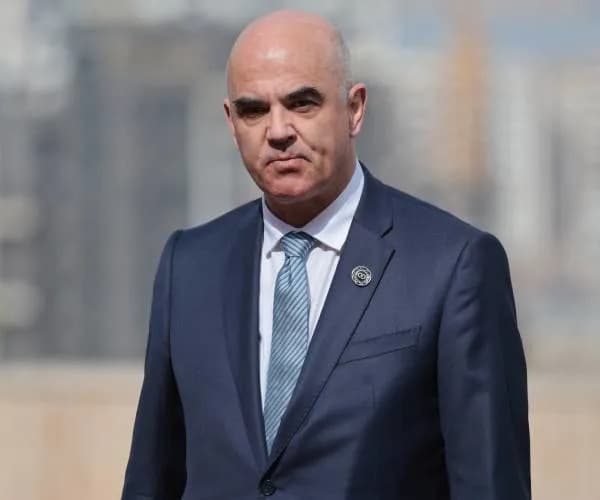
(Getty Images)
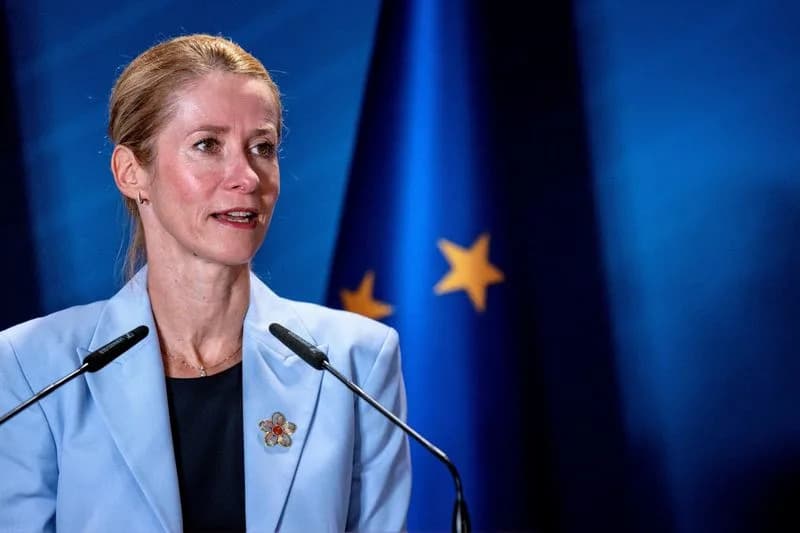
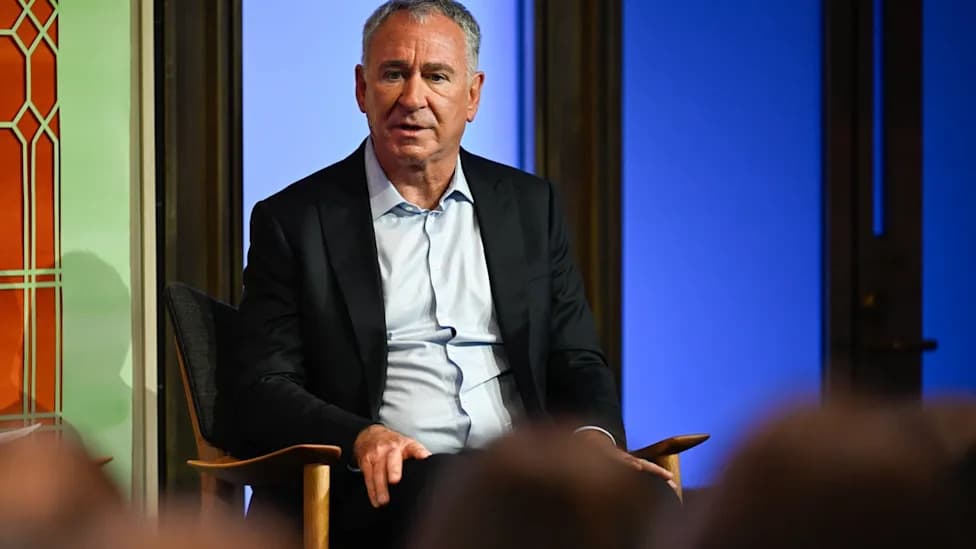
Council of Europe Secretary-General Alain Berset has warned that European states remain insufficiently prepared for the hybrid forms of warfare that could accompany a wider confrontation with Russia, even as governments significantly increase defence spending and confront demographic decline.
Hybrid Threats: Beyond Drones
Berset, a former Swiss president who has led the 46-member Council of Europe since 2024, told Newsweek on the sidelines of the United Nations General Assembly that European nations must “evolve to confront, to face, the challenge of hybrid threats,” and acknowledged candidly: "we are not really well-prepared for this, to be honest." He pointed to the war in Ukraine as a clear example of how quickly conflict is changing.
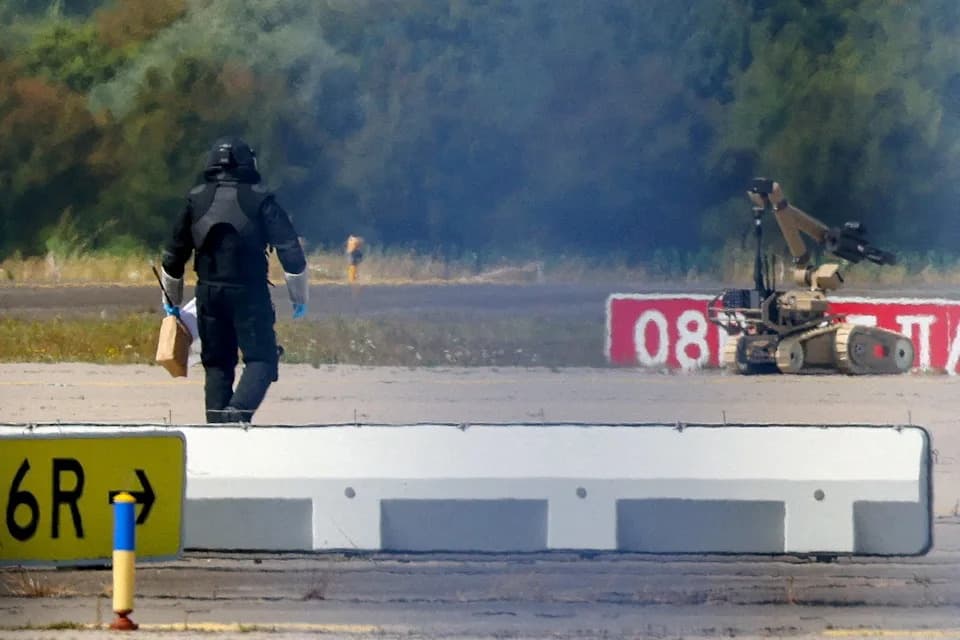
While low-cost drones and cyber tools allow actors to strike without traditional forces, Berset stressed the greatest risks come from information manipulation and attacks on critical infrastructure — threats that undermine public trust and the functioning of democratic societies.
"It is evolving quite rapidly, and we need to adapt to this," Berset said. "The most important thing in this context... is about information and about infrastructure and information manipulation and information interference."
Gaps in Capability and Resilience
Berset acknowledged vulnerabilities across energy systems, security frameworks and infrastructure more broadly. He noted a short-term gap between what is needed and what is currently in place, even though defence spending in the EU's 27 member states is projected to exceed $516 billion this year — roughly a 75% increase over five years.
"We need the same resolve through the investment for democratic security and democratic values and strong institutions," he said, warning that military investment alone is insufficient.
Demographics: A Long-Term Strategic Concern
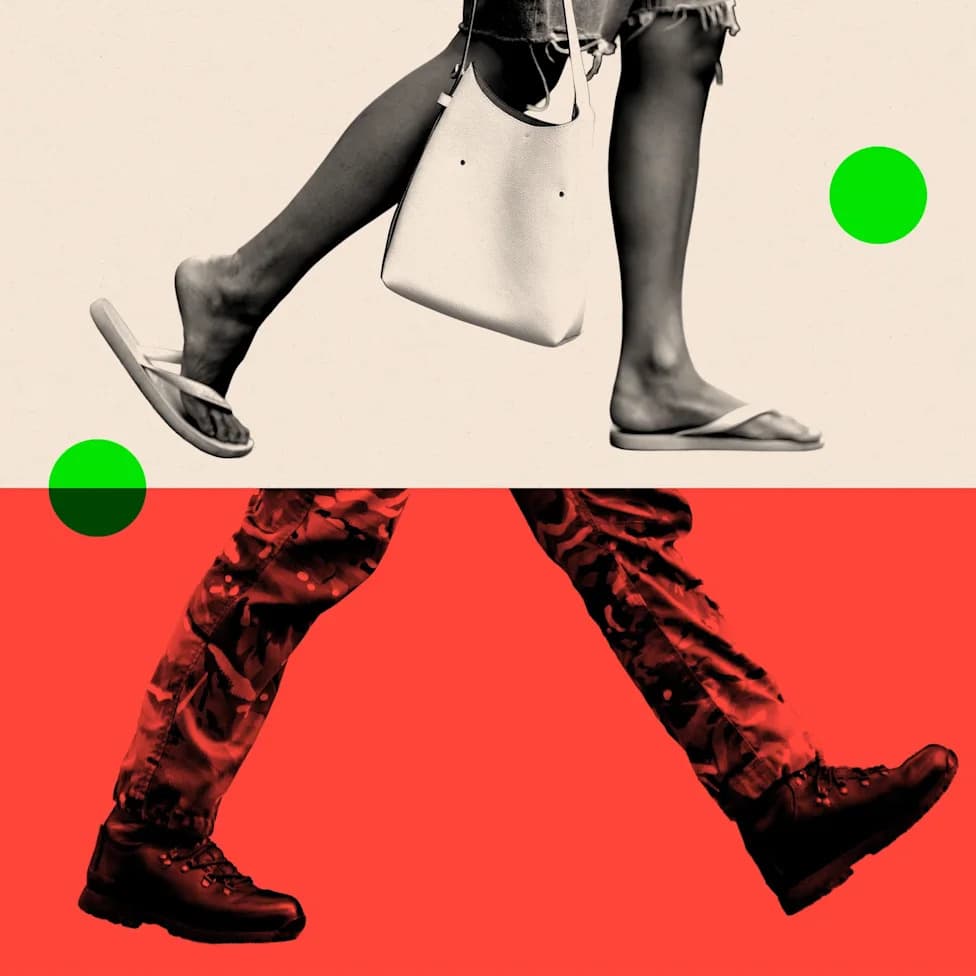
Eurostat reported the EU's total fertility rate fell to 1.3 children per woman in 2024, the lowest since comparable records began in 2001. That decline could reshape the size and composition of the future military-age population and place additional strain on welfare and pension systems that rely on younger cohorts to sustain labour and capital flows.
Mixed Strategic Signals
Berset observed contrasting messages from Western capitals: officials emphasize the heavy costs Moscow has suffered in Ukraine, while some military and intelligence assessments warn Russia could rebuild capabilities sufficient to threaten alliance territory within several years if NATO and partners do not continue to strengthen defences. The result is public uncertainty about security and Europe's strategic trajectory.
"It is for the people, for the citizens, really complicated right now to understand what does this mean exactly and where is the world going... When I was young, it was bright. It was quite clear. It was like a highway. Now, it's impossible to predict what will happen in three or five years," Berset said.
Protecting Freedoms While Building Resilience
Berset cautioned against responding to insecurity by curtailing civil liberties. "The first reaction when we are not well prepared is to police speech, to ban parties, to arrest people... but you are creating the next wave of problems with this," he warned.
Despite the challenges, he expressed cautious optimism that Europe’s combined strengths are often underestimated and that governments can overcome political divides to address pressing issues — geography, energy access, health, education, defence, security and demographics.
Context note: Quotations are drawn from Berset’s reported remarks at the UN General Assembly. Figures cited reflect reporting on defence budgets and Eurostat population data for 2024.
Help us improve.