Danish and Western intelligence agencies judge that Russia is unlikely to secure a major battlefield breakthrough in Ukraine within the next six months. However, they warn of an escalation in hybrid operations — drones, sabotage and covert attacks — that raise risks for NATO and European states. The report highlights a low but growing risk of limited strikes or incursions aimed at splitting the alliance and diverting support from Kyiv, and urges continued Western economic and military backing for Ukraine.
Western Intelligence: Russia Unlikely To Break Through In Ukraine — But NATO Faces Rising Hybrid Risks
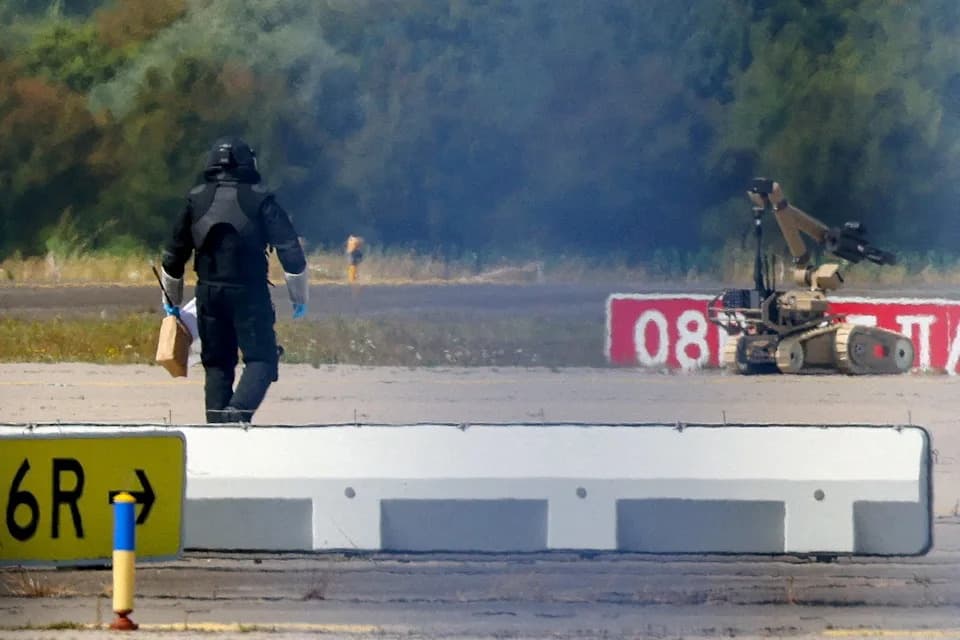
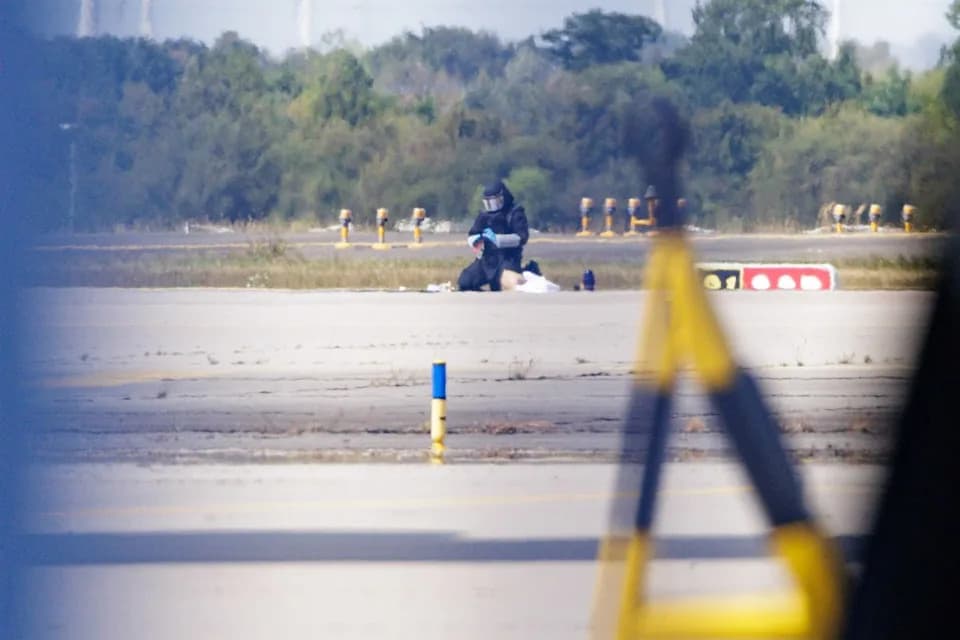
A police officer walks near an explosive-disarming robot at the Leipzig/Halle Airport last month.Axel Schmidt/REUTERS
Denmark's Defence Intelligence Service and other Western agencies assess that Russia is unlikely to achieve a major battlefield breakthrough in Ukraine over the next six months, but that Moscow's growing use of hybrid tactics is increasing risks for NATO and European countries.
Intelligence Assessment
The Danish report says Russia is under more strain than at earlier stages of its full-scale invasion because of heavy battlefield losses, limited territorial gains, mounting defence costs and the impact of global sanctions and Ukrainian strikes on energy infrastructure. "Western economic and military support to Ukraine is vital to the country's capability to hold back Russian forces and to raise the cost to Russia of sustaining the war," the intelligence service wrote.
Hybrid Activity Escalates
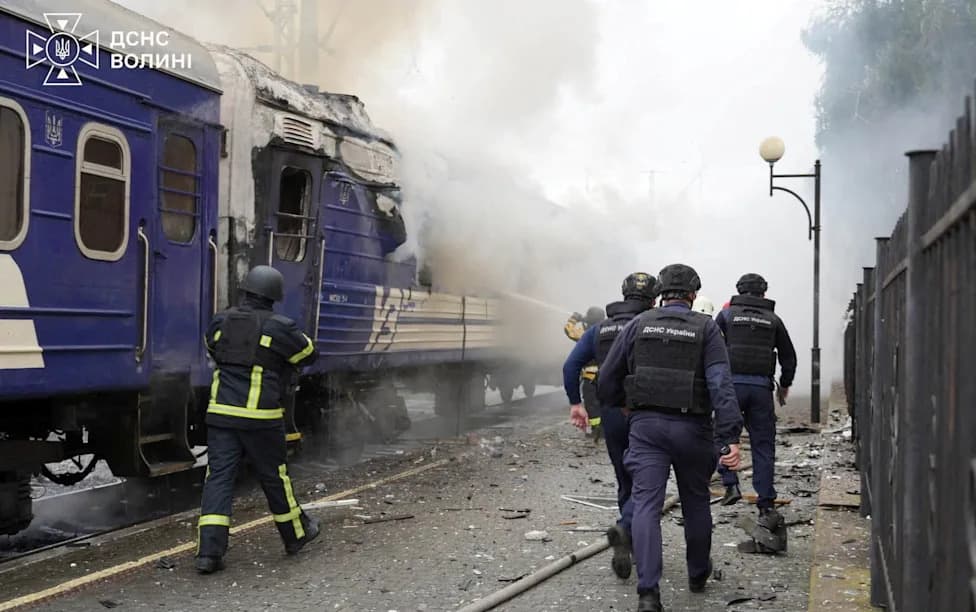
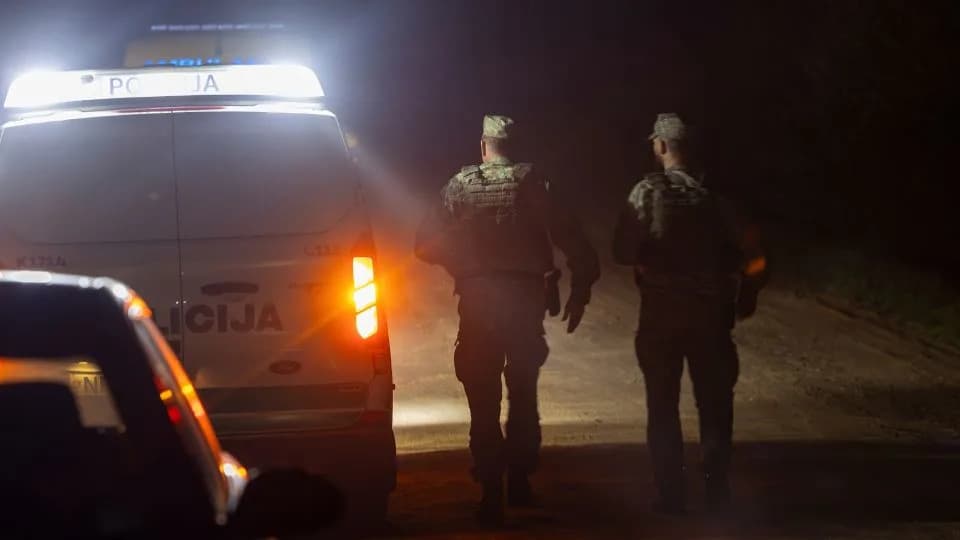
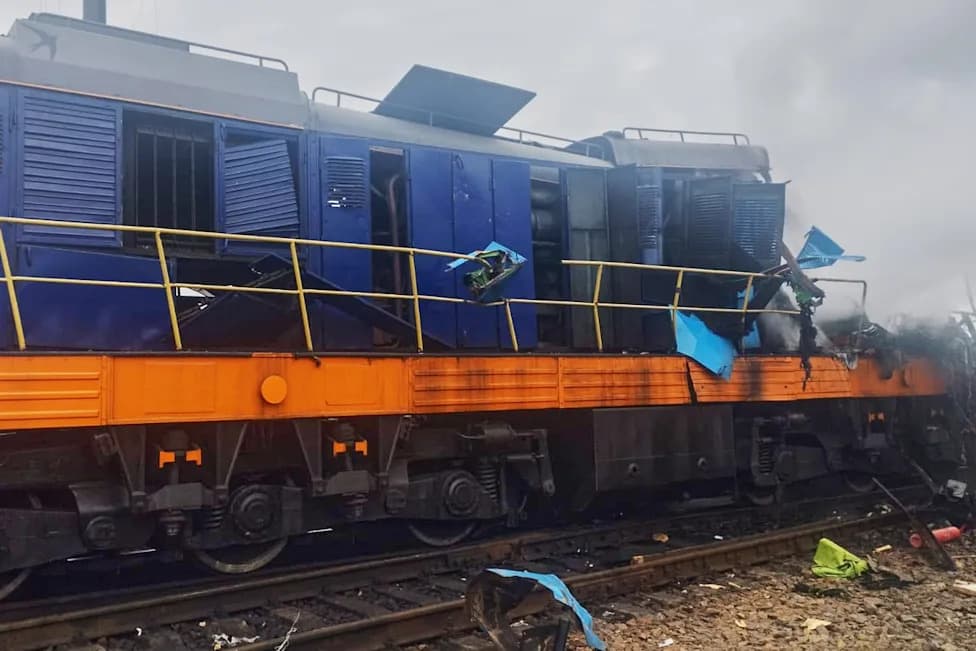
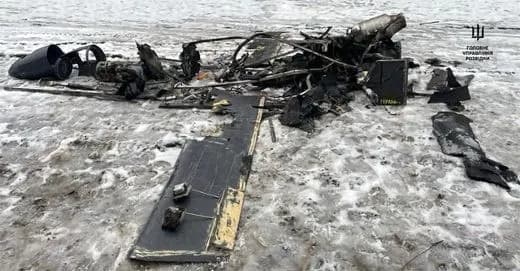
Western officials have reported a sharp uptick in hybrid operations across Europe — including drone incursions, sabotage and other covert actions — which they largely attribute to Russia, allegations Moscow denies. Incidents this year include a foiled drone attack at Leipzig/Halle airport, which German authorities publicly blamed on Russia, and repeated NATO fighter-jet scrambles after drones have breached allied airspace.
Growing Risks To NATO
Denmark "assesses that Russia will intensify its hybrid war by carrying out more frequent attacks against the West and NATO, with greater consequences for the targeted countries than in the past," and warns this pattern carries a higher risk of casualties. The intelligence evaluation also identifies a low but growing risk that Russia could carry out limited military attacks against one or more NATO countries that share a border with Russia.
Such limited attacks — which could arrive within months, the report states — would likely aim to split the alliance, force diversion of resources away from Ukraine and target infrastructure supporting Kyiv through long-range strikes. Denmark adds that a small incursion of troops into NATO territory is possible but would require a conspicuous buildup of forces along a border, which would be difficult to conceal and take time to prepare.
"There is no prospect of Russia achieving any major breakthroughs in the war against Ukraine over the next six months," the report says, while noting it is "highly unlikely" Moscow will abandon its stated objectives.
Responses And Reactions
Russia's embassy in Copenhagen rejected the assessment and denied involvement in recent security incidents, including the Leipzig episode, accusing the West of contributing to a deterioration in European security. European leaders and NATO officials have urged calm and continued support for Ukraine. "What I'm telling my European colleagues, particularly, is stay calm, carry on, and keep supporting Ukraine," said Mark Rutte.
Western officials say continued economic and military assistance to Ukraine remains essential both to prevent Russian advances and to raise the cost of the war for Moscow. The Danish assessment concludes that while a full-scale invasion of NATO territory is judged unlikely without months of obvious preparations, the possibility cannot be entirely ruled out.
Help us improve.