Donald Trump's public use of explicit profanity has helped shift norms about presidential language. High-profile remarks on the White House lawn, comments about Nicolás Maduro and forceful social posts signaled a break with past presidential decorum. Scholars say the trend reflects a search for authenticity amid declining trust in institutions and the incentives of personal political branding; some warn it may further erode civic respect, while others say future generations could reject the style entirely.
Profanity in the Presidency: How Public Swearing Has Shifted Political Norms
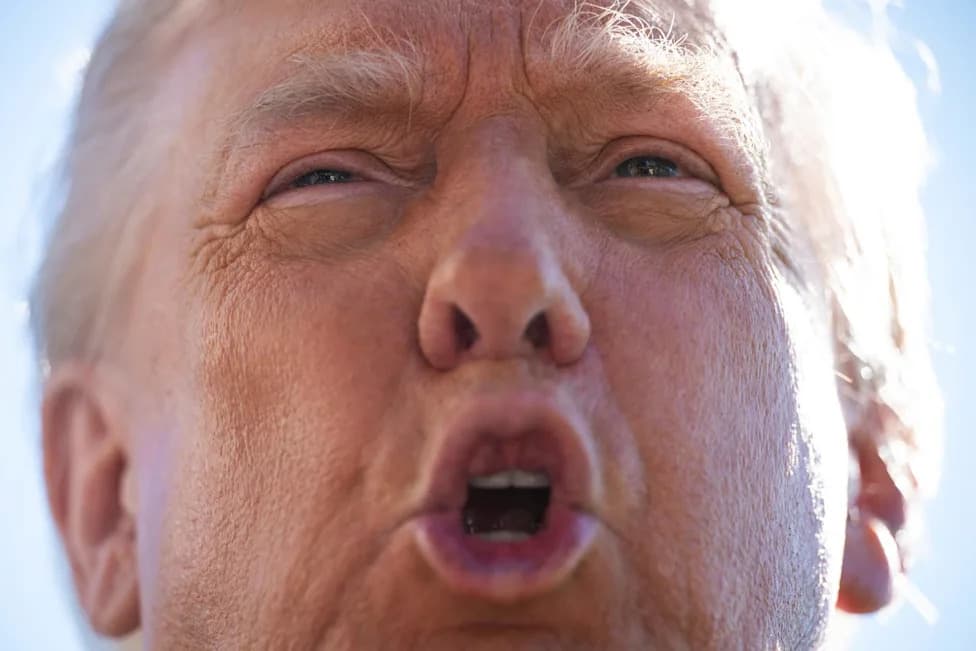
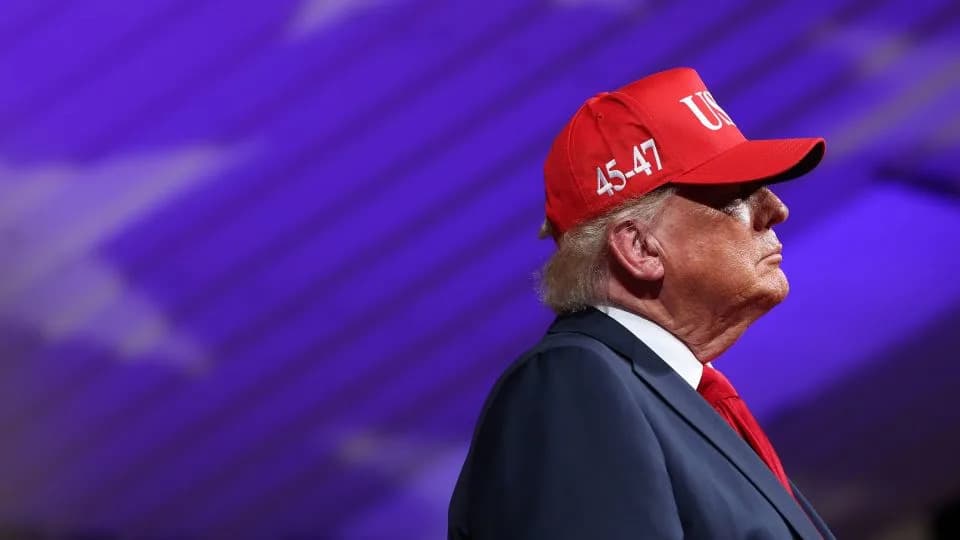
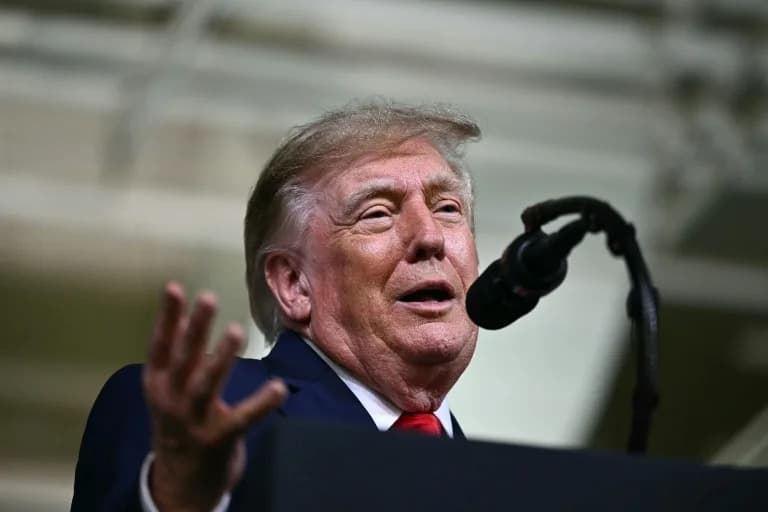
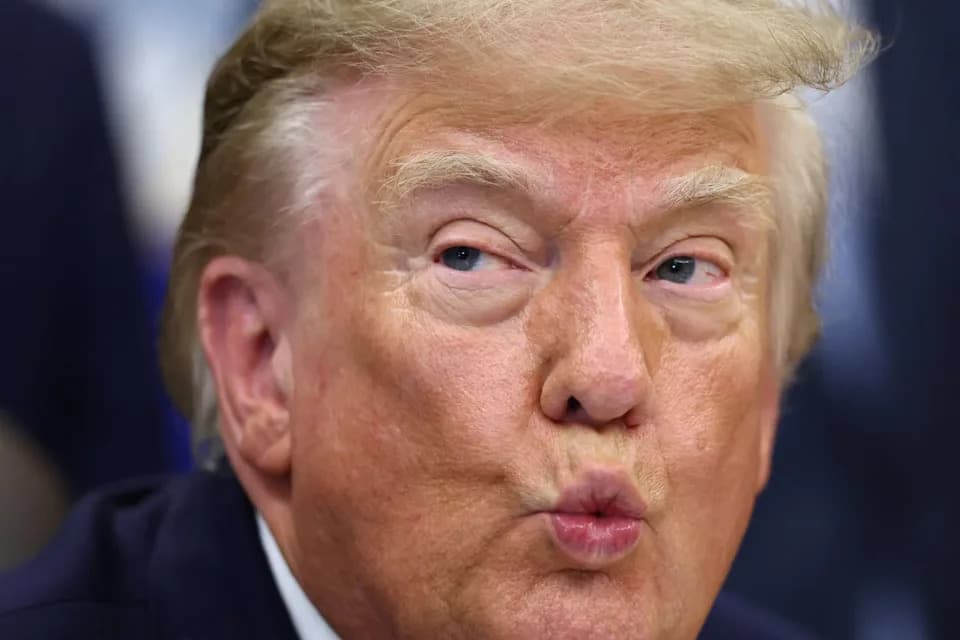
Trump at the White House last year.Photograph: Bloomberg/Getty Images
Cheryl Johnson, a retired social worker near Pittsburgh with memories that stretch back to the assassination of John F. Kennedy and the civil rights struggles of the 1960s, says one change in modern politics troubles her above all: the rise of public swearing.
"All this cursing in politics — we never heard that before," Johnson said. "Words are very powerful, and the past 45 presidents of this country have not used such vile language. Is that how teachers, corporate leaders, nurses, doctors, dentists speak in their work environment? It's not OK. It's a decline in respect and honor, period."
How One President Shifted Expectations
Over the last decade, Donald Trump has been widely identified as a driving force in changing expectations about what language is considered acceptable for a U.S. president. Critics pointed to his earlier reported remark that the United States admitted immigrants from "shithole countries," and his second presidency saw further high-profile instances of explicit language in public settings and social posts.
In June 2025, Trump drew attention on the White House lawn after condemning Israel and Iran for continued hostilities with profanity:
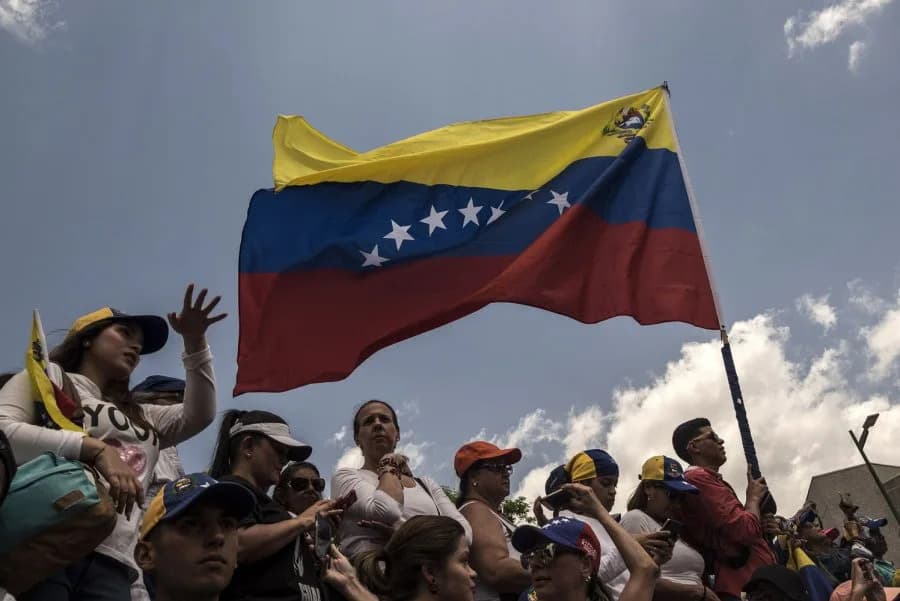
"They don't know what they fuck they're doing,"he told reporters. In October 2025, speaking about Venezuela's then-president Nicolás Maduro, Trump said:
"He's offered everything. You know why? Because he doesn't want to fuck around with the United States."Reports later said Maduro was seized by U.S. forces and detained pending legal proceedings in New York.
Trump has also used explicit language on social platforms. In an April post on Truth Social addressing tensions in the Strait of Hormuz he wrote:
"Open the Fuckin' Strait, you crazy bastards, or you'll be living in Hell — JUST WATCH."Such public profanity from a sitting president broke longstanding norms about presidential decorum.
Broader Political Trends
Scholars and commentators say Trump did not act alone in normalizing public vulgarity. Politicians across the spectrum have used blunt or profane language in speeches, interviews and social media.
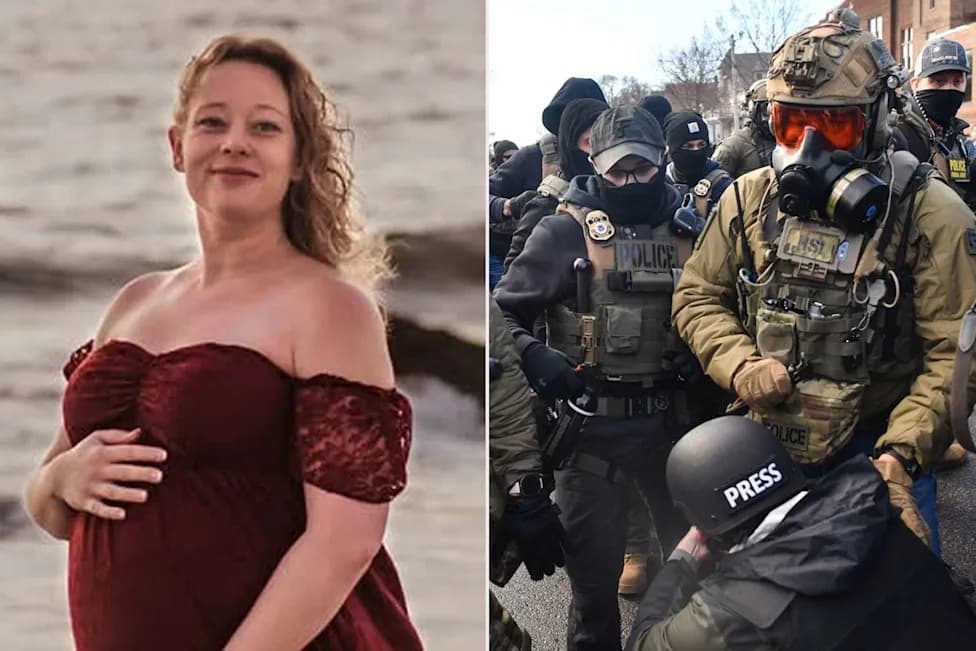
Examples cited by analysts include Vice-President J.D. Vance, who has used the word "shit" in speeches and posts; Defense Secretary Pete Hegseth, who used scatological language to criticize practices he described as "woke"; and local and national Democrats such as Minneapolis Mayor Jacob Frey, who publicly told ICE agents to "get the fuck out" of the city following the shooting of a mother of three, Renee Nicole Good. Senator Tammy Duckworth told a Washington think tank she was "tired of fixing shit that Republicans break," adding, "Fuck that shit."
Why Politicians Swear
Experts offer several explanations for the trend. Joseph Phillips, a professor of American politics at Trinity College Dublin, links the rise of public profanity to a search for authenticity amid declining trust in political institutions: politicians may deploy everyday language to appear more relatable and less aloof.
Michael Adams, a linguist at Indiana University Bloomington and author of In Praise of Profanity, describes a kind of "covert prestige" to swearing: it projects a bold, devil-may-care persona that can attract supporters who value bluntness over polish. Benjamin Bergen, a cognitive scientist at UC San Diego and author of WHAT THE F, ties the trend to an especially strident and polarized political era, suggesting that language norms are shifting in ways that could eventually bring profanity into once-sacrosanct forums.
Historical Context and Possible Reversal
Presidents and senior officials have used coarse language before, but much of that was private — exposed later by tapes or leaks. Lyndon Johnson and Richard Nixon swore in private conversations; Nixon's tapes famously prompted the White House to publish transcripts with the repeated notation "expletive deleted." By contrast, much of the recent profanity is public and intentional.
Some experts argue the trend might not be permanent. Bergen suggests that if one generation normalizes constant swearing, the next might react by rejecting it. Others point to institutional and cultural differences: Phillips notes that British and Irish politicians, whose careers are more tightly bound to party fortunes, have been less inclined to build personal brands through coarse language.
What This Means For Public Life
Analysts warn that normalized public profanity could erode respect for political institutions and civic discourse. Yet the immediate incentives for many politicians — winning votes and building personal followings — can make coarse language an attractive tool.
Whether the public will accept this handiwork of modern political branding as a permanent shift or push back in favor of restored decorum remains an open question.
Help us improve.