Summary: President Trump’s second term is increasingly defined by explicit transactional use of presidential power. Recent episodes include tying disaster relief to a Senate race, threatening the Kennedy Center over a naming dispute, and promising $5,000 payments to adults if Republicans win Congress. Polling shows many voters view these moves as inappropriate and growing concerns about corruption. These developments raise questions about norms, accountability, and the limits of executive authority.
Trump’s Increasingly Brazen Use of the Presidency for Political and Personal Gain
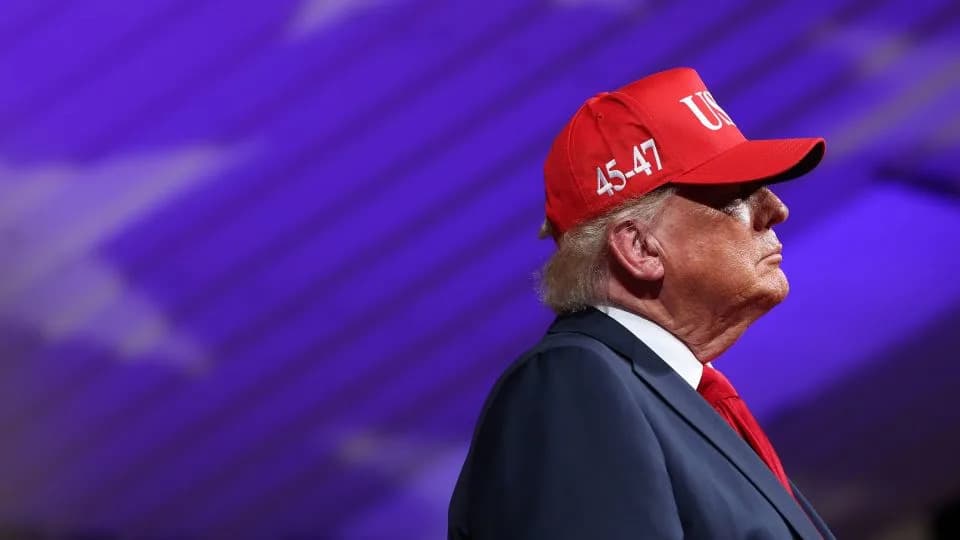
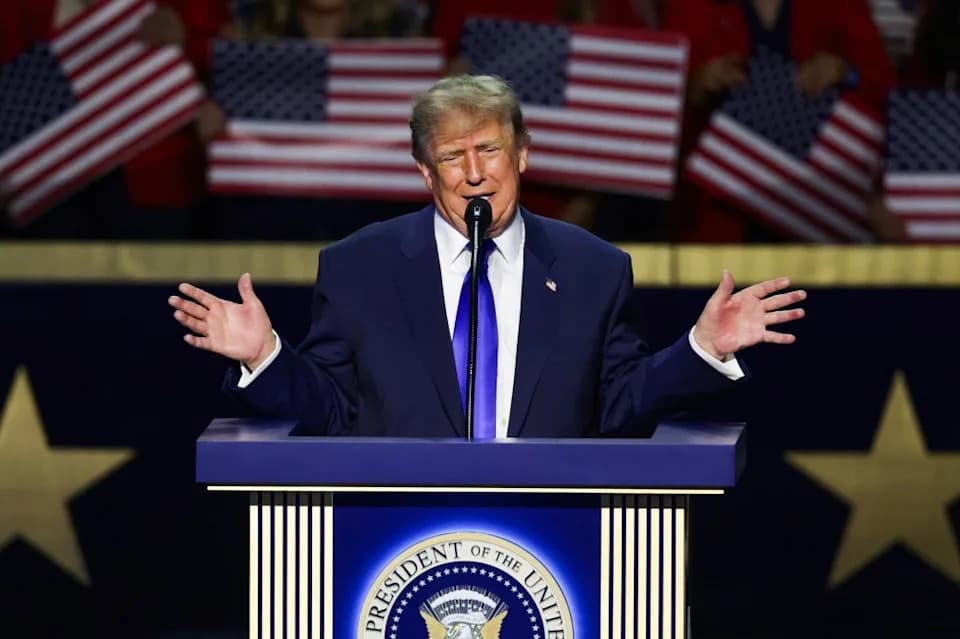
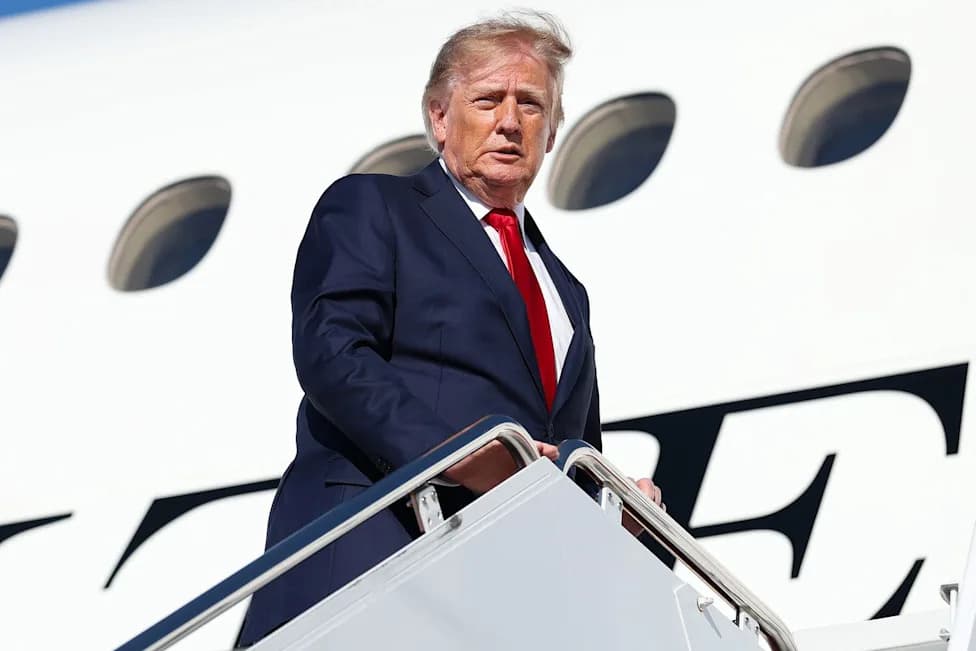
President Donald Trump during a campaign rally in Gastonia, North Carolina, on September 16, 2026. - Anna Moneymaker/Getty Images
Few features of President Donald Trump’s second term have been as defining as a transactional approach to power — using the trappings of the presidency to pursue political advantage and, at times, personal recognition. While transactional governance has been a hallmark of his administration, recent weeks have seen a noticeable escalation in tone and candor.
Openly Linking Official Acts to Political Outcomes
Trump’s transactional instincts were central to his first impeachment in 2019, when he was accused of conditioning Ukraine’s military aid on investigations into the Bidens ahead of the 2020 election. Many past episodes involved implication or subtle pressure; over the past eight days, however, he has increasingly voiced such calculations plainly.
At a rally in North Carolina, Trump suggested that disaster relief could depend on that state electing a Republican senator, telling the crowd, "You're waiting for some additional money … and I'm gonna get that to you, Michael. Now, if Michael loses, I'm not sending it. Okay?" He then added, "No, I'm only kidding. You're getting it." Whether framed as a joke or not, the comment came against a backdrop of reporting that gives such remarks credibility.
An Associated Press investigation found that some blue states waited longer for disaster aid and were denied relief more frequently; the White House told the AP it saw "no politicization to the President's decisions on disaster relief." A July 15 Energy Department legal filing also acknowledged canceling some clean-energy grants "based solely on the political identity of the grant recipient's state."
Pressuring Institutions for Personal Recognition
Trump has also escalated efforts to secure personal recognition from cultural institutions. After repeated legal setbacks in his bid to have the Kennedy Center bear his name, he warned that renovations could be halted and even suggested the center might be demolished if the naming dispute did not go his way — an explicit linking of institutional funding and survival to personal recognition.
The $5,000 Pledge
Perhaps most striking was Trump's promise at a Republican midterm convention to "issue a dividend to every adult citizen in the United States of America for $5,000" if voters deliver GOP control of Congress. Experts and critics have noted the plan reads like a direct reward tied to an electoral result; some conservatives have called it a bribe or a quid pro quo. The suggestion also raises legal and constitutional questions about executive authority and appropriations.
Public Reaction And Polling
Polling suggests many voters view these moves unfavorably. A Reuters-Ipsos poll found 66% of registered voters called the $5,000 pledge "inappropriate," including a sizable share of Republicans. Other surveys indicate a growing perception of corruption risk associated with the GOP: a New York Times–Siena College poll found likely voters were more likely to describe Republicans than Democrats as "corrupt," and a Fox News poll showed voters favored Democrats over Republicans on handling corruption.
Why It Matters
These episodes matter because they illustrate a willingness to use the powers of the presidency to pursue partisan advantage and personal aggrandizement in overt ways. Whether through threats to withhold disaster aid, pressuring a national cultural institution, or promising direct payments tied to electoral outcomes, the pattern raises concerns about norms, accountability, and the limits of executive action.
As these tactics become more explicit, they invite legal scrutiny, legislative pushback, and public debate about how much leverage one occupant of the presidency should be able to exert for political ends.
Help us improve.