Experts say President Trump’s frequent public profanity functions as a deliberate political tactic rather than mere vulgarity. By swearing openly, he and some allies signal anti-elitism, build intimacy with supporters, and simplify complex issues into emotionally charged narratives. Scholars warn this approach can desensitize the public and normalize contempt in political discourse.
Why Trump’s Public Swearing Is More Than Rude — Experts Say It’s a Political Strategy
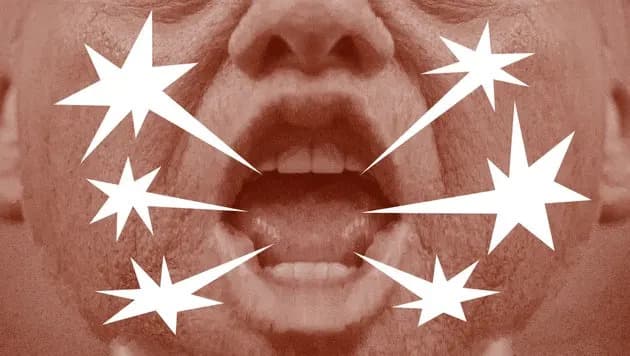
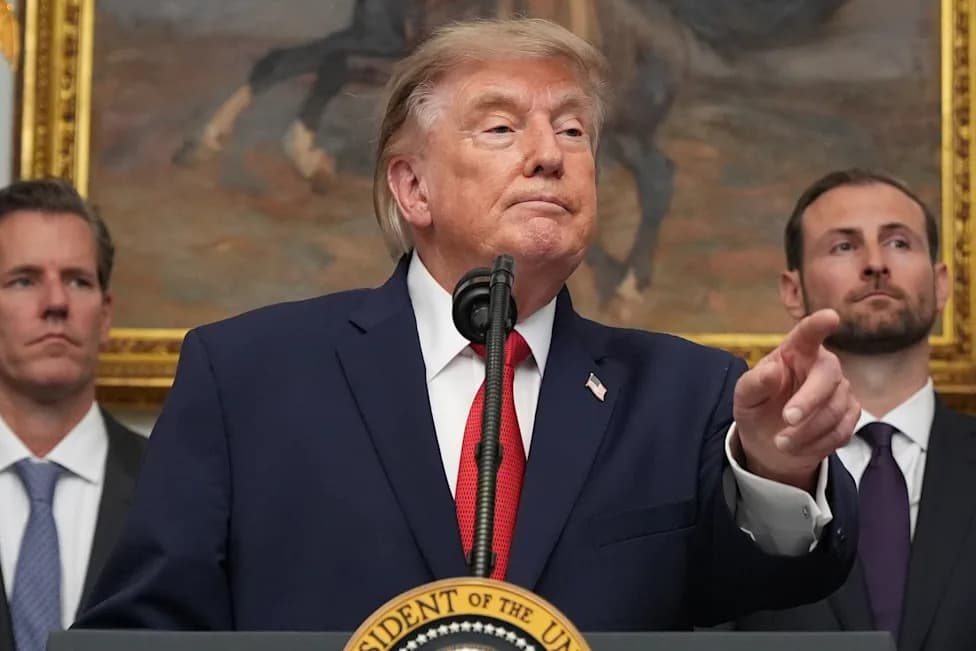
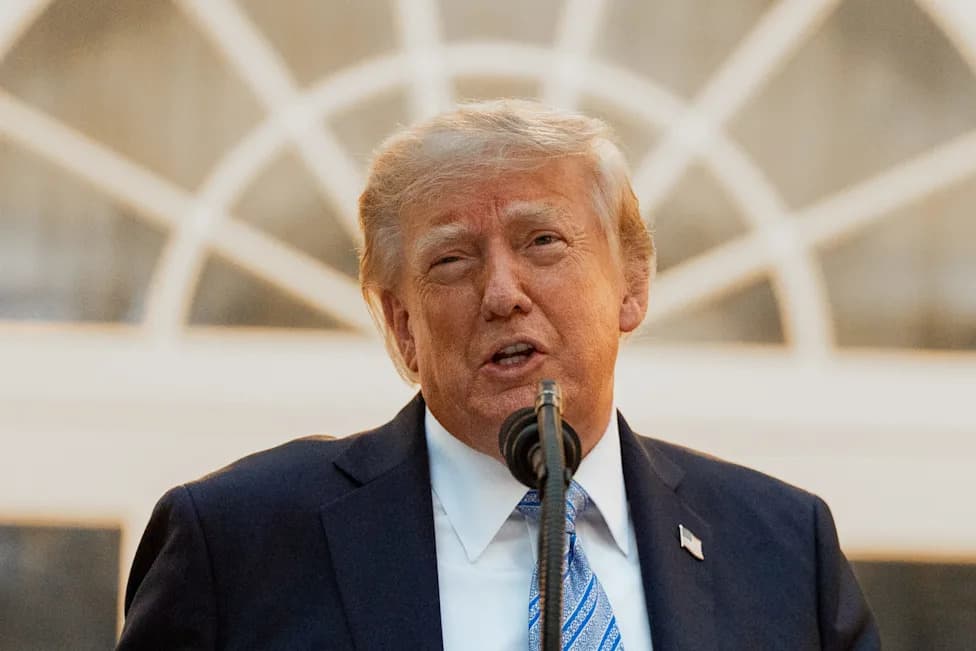
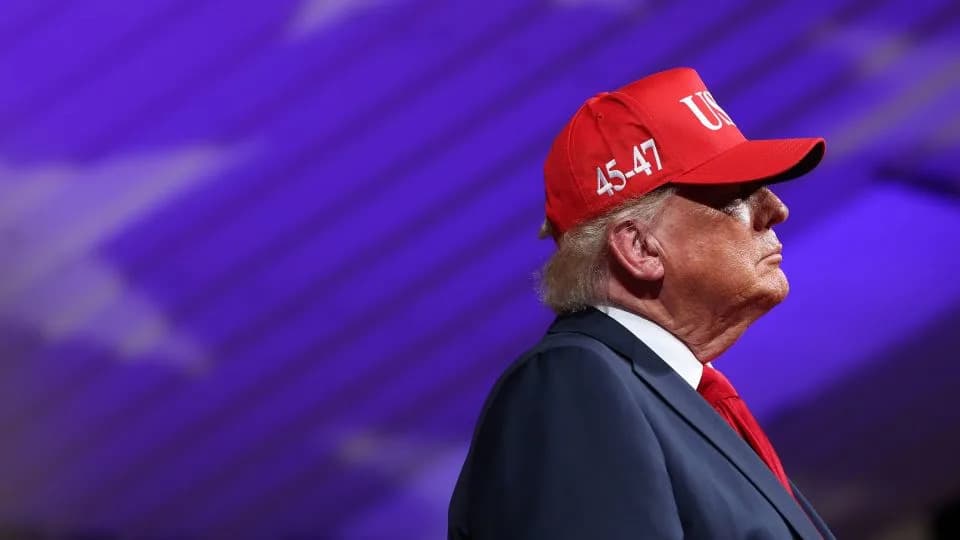
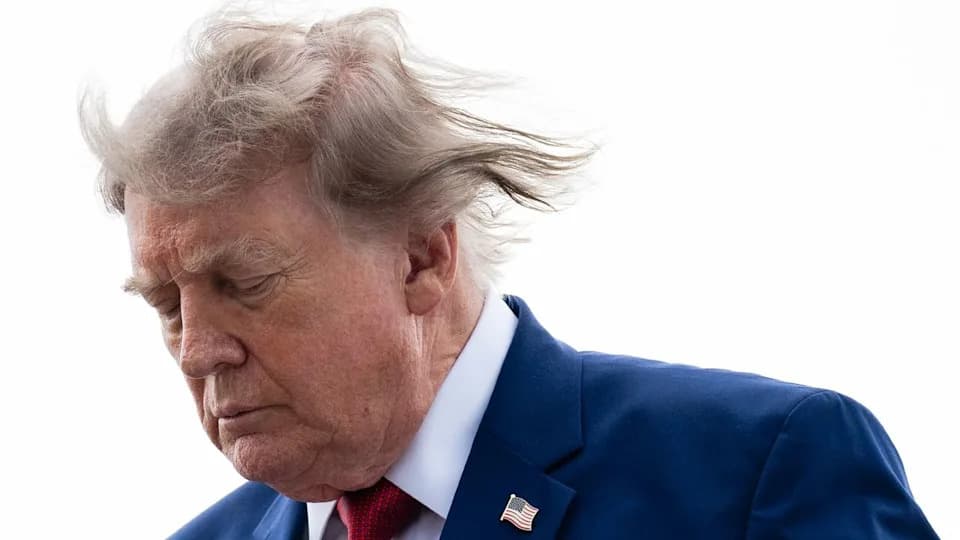
Trump's profanity serves a number of purposes, but is ultimately a way to galvanize his base. Illustration: HuffPost; Photos: Getty
President Donald Trump and several figures in his orbit have made public profanity a recurring feature of their communications. Rather than isolated "hot-mic" slips, experts say the repeated use of coarse language — on platforms like Truth Social and in public statements — appears deliberate and serves clear political functions.
What Experts Observe
Scholars who spoke to HuffPost emphasize that past presidents have cursed privately or in off-microphone moments, but Trump’s pattern is different: the swearing is performed openly for broad audiences. Elvin Lim, founding dean of the College of Integrative Studies at Singapore Management University, says this public register turns profanity into a communicative tool rather than a private quirk. Sam Martin, chair of the Frank Church Institute and a professor of political communication at Boise State University, notes similar historical examples — Barack Obama and Joe Biden each had noted off-camera slips, and Lyndon Johnson cursed frequently — but those moments were not part of a sustained public rhetorical strategy.
How Profanity Functions Politically
Experts identify several political benefits to this style. First, public cursing signals anti-elitism: it distinguishes populist leaders from polished establishment politicians by demonstrating that they do not follow traditional decorum. Second, it builds intimacy and group identity; the shared transgression of profanity can create a sense of solidarity between a leader and supporters. Martin compares this to adolescents discovering taboo words together: the act of cursing becomes a badge of belonging.
Profanity Compresses Complexity: By reducing a policy or crisis to a blunt emotional phrase, four-letter words can flatten nuance into a simple good-versus-evil story, which helps mobilize supporters but obscures detail.
Risks and Limits
There are also downsides. If every message is framed in a heightened, profane register, language can lose its capacity to signal genuine emergencies, making the public numb to real crises. More broadly, normalizing contempt and personal degradation as ordinary presidential tools can coarsen public discourse and lower expectations for civility in professional and political spaces.
Historical Context
Lim places this phenomenon in a longer partisan tradition: vitriol and personal attacks were common in 19th-century political pamphlets and the partisan press, but overt public profanity in professional forums used to be rarer. Over time, social attitudes toward vulgar language have relaxed and the front-stage/back-stage divide has narrowed; what was private now often appears in public platforms and workplaces.
Takeaway
Experts conclude that Trump’s public swearing is not merely personal vulgarity but a communication strategy that cultivates intimacy, signals authenticity, and mobilizes resentment. It helps distinguish him from elites, consolidate his base, and compress complex issues into emotionally charged narratives — even as it risks desensitizing audiences and normalizing contempt as a political tactic.
Original reporting first published on HuffPost.
Help us improve.