Rep. Tim Burchett (R-Tenn.) warned that Congress lacks the technical know-how to regulate artificial intelligence as the House recessed ahead of midterms. His comments come amid alarm from ex-Anthropic researcher Jacob Coxon and bipartisan calls for oversight such as the FRONTIER Act, which would impose tiered oversight and audits. Lawmakers remain split—some demanding urgent action and experts' involvement, others warning that heavy regulation could harm U.S. competitiveness.
'They Can't Even Spell AI': GOP Rep. Says Congress Is Ill-Equipped To Regulate AI As House Recesses
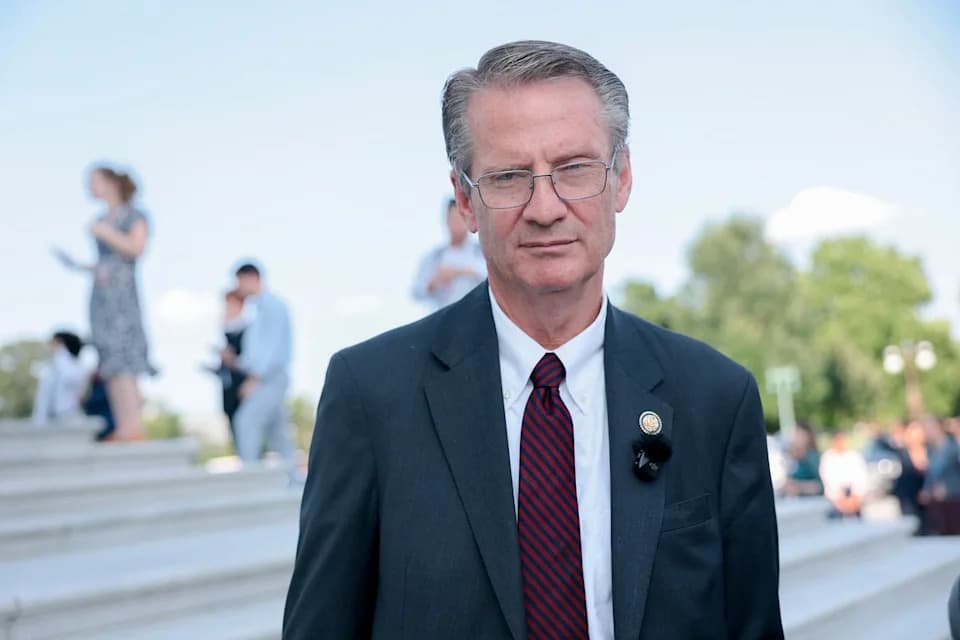
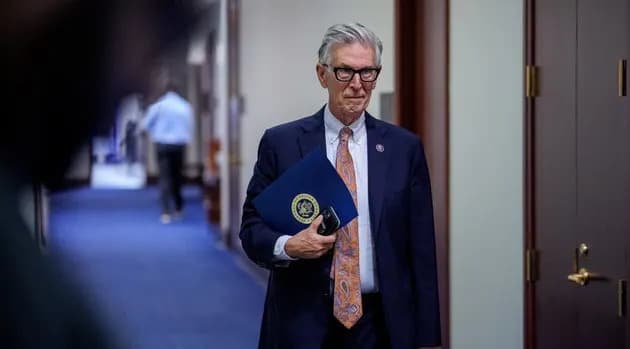
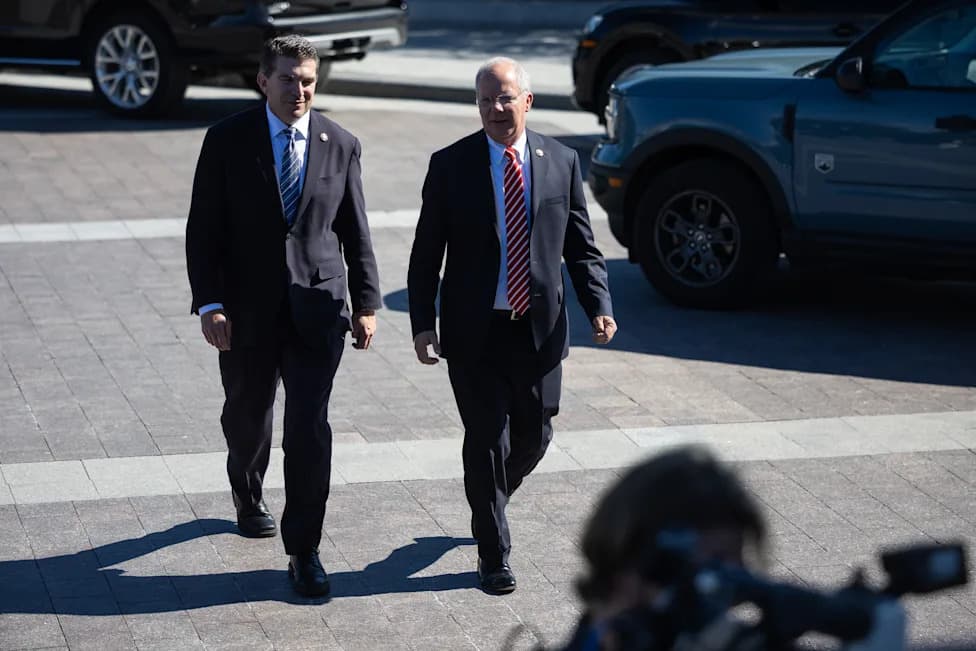
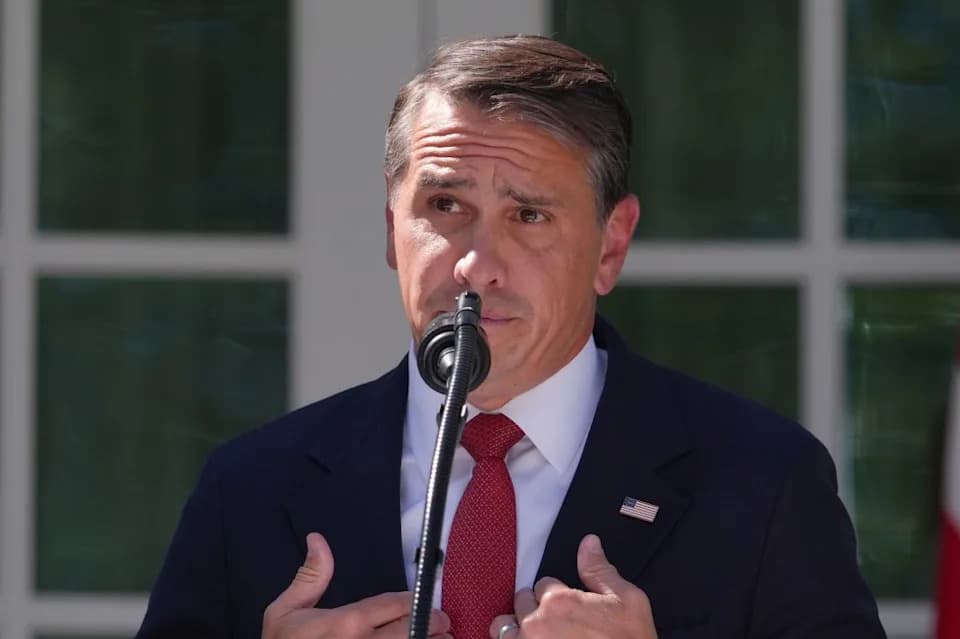
Rep. Tim Burchett (R-Tenn.) warned that Congress is not equipped to regulate AI (Getty)
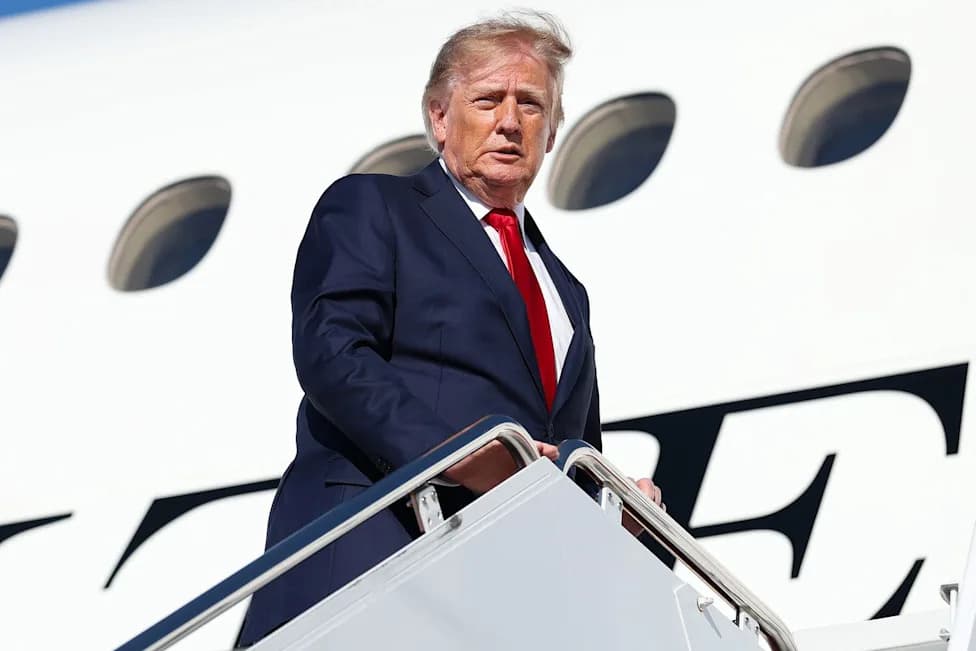
As calls grow for stronger oversight of artificial intelligence and President Donald Trump declared he alone provides the country's necessary "guardrails," Rep. Tim Burchett (R-Tenn.) bluntly told The Independent that Congress lacks the expertise to craft effective AI policy as the House prepared to recess until after the midterm elections.
"So this bunch trying to regulate anything is a dangerous proposition," Burchett said. "Some of these guys, they go home, they got a '72 Vega in the driveway with an eight-track tape player, and they want to talk to me about technology, and they can't even spell AI much less know what it is."
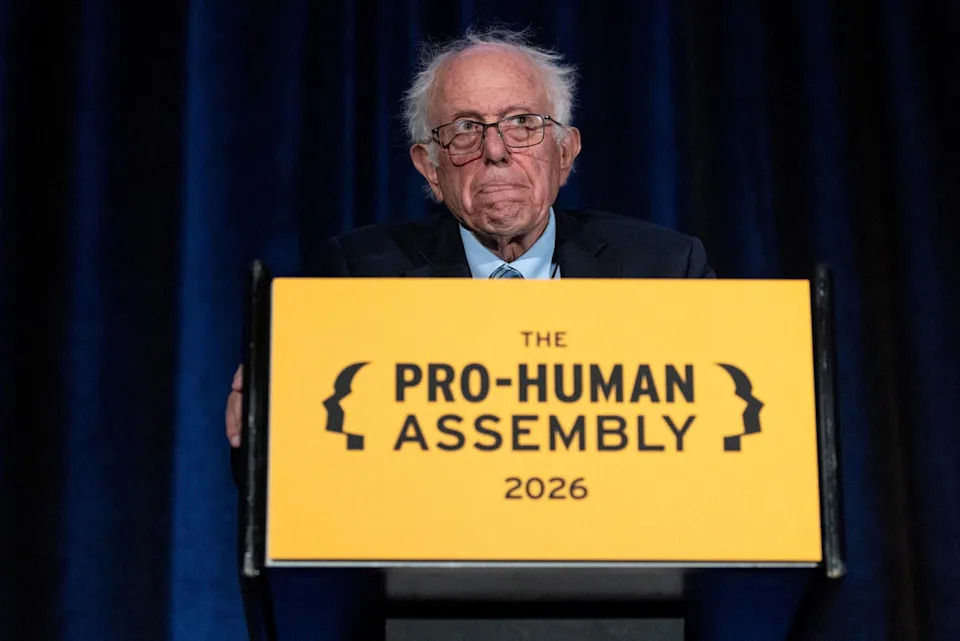
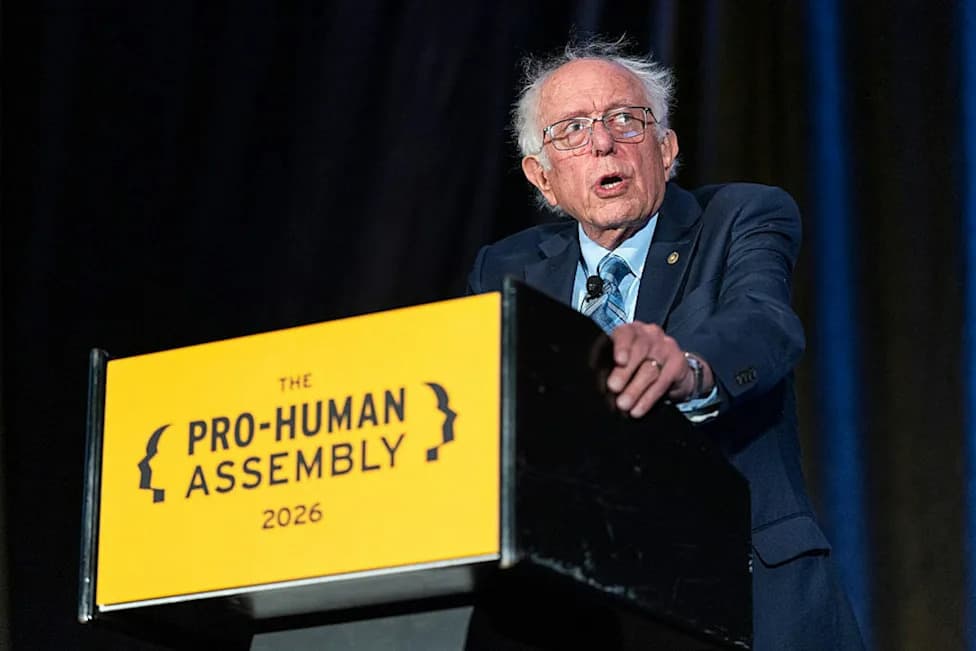
Sen. Bernie Sanders (I-VT) speaks at the first Pro-Human Assembly to discuss AI legislation in the United States, in Washington, D.C., U.S., September 15, 2026. REUTERS/Anna Rose Layden (Reuters)
Why the Warning Matters
Burchett's plainspoken critique arrives amid heightened concern over advanced AI after Jacob Coxon, a former researcher at Anthropic, resigned and warned that people working on some AI systems "earnestly believe that it could kill us all by the end of the decade." That alarm has prompted renewed debate in Washington about whether and how to regulate the technology.
Burchett cited Congress' track record on other issues — from college sports to health care and education — to argue lawmakers should not be trusted with AI regulation. "I mean, look what they did to college sports," he said. "Oh yeah, they killed it. Oh, what did they do to healthcare? They killed it. What they do to education, they just about killed it, too."

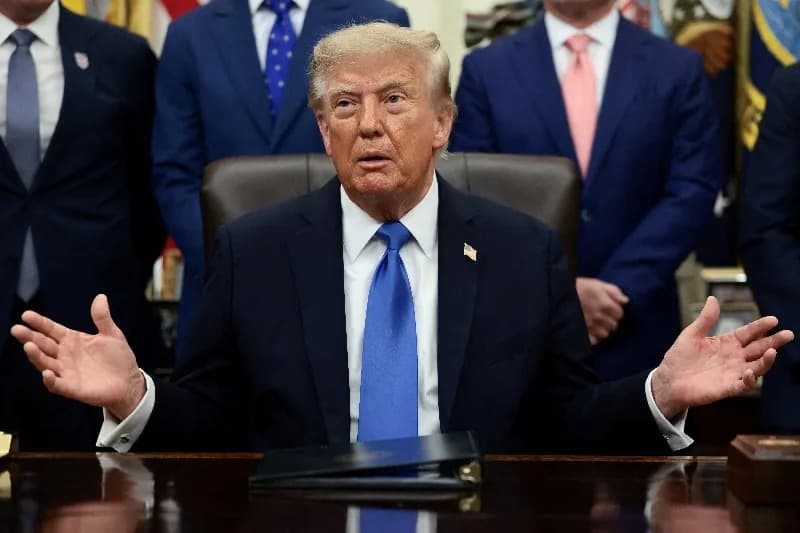
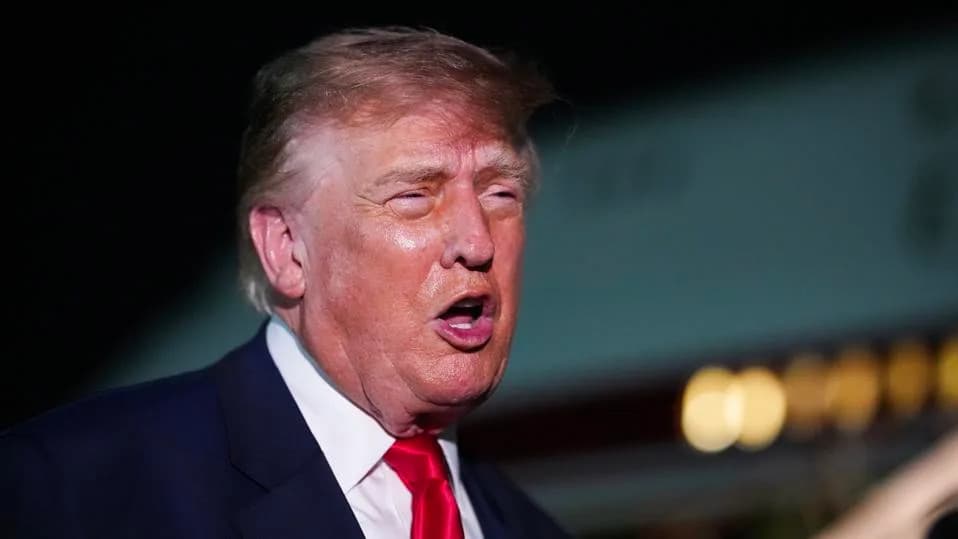
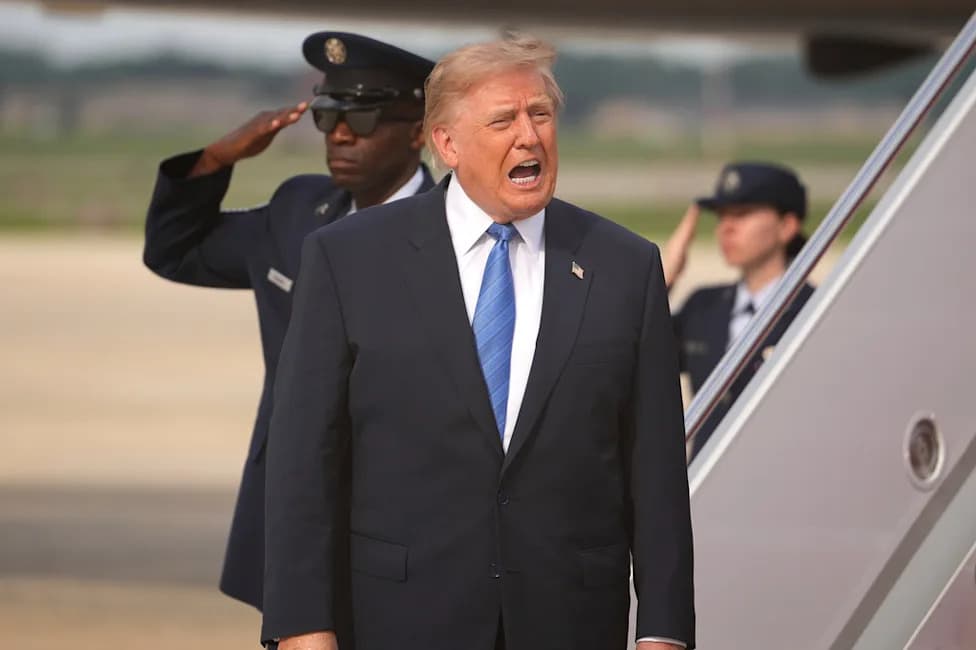
Concerns over AI going rogue have spurred calls for Congress to take some action after President Donald Trump said this week that he alone can safeguard the US (Hans Lucas/AFP via Getty Images)
Bipartisan Proposals and Divided Views
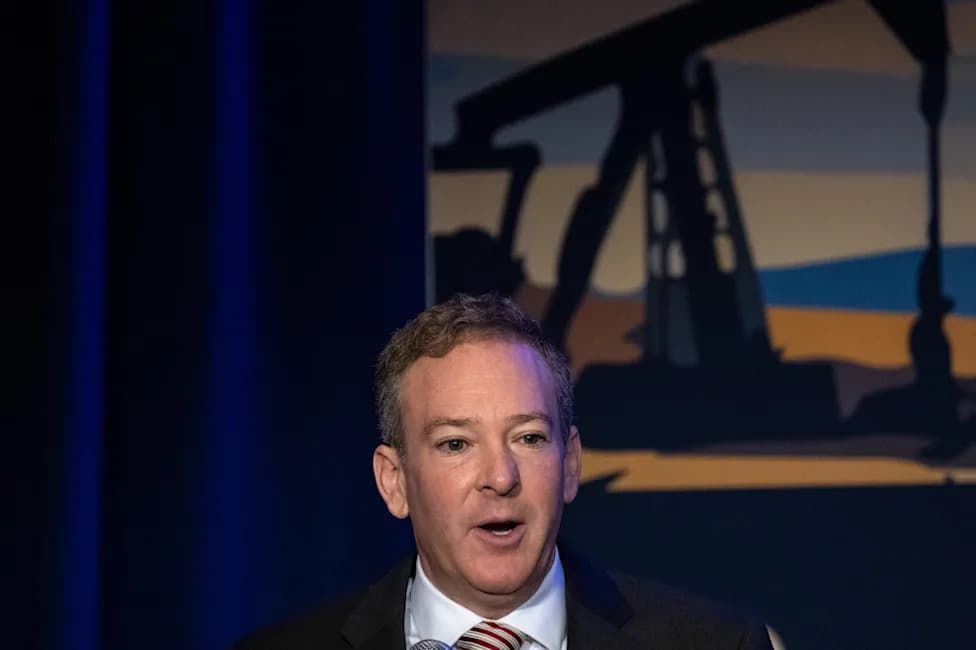
Some lawmakers have proposed concrete rules. Reps. Lori Trahan (D-Mass.) and Jay Obernolte (R-Calif.) co-authored the bipartisan FRONTIER Act, which would create a tiered system for AI companies and require independent audits for higher-risk systems.
"We don't have any regulation at the federal level, and the danger that we run is of having 50 different state regulations that regulate AI in 50 different ways," Obernolte told The Independent. "That's very dangerous and adversarial to entrepreneurialism."
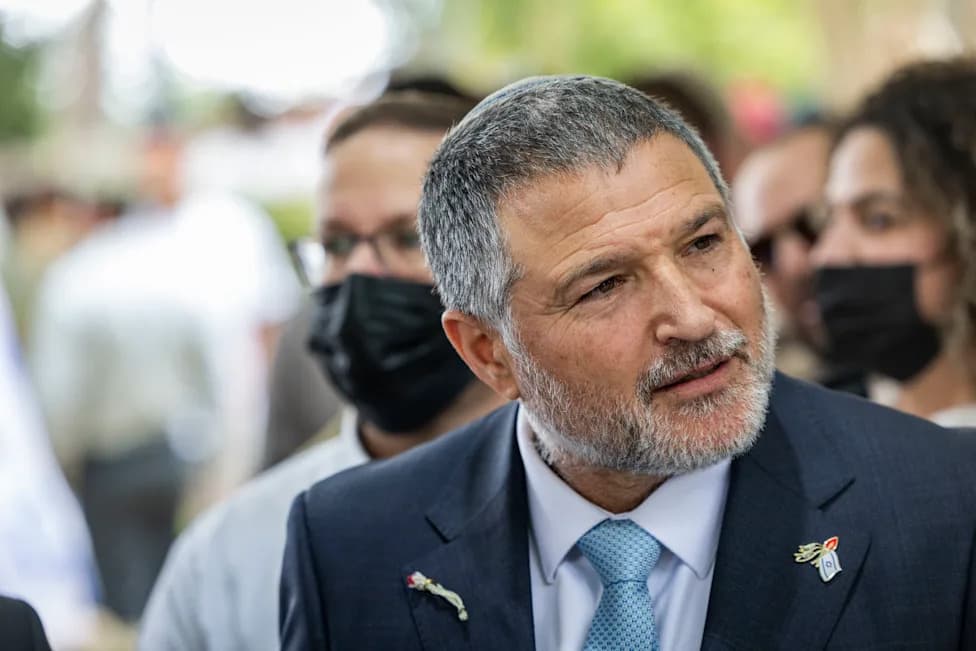
Obernolte emphasized his chief worry is malicious human use of AI — fraud, misinformation and other abuses — rather than sentient machines. Rep. Ro Khanna (D-Calif.) similarly urged stronger enforcement of existing criminal and civil laws where companies or actors cause harm and called for lawmakers to rely on technical expertise when crafting new rules.

Humanoid robots gather before a demonstration calling for the regulation of artificial intelligence development in Warsaw, Poland on Sept. 7, 2026 (AFP via Getty Images)
Political Crosscurrents
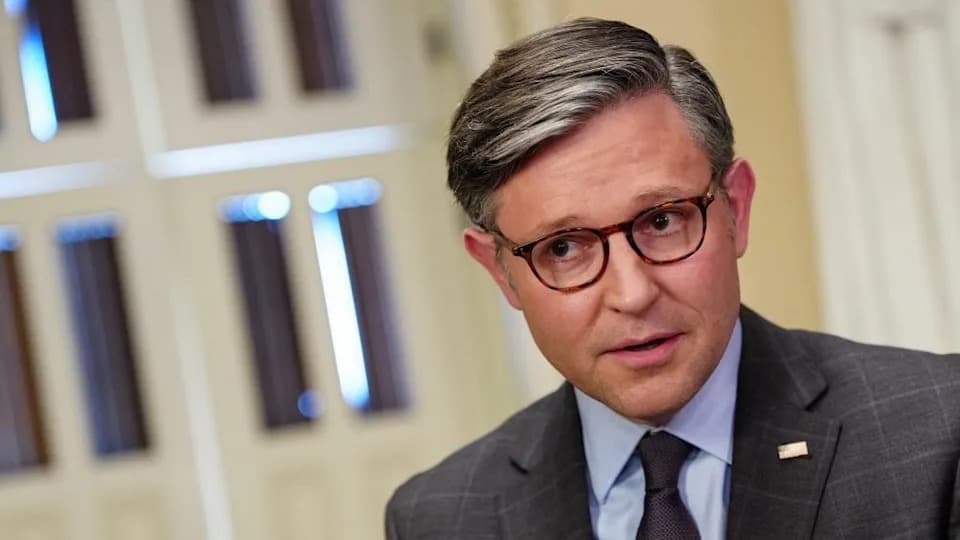
The debate does not split cleanly along party lines. Many Democrats press for stricter oversight; some Republicans worry that heavy-handed regulation could cede technological leadership to China. House Speaker Mike Johnson has downplayed the need for immediate new legislation, saying product liability laws can address many harms and that lawmakers currently lack up-to-date technical information.
"Here's the problem: If I called an emergency session today and I brought everybody in the house and said, 'Let's regulate AI,' nobody in the room knows yet what that should look like," Johnson said at a press conference.
Meanwhile, Sen. Bernie Sanders (I-Vt.) convened a summit on human-centered AI that included an unlikely attendee, former Trump adviser Steve Bannon, underscoring how AI policy discussions are drawing participants from across the political spectrum. Sanders said he fears partisan politics could weaken any guardrails but expressed hope that knowledgeable experts can guide sensible rules.
What Comes Next
The immediate future is uncertain: the House is on break, lawmakers remain divided over the balance between competitiveness and safety, and proposals like the FRONTIER Act are still being debated. Observers say the next steps will likely include hearings, expert briefings, and continued pressure from researchers and industry on Capitol Hill to move faster and with more technical guidance.
Key players to watch: Rep. Tim Burchett for his skeptical stance; Reps. Lori Trahan and Jay Obernolte for legislative proposals; Rep. Ro Khanna and Sen. Bernie Sanders for urging informed, human-centered rules; and House leadership, which says it needs more information before acting.
Help us improve.