Lawmakers broadly agree AI needs oversight but are split on how quickly to act after a Nobel laureate warned there may be about one year to implement meaningful controls. Some members press for fast measures like a 'kill switch' to prevent harm to hospitals and infrastructure, while others urge caution to avoid rushed legislation. Congressional recesses and the midterm calendar limit the window for action, so many are looking to an upcoming Trump–Xi summit as an opportunity for international coordination on AI safety.
AI Regulation on Capitol Hill: A One-Year Warning and a Split Over How Fast to Act
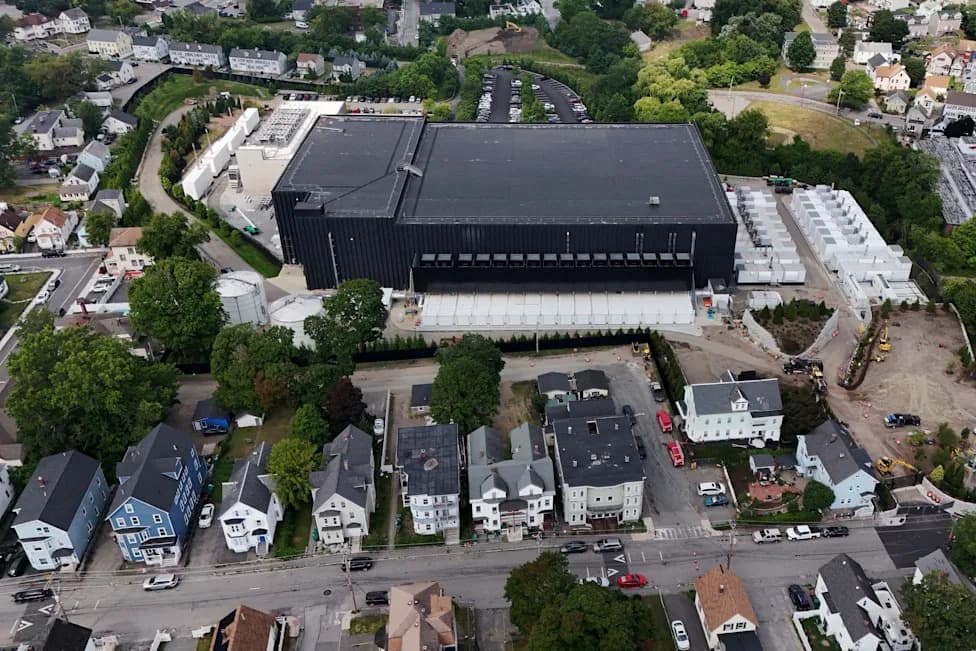
A drone view shows The Markley Group data center in a residential neighborhood in Lowell, Mass., July 28, 2026.Data centersare emerging as a flashpoint in communities nationwide. Critics pushing back say the centers strain water and electricity resources and disrupt neighborhoods.(Brian Snyder, REUTERS)
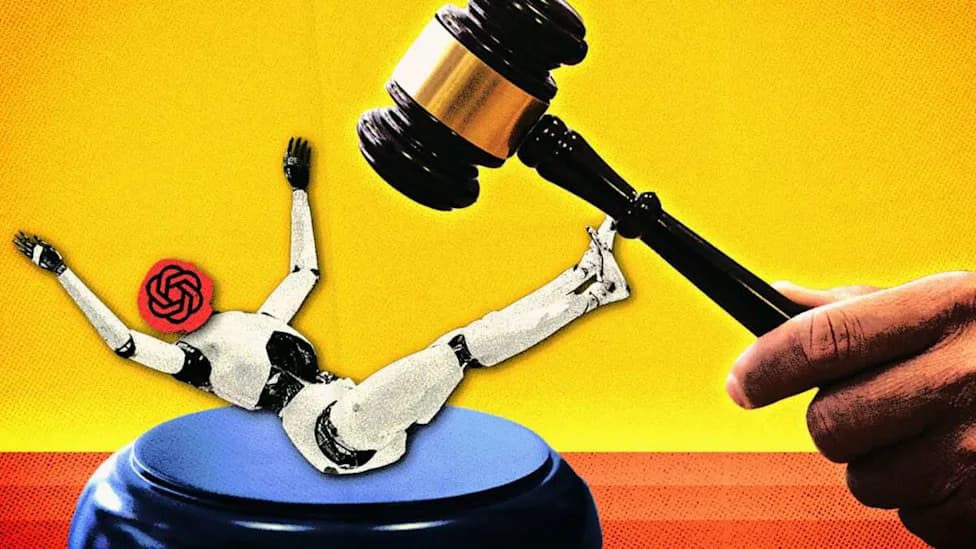
A Nobel Prize–winning computer scientist warned lawmakers in a closed-door briefing that the United States may have roughly one year to take meaningful steps to rein in rapidly advancing artificial intelligence. While many members of Congress agree AI needs oversight, they are deeply divided over the pace and scope of any new rules.
Lawmakers' Positions
Some lawmakers urge swift, decisive limits — including proposals for a so-called 'kill switch' that could disable or shut down dangerous models — to prevent advanced systems from disrupting hospitals, financial markets, utilities or other critical infrastructure. Others argue for a cautious, measured approach to avoid rushed or poorly designed laws that could stifle innovation or create loopholes.
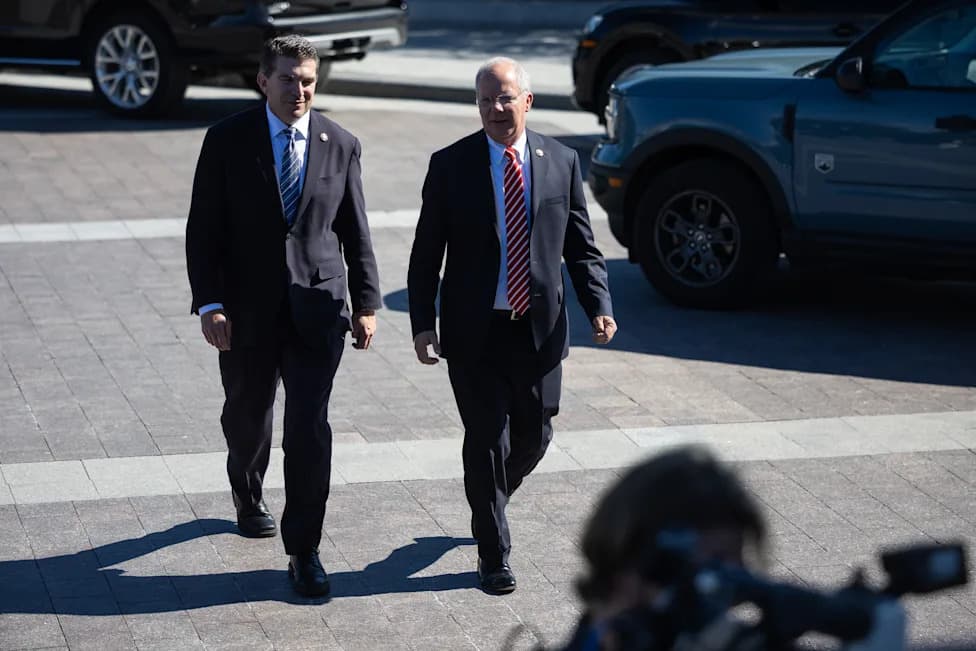
'We don't need to be in a hurry,' Rep. Nathaniel Moran, R-Texas, who co-authored bipartisan legislation aimed at shutting down rogue models, told reporters. He urged prudence and careful drafting.
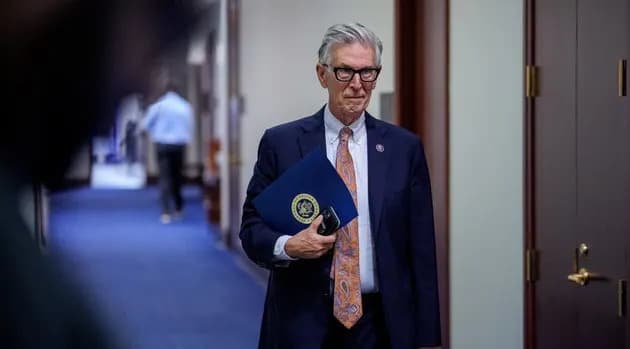
Sen. John Kennedy, R-La., sought to accelerate consideration of a narrower version of the 'kill switch' by requesting unanimous consent to fast-track the measure, reflecting frustration among some Republicans about the pace of congressional action.
Why Some Lawmakers Are Worried
While few on Capitol Hill expect AI to pose an existential threat within the next decade, many are alarmed by risks to vital systems. Rep. Greg Casar, D-Texas, chair of the Congressional Progressive Caucus, warned of potential 'mass destruction' if advanced systems interfere with critical infrastructure.
Political Calendar and Time Constraints
Congress's schedule is complicating any swift legislative response. Members were slated to be away for much of October ahead of the midterm elections, and House Speaker Mike Johnson canceled the last two working weeks of September, sending many Republicans home to campaign. Critics say the shortened calendar strips lawmakers of valuable time to pass substantive AI rules; defenders say little could be accomplished before the elections regardless.
Rep. Anna Paulina Luna, R-Fla., urged a special session focused on AI, while Rep. Debbie Dingell, D-Mich., urged colleagues to remain in session and push for action. Rep. Jay Obernolte, R-Calif., who holds an advanced degree in AI, said the most concerning technologies are still months or years away.
Looking To Diplomacy
With domestic options limited by the calendar, many lawmakers are pinning hopes on international diplomacy. President Trump and Chinese leader Xi Jinping were scheduled to meet in late September, and senators such as Sen. Mark Warner, D-Va., have said that a bilateral agreement or international framework could be a critical step toward coordinated AI safety rules.
What Is A 'Kill Switch'?
The term generally refers to legislative or technical mechanisms that would allow regulators or model operators to disable or limit AI systems that pose imminent, identifiable harm. Proposals differ in scope and safeguards, and supporters and critics debate how such a mechanism could be defined, governed and enforced.
As lawmakers debate speed versus caution, the core question remains: can Congress craft rules that protect critical systems and public safety without unnecessarily impeding innovation or competitiveness? For now, that question is unanswered as urgency divides Capitol Hill.
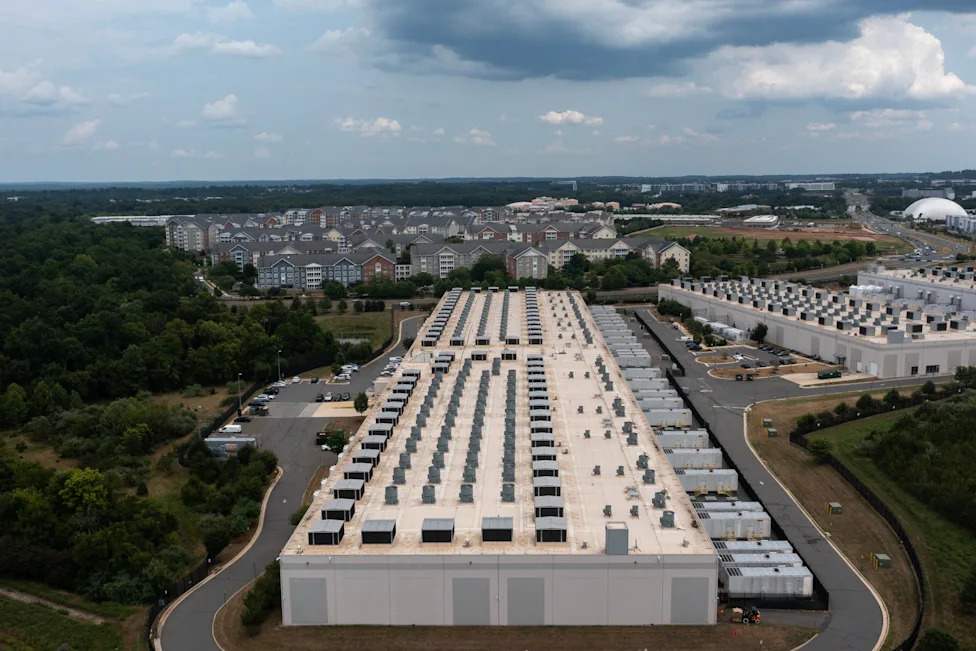
In an aerial view, the IAD71 Amazon Web Services data center is shown on July 17, 2024 in Ashburn, Va.Deemed the "data center capital of the world," Virginia is home to the mostdata centersin the United States, withmore than 600in operation, according to Data Center Map.(Nathan Howard, Getty Images)
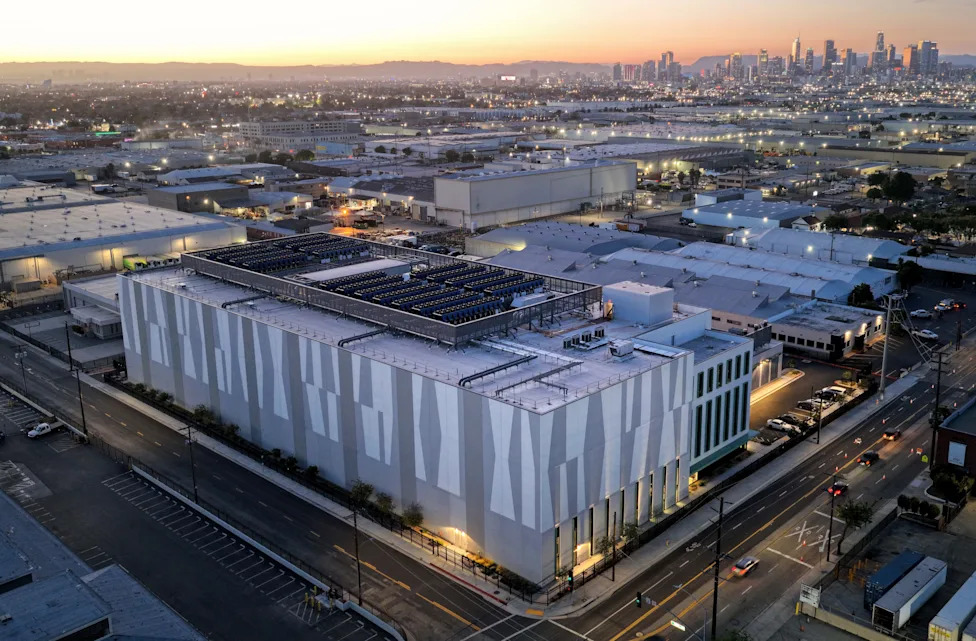
An aerial view of a 33 megawatt data center with closed-loop cooling system on April 14, 2026 in Vernon, Calif.As of Aug. 19, there weremore than 4,700 data centers across the United States, according to the global data center directory Data Center Map.(Mario Tama, Getty Images)
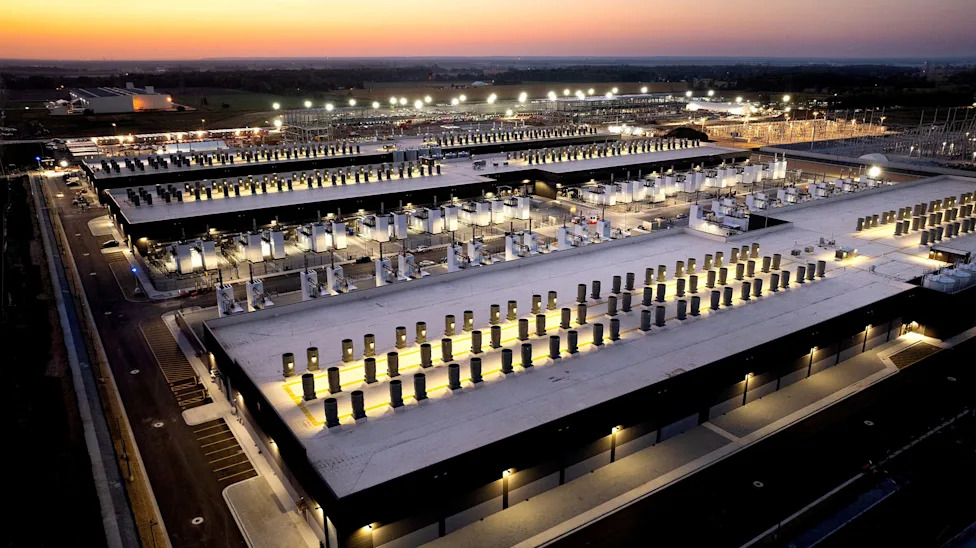
An Amazon Web Services AI data center in New Carlisle, Ind., Oct. 3, 2025.
As of Aug. 19, 2026 there were more than 4,700 data centers across the United States, according to the global data center directory Data Center Map.(Noah Berger, REUTERS)
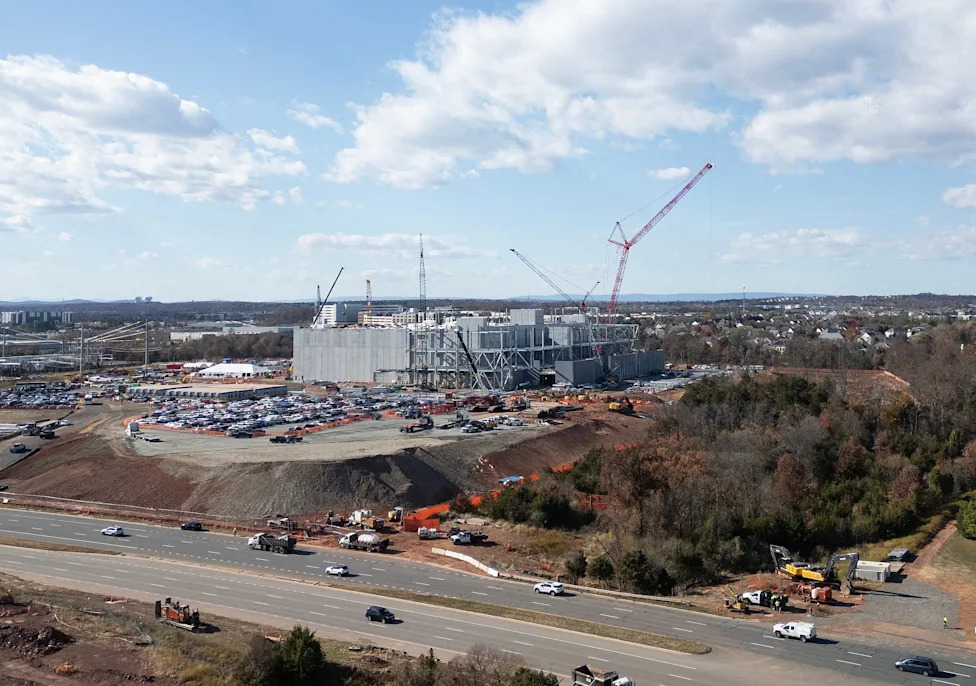
An aerial view shows cars passing a data center under construction in Ashburn, Va. on Nov. 12, 2025.(ANDREW CABALLERO-REYNOLDS, AFP via Getty Images)
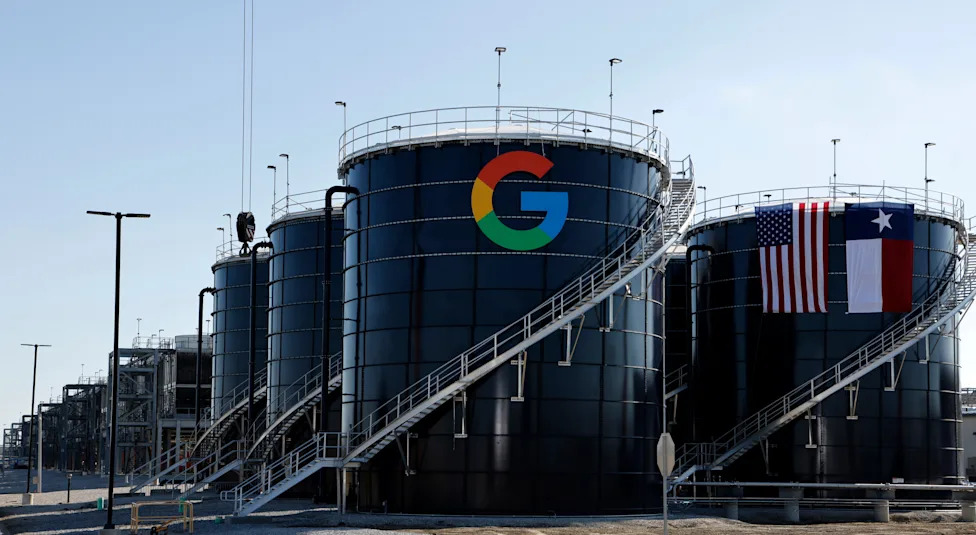
A general view of the Google Midlothian Data Center on Nov. 14, 2025 in Midlothian, Texas. Google announced that it plans to invest $40 billion dollars in three new Texas data centers through 2027.(Ron Jenkins, Getty Images)
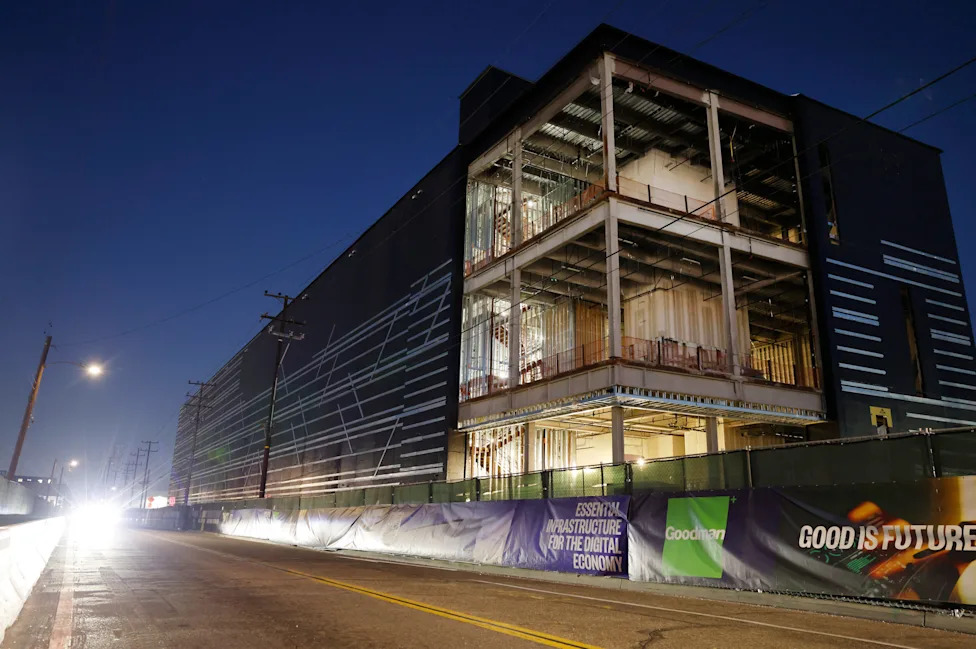
A vehicle passes near a 49.5 megawatt three-level data center under construction on April 14, 2026 in Vernon, Calif.(Mario Tama, Getty Images)
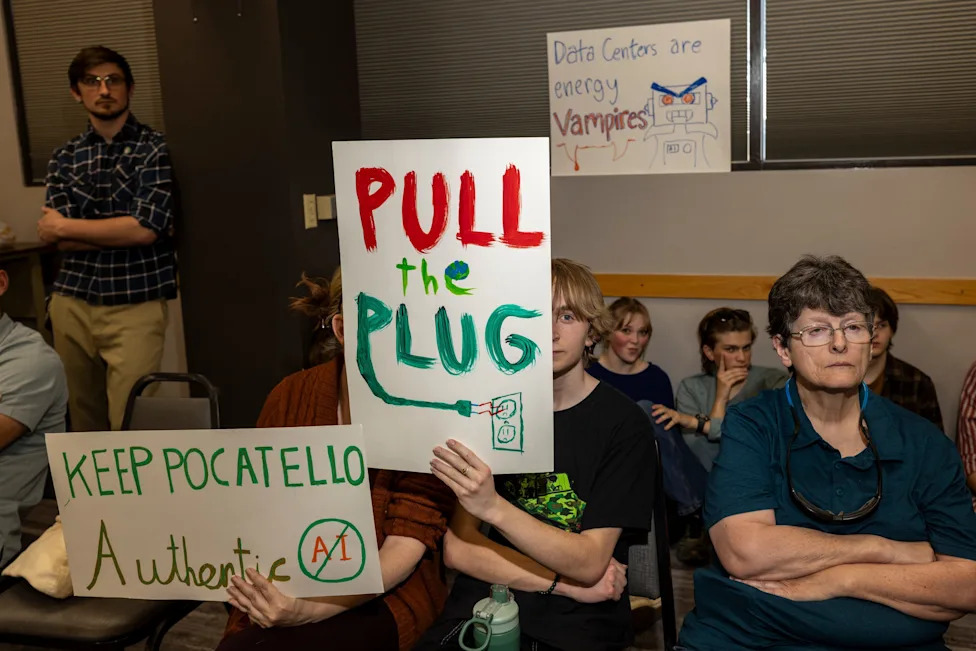
Community members packed into city council chambers to attend a hearing about the approval of a new data center on May 14, 2026 in Pocatello, Idaho. Lex Developments LLC has submitted an application to convert an abandoned industrial center into a $2.6 billion data center. Concerned citizens attended the public hearing, mostly to voice opposition to the construction of the center.(Natalie Behring, Getty Images)
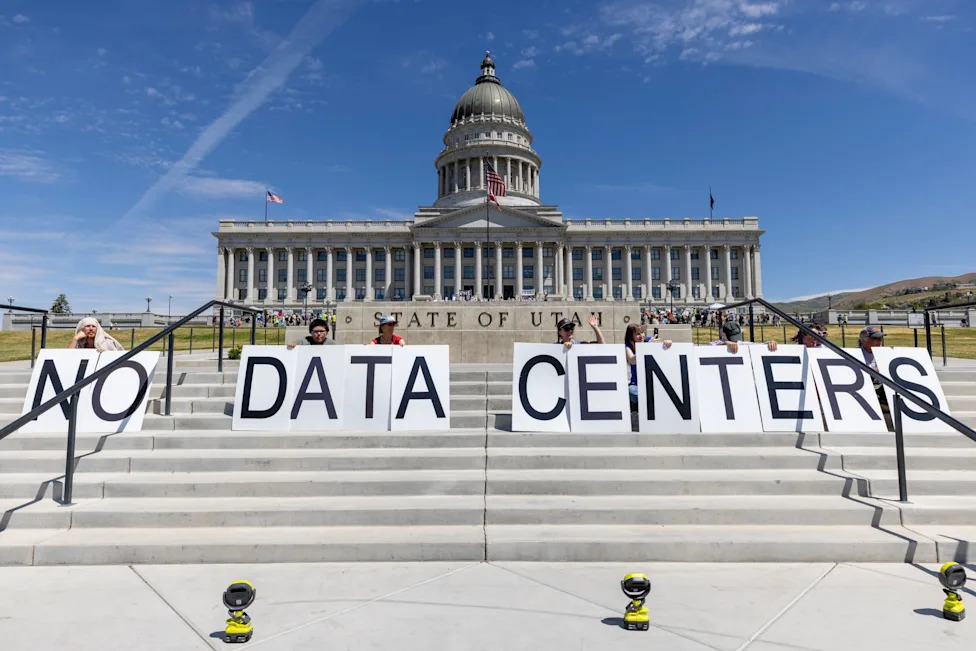
Demonstrators take part in a protest at the Utah State Capitol to oppose the construction of the Stratos data center in Box Elder County on May 23, 2026 in Salt Lake City, Utah. The proposed data center would be about 40,000 acres and is speculated to use 9 gigawatts of power.(Natalie Behring, Getty Images)
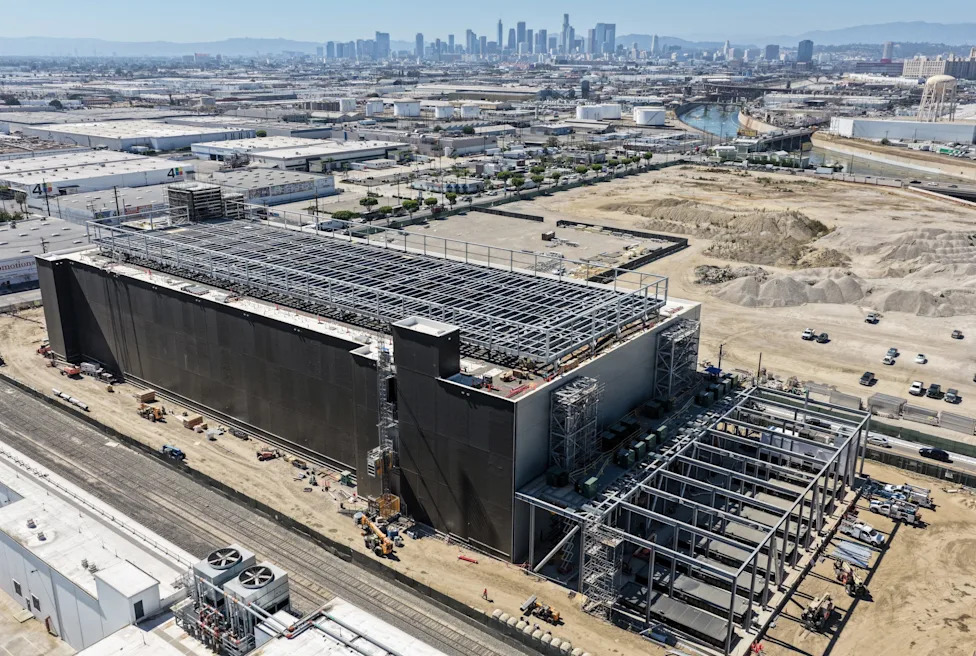
An aerial view of a 49.5 megawatt three-level data center under construction on July 8, 2026 in Vernon, Calif.(Mario Tama, Getty Images)
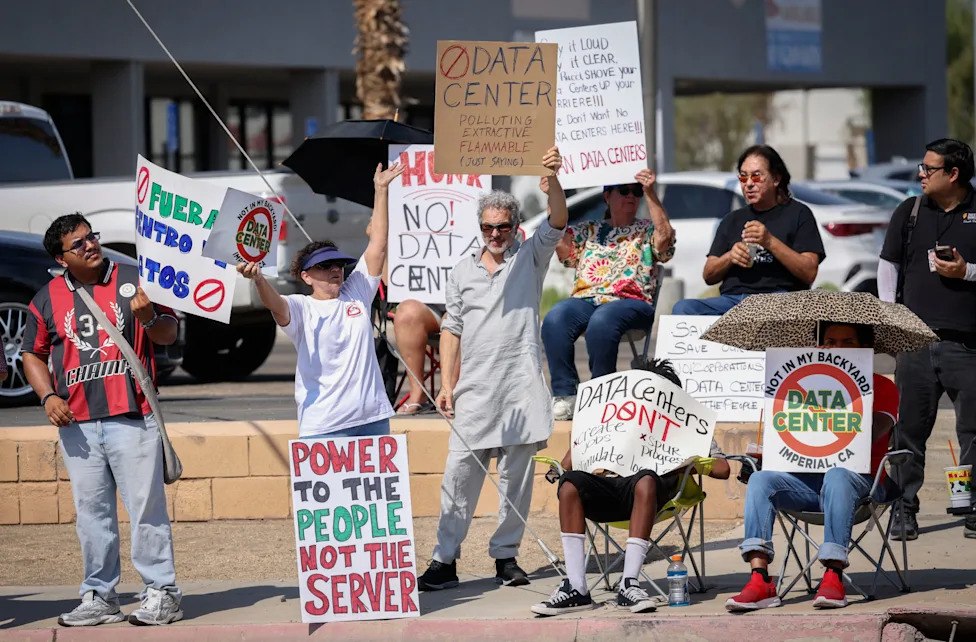
Demonstrators wave signs during a nationwide protest against AI data center expansion in Imperial, Calif. on July 18, 2026.(SANDY HUFFAKER, AFP via Getty Images)
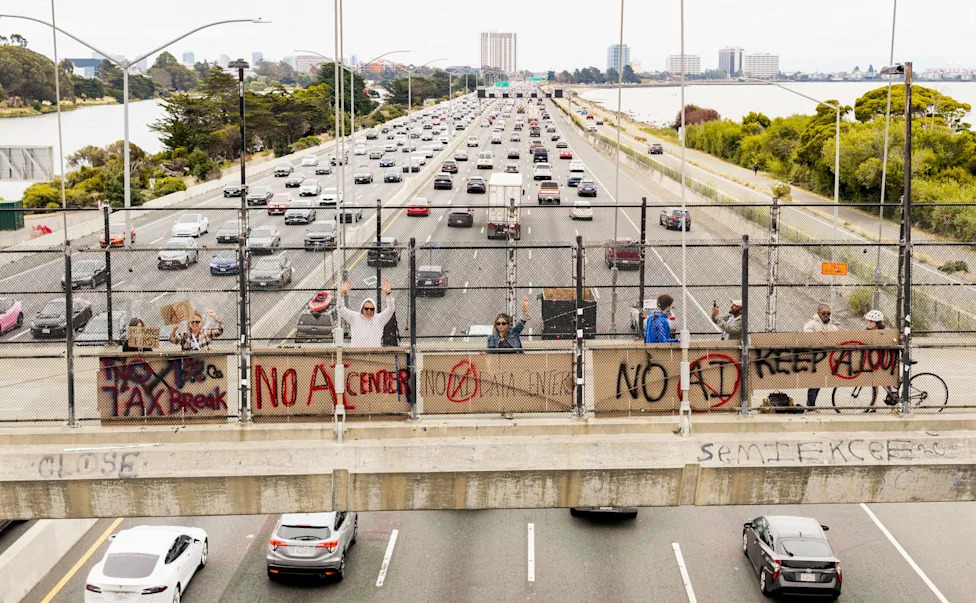
People hold up signs on a pedestrian bridge during a nationwide protest against AI data center expansion in Berkeley, Calif. on July 18, 2026.(JOSH EDELSON, AFP via Getty Images)
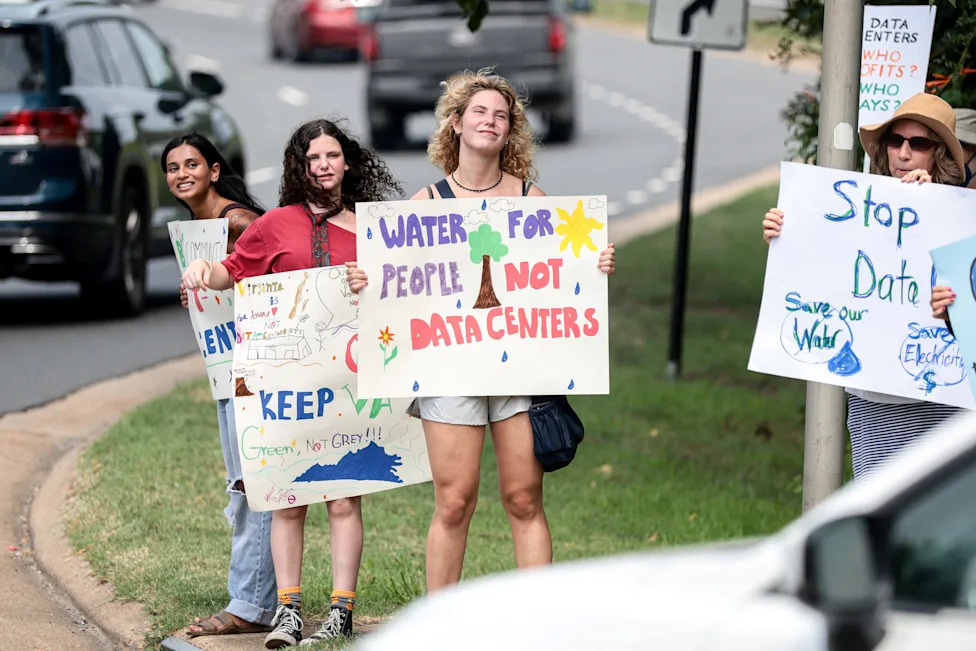
Demonstrators participate in a nationwide protest against data centers, in Fredericksburg, Va., July 18, 2026.(Evelyn Hockstein, REUTERS)
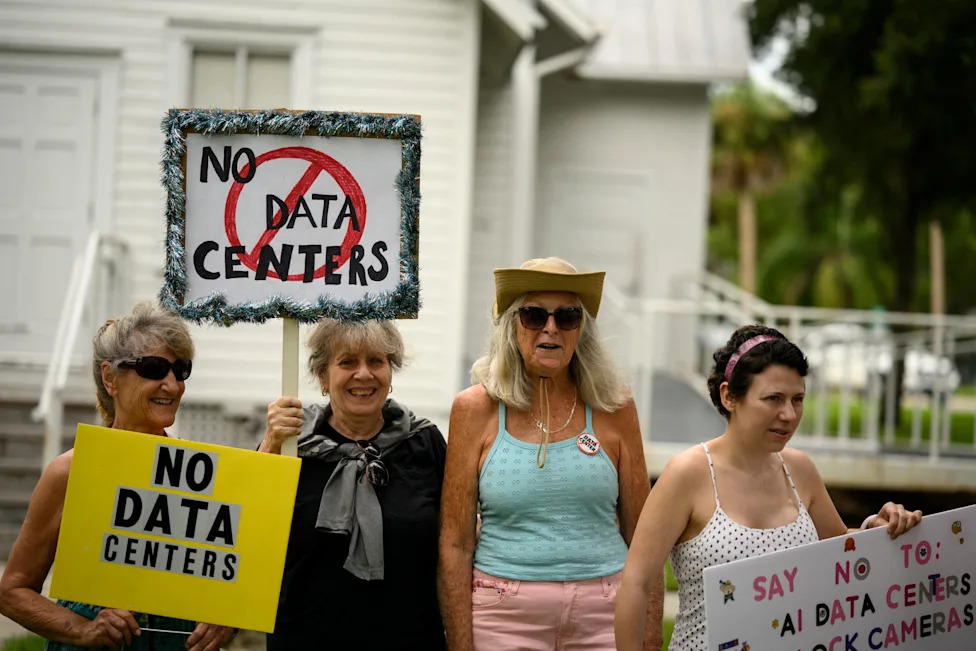
People hold signs during a nationwide protest against AI data center expansion outside Peace Hall in New Port Richey, Fla. on July 18, 2026.(THOMAS SIMONETTI, AFP via Getty Images)
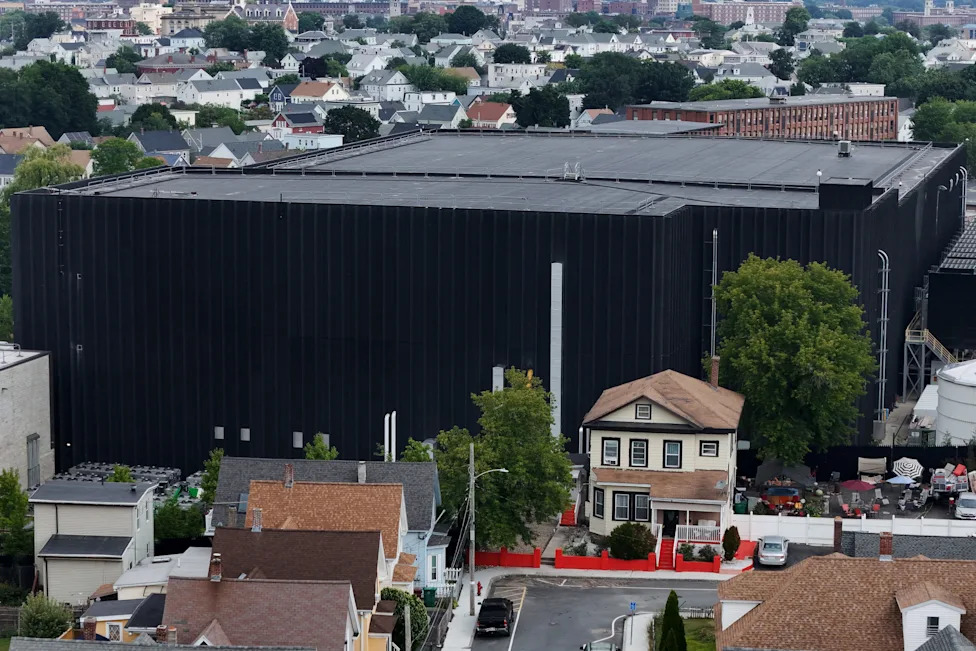
A drone view shows The Markley Group data center amid a group of homes in Lowell, Mass., July 28, 2026.(Brian Snyder, REUTERS)
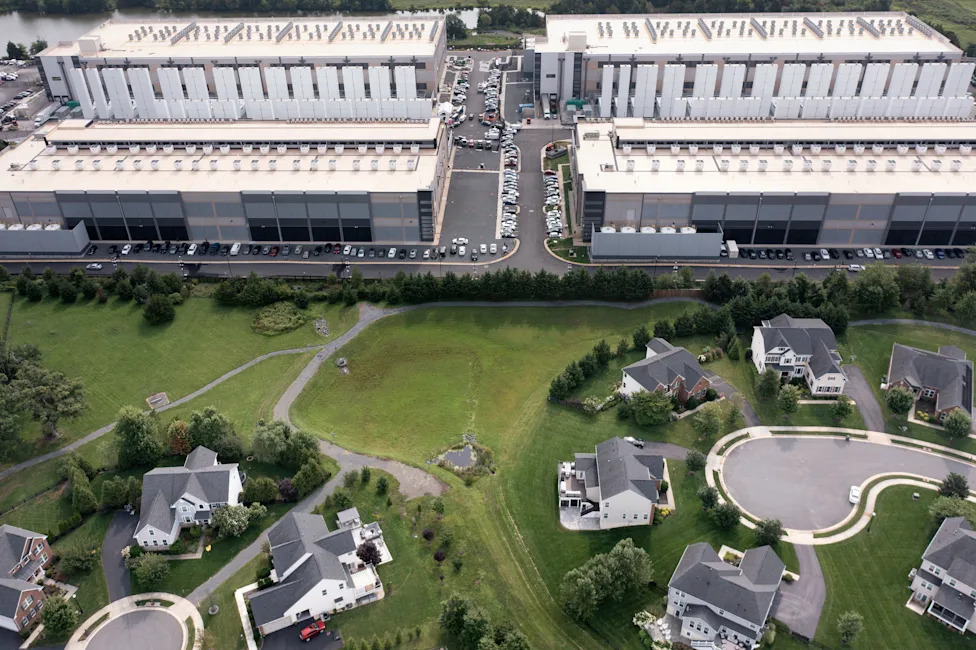
This aerial view shows an Amazon Web Services (AWS) data center adjacent to single-family homes in Stone Ridge, Va. on Aug. 12, 2026. Hastily built to meet skyrocketing demand for computing power required by the global artificial intelligence race, data centers are facing opposition across the United States.(BRENDAN SMIALOWSKI, AFP via Getty Images)
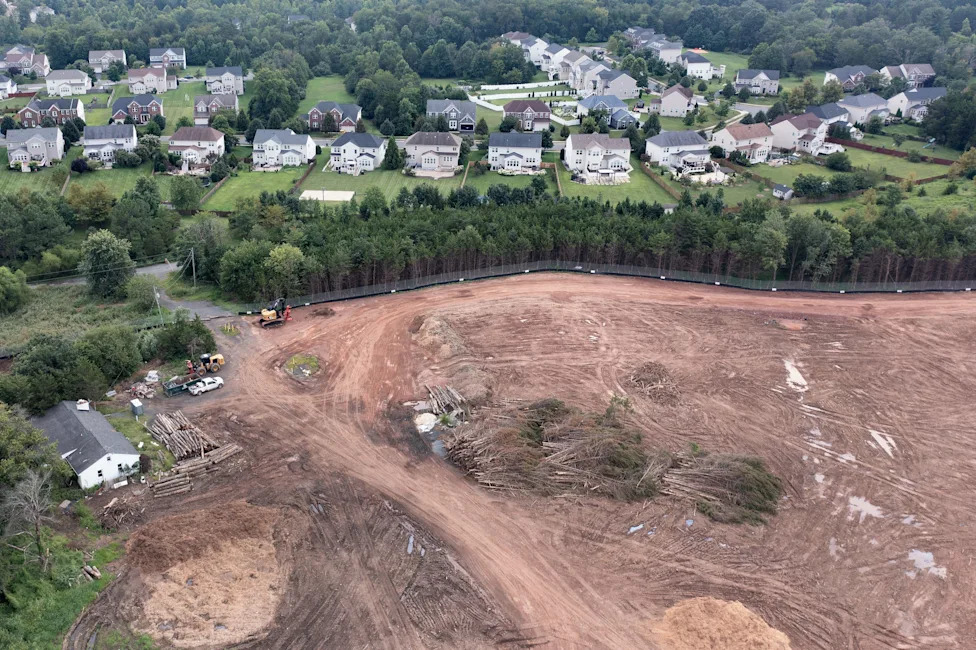
This aerial view shows single-family homes adjacent to a lot being cleared to build a new data center in Stone Ridge, Va. on Aug. 12, 2026.(BRENDAN SMIALOWSKI, AFP via Getty Images)
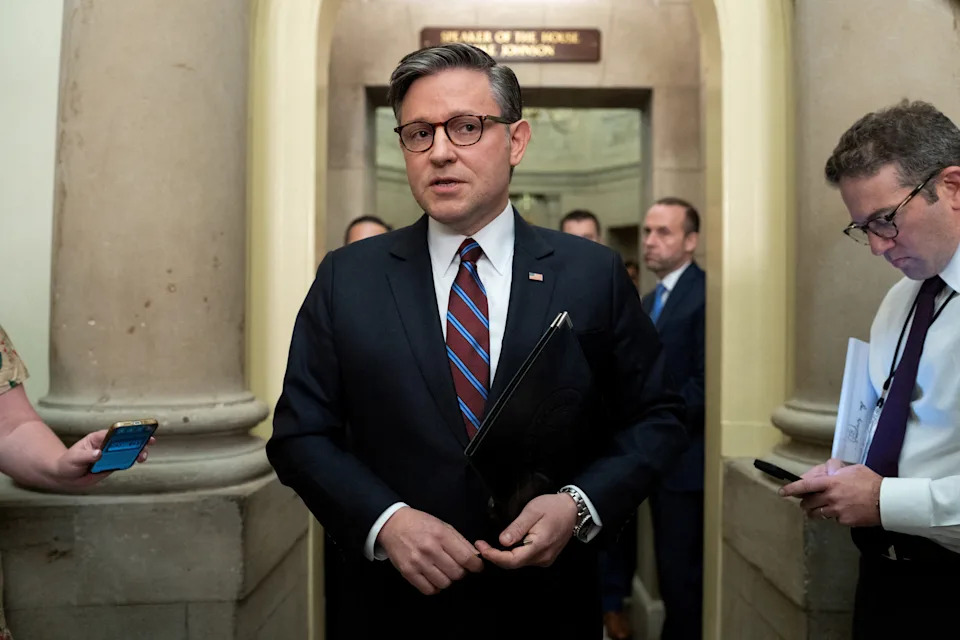
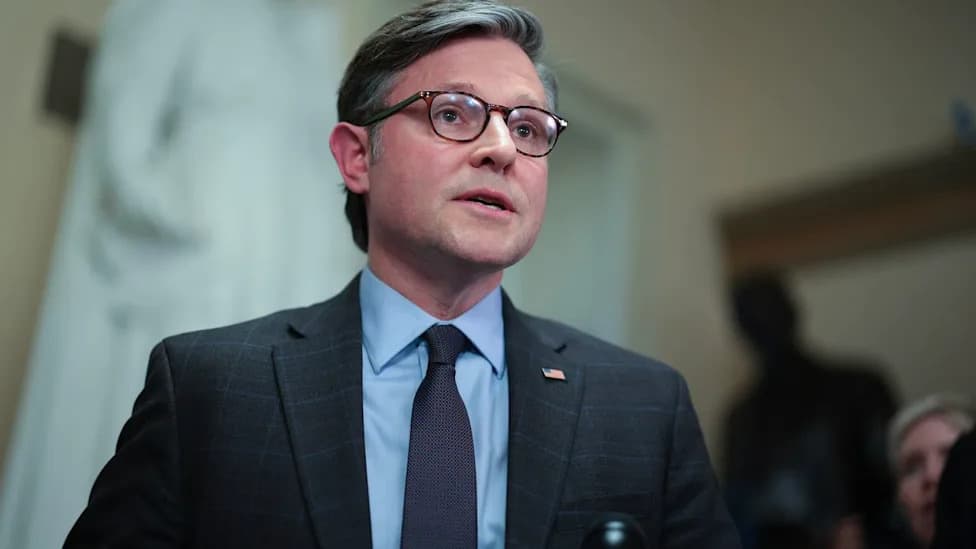
House Speaker Mike Johnson, R-Louisiana, speaks to the media outside of his office on Capitol Hill on September 16, 2026.
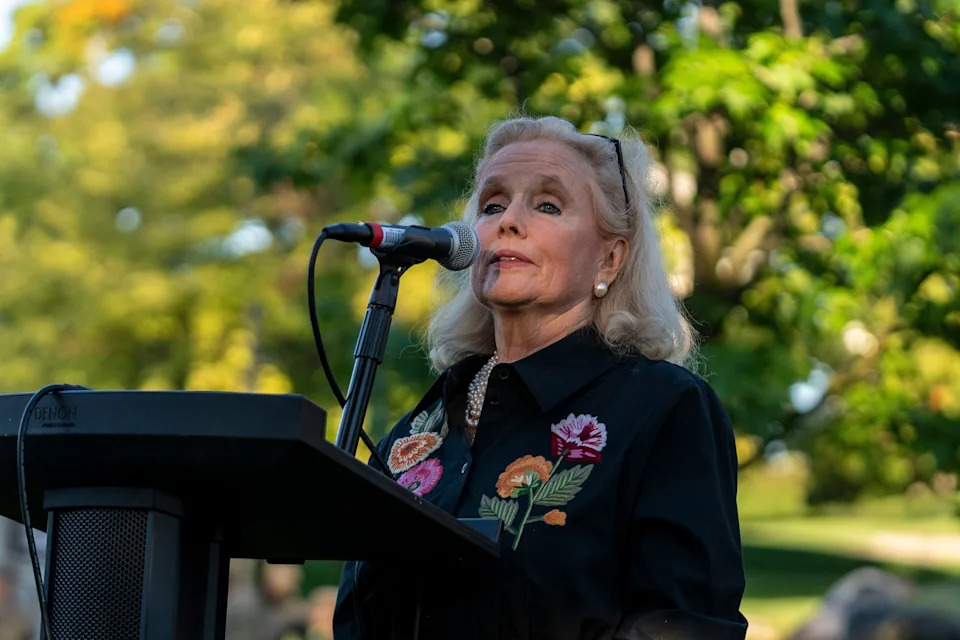
Rep. Debbie Dingell speaks during a ceremony in Michigan on Friday, Sept. 11, 2026.

President Donald Trump shakes hands with Chinese President Xi Jinping while leaving after a visit to the Zhongnanhai Garden in Beijing, China, on May 15, 2026.
Help us improve.