Las Vegas approved a $4 million rebate to fund a cash‑for‑grass program that would remove turf from parts of 15 parks and is projected to save about 82 million gallons of water per year. Officials say most removed grass is non‑functional and only two parks will get artificial turf. Critics — including the Water Fairness Coalition — argue removing lawns under mature trees damages canopies, raises neighborhood temperatures and may increase water use; they also warn that synthetic turf can reach dangerously high surface temperatures and pose chemical risks. The plan highlights tensions between urgent conservation and preserving live, shaded public green space.
Las Vegas’ Cash‑for‑Grass Plan Aims To Save Water — Residents Say It Sacrifices Real Green Space
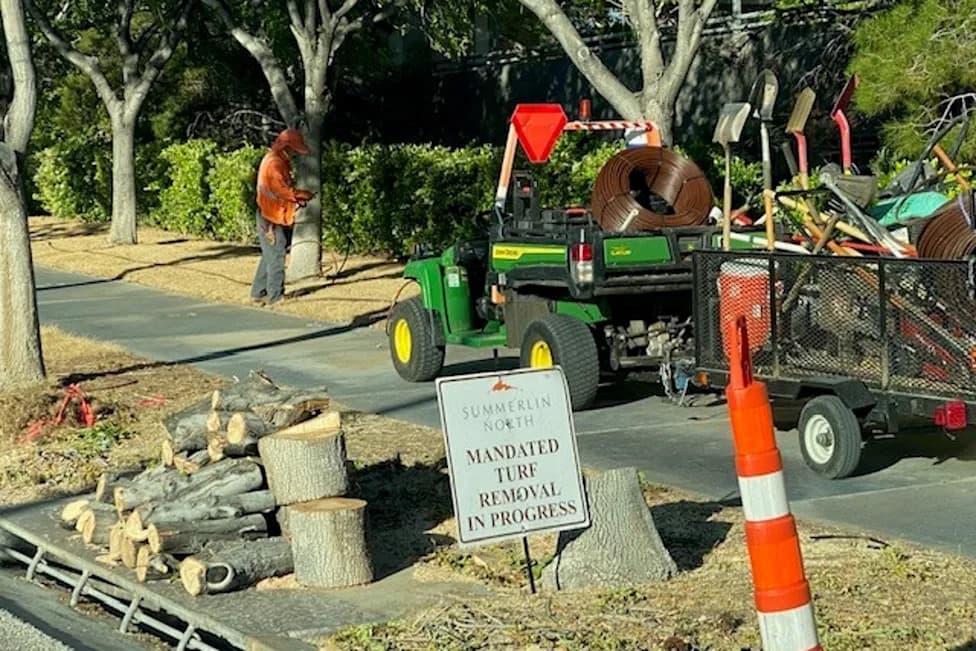
Las Vegas betting on artificial turf in parks due to water shortage, but residents call it a bust
Las Vegas officials have approved a $4 million rebate to remove grass from portions of 15 public parks as part of a cash‑for‑grass program designed to conserve roughly 82 million gallons of water annually and ease pressure on the Colorado River Basin. The move has provoked sharp community pushback over tree loss, neighborhood heat increases and the decision to install synthetic turf at a small number of sites.
What Officials Say
City leaders and the Southern Nevada Water Authority (SNWA) say most of the turf targeted for removal is "non‑functional" — decorative grass in unusable areas such as parking lot islands — and that work is intended to replace thirsty lawns with drought‑resistant landscaping. The city says seven of the 15 park projects are already complete. Officials also state only two parks are slated to receive artificial turf: Cragin Park and the Bettye Wilson Soccer Complex, with the latter receiving turf in an area that previously had no grass.
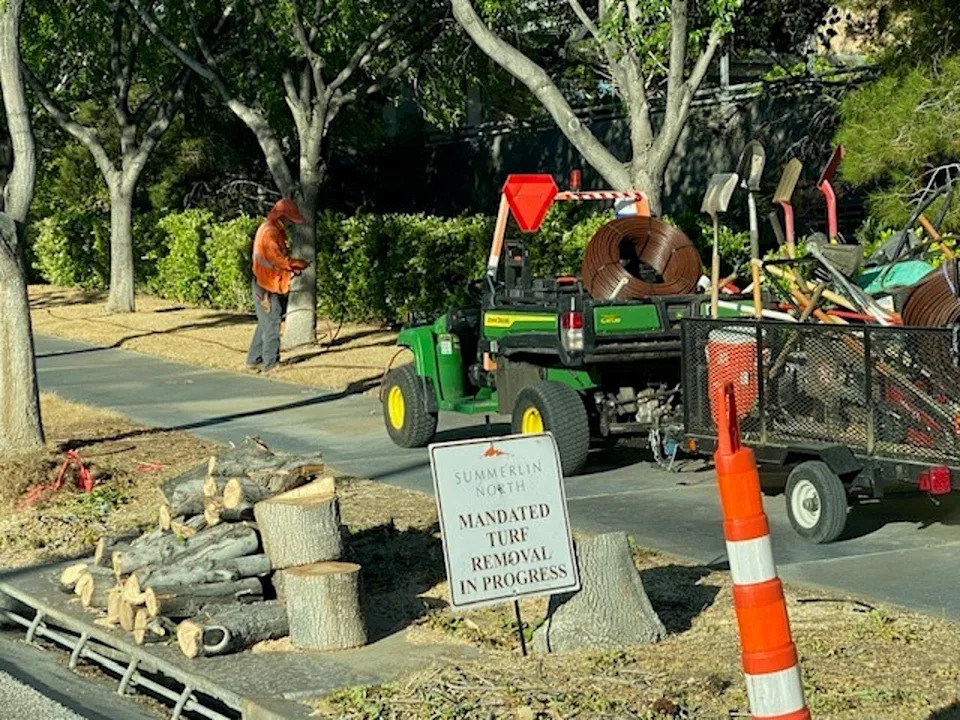
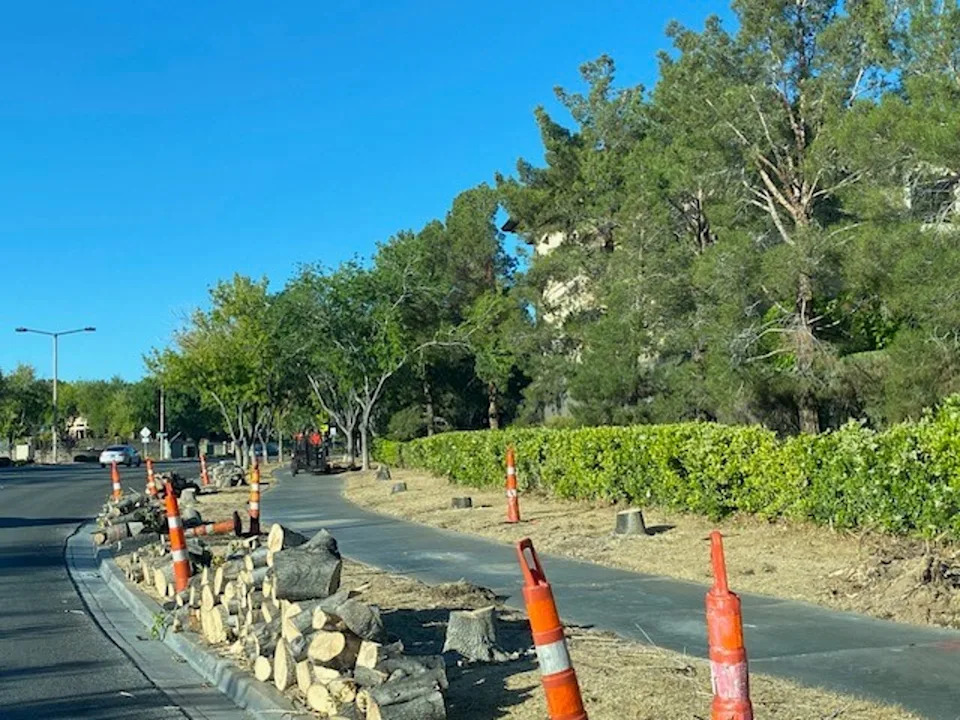
Las Vegas officials approved a $4 million rebate for the city to remove grass in some parks for a cash-for-grass incentive program, causing some trees to die as a result (Laura McSwain)
Community Concerns
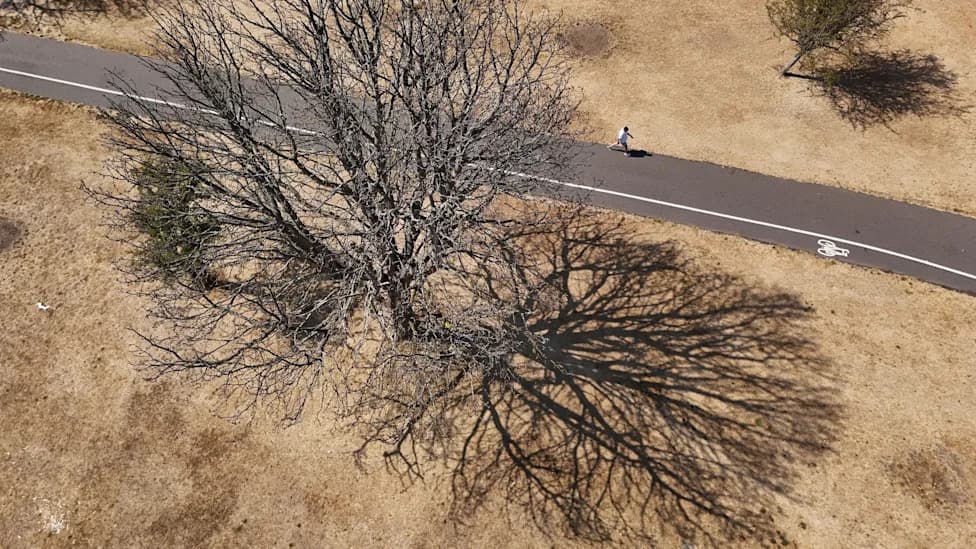
Neighborhood activists and longtime residents argue the plan is harming mature tree canopies and cooling benefits provided by living lawns. Laura McSwain, founder of the Water Fairness Coalition, warned that removing grass beneath trees can damage root systems and that swapping live grass for rock or fake turf may actually increase local temperatures and, paradoxically, water demand.
"They're creating policies that are adding heat to our environment — it's being done on the backs of taxpayers," McSwain said. "All the talk is conservation, but when you exacerbate temperatures, more water is needed."
Resident Stephenie Stephens noted that when crews remove grass, remaining trees often require concentrated watering of rock beds to survive — a practice she says can consume as much water as maintaining grass would.
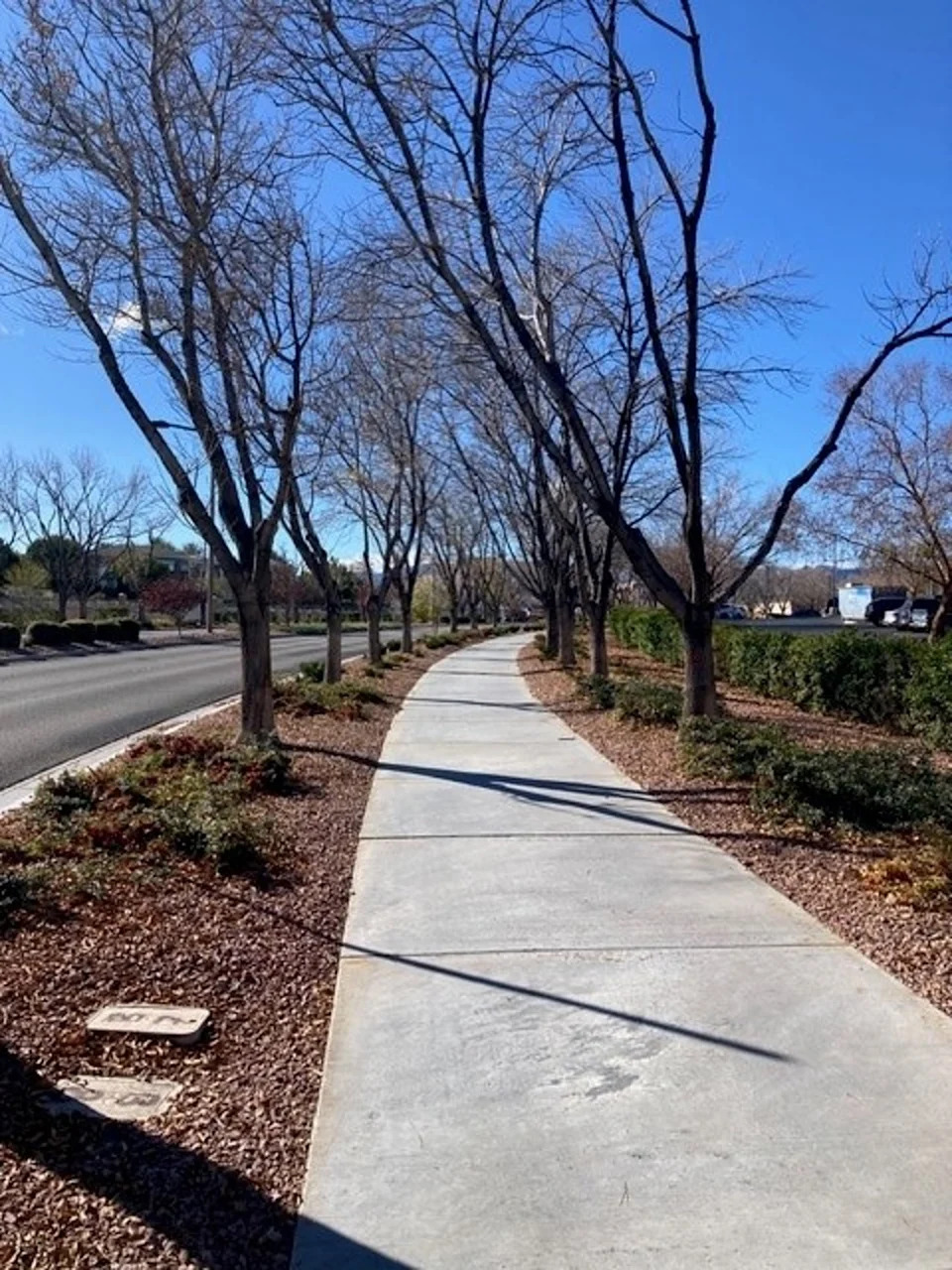
The city plans to remove grass in unusable areas like parking lots from 15 parks, officials sai (Laura McSwain)
Health and Heat Risks From Artificial Turf
Opponents also point to health and safety concerns surrounding synthetic turf. Some studies have raised questions about chemical contaminants in certain turf products, and artificial surfaces can become dangerously hot in desert conditions. A University of Nevada, Las Vegas (UNLV) study from 2008 found artificial turf surface temperatures can reach very high levels, and more recent high‑profile incidents — including reports of turf temperatures exceeding 150°F at a stadium event — have heightened public alarm about heat and surface‑melting risks.
Where The City Draws The Line
City spokesperson Jace Radke emphasized that the municipality has not removed grass that is appropriate or actively used by the community and pointed to examples where grass was reallocated to new recreational facilities, such as pickleball courts at Lorenzi Park and a new outdoor pool at the Veterans Memorial Community Center. He said the city is coordinating with SNWA to balance conservation goals with preserving parks and recreation amenities.
Locals have also expressed concern about artificial replacing real grass in one local park due to concerns that the turf can heat up to over 100 degrees Fahrenheit (Laura McSwain)
Policy Context
Starting in January, a new law will prohibit using SNWA‑delivered water to irrigate "non‑functional turf," further limiting watering of decorative grass. Residents already face strict water‑use regulations and higher rates as Southern Nevada adapts to long‑term drought conditions.
Why The Debate Matters
The dispute underscores a difficult trade‑off facing desert cities: aggressive water conservation measures versus preserving live, shaded public spaces that cool neighborhoods, support tree health and provide low‑cost recreation. For many locals, the question is whether the immediate water savings are worth the potential long‑term loss of canopy cover, community green space and the health risks linked to artificial surfaces.
Bottom line: City leaders say the program targets mostly unusable turf and aims to conserve scarce water. Residents and activists urge a more measured approach that protects trees, keeps functional park space intact and avoids heavy reliance on synthetic turf.
Help us improve.