Phoenix's five-year, $60 million Shade Phoenix Plan will plant 27,000 trees and install 550 shade structures to cool streets and protect residents—especially in low-income neighborhoods. Experts say pairing trees with reflective roofs, lighter pavement and green stormwater systems could lower citywide temperatures by about 2.7°F (up to 4.6°F locally) and save roughly $3 billion over coming decades through reduced energy use and health costs. The plan reflects a broader global shift toward cooler, greener cities.
Shade Phoenix Plan: 27,000 Trees and 550 Shade Structures Aim To Cut Heat and Save $3 Billion
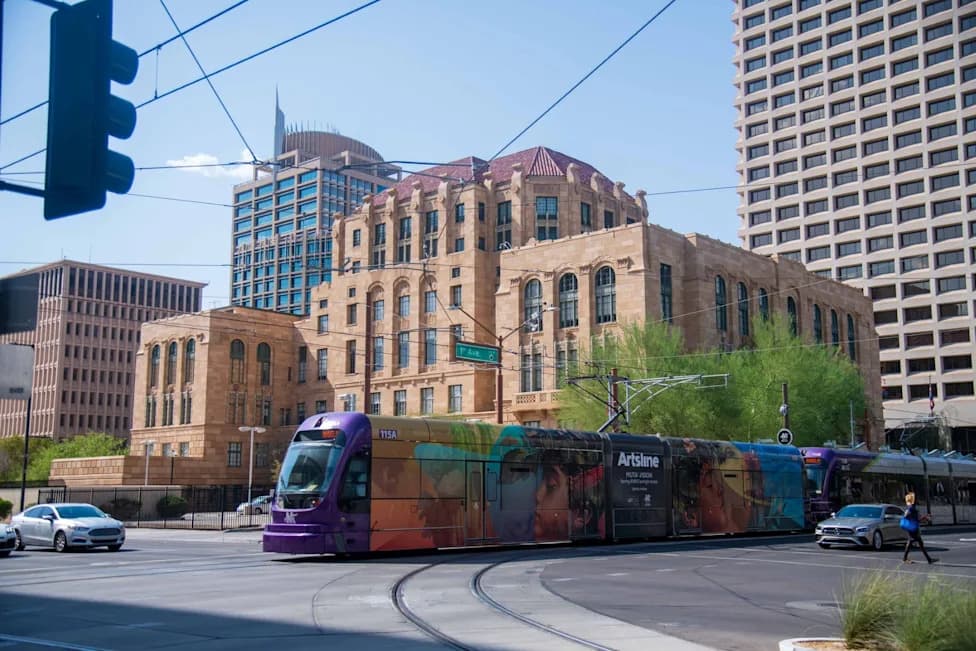
Phoenix bets on 27,000 trees, 550 shade structures to beat heat and save $3 billion
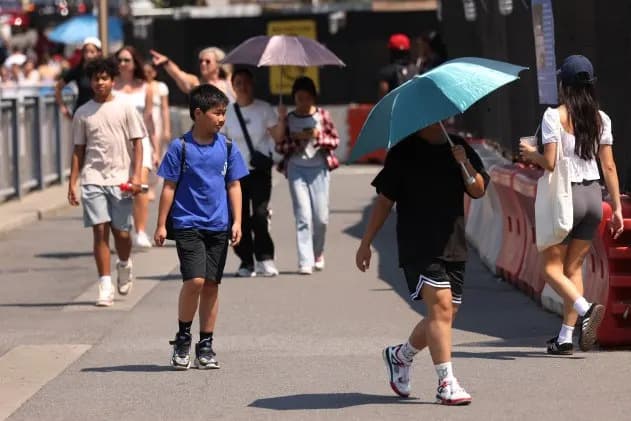
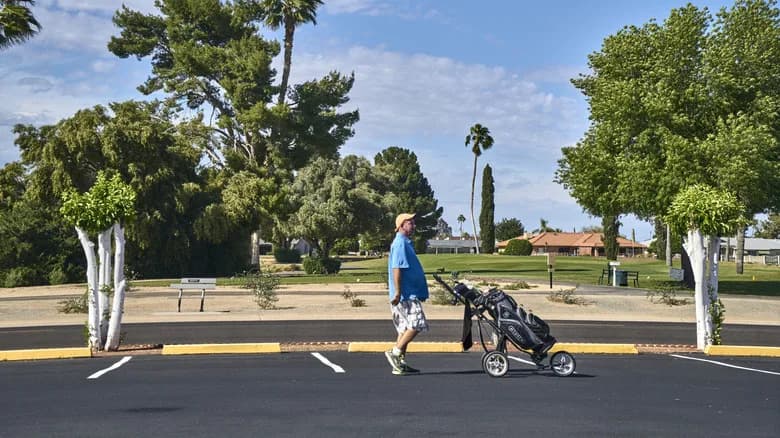
Phoenix has launched a five-year, $60 million Shade Phoenix Plan to turn one of the city's biggest climate vulnerabilities—extreme urban heat—into a long-term advantage. The initiative will add 27,000 trees and 550 shade structures to cool streets, protect residents and reduce long-term costs tied to heat-related energy use and public-health impacts.
What the Plan Will Do
The effort emphasizes targeted planting and infrastructure upgrades in lower-income neighborhoods, where sparse tree canopy and limited shade make temperatures especially dangerous. Greg Kats, founder and CEO of the Smart Surfaces Coalition, helped shape the strategy and recommends combining tree planting with other interventions—streets, roofs, parking lots and stormwater systems—to create "smart surfaces" that are reflective, porous and green.
"Low-income neighborhoods, minority neighborhoods tend to be 10, 12 degrees hotter," Kats told KJZZ.
How Smart Surfaces Work
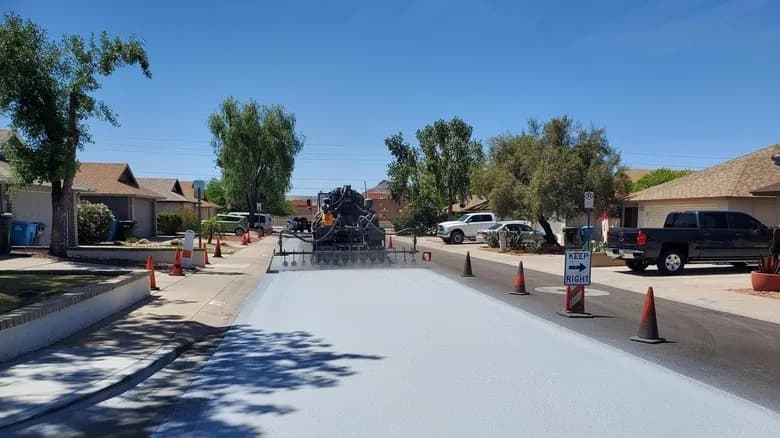
Dark pavement and traditional roofing absorb large amounts of sunlight and can dramatically raise local temperatures. Kats told KJZZ that asphalt absorbs roughly 90% of sunlight and can reach about 160°F on Phoenix afternoons, producing dangerously hot surfaces. By contrast, reflective roofs, lighter pavement colors and porous ground surfaces can cut heat buildup and reduce strain on cooling systems.
Porous surfaces let rainwater soak into the ground, helping newly planted trees thrive with less supplemental irrigation. Reflective roofing reduces indoor cooling demand, and lighter-colored roads and parking lots lower surface temperatures and may reduce pavement damage caused by repeated heating and cooling cycles.
Projected Benefits
Officials and experts say the combined measures could lower average city temperatures by roughly 2.7°F and by as much as 4.6°F in low-income neighborhoods. Kats estimates the approach could save about $2.1 billion in energy costs over 30 years—roughly $6,000 per household—and city officials estimate total long-term savings of around $3 billion when trees are paired with reflective roofs, cooler pavement and green stormwater infrastructure.
Beyond energy savings, benefits include lower air pollution and fewer respiratory problems (especially for children and older adults), fewer emergency and municipal service calls, and a healthier, more attractive urban environment that can support tourism and local economic resilience.
A Broader Trend
Phoenix's plan is part of a wider global push to make cities cooler and more livable. Urban planners worldwide are prioritizing tree canopy, reflective materials and green infrastructure: New York City aims for 30% tree canopy by 2040, cities are converting vacant lots into dense pocket forests, and projects like Stefano Boeri's vertical forest towers in Europe show how vegetation can be integrated into dense urban housing.
The Shade Phoenix Plan starts from the premise that no single solution will cool the city on its own. Instead, it combines trees and shade structures with smarter pavement, roofs and stormwater systems to reduce heat exposure where people walk, wait and work.
"The world's getting hotter. We're going to not only not get hotter, we're going to get cooler," Kats told the station.
Help us improve.