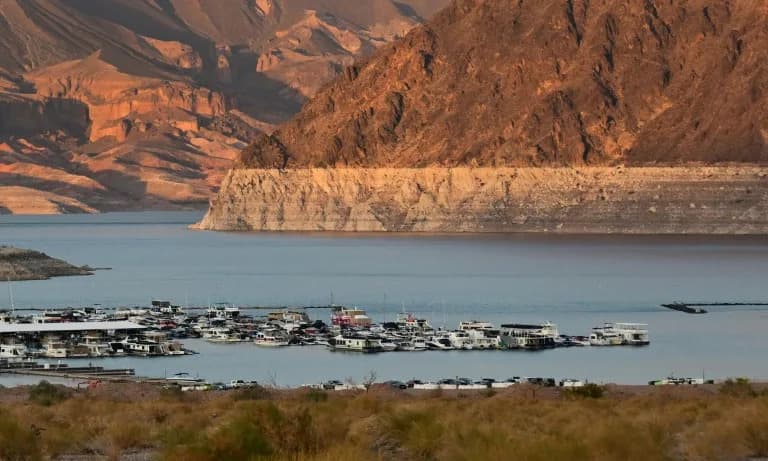
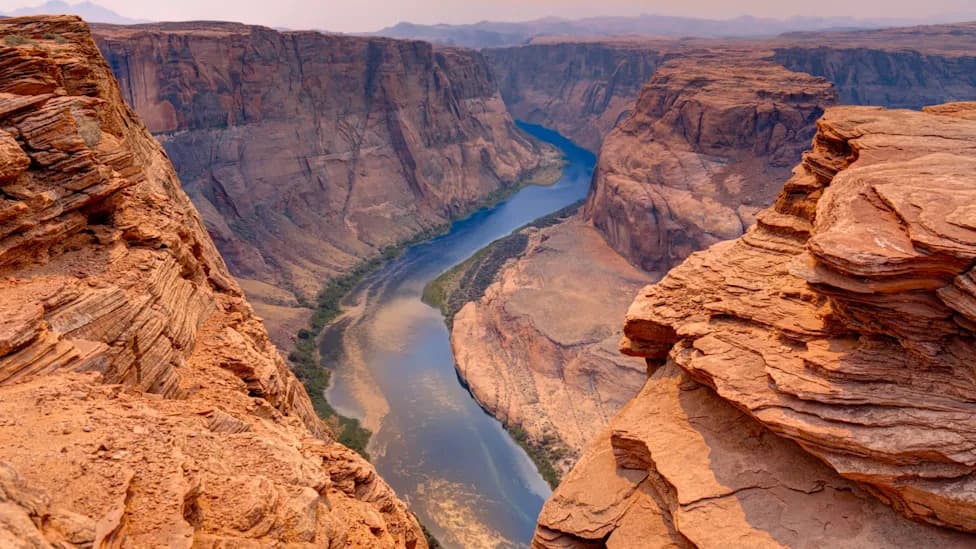
The Colorado River’s declining flows have prompted two legal battles: Nevada’s suit challenging Interior Secretary Doug Burgum’s Aug. 21 supply decision, and conservation groups’ challenge to Denver’s Gross Reservoir expansion. River flows have dropped from about 14.6 million to roughly 12.3 million acre-feet, raising questions about whether large reservoirs can be reliably filled. The cases may push managers to favor lower-cost conservation and demand-management over costly new storage projects.
Water On Trial In The Rockies: Nevada Sues Over Colorado River Cuts; Denver's $819M "Bathtub" Faces Court
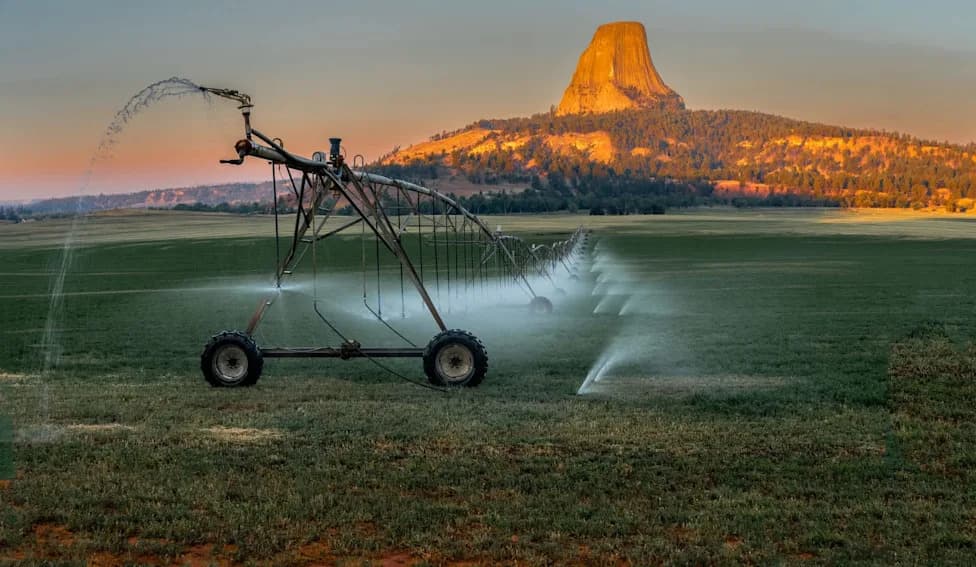
Photo Credit: iStock
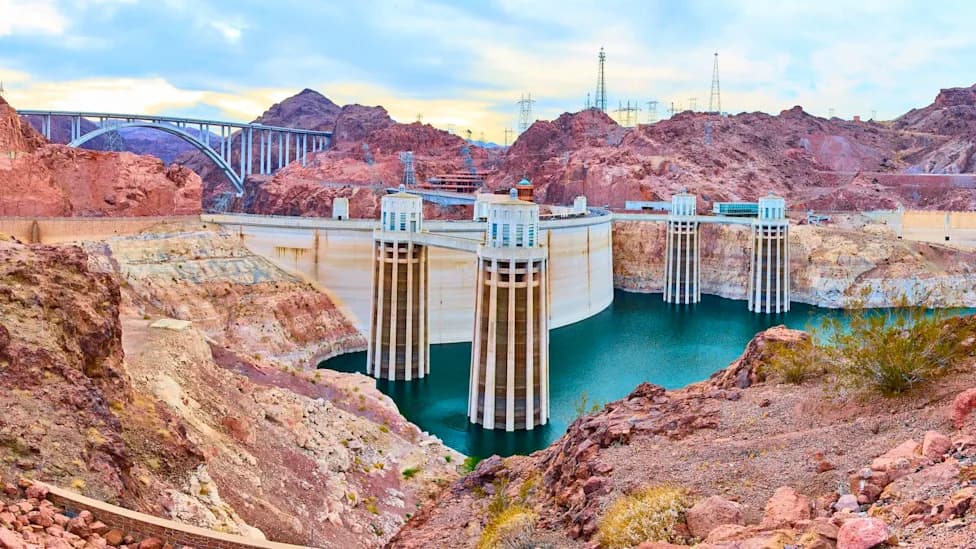
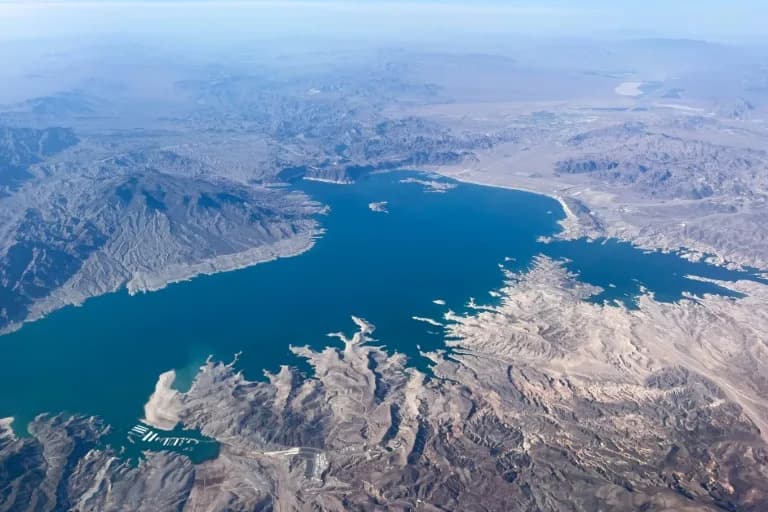
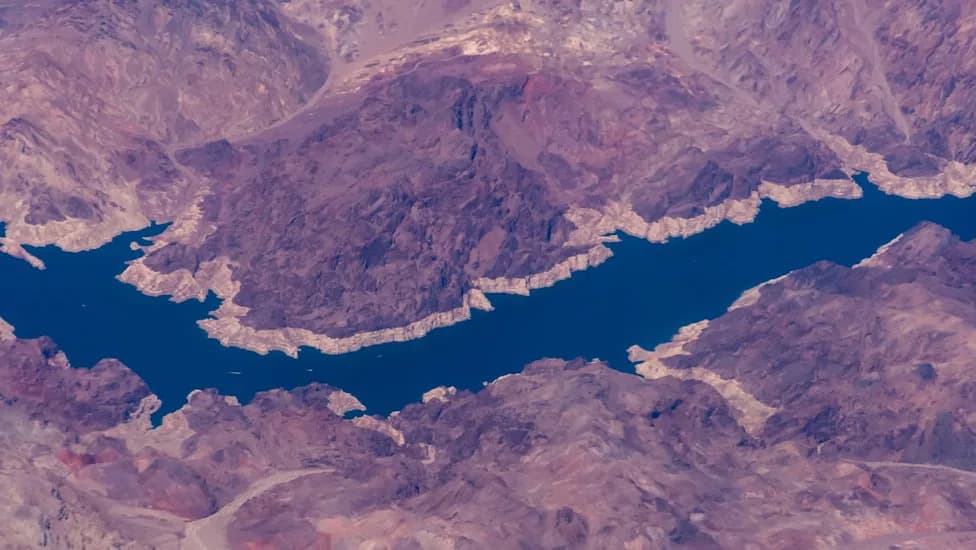
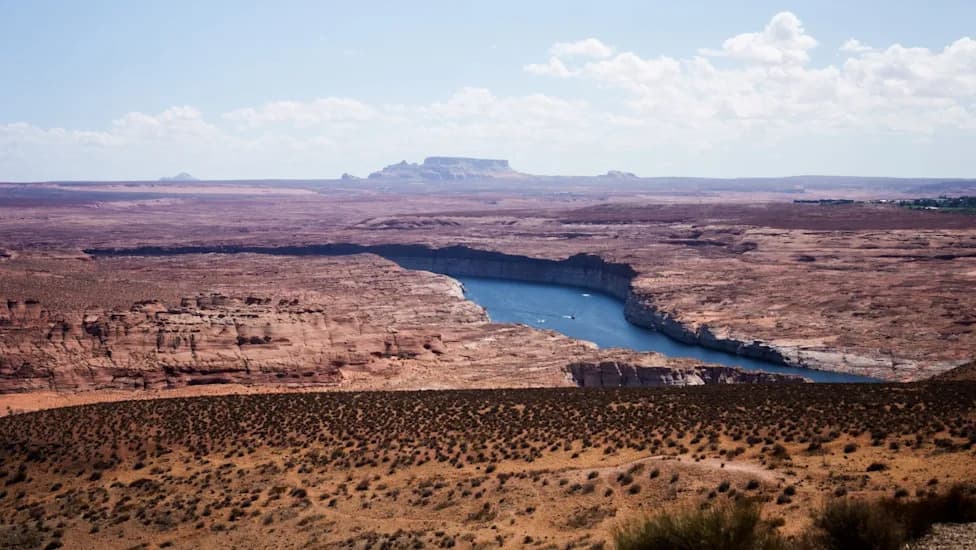
As flows in the Colorado River continue to shrink, two high-profile lawsuits in Wyoming and Colorado are forcing a hard look at whether large new water-storage projects still make sense in a hotter, drier future. The lawsuits could reshape irrigation practices, public spending, and which communities shoulder the costs of prolonged drought.
What Happened
On Aug. 21, Interior Secretary Doug Burgum issued a 10-year plan that reduces water deliveries to California, Nevada and Arizona while largely sparing Wyoming, Colorado, Utah and New Mexico. Nevada has sued to block that decision, arguing it failed to evaluate the economic consequences of curtailed deliveries for millions of municipal water users, according to reporting by WyoFile.
Separately, conservation groups have challenged Denver's plan to expand Gross Reservoir, calling the $819 million project a possible "bathtub"—a large reservoir that may never be reliably filled as river flows decline.
Numbers And Stakes
River flows that once averaged roughly 14.6 million acre-feet have fallen to about 12.3 million acre-feet. The drop heightens concerns that new reservoirs and dams could be costly investments that fail to deliver anticipated benefits.
Wyoming has welcomed the federal plan because the state's roughly 7% share would avoid administrative cuts. The state is also pursuing the proposed West Fork Dam on Carbon County's Battle Creek, a 10,000 acre-feet project intended to provide about 6,000 acre-feet per year for irrigation, WyoFile reports.
Arguments In Court
Nevada's lawsuit contends that federal planners performed "no analysis of the very real and dire economic effects to millions of municipal water users if the taps are turned off or water use must be significantly curtailed." The state asks judges to block and overturn the plan and to require drought reductions to be allocated more evenly between Upper Basin and Lower Basin states.
"They're building a giant bathtub, even though there's likely no water to ever fill it," said William Eubanks, attorney for river-protection group Save the Colorado, according to WyoFile. He added that planners "never analyzed whether there will be any average-to-wet years in which Denver can divert the water under its existing water rights, let alone whether there will be enough of those years to ever fill this expanded reservoir of 72,000 acre-feet."
Gary Wockner, executive director of Save the Colorado, warned courts and communities that ranchers and farmers could be forced to send more water downstream, reducing the reliability of traditional diversions.
Wider Implications
Legal challenges like these could force water managers and elected officials to reconsider whether costly dams and reservoirs remain the smartest investments. Money tied up in projects vulnerable to climate-driven shortages cannot be spent on more durable, lower-cost conservation measures, recycled-water systems, or protections for local communities and ecosystems.
Similar tensions are appearing across the West: a northern Colorado reservoir is at roughly 2% capacity after uranium was detected in dam rock; summer water restrictions are increasingly common across Wyoming and neighboring states; and proposed data centers in Utah have raised concerns about further strain on limited supplies. Each example underscores how drought, contamination and competing demands are colliding with tough questions about who will get clean water and when.
What To Watch
- How courts rule on Nevada's challenge to the 10-year plan and whether the federal analysis is deemed inadequate.
- Whether judges require tighter assessments of whether expanded reservoirs can realistically be filled under current and projected river flows.
- How states re-prioritize spending between hard infrastructure and lower-cost demand-management, conservation, and community protections.
The outcomes of these cases will help determine whether the Rocky Mountain West doubles down on traditional storage projects or shifts toward strategies better matched to a hotter, drier climate.
Help us improve.