Hotter, drier summers are prompting London’s parks and gardens to change planting and water management as supplies come under strain. Kew Gardens and The Royal Parks are adopting drought-tolerant species, expanding water capture and reassessing tree longevity after a record dry summer. Thames Water warns reservoir levels remain low and says sustained rain — along with new infrastructure and conservation — is needed to avoid a large long-term shortfall.
How Drier Summers Could Reshape London's Parks — From Trees to Tiny Water Butts
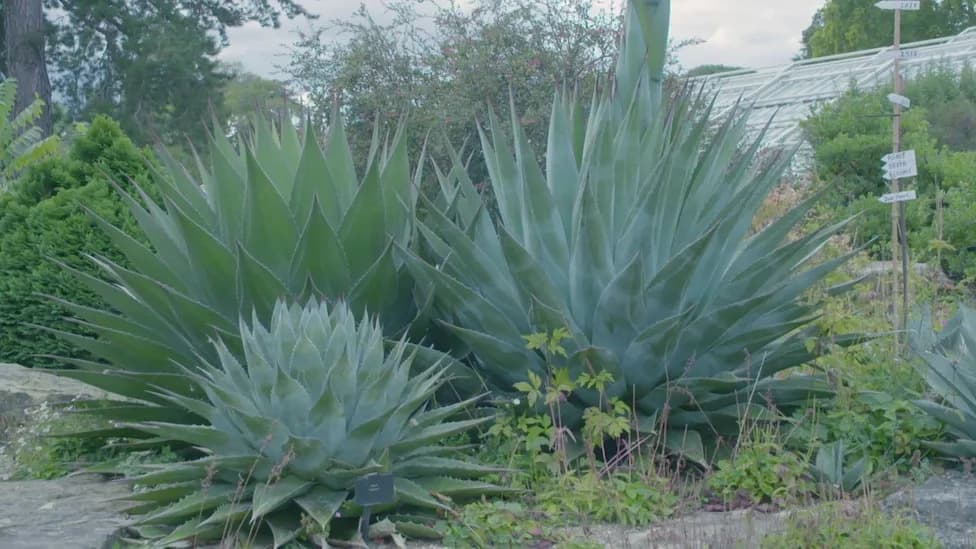
Agave montana, a succulent from the mountains of Mexico, is one of the drought-resilient plants London might get to see more of [BBC]
Hotter, drier summers are forcing London’s park managers, botanic gardens and water suppliers to rethink what they plant and how they care for green spaces as pressure on water supplies intensifies.
Water Supplies, Hosepipe Restrictions And The City’s Response
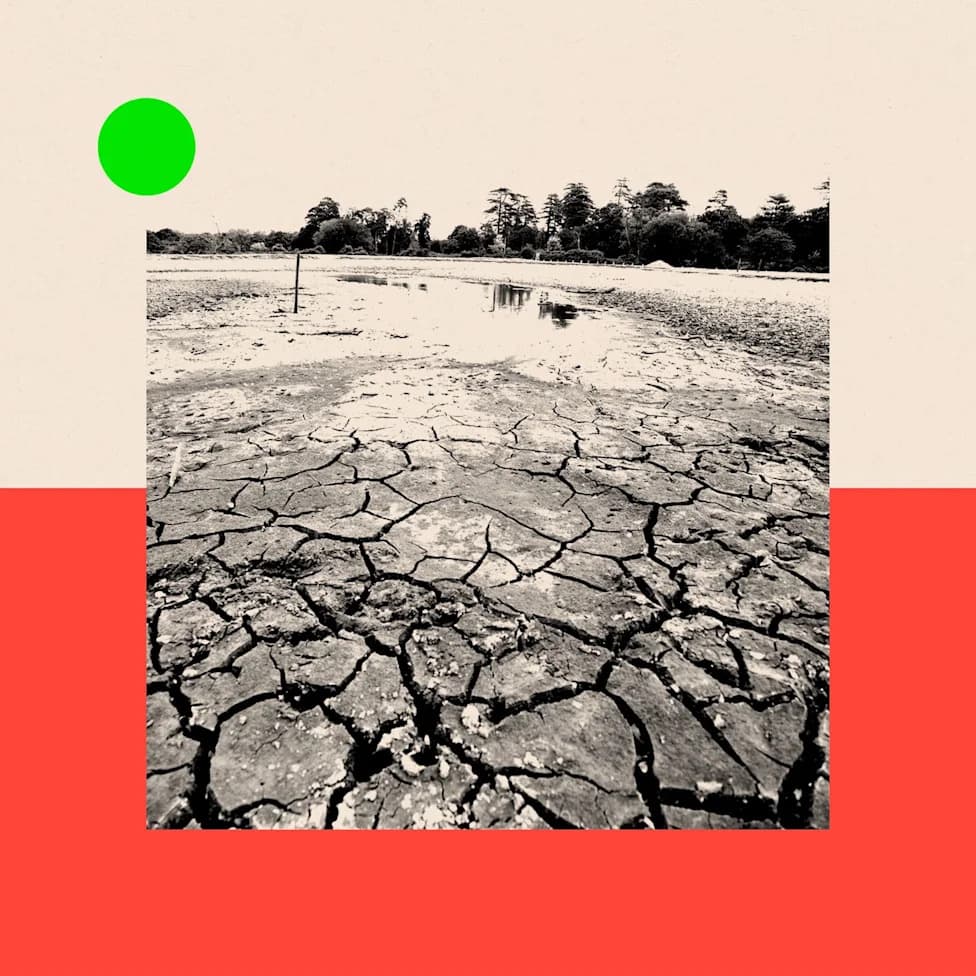
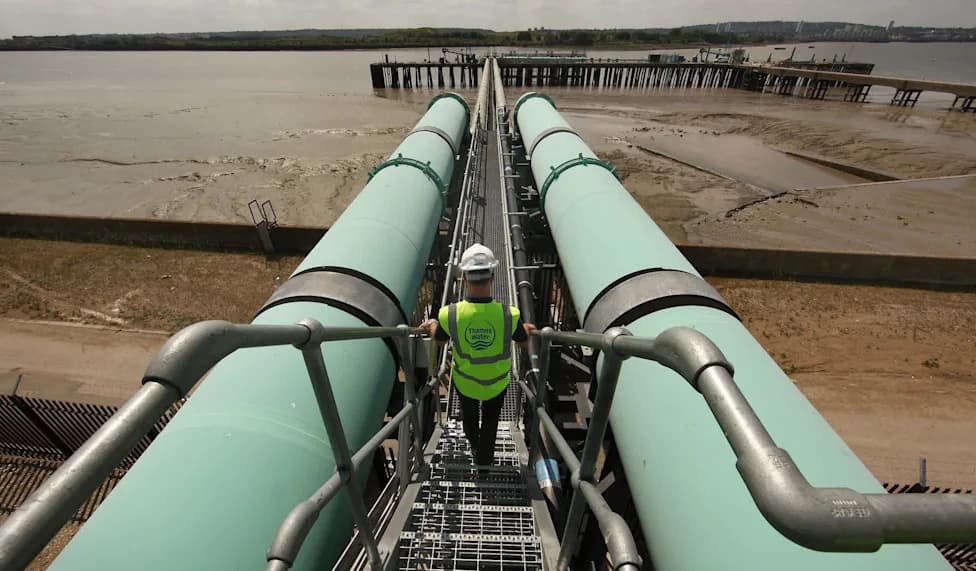
Thames Water — which supplies most of the capital — says reservoir and groundwater levels have not yet recovered after this year’s record-breaking hot summer. The company has warned sustained rainfall will be needed before it can consider lifting current hosepipe restrictions.
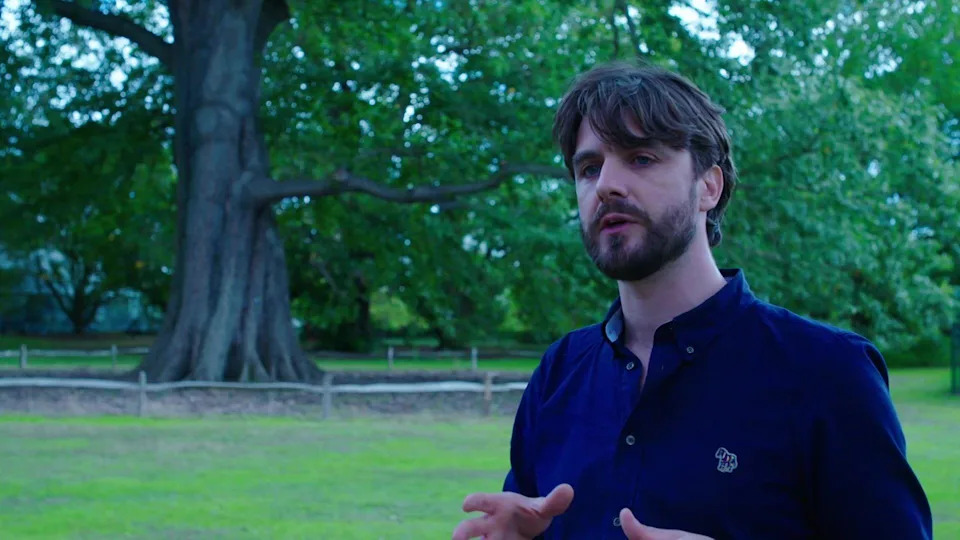
Thomas Freeth, head of collection management at Kew Gardens, said they had to think more carefully about where their water would come from [BBC]
“Changing weather patterns, a growing population and the need to reduce environmental impacts are all putting pressure on water resources,” a Thames Water spokesperson said, noting the South East is classified by the Environment Agency as seriously water stressed. Without further intervention, the region could face a shortfall of about one billion litres a day by 2050.
How Parks Are Adapting
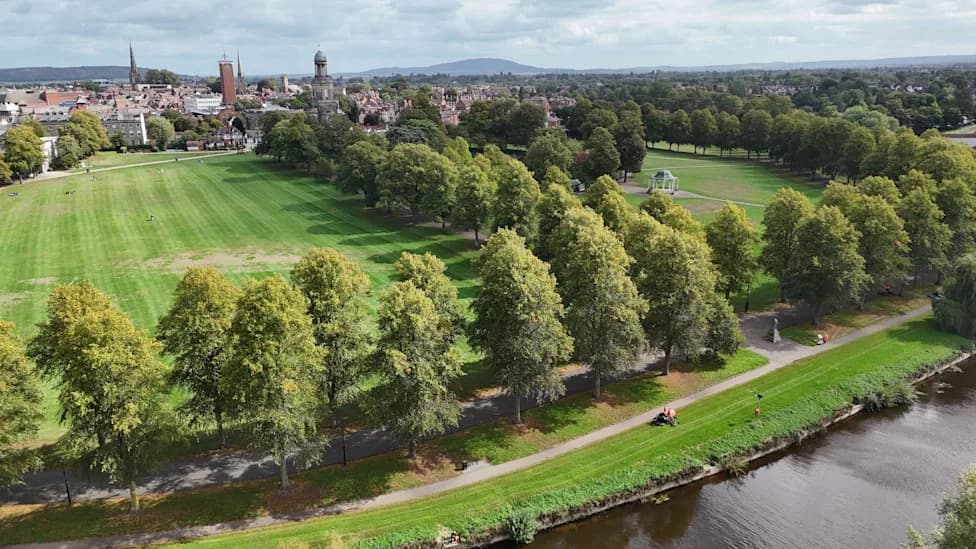
Major green-space managers including Kew Gardens and The Royal Parks are already adjusting long-term planting and maintenance plans. Staff are prioritising drought-tolerant species, investing in water-capture systems and reassessing irrigation strategies to protect valuable collections and mature trees.
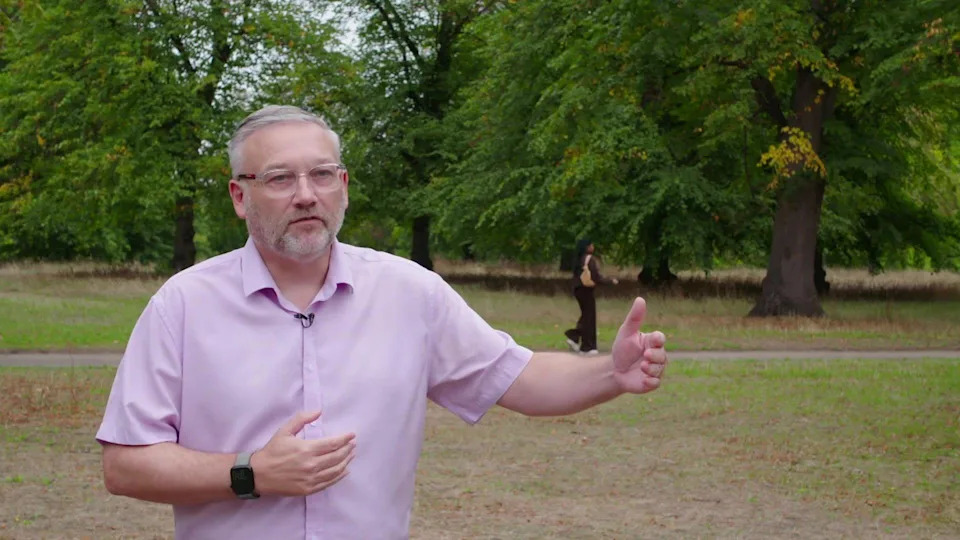
Darren Share, of The Royal Parks, said they would need to keep an eye on the longevity of their trees [BBC]
“We have to think a lot more carefully about where the water comes from,” said Thomas Freeth, Head of Collection Management at Kew Gardens.
At Kew, July was the driest month on record for southern England and the gardens recorded no measurable rainfall. Responses include choosing lower-water species and expanding captured-water systems for irrigation. One plant highlighted as suitable for drier urban planting is Agave montana, a succulent native to Mexico that needs minimal watering.
Freeth described a recent low-tech solution: “We installed a glorified water butt, which kept three of our most water-intensive glasshouses going through to the end of July.” Kew is exempt from some hosepipe restrictions to protect its National Plant Collections.
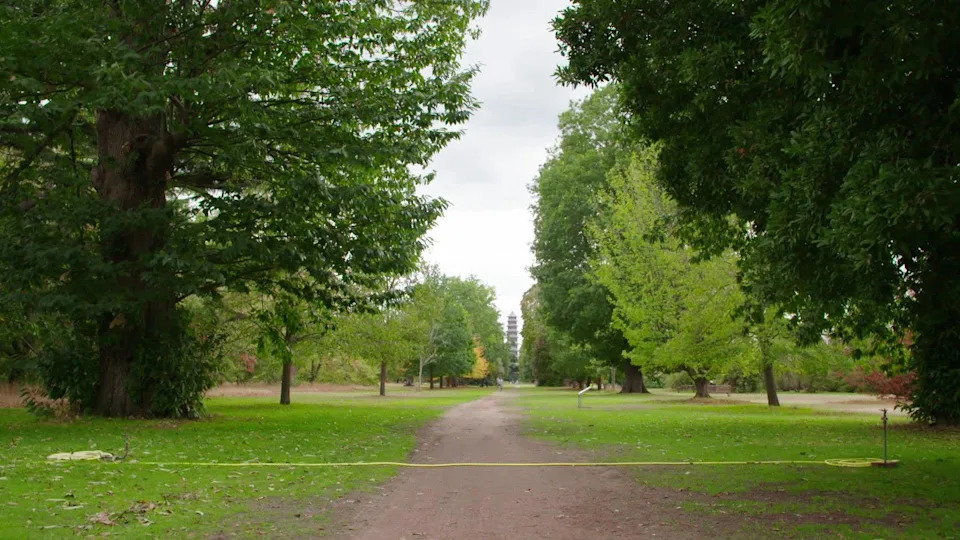
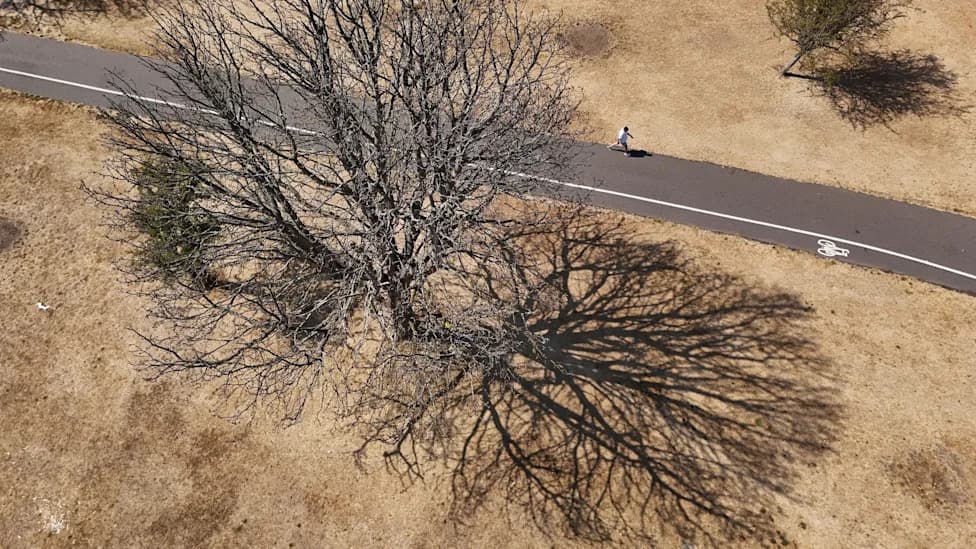
The trees are likely to be affected by the change in climate, it is claimed [BBC]
Trees, Lifespans And Urban Resilience
The Royal Parks warns hotter, drier conditions could substantially reduce the expected remaining life of some long-established trees. “Where we'd expect there to be another 150-odd years' growth in them, they might only have between 50 and 70 years now,” said Darren Share, Director of Parks at The Royal Parks.
A Greater London Authority report found that, if no action is taken, more than 72% of London’s public-realm tree population will struggle under projected climate conditions. That is significant because trees provide shade, cooling and storm-buffering services that make the city more resilient to extreme weather.
What Comes Next
Thames Water says it will continue monitoring rainfall and water levels while keeping restrictions under review. The company and regional planners point to a mix of demand reduction, leak-cutting and new infrastructure — such as the White Horse Reservoir and the Teddington drought-resilience scheme — as parts of the solution.
Residents and park users can also help: reducing garden watering, supporting tree-planting programmes with drought-resilient mixes and backing local green-infrastructure projects will all make a difference as London adapts to a drier future.
Help us improve.