Scottsdale has delayed plans to introduce highly treated recycled wastewater into its drinking supply after election-year criticism labeled the project "poop water." The City Council replaced dedicated funding for the expansion with a $100 million general allocation for new water sources, stalling a 2027 target. Supporters cite decades of treatment experience and drought resilience; opponents point to costs, new state rules and public trust concerns. Officials plan to return to the council with options in October.
Election-Year 'Poop Water' Attacks Pause Scottsdale's Wastewater Recycling Expansion
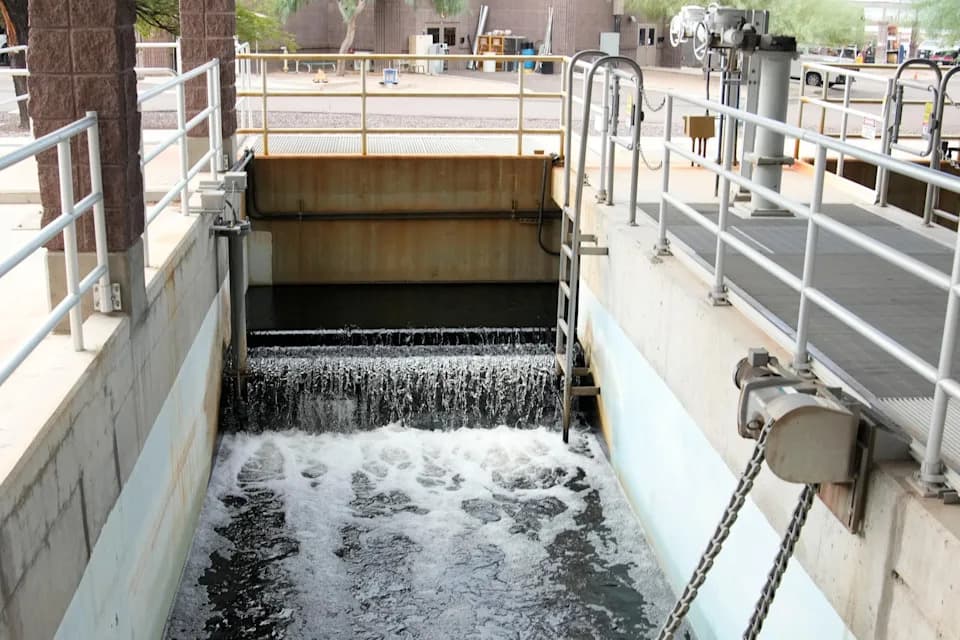
Water flows through part of the standard wastewater treatment A+ effluent tertiary filter system at the Scottsdale Water Campus in Arizona on Sept. 9, 2026. / Credit: AP Photo / Ross D. Franklin
Scottsdale, Ariz. — The City Council in Scottsdale has paused plans to add highly treated recycled wastewater directly to residents' drinking supply after election-year opponents labeled the proposal "poop water." The move replaced dedicated funding for the expansion with a broad $100 million allocation for unspecified new water sources, delaying a planned 2027 rollout.
Background
Scottsdale has used purified effluent for aquifer recharge since 1998. The city's recycling facility—capable of serving roughly 60,000 households—has treated wastewater for decades and served as a model for other Arizona utilities considering similar projects. City water officials say the treatment process includes multiple advanced steps such as ultrafiltration, reverse osmosis and ultraviolet photolysis.
Politics and Public Reaction
The program became a flashpoint in a three-way contest for two council seats. One candidate supports blending purified wastewater into the drinking system; former Republican state lawmaker Michelle Ugenti-Rita and conservative incumbent Barry Graham have publicly questioned the safety, cost and timing of the expansion. Ugenti-Rita ran a campaign ad showing a glass of clear water alongside a brown liquid and accused opponents of pushing sewage into the city's taps—claims her rivals and city officials strongly dispute.
"Less than 1% of Scottsdale's liquid waste comes from toilets," said Scottsdale water managers, noting that the planned purified product would meet standards stricter than current federal drinking-water requirements.
Treatment, Safety and Costs
Scottsdale Water emphasizes that the advanced purification train already in place is rigorous and tested. Officials highlight decades of operation and community outreach—roughly 7,500 people have sampled treated water during tours and events, and portions have been sold to local businesses such as breweries. No household has received the purified water through home taps.
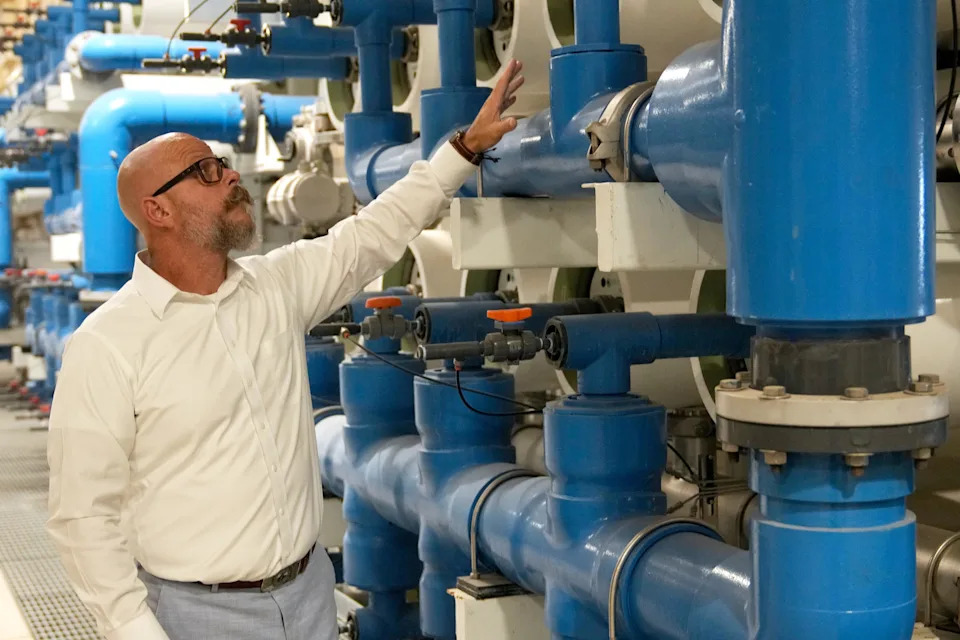
Bryan Cassens, assistant senior director at the Scottsdale Water Campus, walks through the site on Sept. 9, 2026, in Scottsdale, Arizona. / Credit: AP Photo / Ross D. Franklin
Water officials in Scottsdale, Phoenix and Tucson say new state requirements to monitor and track chemicals and contaminants not regulated federally are pushing up projected compliance costs. The Arizona Department of Environmental Quality is revising the rules to be easier to follow, but final guidance is not expected until early 2027, according to Randall Matas, director of the department's Water Quality Division.
Regional Context
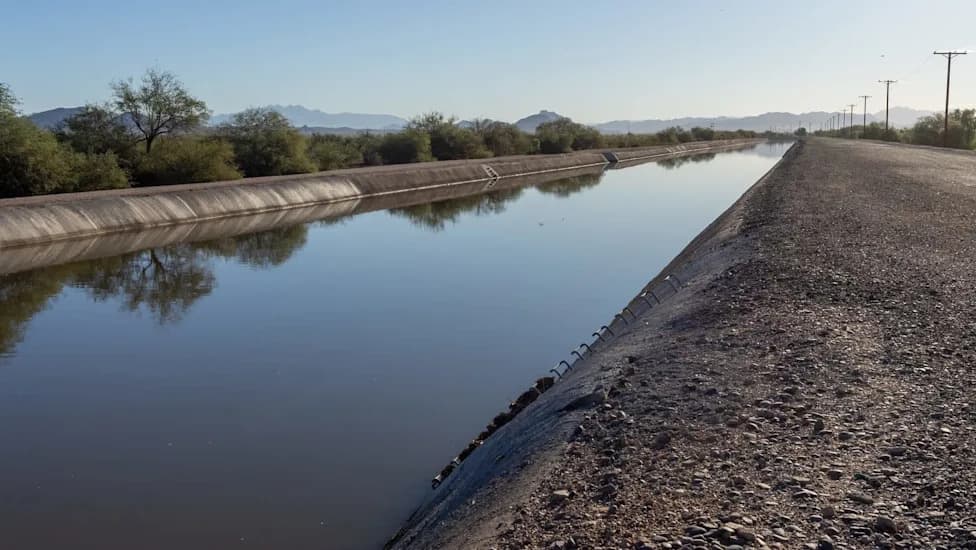
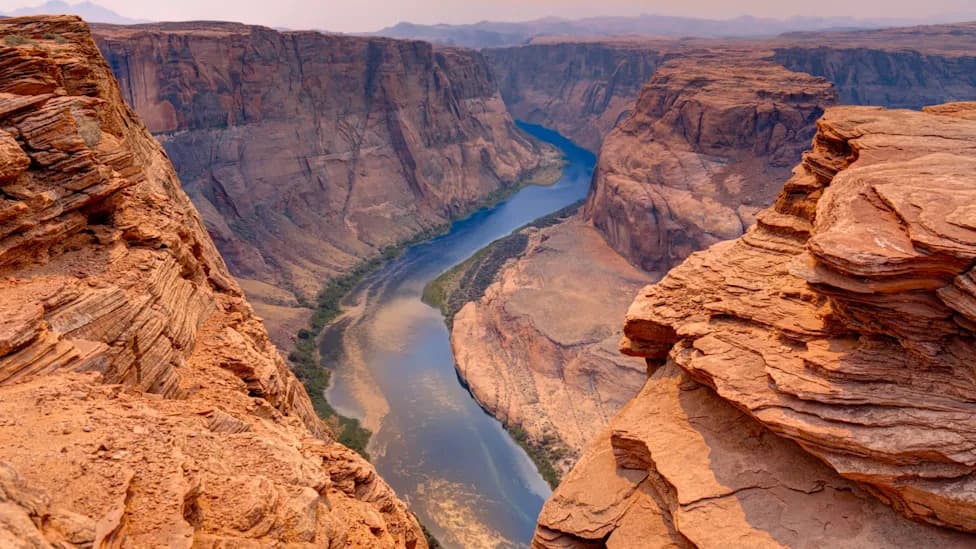
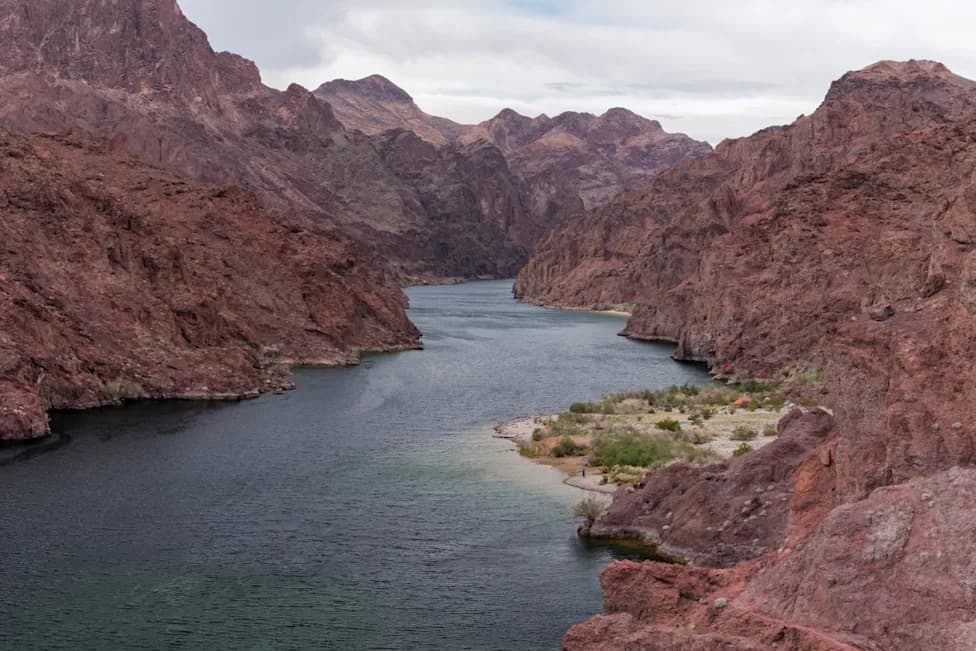
The debate comes as the Colorado River system faces severe stress: Lake Mead and Lake Powell dropped to record lows this summer. Scottsdale relies on the Colorado River for about 70% of its water—more than similarly sized cities in Arizona and California—making long-term resilience a central concern. The U.S. Bureau of Reclamation has pledged more than $300 million for advanced purification projects across the arid West.
What Happens Next
With the expansion on hold, council members set a $100 million general allocation for new water sources rather than funding the specific recycling project. Scottsdale Water officials say they will return to the council in October with a set of options. Supporters warn the funding change could weaken regional drought resilience; critics argue the pause is fiscally prudent until state rules and costs are clearer.
Voices: Bryan Cassens, assistant senior director for Scottsdale Water, stressed the utility's experience and the importance of reuse. Cynthia Campbell, a former Phoenix water adviser, warned against politicizing long-term water security. Ben Grumbles of the Environmental Council of the States urged that public-health and sustainability investments not be sacrificed for short-term political gains.
Help us improve.